Don’t be fooled by her small stature, Tara is an Irish pocket rocket! This little bundle of energy surely knows how to travel too. It all started in 2011 when, as a 23-year-old, she moved to South Korea to teach English. Tara was instantly hooked on the new cultures, traditions, and foods. Fast forward two years and she set off on a backpacking adventure that would span 12 countries, beginning in Finland and ending back in South East Asia.

Not intimidated by the unknown, Tara enjoys traveling to destinations that are a less-frequented, including Tibet, Myanmar, Mongolia, and North Korea. She fell in love with the world beneath the sea on a trip to Thailand and achieved her open water diving certificate not long after. This newfound freedom struck a serious cord.
In 2014, she moved back to Ireland for work but found herself longing to hit the open road again. It wasn’t long before an offer came up to go back and teach in Myanmar and she jumped at the opportunity. While that particular contract turned into somewhat of a nightmare, it provided the stepping stone to looking for work back in South East Asia.
Since returning, she has completed her dive master’s certification and now works as a divemaster in Koh Tao, Thailand, and couldn’t be happier.


Want to know more about Tara and her adventures? Read more in our interview below and connect with her here on Backpacker Travel. You can also follow her on Instagram at @tarapower8
BT: You’ve traveled quite extensively through South East Asia, what’s your favorite experience thus far?
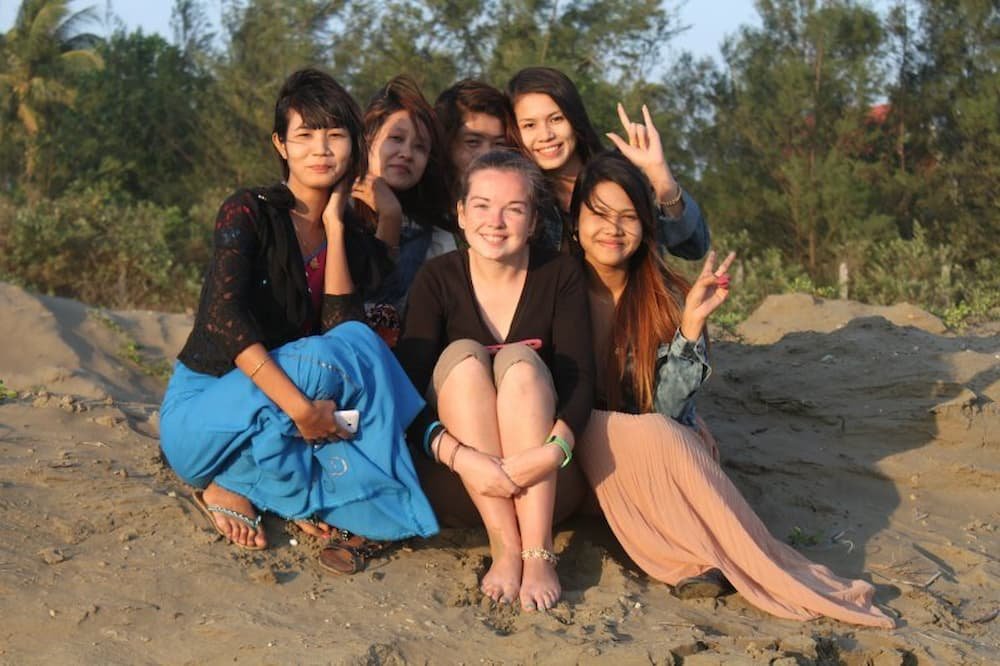
Tara: I’ve had a few amazing experiences but visiting Mrauk-U (pronounced meow-oo) in Rhakine state, Myanmar was one of the best. I backpacked Myanmar and there were always other backpackers around but in Mrauk-U I was pretty much alone. I did meet other backpackers but we all went our own ways. Here I got to interact with the locals, meet families, visit homes, and pagodas and of course, see a place in Myanmar that was not touched by tourism at the time.

BT: What inspired you to start working abroad?
Tara: I always wanted to live and work abroad. There was always something holding me back, like university, my job, or a boyfriend. Then a good friend of mine left to teach English and his stories about living in South Korea made me a little jealous so curiosity got the better of me! I researched the life and work over in South Korea and applied for lots of jobs and 6 months later I was on a plane bound for Seoul! One of my best decisions.

BT: Are there any particular life lessons or moments of clarity you have experienced on the road?
Tara: I am a social person. I love being around people but I learned on the road how important personal space is. Traveling by yourself is great because you are open to meeting new people but it also teaches you about how to be alone as cliche as that sounds! I really enjoy diving as you don’t need to talk during it. You only use signals.
BT: You recently attained your divemasters certification, have you taken anyone on their first dive yet? If so, has anyone freaked out on you?
Tara: Yes I’ve taken newly fledged open water divers out for fun dives. People have had problems while under the water with me. The important thing when dealing with divers is to properly brief the buddy teams before you ever enter the water, so they know how to act or signal when they have a problem.
When I dive I spend a lot of time swimming on my back watching to see if everyone is ok.

BT: What’s the most exciting dive that you have done?
Tara: One of the first times I ever led a dive was in Chumphon Pinnacle near Koh Tao in Thailand and I was leading some new DMCs (divemaster candidates). We were heading back to the buoy line as it was nearing the end of the dive when there was lots of noise under the water – LOTS of tank banging.
As I swam around a piece of rock and there was a whale shark right in front of me! We all start celebrating under the water and whooping. It was everyone’s first whale shark sighting! Everyone on the boat was so excited! I even got a local artist to draw a whale shark in my logbook so I could remember the day!


BT: If you had to choose just one cuisine to eat for the rest of your life what would it be?
Tara: I really love Korean food and I’m craving it right now so I will go with that. But, it changes day by day!

BT: What’s one item you always pack but rarely use?
Tara: My parents will kill me but suntan lotion! I always forget to put it on and I am always burned! As I spend time in the water I don’t put suntan lotion on my skin as it is harmful to the coral.

BT: As a solo female traveler, have you ever felt unsafe or threatened while traveling?
Tara: The one time I felt unsafe was in Tianjin in China. I was making my own way to the hostel but the directions got me lost (I was following them but still managed to get lost). A kind guy hailed me a taxi and told me I should pay a small amount as it was not far. The taxi driver brought me as close to the hostel as possible and then tried to screw me out of money saying it was a night charge. The amount he was asking for was higher than the meter. I said no (the charge should be on the meter) so he took my backpack and tried to drive off with it, then threw it in the middle of the road causing traffic to stop.
A crowd soon gathered and proceeded to call me every swear word under the sun. I ended up giving him the money as he threatened to hit me several times. Unfortunately, greed is everywhere when you backpack. If possible get where you want to go in daylight, it often makes things easier.

BT: What one tip would you give to young girls wishing to get out there and see the world?
Tara: Feed your curiosity and go with the flow and don’t let anyone hold you back. Also, don’t forget to use your head so you won’t get into any difficult situations!
It’s not too often that you get to meet someone who truly challenges your outlook on life and makes you want to make a difference. Rob Greenfield is one of those people and we got to have a chat with him about his philosophies on sustainable living, travel, and a bunch more.
Rob’s life could be considered pretty extreme. Some would call him a hippy, living a simple self-reliant existence and dedicating his life to education and giving back, both to the environment and the people he meets. This scruffy-looking guy has traveled the world sure, but it is his positivity and desire to make a change in the world that drew me in.

He wasn’t always an environmentalist though…. as you can see from the timeline below, he was your average teenager. Rob had your typical aspirations – “I wanted to be rich and to own lots of really impressive things”. After traveling the world he says he “… gained an appreciation for how diverse and immense the world is and a desire to protect it”.
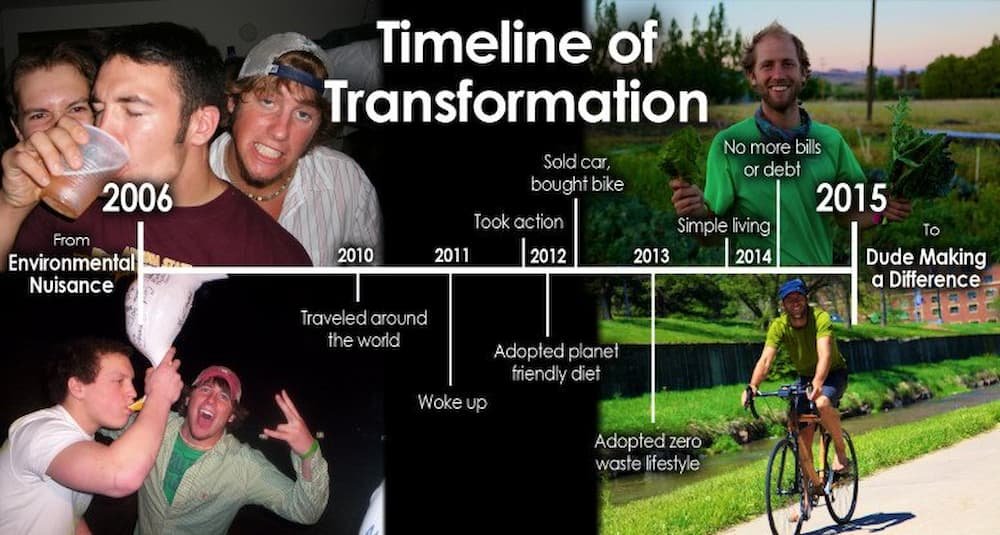
In the following five years, he sold his car and bought a bike, downgraded his possessions, got a vasectomy, bought a tiny house and started his new life.
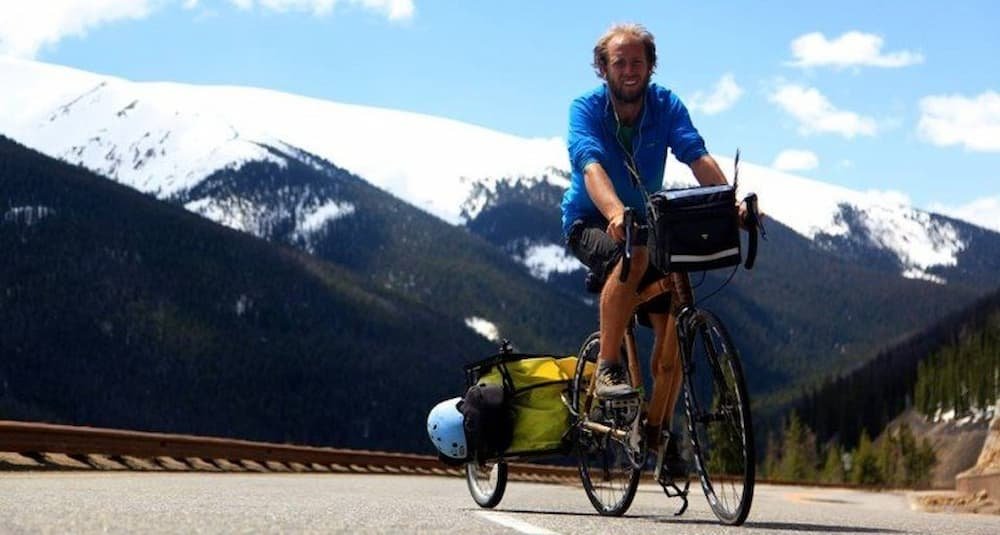
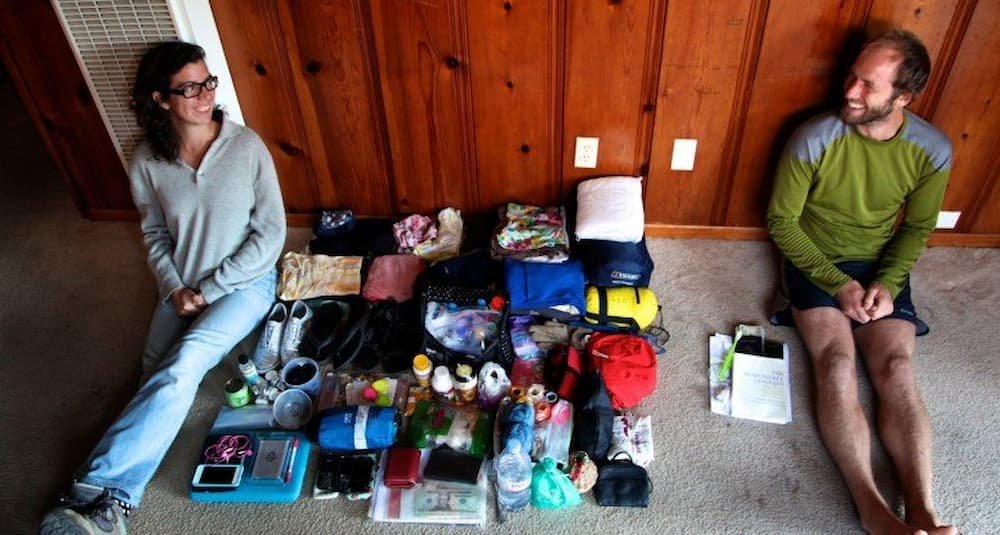
Rob has ridden 7,563 kilometers (4,700 miles) across America, often eating from supermarket dumpsters, in an effort to bring attention to the enormous waste of food in today's society. In 2011, he created The Greenfield Group, a marketing company with a sustainable initiative.
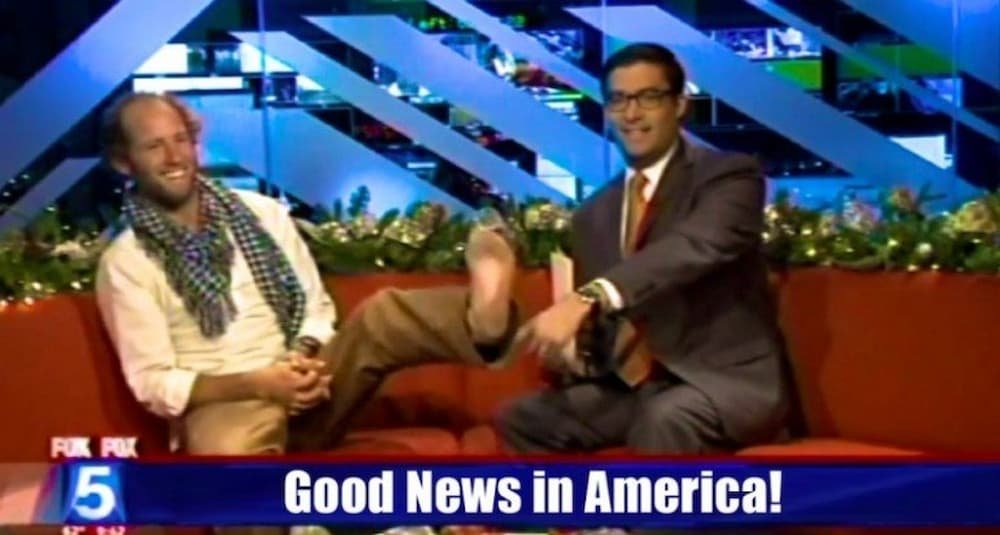
Since then, Rob has gone a year without showering and vowed to donate 90% of any money he makes to non-profits. His story has been covered by many of the major media outlets as he spreads his message of ‘doing good’.
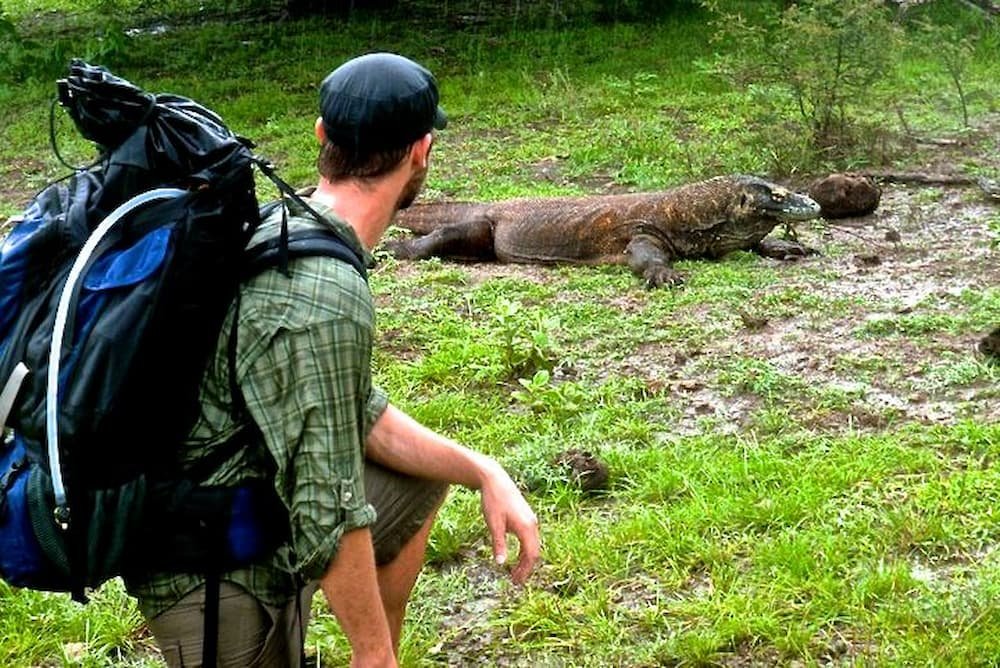
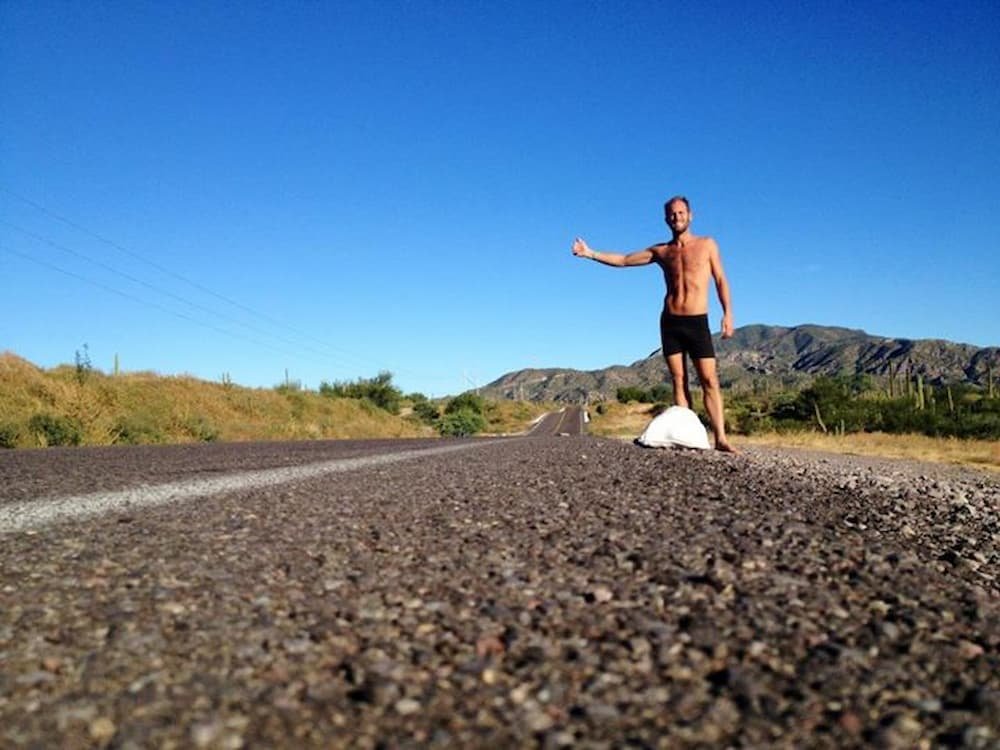
He is also an avid adventurer, setting challenges many would never dare. One of these ‘challenges’ involved flying to Panama City with just the clothes on his back and his passport. He managed to make his way back to his home by taking on odd jobs and through the generosity of the people he met along the way. All this, through countries that have a bad public reputation when it comes to traveler safety.
That’s exactly what he loves doing – education by breaking misconceptions.
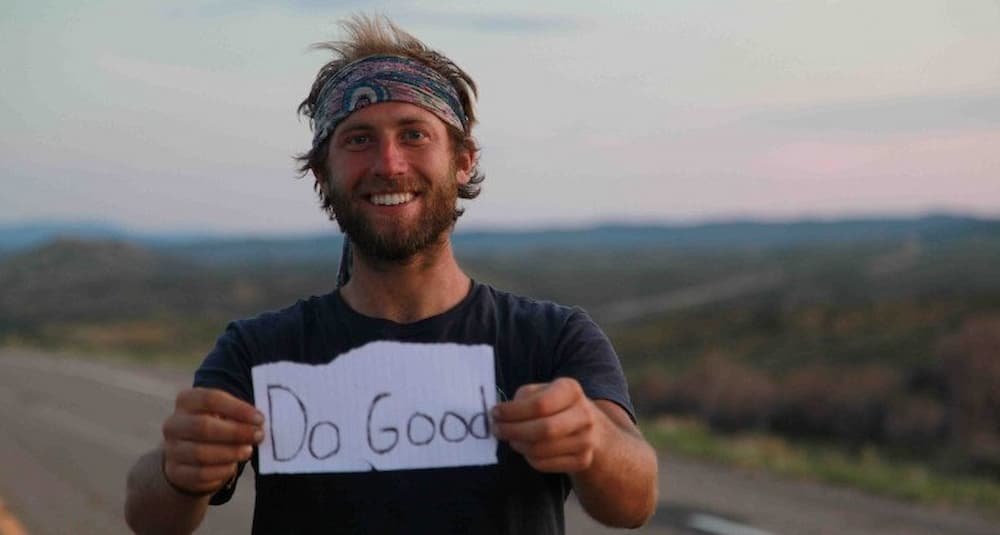
BT: Your driving passion to ‘do good’, how did that all get started?
Rob: In 2011 I started to watch a lot of documentaries and read some books and realized that things aren’t all going so swell on earth. I learned that so many of my little daily actions were causing destruction to the earth around me both near and far. I decided I didn’t want to do that anymore so I had to unravel my life and then put it back together in a way that aimed to be beneficial to the world rather than harmful.
BT: What’s the most rewarding thing about the way you are living your life? Is there anything you would change?
Rob: What I find beautiful about my life is that I no longer live a life of separation. I don’t have a different ‘me’ that I put on for business, for family, and for friends. I am myself no matter where I am and this is a huge relief. I have nothing to change in my life right now.
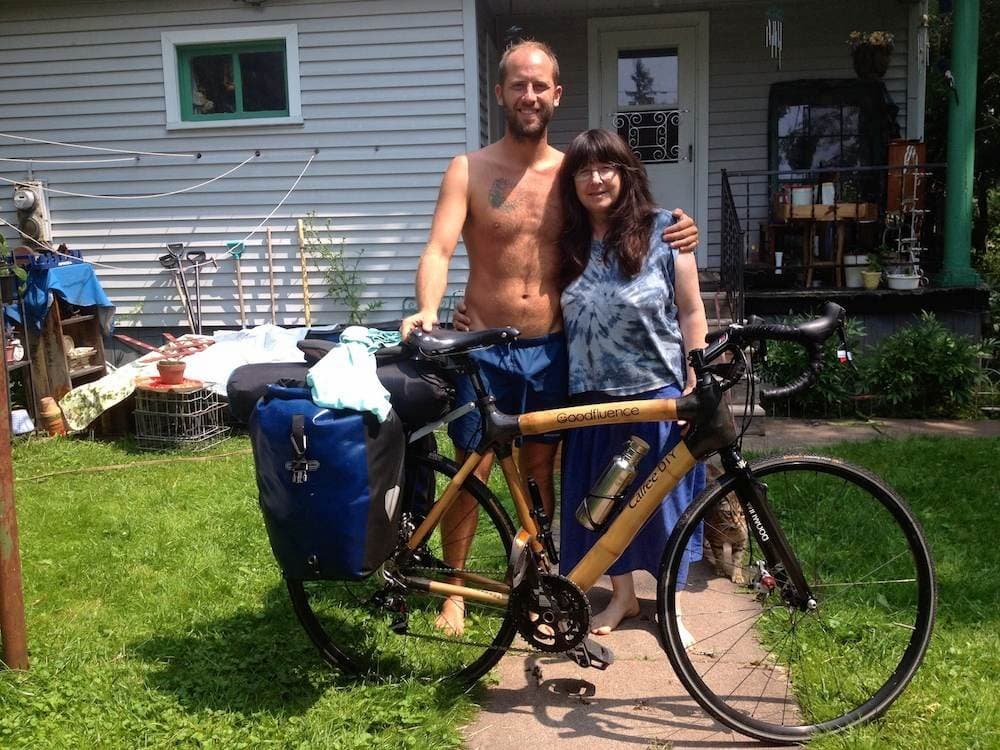
BT: Can you tell us a little more about the causes are you currently promoting or involved with?
Rob: I make sure that I don’t get stuck into just one cause because I want to always look at the greater picture of what is going on. My overall goal is to wake people up to how our lives impact other people, other species, and the earth as a whole. So I focus on all the things we deal with on a daily basis including food, water, energy, waste, and transportation. I do a lot to inspire people to ride bikes and drive less, grow food, eat a plant-based diet, and live a less wasteful life to give you a few examples.
BT: What habits can we as travelers change to be more environmentally conscious?
Rob: I just wrote a guide on my blog called: How to Reduce your Impact when Traveling. It’s a must-read for anyone with that question. My greatest (and most fun) suggestion would be to plan adventures that are designed to be more earth-friendly in the first place such as traveling from organic farm to organic farm, volunteering on environmental projects, cycling across your country, or going on a great hike!
BT: What does living off the grid mean to you?
Rob: The definition of off the grid is “not dependent on public utilities, especially the supply of electricity.” That’s me spot on right now. I harvest rainwater for all of my water needs and have solar panels to create my energy. I have no connection to the water or energy grid. Those are the fundamentals of being off the grid.
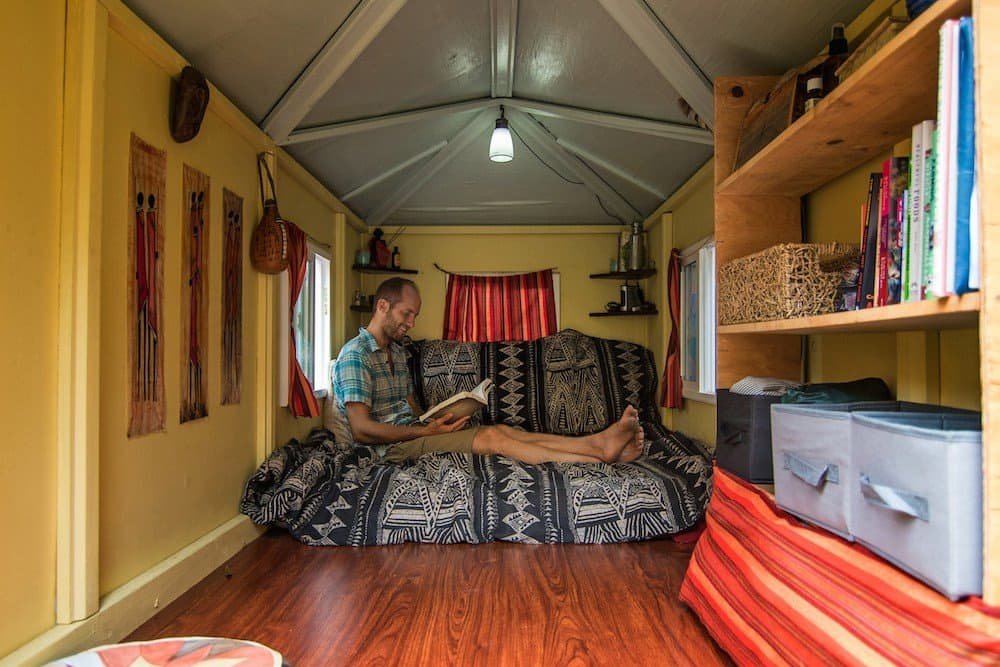
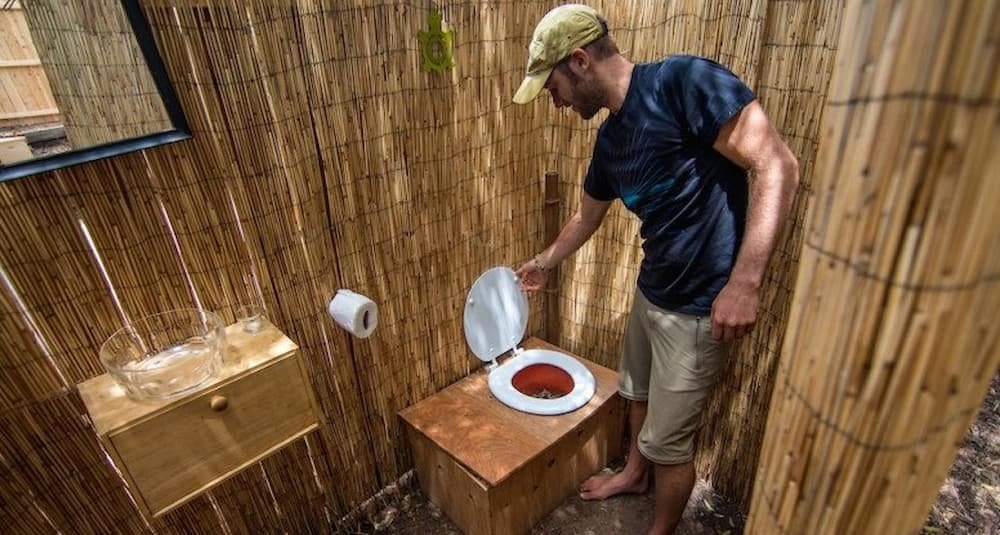
BT: Is it true that you haven’t showered for over two years?
Rob: Yes! Instead, I go for a swim in a natural body of water. The Pacific Ocean is cold right now so it’s a bit of a chore but it’s something I really enjoy. If I don’t go to a natural body of water I’ll use about a half-gallon of water from the sink. January 15th is my 1,000th day without a shower and I’m thinking about ending the streak. We’ll see though.
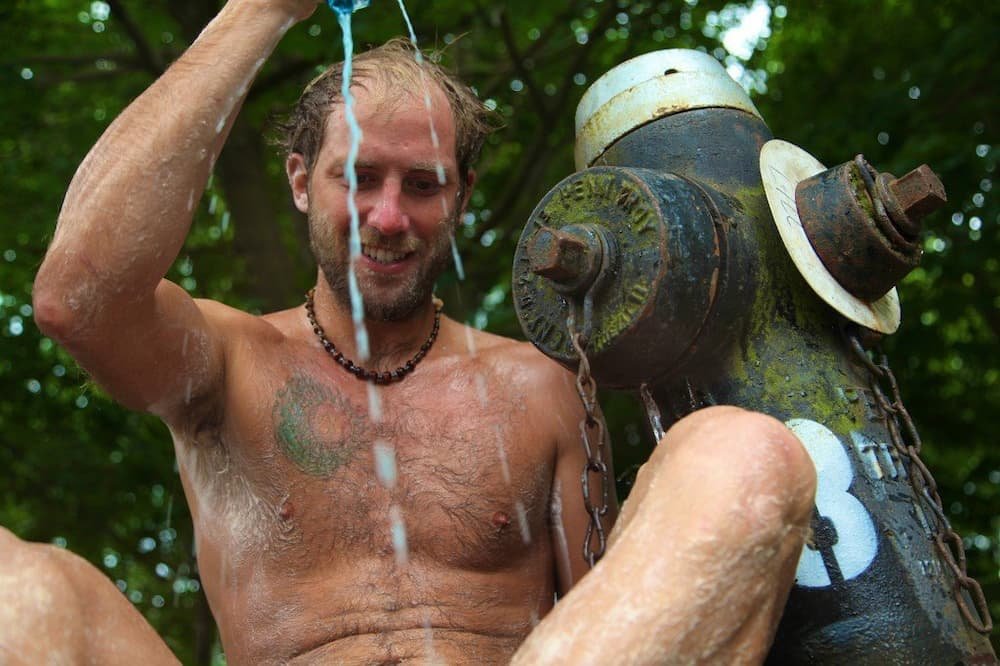
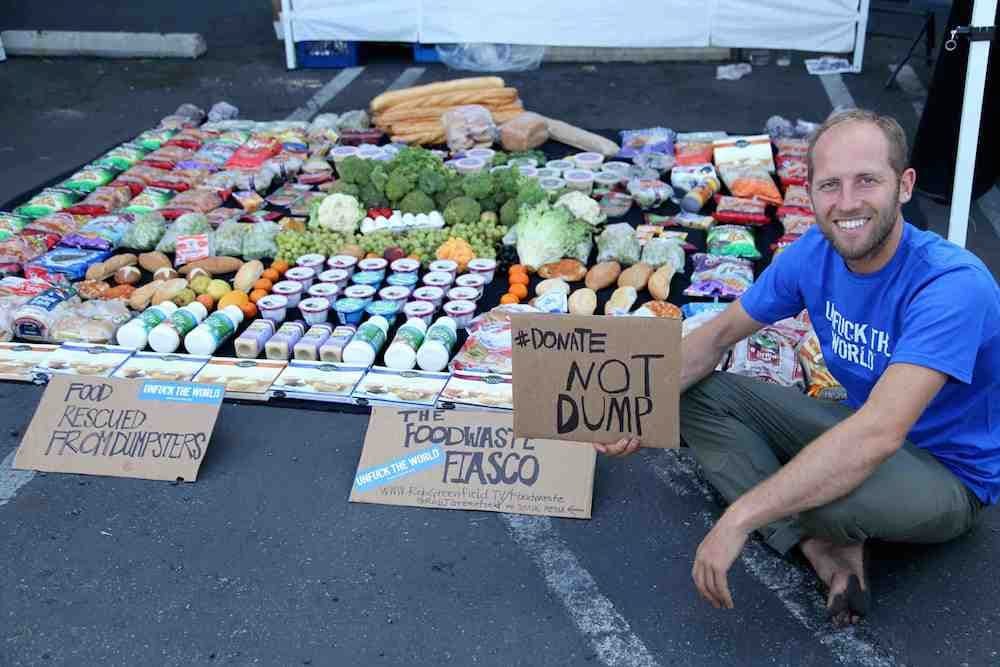
BT: You are an advocate of ‘dumpster diving’, can you tell us a little more about that?
Rob: Actually I’m primarily an advocate of not putting any food in the dumpsters in the first place. 1 in 7 Americans are food insecure while we waste enough food to feed another entire American population. Children are going to school hungry, too hungry to concentrate on studies, elders are at home with seriously rumbling stomachs, all while $165 Billion worth of food is wasted per year in my country. I dumpster dive to create visuals of how much food is wasted and encourage this food to be donated rather than dumped.
This video shows pretty well what I’m up to:
BT: It seems you live a pretty nomadic life. What effect has that had on your relationships?
Rob: I have no strain on any of my relationships. I am present with the people I am with while I’m with them and I have countless healthy relationships. I don’t get beef from anybody that I’m not around so everyone seems happy just to spend time together when they either visit me or I visit them.
I have a girlfriend and we recently spent 75 days on different continents. It was tough but well worth it.
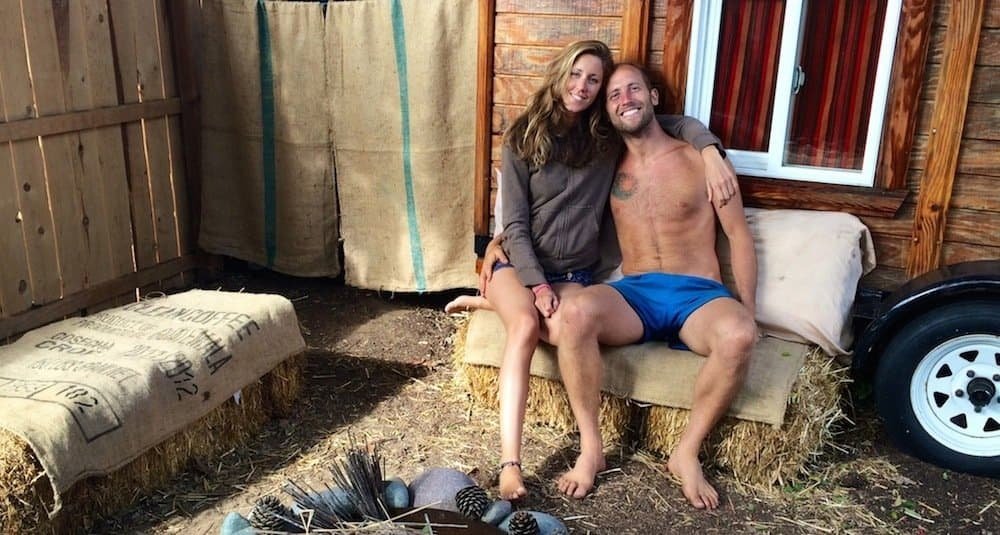
BT: Many of your major adventures have taken place throughout the United States yet you have traveled extensively around the world. Do you recommend people step outside their own country and if so, why?
Rob: I absolutely recommend that people travel outside their own country. I think most racism, sexism, religious segregation, and fears of other cultures stems from a sheltered life and not branching out beyond what a person knows. Traveling the world has the ability to shred that apart in a matter of months and turn someone into an accepting and compassionate being.
Traveling, in my opinion, is absolutely one of the best investments someone can make with their hard-earned money.
BT: Finally, many people are looking for ways to cut their costs when they travel. What tips can you give the readers for traveling on a tight budget?
Rob: Here are a few quick tips:
Read my full guide here: RobGreenfield.tv/travelfree
BT: Ok so you’ve cycled across America and visited six continents, what’s the next adventure in store for Rob Greenfield?
Rob: My girlfriend and I are going to be traveling Central America for 3 months and then the USA (and the world) indefinitely starting this spring. I plan to be in the service of others that I meet while expanding my own horizons as well.
Originally hailing from Chicago, Chris moved to Seoul in early 2008 as, you guessed it, an English teacher. Always keen on trying new things and experiencing the local culture he spent his downtime frequenting local festivals, steadily exploring more obscure destinations around South Korea.
In the five years of living in South Korea, he met the love of his life, got married, and authored numerous books for foreigners wishing to learn more about the country.

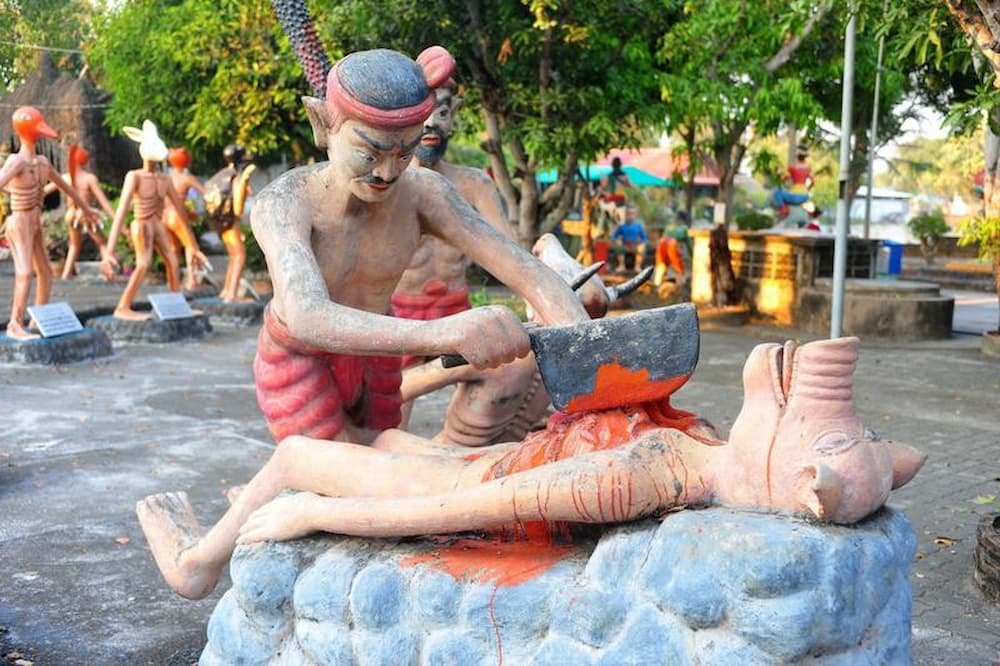
Attracted to the weird, wonderful, and outright bizarre attractions that the world has to offer, Chris created the website One Weird Globe. Right now the content is heavily focused on Asia, featuring things such as hell temples, museums dedicated to toilets, phallic shrines, and a whole lot more.
Today we had the chance to chat with Chris and find out a bit more about his nomadic lifestyle.


BT: First off, please tell us what drew you to living a nomadic lifestyle.
Chris: If you had told me in 2008 (when I moved to Korea to be a teacher) that I’d be living abroad as an expat/nomad, I’d have asked you for your supplier. After a few years of living in Korea, I began to see the world as my oyster. Everyone says that at college graduations and such, but few even get the passport necessary to rock it.
We move to a new city (and sometimes country every 3-6 months these days, after spending 5 years in Korea and 2 years in Thailand. Since we’re more likely to stay as tourists now (and less likely to jump through the hoops of a business/education visa unless it’s really the only way forward), that tends to limit the time we have.

BT: What training & qualifications (if any) did you need before working as an English teacher in Seoul?
Chris: At the time, you needed a Bachelor’s degree in any discipline, teaching experience was desirable but not required, you had to like kids, and you had to be willing to relocate to Korea. Things have tightened up a bit since then – there are a lot more native English teachers living in Korea now, so most schools don’t perceive as much a need to hire from abroad. If you’re looking, be prepared to show certifications – Koreans love those.

BT: Why did you decide to start writing? How did you get started?
Chris: My friends in the US were a bit surprised I was moving to Korea. More than a few people asked if they had internet ‘over there’. I said I’d keep a blog about the travel and adventures of living abroad. This was 2008, so not everyone was doing that yet. A couple of years in, I began to realize a lot of people were reading it – without promoting it I had several thousand hits a month, which grew to as much as 50,000 hits a month at one point.
BT: Are you making a living off your blog? If so, how long did it take before you started to see results?
Chris: 2016 will be the year it happens! There’s a ton of money-making strategies with blogs, and to be honest it was never a super-high priority considering the ways most of them worked. Either you’re making a bit of coin from sponsored posts (which risks getting your site penalized by Google) or banner ads (which people are blind to)… I haven’t nailed this one yet, but I’m going to.
BT: You now seek out ‘unusual experiences’, what’s the most unusual thing you’ve done?
Chris: In 2013, I re-branded from ‘Chris in South Korea’ and ‘Chris in Thailand’ after realizing I didn’t want to start a new website for every country I lived in. They got merged into ‘One Weird Globe’, and the focus shifted to the weird, the unusual, and the bizarre. The most bizarre place thus far? Probably some of the hell temples around Thailand (be aware some of these posts are not suitable for work). The umbilical cord shrine (suitable for work) gets an honorable mention as well.

BT: Now that you are married, what is the biggest difference in the way you travel?
Chris: No more strip clubs? LOL. There’s a natural adjustment you make whenever you begin traveling with someone on a steady basis. We started taking weekend-long trips while we were dating, realized our styles were a great fit, and for the most part wanted to go to the same sorts of places at around the same pace. This is important – if one of you wants to go hiking while the other would rather peruse an art museum, you’ll have to adjust to make both of those happen.
To be sure, one isn’t necessarily better than the other. I had a blast traveling while single, traveling while dating, and am having a blast traveling while married.

BT: How did you find living in South Korea as a foreigner? Were there any challenges that you experienced and if so, how did you overcome them?
Chris: South Korea is as first-world as anywhere else in the world. It’s super-easy to get around, you can learn the crazy-looking alphabet in a matter of hours, and there are tons to see and do.
That said, the hierarchical / Confucian structure puts you as a foreigner near the bottom of the totem pole. A lot of foreigners have issues with passive-aggressiveness coming from the locals, or seemingly innocent questions that mask more than a bit of ignorance (“Can you eat spicy foods? You can use chopsticks?”). The average English level is… lacking, making it difficult to have a lot of meaningful conversations with locals.
Most expats adjust by learning Korean or hanging out with expats / other native English speakers, and every expat I met in Korea that had been around for a while found a way to vent/blow off steam that didn’t jeopardize their job. Joining a band, taking pictures, writing… they’re all good ways to get your mind off that crazy kid in your class…

BT: You recently moved to South America, what is one thing you miss about living in Asia?
Chris: The bum zapper! It’s a culture shock moment for many Westerners when they enter a public bathroom and don’t see toilet paper inside. Just a water jet. They approach it… gingerly… and a surprising number begin preferring it. I’ve only seen it in Asia, but you end up feeling cleaner with less of a potential mess on your hands.

BT: How has living overseas changed your perception of the world?
Chris: You have to get outside the system to see it objectively. Whether that system is, say, American news, or the way in which locals treat foreigners, it’s far easier to see how things get twisted/distorted/biased. I’m far more open-minded about different ways of working, living, and adjusting to how things are.

Greg and Emma are a couple who live in Sydney, Australia. Greg was raised down under while Emma migrated from the United Kingdom. Drawn to travel and adventure at an early age they started working in the travel industry not long after leaving school.
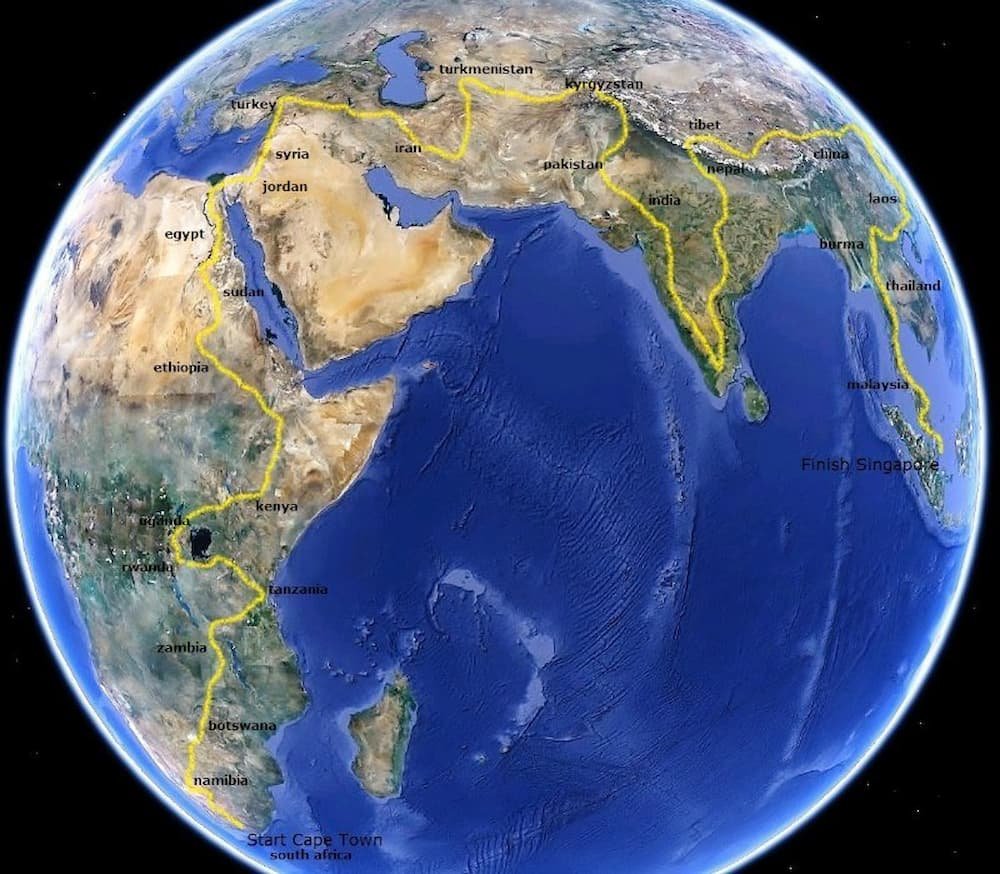
Their love for travel escalated and they found themselves always looking for bigger challenges and thrills. They are now enamored by overland travel and in 2009 traveled from Singapore to London without taking a single flight. Most recently they completed an even more epic trip from Cape Town to Singapore, also without a single flight.

They are inspired by Michael Palin’s travel documentaries along with films such as Indiana Jones and The Mummy. We are lucky enough to chat with them about their overland style of traveling and get some insight into how they travel.
You can read more about their amazing adventures on their blog One Long Peel.
BT: In 2009, you guys traveled overland from Singapore to London over a 14-month period. Then in 2013, you set off on a longer, 18-month overland trip from Cape Town to Singapore. What is the motivation to take on these monumental challenges?
Greg & Emma: Both of us have worked in the travel industry for many years and we had discussed for some time that we wanted to do a journey like this.
Growing up watching Michael Palin’s travel documentaries, and marveling in the remote destinations he visited was always an inspiration. You hear people talk about how difficult it is crossing through some of these lesser-traveled countries like Pakistan, and we wanted to challenge ourselves to see if it was possible to do it without taking a flight.
When my (Greg’s) long service leave came due, we started planning.
BT: How much of the trip did you book before leaving the comfort of home?
Greg & Emma: We arrived in Cape Town having booked the first four nights in a hostel and a bus ticket to Namibia. The only reason for booking the accommodation and bus ticket was to prove to customs that we had a place to stay and a departure ticket. Everything else was 100% booked on the fly.
This gave us total flexibility to change our itinerary at a moment’s notice should we love or loath a particular destination or if we met people along the way. The goal was to travel slowly, not to speed through places just to check them off the list.
We had some loose timeframes due to visas and needed to be in Pakistan by August. Our route was roughly plotted based on crossing borders and we needed to obtain the majority of our visas as we went.


BT: How did you go about budgeting and saving for this latest trip?
Greg & Emma: What we discovered after the first trip is that we could easily survive in these Asian countries on $50 AUD a day as a couple (averaged out). This was an all-in budget, including transport, accommodation, food, and activities. Africa turned out to be a little more expensive so we needed to factor that in.
In the two and a half years between trips, we were both working and tightened the budget considerably. To the point that we would consciously seek out our own bank’s ATM to save the $2 withdrawal fee.
Before leaving, we were able to rent out the apartment we own and live in as furnished. Luckily, this meant that we didn’t have storage fees and ended up with a small passive income to help with costs also.


BT: How do you go about choosing the places where you stayed?
Greg & Emma: We took a small tent and ended up camping a lot throughout Southern Africa. The price of booking through sites like Hostelworld was much higher online than we could fit into our budget. Often times we would pitch our tent in the yard of a guest house or hostel to save money. This still set us back around $10 – 20 a night in places.
Since our style of travel was very flexible, we mostly found cheap guest houses and hotels along the way once we arrived in a new town. Greg would wander around trying to negotiate a room while I stayed and minded the gear.
Look for the places the locals are staying, not the tourists. We regularly were able to find hotel rooms for cheaper than the touristy hostel. It can be time-consuming, wandering around trying to negotiate a price, but it was necessary for us to stick to our budget.
In Etosha, near Kilimanjaro, we saved a lot by staying in an Islamic hotel. Most travelers avoided it because they had a curfew and didn’t serve alcohol so we were able to get a room for half the price.


BT: How did you stick to the budget you set?
Greg & Emma: When you are traveling for a short period of time it might not seem that important to keep track of what you are spending but when you are traveling over many months, it is imperative to write down every dollar you spend.
Every night Emma would tally up the amounts that we had spent on food, transport, accommodation, and anything else. Then I would compare it to our daily budget to see if we were over or under.
There were days in transit that cost more, or we might go over budget by going on a safari. The basic premise was to make sure we were balancing the days we spent more, with days we spent less and doing this regularly so we always knew how we were tracking.

BT: What were the least expensive and most expensive countries you visited?
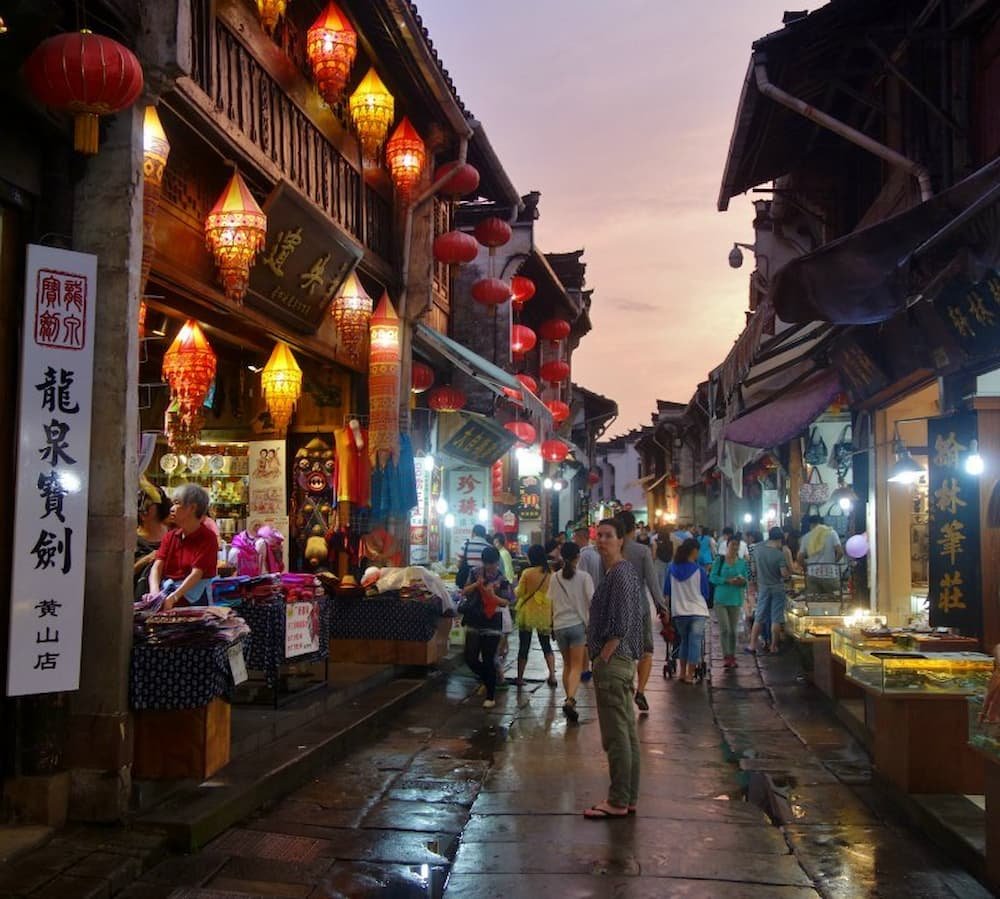
Greg & Emma: The least expensive country was definitely Pakistan. Here we were able to stay in a hotel for around $8 a night and meals were costing around 90c. Surprisingly, China and Tibet ended up being the most expensive.

BT: What did you learn about yourselves?
Greg & Emma: With each journey, we grow as human beings, and we learned to be even more patient and tolerant, especially when things are not going our way. It’s amazing to reflect on how much our attitudes have changed after these two trips. It brings a certain understanding and acceptance of how different, yet similar, we all are.

BT: Traveling as a couple, would three have been a crowd?
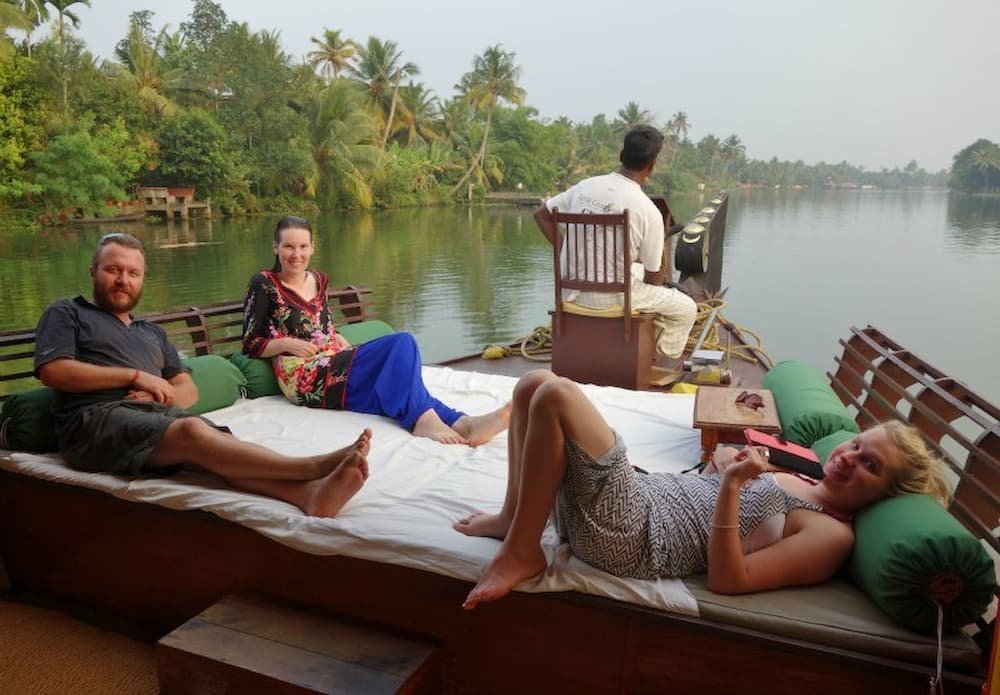
Greg & Emma: For us, not at all! In fact, we actually traveled with a guy we met on the road through Africa for three months and met up again in Nepal for another three months.
It was somewhat refreshing to hear about another person’s experiences and to share in their journey.

BT: How did you manage to organize your entry visas? Did you have any difficulties and which were the most difficult countries to enter?
Greg & Emma: It took a fair amount of research to plan out which countries required a visa, along with when and how to arrange them. Central Asia was the most difficult, particularly Iran, Turkmenistan, and Uzbekistan. In these places, we had to nominate a specific date of arrival and the window of opportunity was much more restrictive. Our Iranian visa needed to be picked up in Egypt and we had only 14 days to enter.
You need a permit to enter Tibet and your travel needs to be booked through a certified local agent too. The visa for Ethiopia was very difficult to obtain when you are crossing overland rather than flying into Addis Ababa.
We arrived at the border of Rwanda after 12 hours on a bus at 7 pm in the evening thinking that we could get a visa on arrival (as noted in Lonely Planet). This turned out to be false and it took some serious groveling before border patrol finally let us through.
BT: What were the main methods you used to keep in touch with friends and family back home, and people you met along the way?
Greg & Emma: Facebook is an excellent tool for keeping in touch with acquaintances that we have met throughout our travels. There is no pressure to write and you can somewhat follow each other’s journey in the background, and send a message here and there. We have kept in touch with a lot of people this way and reconnected, in person with a few people from our previous trip.
When we had a decent connection, we used Skype to call friends and family back home or to speak with officials when arranging visas.
Contrary to popular belief, the majority of the world now has the internet. Even the guy with a room for $8 a night had WiFi believe it or not.

BT: Did you ever feel scared? What adversities (if any) did you face?
Greg & Emma: Considering the public perception of the places we traveled through you would be led to think it was a frightening experience. To be honest, there were only a few scary situations.
Just prior to our arrival in Pakistan, 10 foreign climbers were killed by militants in the area we were to visit. Tensions were certainly high but we didn’t have any issues ourselves.
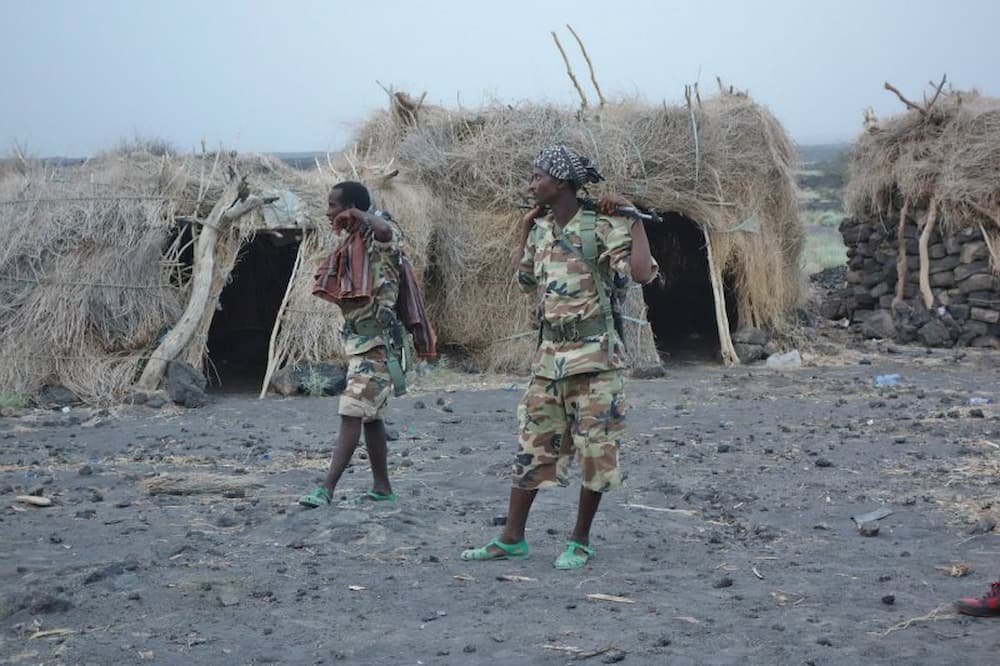
During our trip to the Danakil depression in Ethiopia, we had an armed escort, which was a little unnerving, yet somewhat comforting too.
Another time we felt a little fear was when we arrived at the railway station in Dar es Salaam at 2 am in the morning. We were advised by the local station manager not to go outside as there were ‘dangerous people’ while he made a choking motion with his hands.
As far as adversity goes, we faced a number of challenges throughout the trip. One specific event happened in Kampala, Uganda. I (Emma) managed to bash my big toe against a wall, breaking it. After a visit to Dr Dick (yes that’s really his name), I was stumbling through Kampala to get to our next local bus when I found myself alone, surrounded by men.
Distracted and in pain, I lose track of our backpack containing the laptop and other electronics in it. In that split second of confusion, the group had managed to take most of the contents, including the laptop. Not the best of situations, but certainly not the worst thing that could have happened.

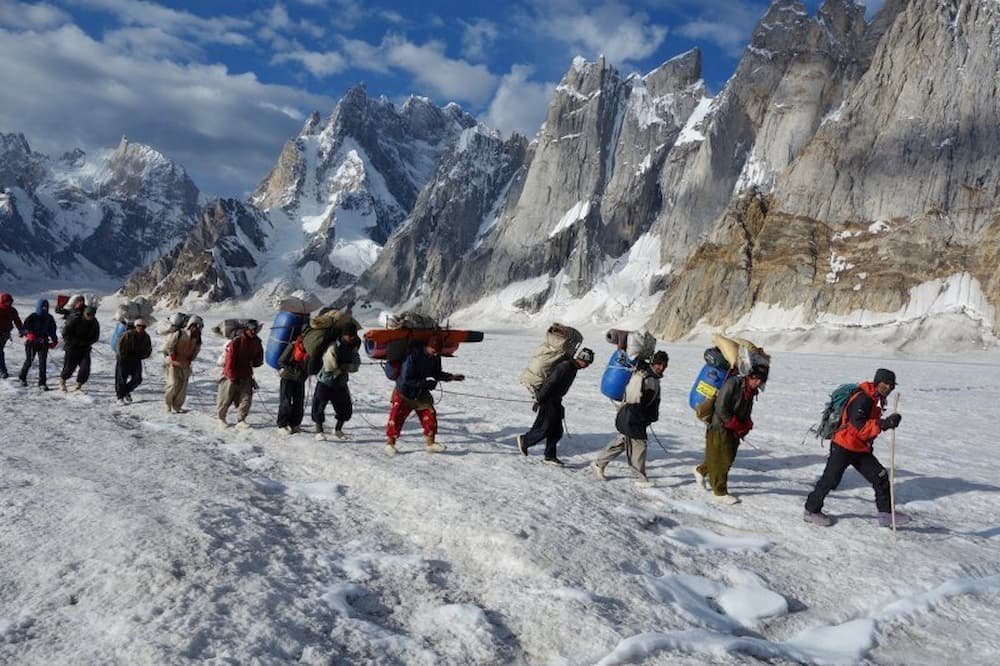
BT: What will you remember most from the trip?
Greg & Emma: By far it would have to be the people we met. The many smiling faces through all of Africa, the hospitality that strangers showed us. Regardless of what you see or read in the media, these people are some of the friendliest, most generous people in the world.
Most have very little, yet are willing to give so much. We have a lot to learn.


BT: Now that you have completed these two massive overland journeys, what’s next?
Greg & Emma: We can’t say for certain when, but we do intend on doing another trip, and it will most likely be another overland trip. The classic overland that we have been considering is from the tip of South America to the tip of Alaska.
For now, we are doing our best to get back to a normal routine. This type of long-term travel really changes you. You get used to a different pace of life and that’s something that is constantly in the back of our minds.
Imagine a life traveling the world, meeting amazing people, eating delicious foods, and documenting it for the world to see in these tantalizing recipes. Today, we meet Bohunka Kosova, who is living this dream life!
Bohunka is one of those people you meet who really seems to understand what life is all about. Her experiences far outweigh her material possessions and she will enthusiastically tell you a story or two from her travels over a home-cooked meal.
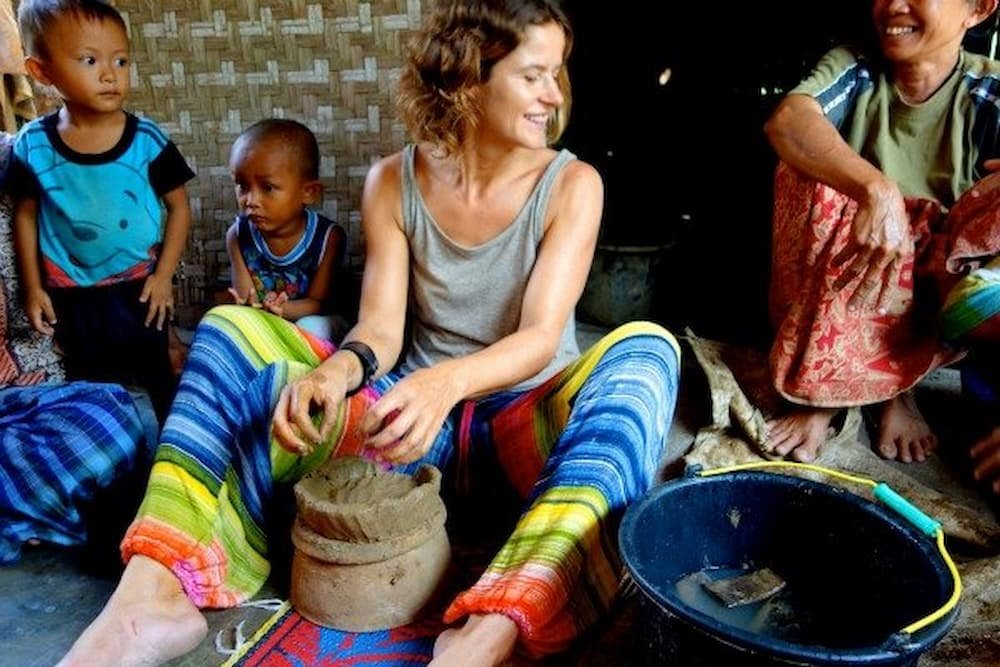
Originally from the Czech Republic, Bohunka travels solo, immersing herself in every facet of the local lifestyle in each destination.
She’s also a keen surfer and loves traveling to exotic surfing destinations. We’ve got to say that there are probably a million guys (and girls) out there who are envying her relaxed, healthy lifestyle right about now.
If you are into food and travel (who isn’t?), then you really need to check out Bohunka’s website Authentic World Food. There you will find a selection of tasty recipes from a host of countries among stories from her travels.
While you’re at it, take a peek at her YouTube channel where she films these dishes being prepared by the locals she meets.
BT: Are you a chef by profession?
Bohunka: Not at all, ha ha! I studied horticulture, then I took a marketing course, and my last job was a Brand Manager in a huge global company.
In fact, the closest I came to a job in cooking was when I was in Ireland about six years ago. I helped in the kitchen to fry burgers and chips in a surf cafe on the beach, but that’s it.
BT: Filming authentic cooking is quite far from your education and career then. How did you get to this kind of project?
Bohunka: When I worked for the corporation, I started surfing and it changed my life completely. I fell in love with the sport. Unfortunately, my country (the Czech Republic) doesn`t belong to surf empires; it is completely landlocked. So I had to travel to surf. But the five weeks a year I was officially allowed to go by my employer definitely were not enough for me. So I was thinking about what to do with my “career” to be more flexible, to be able to travel and surf more.
When I traveled to Sri Lanka for the first time, I stayed in a village house with two local women. Their curries and other Sri Lankan dishes were simply fantastic. One day, I sort of accidentally got into their kitchen…and it was stunning. I just stood with my mouth open for a few minutes. I fell in love with the kitchen instantly. The smell of the open fire and all the amazing ceramic bottles, filled from a well, standing neatly on the mud floor. There were no electric tools but there were loads of amazing kitchen instruments, and I had no idea what they were used for.
Then I got a chance to watch the ladies cooking. It was so interesting and I felt so grateful for this opportunity. This got me thinking that others would be interested too…and that’s how the Authentic World Food project was born.

BT: Do you film the videos on your own?
Bohunka: Yes, I do. It would be quite hard to find someone who would be willing to travel with me for a few months, film, and not get paid.
The short introduction to each video I usually film with a tripod. Sometimes I ask someone local standing by to shoot it for me. It is great fun for both of us!
Of course, the quality of the videos would be much better if it is filmed by more people or at least used more cameras. But then the locals would feel more pressure and will consider it a much more “serious” thing than it is and they wouldn’t behave naturally compared to when I film them on my own with a camera that actually looks nearly like a toy for them (Sony Cybershot RX 100).

BT: How do you meet the people you film?
Bohunka: I usually meet them by a pure chance. Sometimes I meet them when I am looking for accommodation and stay with them. Sometimes I just start talking to them while walking and exploring and get an invitation for a cup of tea or lunch. Sometimes I become friends with the chef in a traditional restaurant I go to for food.
Locals, especially in Southeast Asia, are very friendly and hospitable, so it is easy. I guess I would have a much harder job doing the same in Europe, ha ha. But maybe I am wrong. I will definitely try one day.

BT: What has been the most interesting food preparation you filmed so far?
Bohunka: Firstly in a village in Sri Lanka, as it was the first time I had filmed and it was the place that inspired me to start the project, so it is very nostalgic for me as well.
Then I will never forget spending time with gypsies in a desert in Rajasthan in India. Everything there was so cool! Not only the cooking but everything around was fantastic. The way the lady was dressed, the way she always pulled down her veil when a stranger entered the “house”, the way she tried to hide tobacco in her bra… It was a really cool experience.
Read more in the blog post.

BT: The places you film are not shining, immaculate, five-star restaurants. Have you ever gotten food poisoning?
Bohunka: Actually yes, but honestly I expected it much earlier (eight months into my trip), as I didn’t shy away from trying different dishes because of my project and as I simply love traveling to places and eating authentic food. I got sick during a 48-hour-long train trip. Luckily I didn’t take a bus, ha ha!
Unfortunately due to my food poisoning, I had no energy at all, even when the symptoms were gone. In about 10 days I went to the hospital and they didn’t find anything wrong. So I thought the lack of energy meant I was traveling too long so that’s why I was not enjoying my travels as much anymore. I even didn’t enjoy surfing at all, so I went back home.
Only later I found out I had parasites, which covered the walls of my lower intestines and didn’t allow me to absorb fats and nutrition. I lost six kilograms. I was fighting the parasites for more than three months.
But I am okay now, fit again, and ready for new adventures. (Read more about the “parasite anabasis” in the blog post).

BT: How do you find traveling solo?
Bohunka: I love it. Especially for surfer girls, it is very easy and fun. Firstly as surfers very often travel on their own, they are very open and friendly. So if I paddle out to the line-up on the first day, I say to everyone, “Hi, how are you? Where are you from?” …And the same day I am going to a party with them in the evening. So I am never alone. On the other hand, for my project, it is good to be on my own, as locals are much more open when seeing someone traveling solo.
BT: Have you experienced any tough situations?
Bohunka: Nearly not at all. I usually try to respect regular “safety rules”. I do not go outside at night on my own in risky places, I respect the local dress code, I try to book flight tickets so that I get to the new place in the daytime.
Only once, I was not careful enough about my stuff so I was robbed. It seemed like solo traveling females there were a target, as I spoke to a few other girls who had the same experience. As there were thousands of motorbikes on the streets, locals took the advantage of the chaos. Two people would ride past on a bike and simply pull down your handbag from your shoulders before disappearing in the crazy traffic. The unpleasant thing was that I had all my important stuff in the bag – passport included – and I was supposed to fly in about five hours to India. So I had to go to the Czech Republic instead, get a new passport, and only then I got back to my travels.
Otherwise, locals are usually very helpful. Especially when seeing a girl traveling solo. I’ve been approached a few times for sexual “offers”, but I have found a firm “NO, thank you” was always respected.
When I was sick from food poisoning, I was on a surf spot in the middle of nowhere in Borneo. I started to feel sicker again and then all of a sudden a surfer appeared there and guess what? He was a doctor and he had been traveling there the same length of time as me. So even in difficult times I was not on my own and had the best care. I am a lucky kid.

BT: You mentioned that surfing and traveling changed your life completely. How?
Bohunka: Yes, it “ruined” it completely, ha ha! But seriously, while I left my steady and well-paid job, I have taken complete responsibility for my life, and traveling and meeting loads of new, inspiring people has really broadened my horizons. If I write everything about how surfing and traveling have changed my life, it would take an entire article and it would be an extremely long one.
I think traveling is the best education ever. It is like a school where everything is very interesting, exciting and useful for your life. It’s also unlike any traditional school as travel actually even refutes lots of stuff we are taught.
When traveling, you realize that what we call “normal” is just an illusion of normality created by a certain society. As what is normal in my country may be the other way in another. The same thing can apply within a community, even a very small one.
For example, back home it is normal that we use a knife and a chopping board for chopping and we are standing while doing that. In a traditional Sri Lankan kitchen, they have a huge knife, they sit on the handle, with the edge facing up and chopping everything by pushing or sliding the food against it. Back home, we use tissues to blow our noses. In rural areas in India, it’s normal to use their bare hands. For me, it is normal for a man to have just one wife. But when I was in Indonesia, polygamy is commonplace. I asked a few of them where this idea came from. The answer from the Muslim men was that the prophet Muhammad wanted to make peace among a few states, so he married a girl from each of the states and the war was over. (I haven’t read the Koran yet, so I have no idea what it says – I’m just reproducing the explanation by a few Indonesians and Malays I talked to and this sounds like quite a nice idea).
When I started traveling and I saw different ways and behavior than I was used to from home, I thought that the people were strange. Then I started to search for reasons why people did this and many times I felt that there was more logic behind their ways than behind mine.
It is very useful to approach differences the same way in my country too. Before I judge someone, I try to find out why the person behaves this way. I think that I would not be able to absorb these differences had I been traveling with someone else, as I would be more preoccupied to contemplate this.
Traveling is amazing. Just go and explore. Go off the beaten track, immerse yourself in the cultural differences and do it always with the utmost respect.
And never forget, the best language is a smile. Smile always and it will open the door for you nearly everywhere. Even back home!

BT: Did you have to save up a lot of money for your trip?
Bohunka: It depends on how you view it. I didn`t want to save up for a long time, as I simply wanted to go as soon as possible. So I decided to travel low cost. I usually made it for 400-500 USD per month, scooter rental included. In Southeast Asia, it is not so hard to squeeze into a budget like this. One just avoids alcohol and that’s it.
The Malay part of Borneo was pretty expensive for me, so I had to be a bit more creative when trying to keep costs down. For example, a motorbike rental there was at least five times higher than in other countries. So I met a few locals and asked them if they wanted to rent me their bike. They did and I got it for three dollars a day. Or when I was looking for budget accommodation next to a surf spot, I talked to the local surfers and found amazing and cheap local places, which you definitely wouldn’t be able to find on the Internet.
BT: Finally, what do you have planned next?
Bohunka: I haven’t fixed my plans yet. I always try to combine countries with great food and the possibility to surf as well. I am currently deciding between Morocco and Mexico for winter.

What started as a three-month trip to South East Asia, turned into three years on the road, an incredible YouTube video with over 600k views and a successful Kickstarter campaign.
After graduating from NYU with a degree in film and television, Walter Chang got a job as an audio-visual technician at Columbia University. Four years later, he was feeling trapped and began to evaluate his life.
Having very limited travel experience, he decided to start saving in earnest for a three-month trip to South East Asia, a seemingly enormous journey compared to his longest trip till then, 10 days spent in Europe with friends.

Looking back, Walter never imagined that he would soon be setting off on a three-year, 60 country, adventure of a lifetime. Since returning home, he tore through hours and hours of footage to come up with this beautifully edited video below. The video exploded on social media, and after just one and a half months has been viewed more than 600k times on YouTube.
Using the viral effects of the video, Walter successfully launched (and funded) a Kickstarter campaign for the production of a hardcover book comprising his photography from the trip.
Big thanks to Walter for taking the time to chat with us. To find more about Walter’s trip or pre-order the book, go to his website wecallthishome.com. You can also connect with Walter here on Backpacker Travel.
Video Edited with Adobe Premiere and After Effects.
BT: To most people, three years on the road seems out-of-reach. How did you save up for the trip and did you need to work while you were away?
Walter: I really didn’t go into this trip expecting to be gone for so long. What started as a three-month getaway, soon turned into seven months and a lot of planning. To keep my costs down before leaving, I spent an entire year sleeping on friends’ couches. At one point, I was basically living out of the projector booth at my old job. This turned out to be the best preparation for traveling on a shoestring I could have hoped for and I was able to save enough to fund the entire trip.
During my travels I often stayed in budget hostels, couchsurfed, and used the cheapest transport methods to keep costs to a minimum.

BT: You studied film and tv at university so I’m wondering if you had a plan for a video in mind before setting off?
Walter: I definitely wanted to shoot a lot of videos and take plenty of photos throughout the trip. There was a rough plan for some of the types of shots that I wanted to get and for a basic storyline prior to leaving. I also got a lot of new ideas along the way from watching other people’s videos on Vimeo and YouTube.

BT: This entire experience must have been a massive step outside your comfort zone. How did you go making new friends and dealing with challenges?
Walter: I wouldn’t say that I’ve ever had a problem making new friends in the past. While on the road, I met a ton of travelers. They’re generally pretty easy-going people, so once you are comfortable approaching a stranger it’s not that hard to strike up a conversation.
I generally made friends at the places I stayed. Hostels are excellent for socializing and making new friends from all over the world. You will bump into people from so many different walks of life. I made sure to couchsurf regularly too. This kept the cost of accommodation to a minimum and gave me access to local people. I had already hosted some couchsurfers at home before leaving so it was nice to be on the other side of the world, feeling like I’m at home.
As for challenges, you don’t get to travel without going through your fair share of challenges. Just don’t let anything overwhelm you, keep calm and try to deal with every challenge rationally.
BT: In keeping with that theme, what were some of the biggest challenges that you were faced with over the three years?
Walter: There are two incidents that come to mind. In Namibia, I decided to do some exploring and hired a compact car for a little more flexibility. While driving one day, I felt the rear of the car start to drift. Before I knew it, the car was inverted, rolling end over end, it all seemed to happen in slow motion.
Luckily for me, my side of the car suffered minimal damage and I escaped with only minor injuries. Had I been sitting on the other side of the car, it could have been a very different outcome.
Once the shock subsided, I was ready to call it quits and go home. Thankfully, the lady at the rental car company swiftly organized a replacement car so I continued on my journey.
The second challenging incident happened at a bus stop in Chile. After a 23-hour journey, I was waiting for my next bus when a group of men approached me and started talking in Spanish. Not knowing Spanish, I was struggling to communicate with them.
Little did I know that this was all a distraction from what was really going on. After they left, I looked down and noticed that my main pack was missing. They scored the jackpot, as this pack had my cameras, tripod, laptop, tablet, passport, money, and a bunch of other stuff. The most disheartening of all was the two external hard drives containing two months' worth of footage.
Lesson learned – backup your footage online as often as possible, keep important documents with you at all times and try not to get too distracted when people act overly interested in you.
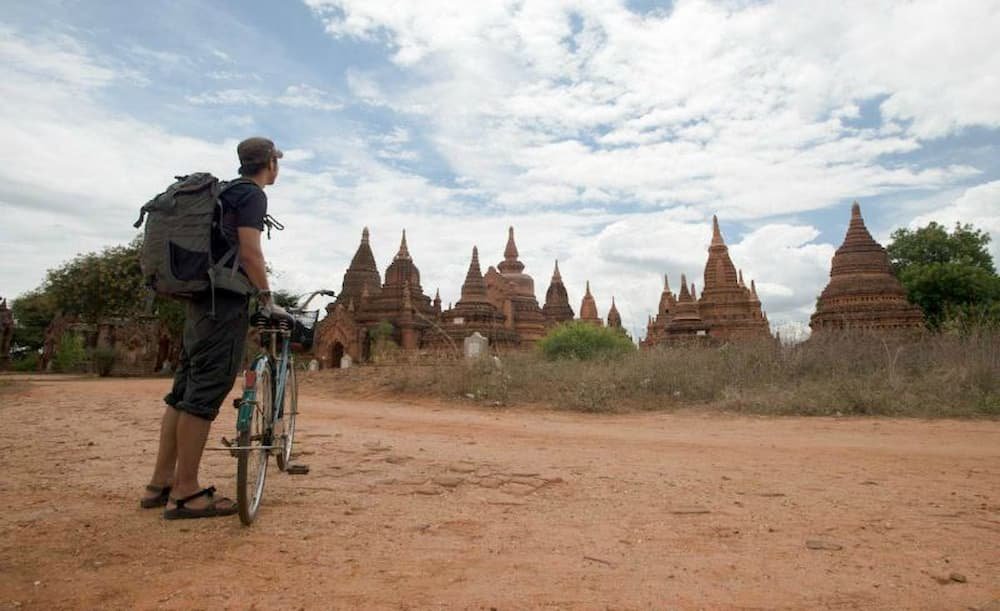
BT: You recently ran a Kickstarter campaign to fund a photography book. The initial goal was a lofty $12,000 and by the completion, you managed to raise nearly three times that …..over $30,000! How did you get so much support?
Walter: Since coming back home in March I have yet to start another full-time job. This gave me the time to work on editing the video which was the biggest tool in getting the word out about the Kickstarter campaign. My friends and family were a huge help as it is very important to keep the momentum when running a crowdfunding campaign.
BT: Finally, do you have any advice for people who are reading this, thinking about traveling the world?
Walter: My biggest suggestion is to be flexible. While planning is important, you will miss out on some amazing impromptu experiences if you over-plan.
The people you meet along your journey are valuable resources. Don’t be surprised to find yourself invited to a local wedding or festival. Imagine how bummed you would be if you had already planned too far in advance and missed out on an opportunity like that.


1. Benin
2. Burkina Faso
3. Cote d’Ivoire
4. Egypt
5. Ethiopia
6. Ghana
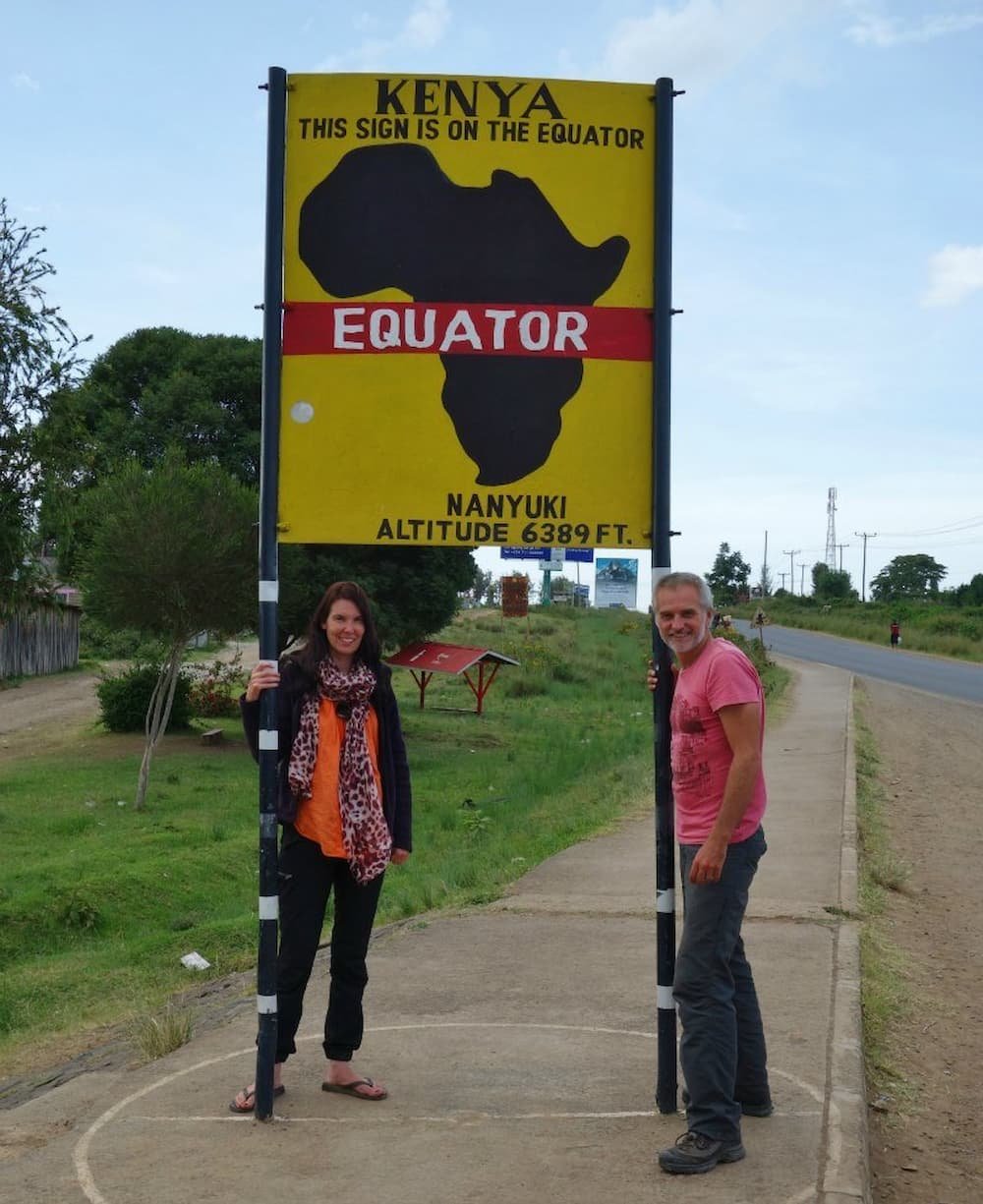
7. Kenya
8. Lesotho
9. Mozambique
10. Namibia
11. Rwanda
12. South Africa
13. Tanzania
14. Uganda
15. Zimbabwe
16. China
17. Cambodia
18. Nepal
19. India
20. Indonesia
21. Israel
22. Japan
23. Jordan
24. Kyrgyzstan
25. Malaysia
26. Myanmar
27. North Korea
28. Philippines
29. Russia
30. Singapore
31. South Korea
32. Taiwan
33. Tajikistan
34. Thailand
35. Turkey
36. Ukraine
37. United Arab Emirates
38. Uzbekistan
39. Vietnam
40. Belarus
41. Belgium
42. Croatia
43. Germany
44. Greece
45. Netherlands
46. Switzerland
47. Australia
48. New Zealand
49. Palau
50. Cuba
51. Mexico
52. United States
53. Argentina
54. Bolivia
55. Brazil
56. Colombia
57. Chile
58. Ecuadaor
59. Peru
60. Venzuela
Rahela Jagric is an international filmmaker, with her passion for stereoscopic filmmaking leading her to work in cities including Auckland, Berlin, London, and New York. Over the course of her award-winning film career, she has been selected to attend the Kyoto Filmmakers Lab in Japan, received a fellowship from the reputable German Filmmaking program Nipkow, and attended the reputable Russian Drama Theatre in Lithuania.
Most recently, Rahela was selected as an artist-in-residence for The Ingmar Bergman Estate on Fårö Island in Sweden, where she completed the screenplay for her next short film.

Rahela’s unique combination of craft and creativity has allowed her to develop skills in every major facet of production, including working as a script supervisor and assistant director on feature films, TV dramas, and commercials.
While Rahela is currently based in Slovenia, thanks to her strong and irresistible impulse to travel, she is always looking to join exciting and challenging international projects.
Below we feature one of her amazing videos from her time spent in Chile. Enjoy!
BT: Filmmaking is an obvious passion of yours, when did you first know that you wanted to create movies?
Rahela: I’ve been involved in filmmaking since as long as I can remember. My father is a cameraman, mostly working on documentary films and image videos, so filmmaking has always been very natural for me. Being around him helped me develop my skills, which I later applied on my own projects. I also studied film directing, which has deepened my passion for filmmaking.
My second passion is traveling. When I see something impressive, I just feel the urge to film and share the moment with everyone who cannot be with me in that specific moment. I just wish I could make a living by combining these two passions of mine.
BT: Are you always behind a camera when you travel or do you sometimes take time away from the lens?
Rahela: When traveling, my priority is to explore and find a connection with the people and places. So filming is just another way of approaching the journey. There are always some spontaneous moments that happen along the way, so I always carry a camera with me. You never know when something unexpected can happen in front of your eyes. I want to catch these moments in order to share them with others in the hope I can inspire them to travel as well.
BT: Of the places you have traveled to, which has been the most interesting to film and why?
Rahela: I’d say Chile because it has such a diverse landscape; from glaciers and volcanos to the desert, not to mention amazing food, wine, and my favorite pisco sour drink!
The people are so proud of their country and it shows on their faces. Everything is so colorful! The streets, the clothing, the buildings, and the culture are all vibrant and full of life and all that combined makes it even more interesting to film.
BT: Apart from your camera, what’s the most important item in your daypack?
Rahela: Food of course:) We have a saying in Slovenia that an empty potato sack can’t stand in an upright position.
BT: We have compiled a guide on How to Create Compelling Videos, do you have any tips you can add to this?
Rahela: Take your camera with you everywhere you go, because many times the best moments happen unexpectedly. Don’t forget to take a hard drive with you, so you’re not limited by the amount of footage you take. The magic happens in editing and you’ll be happy to see the amount of footage you took.
Natural voices are always a great addition to your video and should be recorded at the location rather than in post-production. Finally, use music that will increase the emotional impact of your video.
BT: Video is starting to surpass photos as the new medium when traveling. What advice would you give to someone looking to create travel videos?
Rahela: Firstly, know what you’re camera is capable of. Then observe, explore, and be brave in approaching your theme. You don’t need to have a complete script before the shoot but try to have at least a slight idea about the story you want to tell with your video.
Have fun while shooting and traveling, as this will always show in the video. Try to be innovative in your style, either while shooting or later on in post-production.
BT: Finally, where are you off to next?
Rahela: We will start where we left off the last time – in South America. Starting in Bolivia, then Peru, Ecuador, and finishing in Galapagos. I really want to see the giant tortoises and film them. Aren’t they the most adorable and photogenic creatures?
Big thanks to Rahela for taking the time to chat with us today. You can find more of her projects on her website www.rahelajagric.si
I discovered Kien Lam the same way as most of you would have recently after seeing a post on Facebook simply titled “Time is Nothing – Around the World Time Lapse”. Being an avid traveler and having a fascination.
Being an avid traveler and having a fascination with time-lapse movies I clicked on the link not knowing what was to come of it.

When the video started I so was captivated by the combination of beautifully captured images and delicate musical accompaniment that I was mesmerized and totally fixated on the screen. Having traveled around the world myself, it brought back many memories of my own adventures and drew me in further and further emotionally.
When the video was over I played it again, then one more time, just to feel that magic of ‘wanderlust’. I then had a quick search around to try and find out more about the creator Kien Lam.
A couple of days later I decided to send an email to Kien asking for a brief interview about his adventure. I didn’t expect a reply as by now the video had gone viral with nearly a million views and coverage across most major media. I was very surprised when I received an email back the very same day accepting my invitation.
Before we get started here is some important information regarding Kien’s trip and the movie.
17 Countries. 343 Days. 6237 Photographs. One incredible journey.
Now if you haven’t already watched the movie I would suggest that you do so now before reading the interview below.
BT: So what made you decide to take a year off and go traveling?
Kien: I wanted to travel for more than 2 weeks at a time. Whenever I used to visit a country and meet other travelers, I was always envious that they had 2 months or 6 months, or a year to travel. My entire “vacation” or “travels” was just one of a long list of places they were visiting on one trip. I felt like I wanted to do it now, rather than put it off for later.
BT: How did you pick the places that you wanted to visit?
Kien: That was hard. I wanted to start in London to see some friends and then follow the sun and warm weather. 2010 was a particularly cold year in San Francisco and I just wanted to go where it was warm. I had places I wanted to visit and made my decisions from country to country as I arrived.
BT: What got you into photography and have you had any training? If so, what?
Kien: I took an introductory photography course my freshman year in college and joined my college newspaper after that. Having access to professional equipment and shooting real events taught me a lot about photography. The rest I learned on my own through shooting and a lot of trial and error.
BT: When did you decide on doing the time lapse and what gave you the inspiration to make the video?
Kien: I had the idea for this project right before I left while trying to come up with a way to capture this amazing adventure I was soon to embark on. I wanted it to show what I saw when I had traveled before: the people, the traffic, the energy, and even just the pace of the place. More importantly, I wanted to put it together in a way I could share with my family and friends in a few minutes rather than having to show them thousands of pictures that would no doubt bore them after the 15th photograph.
I was inspired by other time lapse videos I had seen and Matt Harding’s dancing videos. That video introduced me to so many new places and definitely inspired me to continue to travel. I wanted to be able to do the same if somehow the video was able to reach many people.
BT: How much time did you spend on average at each location making the time lapse?
Kien: I spent as little as 3 minutes and as long as an hour shooting. Most of the time, I spent about 3-10 minutes shooting each scene. I shot whenever I saw something beautiful that had movement.
BT: Were there any situations where you did a whole time lapse and then didn’t use it?
Kien: Definitely. I shot at least 150 scenes. Some of it didn’t make it to the final cut because it was either similar to another scene shot at the same location, or I overestimated the amount of movement there would be during the elapsed time.
BT: How difficult was it to edit the raw images and create the final movie? How long did that take and how did you coordinate it with the music?
Kien: It took me quite a while to organize, select, and edit just the photographs. After that, I spent time learning how to work with video editing software to sequence each set of images and play with the speed.
My brother and I worked on the music after I finished a general cut of the video. We tried many different compositions and experimented with different combinations of scenes to get something that would fit with the scene changes. When we had a nearly finished song, I synced everything to the beats and we made the final adjustments from there.
BT: After you watched the final cut of the movie did you think it would be as much of a success as it is now?
Kien: I was very happy with the final cut and hoped that people would find it compelling enough to an entire 5-minute video and like it enough to share it with others. I am absolutely amazed at the success of the video and the global media attention it has received.
BT: And finally, how does it make you feel knowing this movie has viral and inspiring others to travel?
Kien: It’s awesome. I’ve been getting so many emails from people telling me their stories, asking for advice, and simply writing to tell me that they loved my video and it was inspiring to watch. I try my best to answer every person's message or at least refer them to my Travel FAQ on my site where I’ve answered some popular questions about the trip.
I would like to personally thank Kien for taking time out of his day to answer my questions and can’t wait for his next installment.
How did Kien’s movie make you feel about travel?
They say a picture is worth a thousand words and that definitely rings true with our guest today – Azim Zainudin.
Azim is a 26-year-old Malaysian with a formal background in the oil and gas business who turned his photography hobby into his career. Instead of living a routine life of 9 to 5, he has chosen to become a freelance portrait and travel photographer. Currently based in Kuala Lumpur, Azim Zainudin is available for any assignment both locally and internationally, specializing in travel photography and portraiture. Azim shoots both photos and videos whenever required and continues to generate wonderful images over the years. Even though he is still considered a newbie in this industry, his artworks have been featured in some prominent local and international publications.
You can check out more of his work at his website azimzainudin.com

BT: So what made you get into photography?
Azim: Back in 2003 when I was still pursuing my bachelor's degree, I was a biker. Traveling around the country on our motorbikes is one of the activities that were done a lot as bikers. It is in this activity that I began to appreciate more the scenery and beautiful faces in Malaysia. Malaysia is one unique country blessed with various lifestyles, green forests, and beautiful islands.
Throughout my student years, I used to borrow a compact camera from my friends. I made it a point to carry a camera or purchase a disposable one wherever I go out to capture these priceless moments. You never know what you are going to bump into during traveling.

BT: How is it that you came across Backpacker Travel?
Azim: I came across Backpacker Travel on Facebook. During leisure times, I constantly search more on travel sites and personal blogs of travelers. I did a search for “backpacker travel” and you came up first in the results.
BT: You have recently been bitten by the travel bug. When did you start traveling and where have you been so far?
Azim: Traveling has always been my interest since my motorbike days in 2003. But given that I was just a student back then, I could not afford to travel abroad. Therefore, during semester breaks, with a group of friends, we would usually travel just around the country, especially to the beautiful beaches and islands. Whenever life gets more “interesting” with its challenges, I will find my way to these islands just to relax for a day or two.
In 2007, after finishing my Industrial Training as part of my degree program, I decided to sell my bike and bought my first DSLR camera. It was a tough decision but I know it was for the greater good. Then, what was seems like a hobby turns into a passion. After graduating in 2008, I determined to hit the roads to gain more interesting travel and photography experiences. Since then, I fell in love with the thrills and excitement I get being far from home.
Southeast Asia has always been my favorite destination because I get to experience and learn more about cultures and lifestyles. And it is very affordable.
Every journey has taught me different things. I loved meeting new people, being friends, and getting to know their lifestyles. It will make me appreciate my life even more and more. I have been to Thailand, Australia, Cambodia, Vietnam, and the island paradise of Maldives. I hope I will finish traveling around South East Asia by end of this year. My next destination will be Indonesia, Laos, Singapore, the Philippines, and Myanmar for the next 4 months. Can’t wait!

BT: Has the experience of traveling changed the way you take photos?
Azim: Definitely, YES. I enjoy capturing portraits and lifestyles. Human is my main favorite subject. Taking good photos is one thing but getting to know them closer is another story, which always ensures better results in terms of photography. They are friendly, accommodating, and sometimes very colorful with their local traditional costume.
I try to put every single expression, emotion, and character of the subject that I click on so that every time people look at the picture they can feel what I feel at that very moment. I share this to inspire others to always remember the power of simple little things that we gained during traveling, and also to publicly retract old travel stories while the new one takes shape.
BT: If you could give our readers two tips on how to capture the best image what would they be?
Azim: For me, the best picture always tells a story. You need to have a subject. Always keep it simple and be creative. Explore different unique angles, techniques, and approaches. Doing some research and study about the place/event might help a lot to get the best picture, as you will know where and when is the best moment in time.
Be friendly; getting to know the locals will add drama to your picture. Finally, the most important things keep passionate about it and have fun all the time!
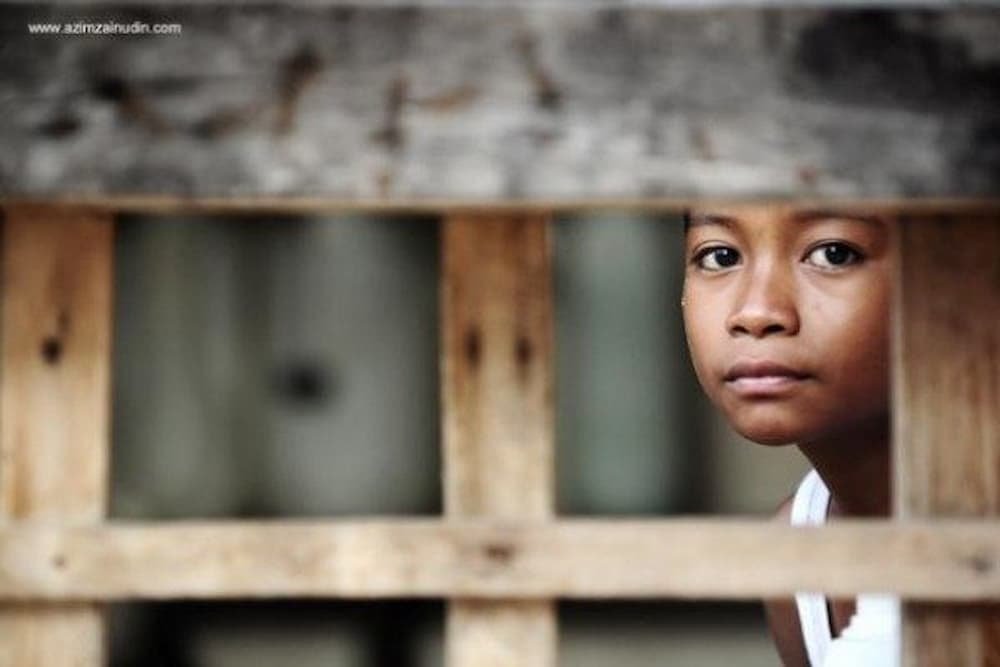
BT: What do you look for when trying to compose an interesting and unique scene?
Azim: Human behavior and lifestyle is my interest in photography, I will make sure there’s a subject and story in the picture. I’m not a big fan of landscapes but if I do take one I will always try to include a person in it. May it be a person doing work, walking, etc. The picture will turn out to be more interesting. I believe that is what travel photography is all about. In addition, when traveling I will try my best to capture unusual views, moments, and actions that we could not see every day in our routine life.
The culture and unique lifestyle of different people from different countries all over the world, I must say I love it so much. It is an amazing experience to observe and capture those beautiful things and I see it as a great privilege that I am able to share the beauty and diversity of the world I have seen with others. I hope what I have done now will inspire other people to go out, travel and see the world for themselves.
BT: Everyone always compares Digital SLR cameras with Point and Shoot type cameras. To the average person will they see a noticeable difference in their photos depending on the camera they use?
Azim: For me, it depends. This is because sometimes normal people from non-photography backgrounds do not have the ability to differentiate it.
But, today, most of the young generations are more “photo educated”. They even can identify the type of camera and lenses that has been used, although they are not photographers. I think it is called “the art of seeing”. It’s just my opinion.

BT: What type of camera are you using at the moment?
Azim: My gear is simple. I do not have an expensive full-frame body and lenses. Most of the time, I use 35mm or 50mm only. I just bought a new body which is Nikon D7000 which includes full HD video. Before this, I was using a Nikon D90. Occasionally I shoot videos for my personal collections. I’m a Nikonian. I feel more comfortable with Nikon.
BT: Let’s say I wanted to go traveling and I don’t have any gear yet. What camera and equipment can you recommend for the first-timer and how much should they look at spending?
Azim: I always get this question from my friends who love to travel but don’t take pictures and from those who want to start photography. It really depends on how serious you want to go, how much you are willing to spend etc. There are lots of factors to be considered. In my honest opinion for first-timers, a compact digital camera is good enough. It is cheap and easy to bring along anyway.
Learn the basics of photography and composition. But if you have the budget for a proper DSLR, there is no harm in getting one. When traveling, try not to bring a lot of equipment. I always travel light and do not carry all my camera and equipment together. Most of the time, a camera body, and two lenses are sufficient.

BT: Now my final question is a tough one but do your best….. What is your favorite photo that you have taken so far and why?
Azim – This is a tough one. Personally, I have lots of favorite photos. But I have this one photo to share; it is a portrait of the younger generation of sea gypsy people from Borneo, Malaysia which was taken last year. Through the picture, I can sense his feeling. The way he looks at me, giving such a sincere look. This photo also reminds me of a quote that has always been my favorite incessantly. “To a beautiful heart, everything appears beautiful”.
Recently we were lucky enough to interview fellow blogger Josh Summers whose site Far West China takes an in-depth look at the Xinjiang region of China. Josh spent almost four years living and working in the region and was nice enough to give us an insight into his time there.

BT: What made you decide to go to China? And out of all the places in China, why Xinjiang?
Josh: Who doesn’t want to go to China? Ok, so maybe I didn’t want to go at first, but now that I’ve been there I can’t imagine any other place I’d like to live. It’s just so different; so captivating; and it’s continually growing.
Xinjiang was an accident, but it was a good one. A friend told us he had contacts in Xinjiang that needed two teachers, so my wife and I answered the call. Again, not a place I ever would have purposefully picked, but I would never want to live anywhere else in China. Absolutely gorgeous.
BT: If a traveler was going to get the most out of a visit Xinjiang, what should they see, what should they eat and drink, and what should they experience?
Josh: To get the most out of any place you visit I suggest living there for a while. Of course, this isn’t always possible, I know! To get the most out of Xinjiang I suggest getting out of Urumqi, the capital. Go to the southern part of Xinjiang and experience the Uyghur culture, food, and music.
Visit Turpan during the grape season. See the call to worship during Ramadan in Kashgar. Smell all the animals at the livestock market in Hotan. These experiences are worth more than any souvenir.

BT: In the roughly four years you and your wife lived in Xinjiang, what was your fondest memory?
Josh: My fondest memory was traveling to a remote village on the Xinjiang/Kazakhstan border to attend a wedding. We were some of the first foreigners to ever step foot in this village and the police didn’t quite know what to do with us! There were no hotels so they had to let us stay at our host’s house. We had to sleep in separate rooms which were heated by old coal furnaces.
We were walked around the entire village to meet almost every person, all of whom seemed to be related in some way. It was a special time, especially since we got to attend our friends’ wedding.
BT: Xinjiang is attracting more development with the rich oil resources found in the area, and is also home to the greatest population of Uyghur people. In your opinion, what challenges does the area face, and how can the area attract more tourists?
Josh: The challenges are obvious: social tension is the single greatest reason for concern in Xinjiang. A lot of the distrust between the Uyghur and Han people is misplaced if you ask me, but it’s hard to convince people of that. It’s also hard to convince tourist that they are perfectly safe coming to Xinjiang. Nobody foreigner has been hurt, even during the riots.
I think the best way attract these tourist – both Chinese and foreign – is to hear the stories of those who have lived and traveled there. That’s one of the main reasons I write about Xinjiang and encourage others who travel there to publish reports of their journey.
BT: What’s the most popular post on your site? Why do you think that is?
Josh: The most popular post so far has been about the demolition of Kashgar’s Old City. I believe it offers readers one of the few balanced views of a situation that usually attracts very polarizing opinions. It’s an interesting story that still continues today.
Equally popular was last year’s post on the internet in Xinjiang after the 2009 riots. It was amazing to me just how little people knew about the situation outside of the province. This article was one of the few pieces of information that managed to get beyond the internet block and quite a few blogs around the world picked up on it.
BT: You’ve taken a lot of cool ‘photos of the week’ from your time in China, what are your favorite five photos, and why do you like them so much?
Josh: There are so many pictures it’s hard to pick! I know for sure my favorite – City in a Desert – which was taken about 1 mile from my apartment in Xinjiang. This was a favorite picnic spot for my wife and I and it will always be a good memory.
As for four others I’ll just have to pick out of a hat: I like the Sexy Men photo for its humor, the picture of Kanas Lake for its beauty, the pictures of Hong Shan Park for its history, and the picture of the Urumqi skyline for accomplishing the impossible task of making the capital look appealing.
BT: What’s the funniest “cultural misunderstanding” you had when you lived and taught in China?
Josh: There are far too many of these “cultural misunderstandings” as you call it. I prefer to think of them as “embarrassing moments I’d like to forget”, but whatever!
The most memorable moment was on the aforementioned trip to the small village. One of the “uncles” of our friend – who was severely drunk – decided to make it his mission in life to get me to drink baijiu, a terrible alcoholic drink known by some as “jet fuel”. His drunken state and my inexperience made for an hour-long battle of wills. I didn’t quite understand the implications of refusing to drink with him and nobody explained to me the best way to say “no” to Chinese people. It all ended with me faking a drink and running gracefully exiting. Fortunately he was too drunk to remember a thing the next morning.

BT: Lastly, is it true that eating rabbit meat with celery will make you bald?
Josh: Well that depends, is it fresh rabbit meat?
All kidding aside, the health notice you’re referring to was taken very seriously by my Chinese colleagues. I thought it was funny. I mean really, who thinks to eat rabbit meat and celery together?
