When you hear the name of a city or a country, the first thing you’ll probably visualize is its landmarks. These landmarks are not only well-known attractions that are associated with a particular place – but they also help give that location its identity. In today’s quiz, test your memory and ability to recognize each landmark and identify where it is in the world. Good luck!

This week we’ve had the chance to interview Norbert Figueroa of GloboTreks.com. Norbert is a travel lover who offers solid backpacking tips and advice, chronicles his current and past trips, and is saving up for an around the world trip sometime next year.
BT: Firstly Norbert, congratulations on 100 posts and 6 months of GloboTreks.com! What has been the best thing and the worst thing about travel blogging, and where do you see GloboTreks.com in another 6 months' time?
Norbert: Thanks! The best thing has been the ability to connect with other like-minded people that are looking to experience this world through travel and who are looking to grow by opening themselves to other cultures. I strongly believe in this. The worst, well, I won’t call it the worst but instead it was the most challenging. It was learning in such a short time all the technicalities that blogging requires. I came into this knowing nothing about how blogs work, so I challenged myself to learn all the ins and outs and all the important details that would help me build this blog from the ground up.
I see GloboTreks expanding its audience and still delivering the same high-quality budget traveler-oriented content. Would love to have GloboTreks work more like a community where posts serve as platforms for two-way communication. I’m glad the site is starting to deliver that.
BT: You’ve done a fair bit of traveling in the past from Thailand to Germany to Peru, what’s been your favorite country so far, and what made it special for you?
Norbert: Wow, this one is a hard one. I still can’t make up my mind on this one, but I’m debating between Thailand and Peru. Thailand was my dream destination I always wanted to go, but Peru, on the other hand, managed to deliver ten times more than what I was expecting. They both blew me away. Even though they are both completely different, their culture, lifestyle, history, and friendliness made them feel special. They made me feel happy and that I was in the right place.
BT: In addition, you’re also currently saving for another round the world trip in the near future. What country that you haven’t visited previously, is at the top of your list to visit, and why?
Norbert: On top of my list is Indonesia. This is another Southeast Asian dream destination of mine. I like the exotic feel it has and I love its culture, ancient history, and landscapes. I’m dying to go scuba diving in Bali. I know that country will deserve a couple of weeks of my Round the World. Even though I know it will not be the first stop on the itinerary, it will be the one I’ll be looking forward to the most.
BT: We particularly enjoyed reading your posts about your 27th birthday Incan trail adventures, what advice would you give a traveler looking to hike the trail to Machu Picchu?
Norbert: My biggest advice would be to always walk at your own pace and to drink a lot of water. Don’t try to be a hero by showing off or by trying to keep up with faster hikers. Doing that will only burn your muscles, thus making the hike a painful experience. Another piece of advice is to arrive in Cuzco at least a couple of days before starting the hike in order to acclimatize to the high altitude. Believe me, you don’t want shortness of breath and headaches while hiking. Chewing coca leaves, they will help with the altitude sickness symptoms.
BT: You’re an architect by trade, in your opinion what are the top three buildings or structures in the world, and why?
Norbert: Wow, this is a tough one and strongly debated by many architects and artists, but in my opinion, these buildings deserve a spot in the top three:
Jewish Museum in Berlin, by Daniel Libeskind – Visiting the building that houses this museum is an experience in itself. The building delivers a strong message that parallels the effect created by the holocaust expositions.
Vietnam Veterans Memorial in Washington DC, by Maya Lin – This memorial says so much with so little. The silence behind these two walls represents the scar the United States got in the Vietnam War.
La Sagrada Familia in Barcelona, by Antoni Gaudi – Gaudi challenged the notions of beauty in the late 19th century and still challenges them today with his fluid gothic designs. This cathedral has been under construction since 1882 and is not expected to be finished until 2026.
Why those three? The experience of the user transcends the limits of the physicality of those spaces. They deliver a strong message and they challenge the notions of beauty in a unique way.
BT: You’ve also got a lot of handy tips on your site for travelers and backpackers, including what not to pack and how to travel in a responsible manner, what is the best piece of advice you could give someone who is looking to travel or backpack, perhaps for the first time?
Norbert: For a first-time traveler I would say to keep an open mind to new cultures and to appreciate the new experiences, good or bad. Doing this will make you a happier traveler and it will help you absorb foreign cultures in a better way.
BT: You’re also an active participant in the travel blog community, what are your three favorite travel blogs, and why do you enjoy reading them?
Norbert:
yTravelBlog – I believe this is one of the most inspirational travel blog. Caz and Craig know how to deliver their travel stories, and their ups and downs while on the road, and they also show how travel has helped them grow and become who they are.
Art of Non Conformity – Chris Guillebeau is one of the most influential bloggers. His blog focuses more on challenging authority and building the life you want, rather than his travels (which are also impressive). He has influenced me, and my blog, in a huge way.
Globetrooper’s Blog – Globetrooper is a site that connects solo travelers with other travelers interested in similar journeys and adventures. What I love about their blog is how highly informational it is. It often goes a step further to give you the details behind the how-to’s and the why’s behind their tips.
BT: Lastly, you’ve got some nice photos from your travels on your blog, what are some of your favorite photos, the ones that bring back the best memories and/or inspire you to travel more?
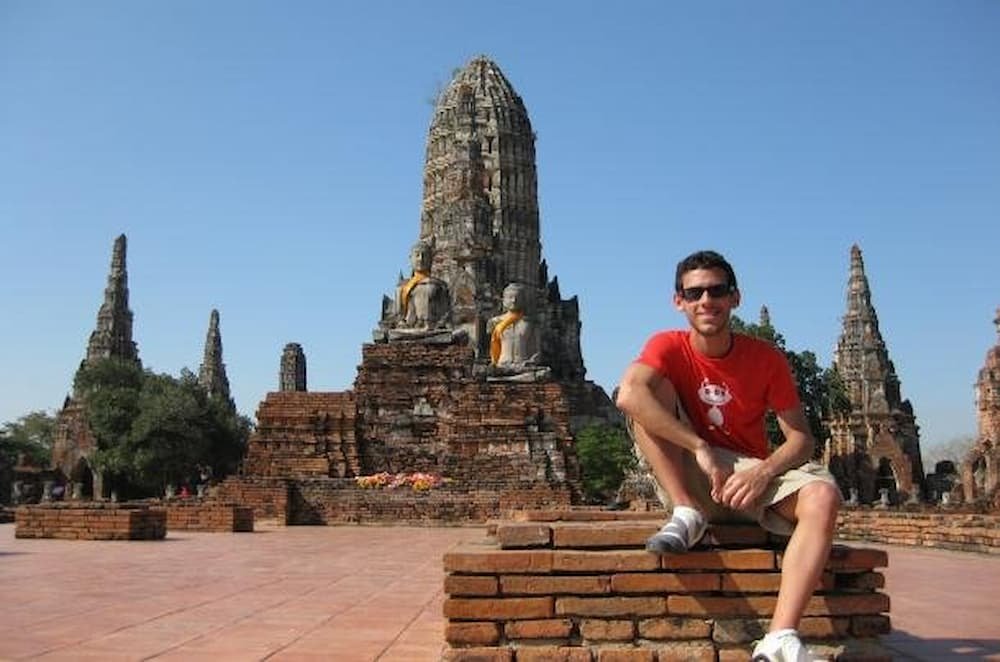
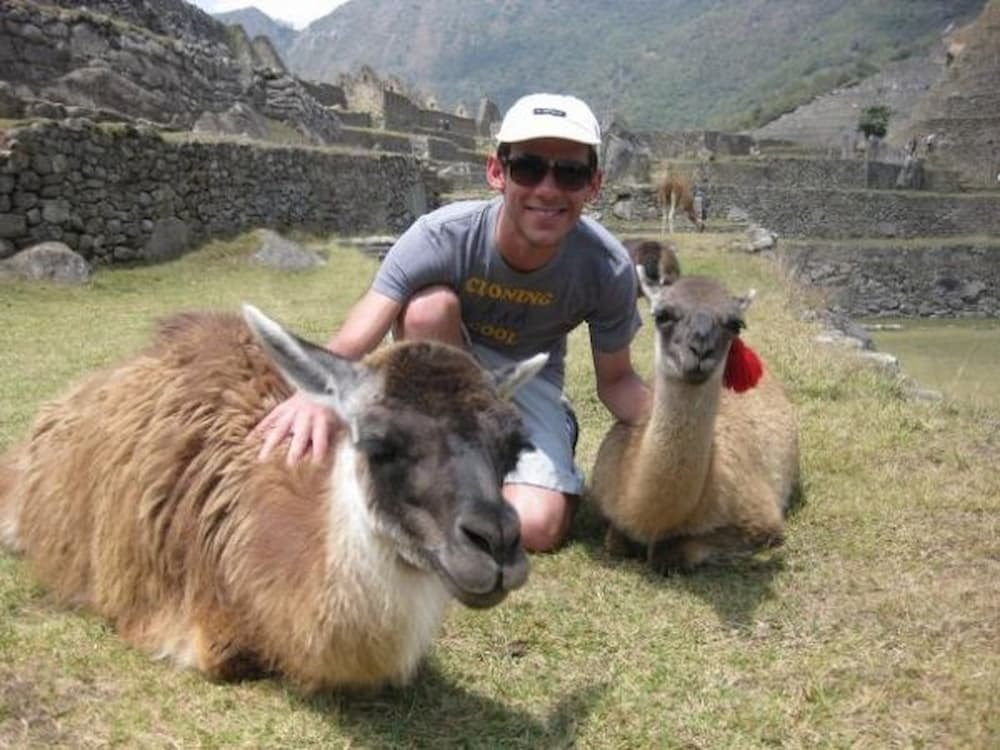
Norbert: Well, the pictures that inspire me to travel more are not the best ones, composition-wise, but those are the ones that remind me of either the happiest moments while on the road or moments of great reflection and growth. These are of me at Machu Picchu in Peru, at the Wolf’s Lair in Poland, and at Wat Chai Watthanaram in Thailand. I cherish those moments and look forward to building a life full of memories like those.
Many thanks to Norbert for his time and we think you’ll agree this is one of the best interviews we’ve had so far.

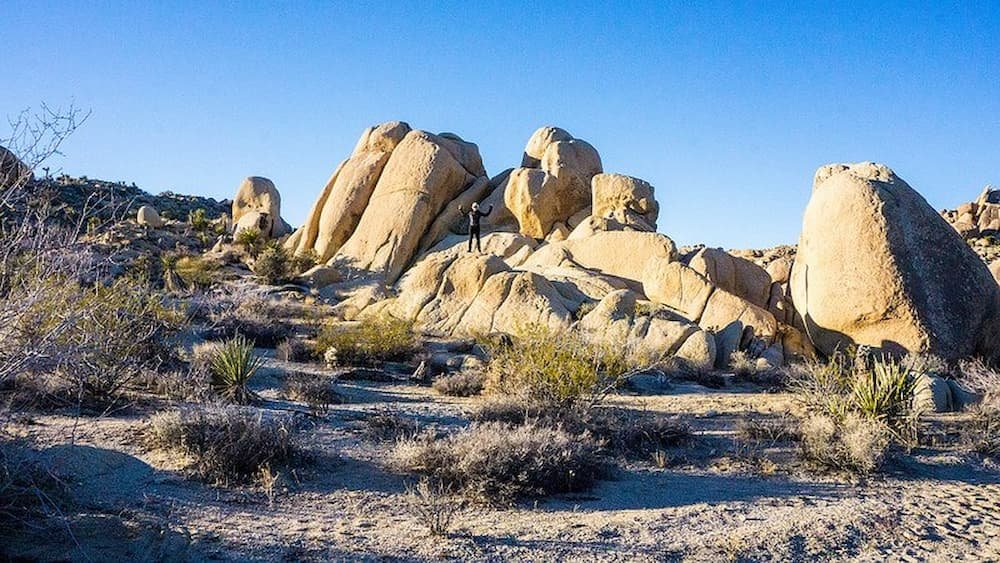
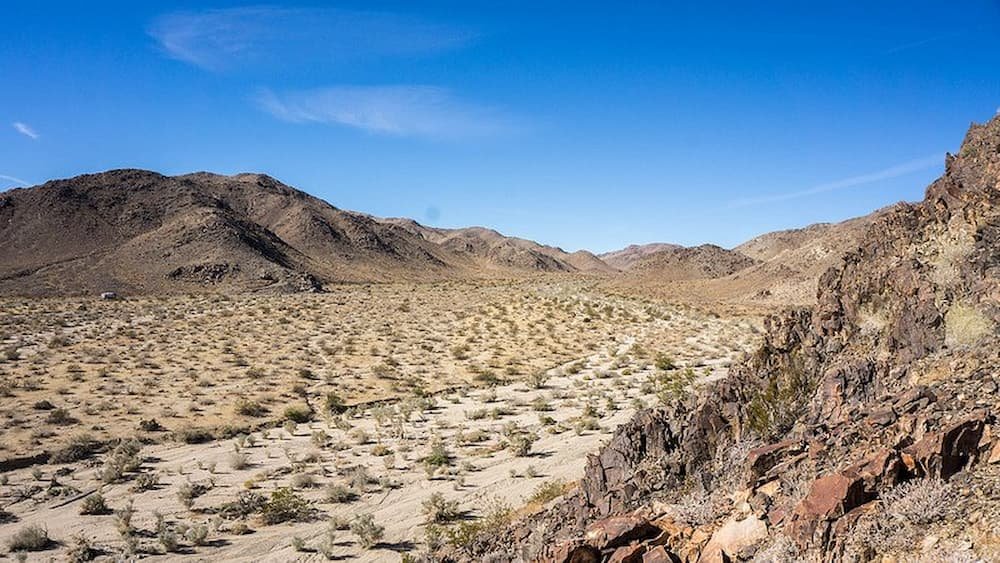
During the recent holidays, we decided to forgo the New Year parties and spend some time away from the crowds. We packed our bags and set off on a road trip from our home in San Francisco down to Joshua Tree National Park in Southern California.
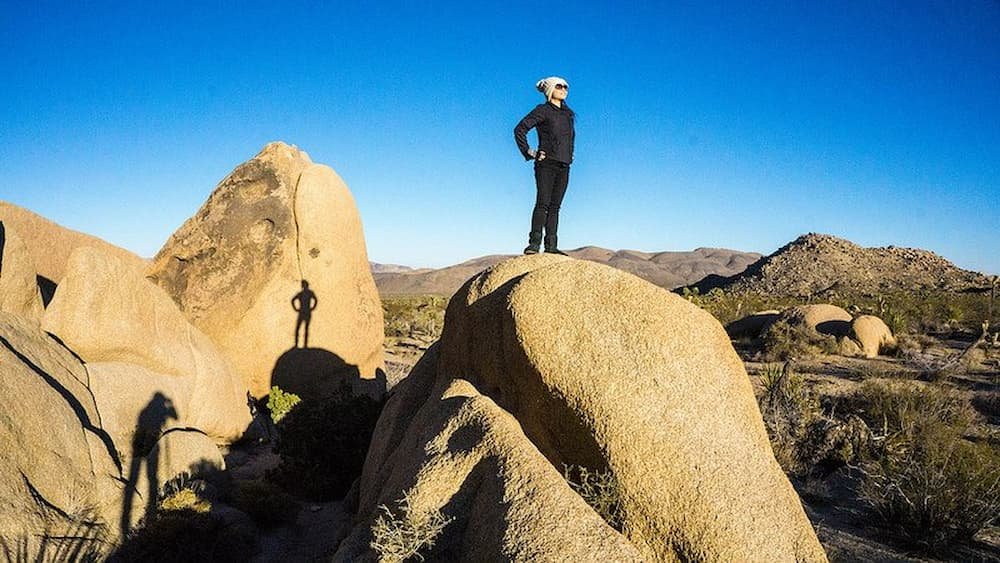
Joshua Tree National Park is located around 140 miles (225 kilometers) to the east of Los Angeles in the middle of the Mojave and Colorado Deserts. This large range of elevation makes for a varied landscape. The higher cooler Mojave, with its scattered Joshua trees and sporadic boulders, has a unique look and feel to it.
If you are into camping, hiking, and rock climbing, this place is epic. There are hundreds of trails and climbing routes for all levels of experience.




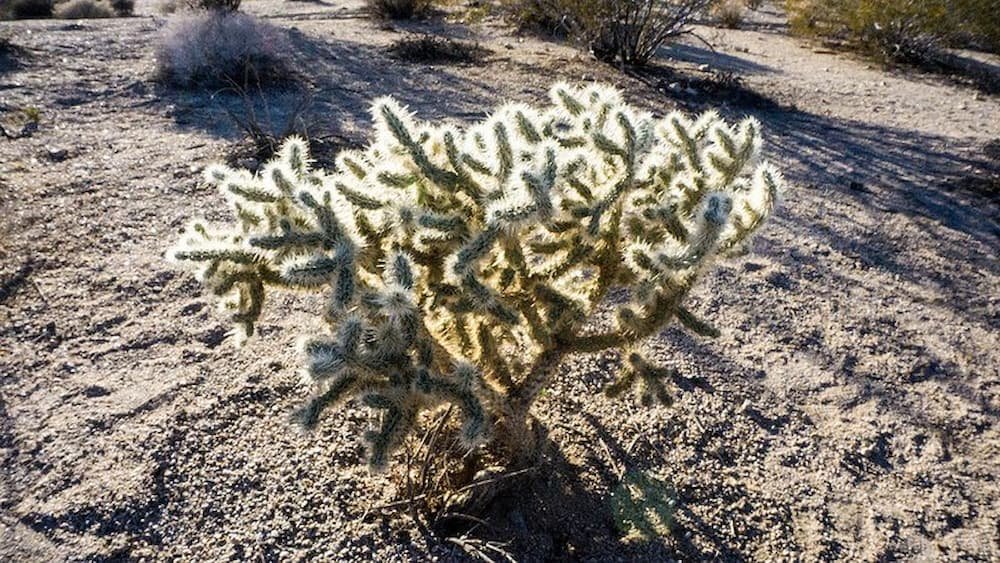
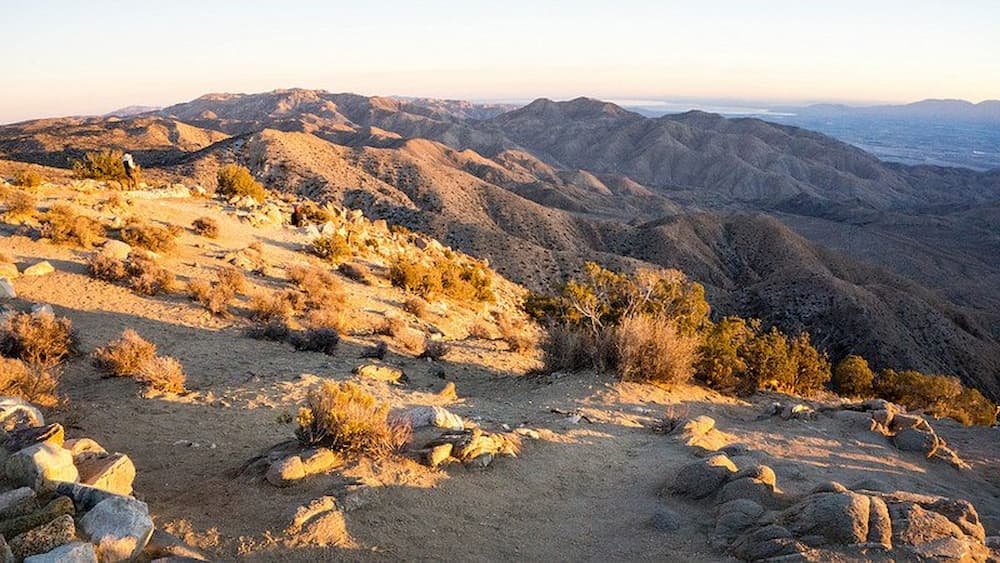
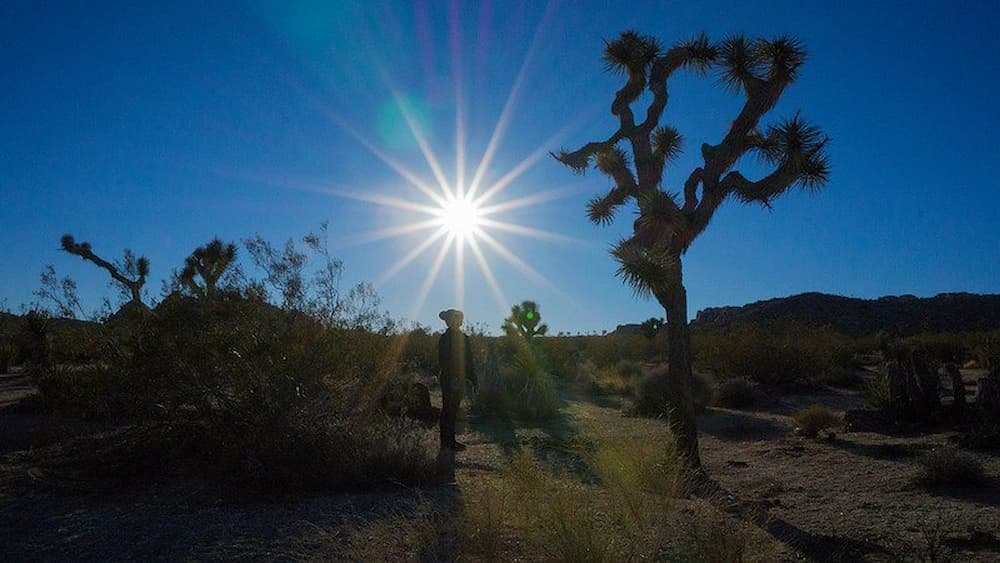


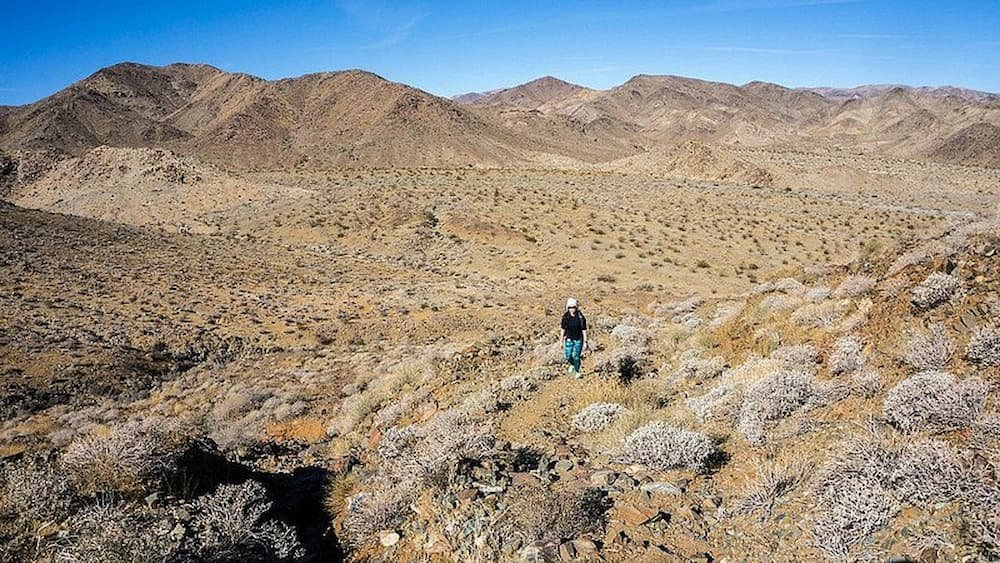


Packing is one of those tasks we both love and loath. We love it ’cause it has a direct relationship with the excitement of an upcoming trip, yet we hate having to ‘tetris’ our clothes and belongings into our backpacks, only to remove and repack at every stop.
Well, loath no more! I recently got to test out Eagle Creek’s packing cubes, and they were a godsend. Here’s why…

I got to test two different versions of their packing cubes. The first was the Eagle Creek ‘Pack-it’ Specter Compression Cube Set (as shown on the left), and the second was the regular Eagle Creek ‘Pack-it’ Specter Set (as shown on the right).
The only real difference between the two was that the compression set contained a medium and large cube, each of which had an additional zipper that allowed the cube to be expanded (see image below). The regular set contained a small, medium, and large cube. The small cube proved to be the perfect size to fit all my toiletries.
One of my pet peeves is having to find specific items at a moment's notice in my backpack, especially when I am away on an extended trip. The huge benefit of packing cubes is segregation. You can separate your underwear in one cube, your t-shirts in the other, and toiletries in another. This makes finding things a whole lot easier and provides a barrier should something spill in your pack.


By rolling your clothes and compressing them in the cube, you end up making more space in your pack. It’s a little like those vacuum-sealed bags (without the vacuuming).
Both types of cubes are made with a very durable, lightweight nylon. You really don’t want any additional weight when packing and I definitely didn’t feel any difference by using the cubes.


Silnylon Ripstop
3 liters to 13.5 liters (expanded)
45 grams to 63 grams
14 x 10 x 4cm to 36 x 25 x 10cm


There are not a lot of areas to go wrong with a product like this but one feature I would like to see changed is the zipper. As you can see in the photo (right), the zipper stops on one side.
This is most certainly not a deal-breaker, but it would be quite a lot easier to load items if the zipper opened the whole way.
While the nylon material used seems strong, I did catch it in the zipper on a couple of occasions which could potentially result in a small tear.
While a little on the expensive side, these packing cubes are quality and worth the investment if you are looking to travel and with a limited lifetime warranty you can’t go wrong.
Grab yours on Amazon
Around the world, people are getting together with family and friends to celebrate the holiday season. While you are probably familiar with Christmas traditions such as Santa Claus giving presents, kissing under the mistletoe, and singing Christmas carols, some countries also have some quirky cultural customs. Here are 10 interesting traditions we found.

The Christmas pudding or plum pudding is a necessity for Brits at Christmas. Families often claim to have their own secret recipes that have been passed down for generations. It is a tradition for each member of the family to stir the pudding and make a wish. Brandy is poured over the pudding and set alight when served.
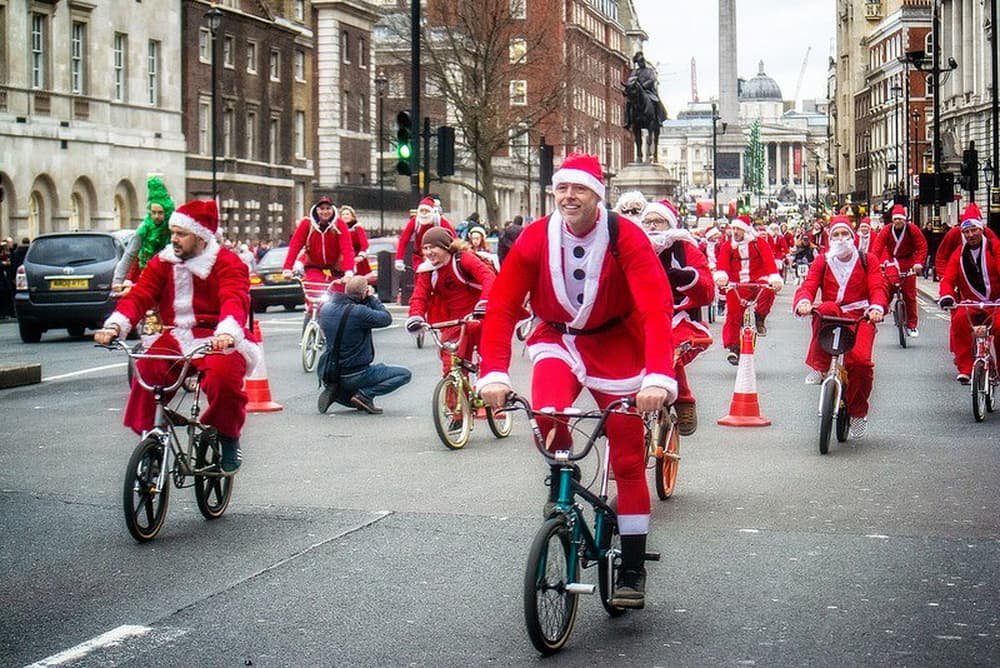
Santacon is an annual gathering/pub crawl where people dress up as Santa (it has now expanded to other Christmas characters). Started as a theatrical prank in San Francisco back in 1994, it has now grown into a worldwide event with over 350 cities in 50 countries in 2015.

It’s incredible how powerful advertising can be. Back in 1974, Kentucky Fried Chicken (now KFC), ran an extremely popular campaign associating its fried chicken with the Christmas tradition, replacing the unpopular turkey. See, marketing works!

Goats play a big role in Swedish Christmas celebrations from small ornaments to gigantic structures, such as the goats in the city of Gävle that are set up every year in December. Strangely, the big Gävle goat is traditionally vandalized or burnt down each year. Since 1966, the goat has survived until Christmas Day only 13 times.


The Tió de Nadal (meaning “Christmas log”) is a hollow tree trunk with little legs and a face painted on it. Each night, the children give the tió, or log, a little bit to “eat” and cover it with a little blanket so that it won’t be cold at night. On Christmas day, they put the tió into the fireplace and order it to poop, encouraging it by beating it with sticks while singing traditional songs. The Catalans also display a Caganer – a figurine shown to be pooping, appearing in nativity scenes and wearing the traditional Catalan red cap with its trousers down. Statuettes of well-known people pooping are a strong Christmas tradition in Catalonia, dating back to the 18th century – and symbolize fertilization, hope and prosperity for the coming year.

In the Czech Republic, single people who want to find a spouse before the next Christmas celebration stand with their backs to the door and throw a shoe over their shoulders on Christmas day. If the shoe lands with the toe pointing to the door, congratulations – you’re going to get married soon!
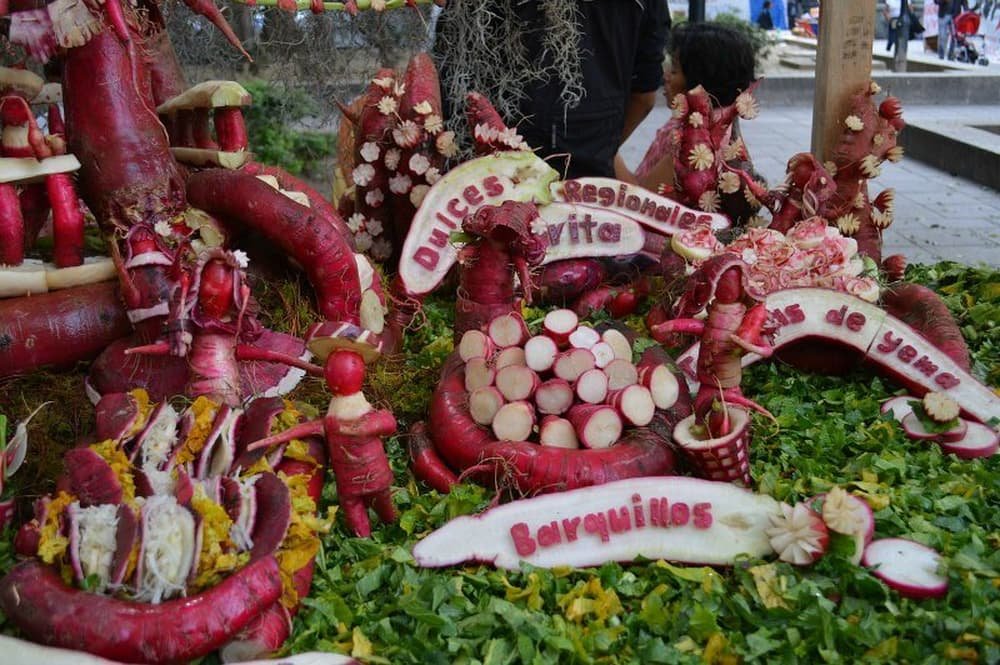
The Night of the Radishes (or Noche de Rábanos) is an annual event in the city of Oaxaca, Mexico dedicated to the carving of oversized radishes to create scenes that compete for prizes in various categories. The event has its origins in the colonial period when radishes were introduced by the Spanish. Oaxaca has a long wood carving tradition and farmers began carving radishes into figures as a way to attract customers’ attention at the market in the main square a couple of days before Christmas. In 1897, the city created a formal competition.

In Ukraine, Christmas trees are often decorated with (fake) spider webs to usher in good luck during the coming year. The legend goes that a poverty-stricken family went to bed on Christmas Eve upset because they wouldn’t be able to decorate their tree. The spiders, roaming the home’s walls and floors, heard the cries of the family and took it upon themselves to decorate the tree with their webs. On Christmas Day, the strands turned to gold and silver, changing the family’s fortune forever.
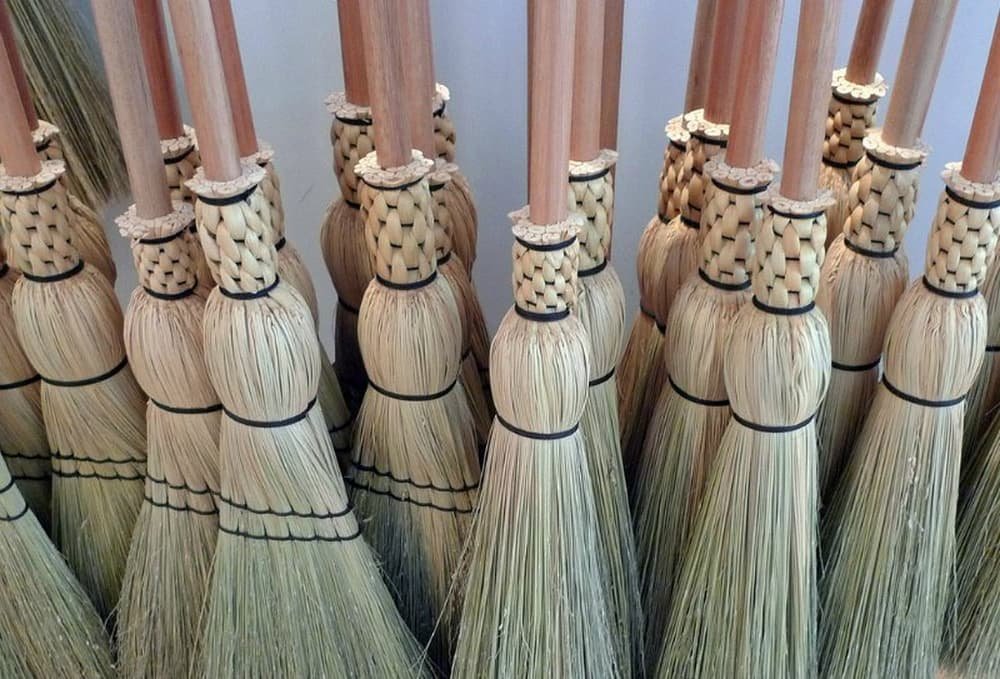
Many years ago in Norway, people believed witches and evil spirits came out on Christmas Eve to play. Needing transport, they would look for brooms to ride on. Not wanting their brooms to be stolen, the local people made sure that the brooms were well hidden. Today Norwegians still hide all brooms in their house before going to bed on Christmas Eve.

In Austro-Bavarian Alpine folklore, Krampus is a horned, anthropomorphic figure who, during the Christmas season, punishes children who have misbehaved, in contrast with Saint Nicholas, who rewards the well-behaved with gifts. While it’s unclear how the myth of Krampus started, Krampus is one of a number of companions of Saint Nicholas in a number of European regions – it is featured on holiday greeting cards called Krampuskarten and in traditional parades – such as the traditional procession in Hallein, Salzburg, you can find young men dressed as this scary creature.
One of the trickiest parts of becoming a travel photographer/blogger is supporting your journeys. It’s not as simple as taking great photos and watching the money roll in. In fact, many seasoned travel photographers find it difficult to make a steady living. Taking beautiful photos just isn’t enough.
Taking beautiful photos just isn’t enough. The most successful travel photographers work just as hard on marketing themselves as they do on learning to take better photos, in most cases more so.
Sponsorships are great for a short burst of revenue, but how do you build a passive income to keep you going? By thinking about how you can take a hobby like photography and turn it into a passive income stream, you may be able to fund your travel for a longer time than expected.
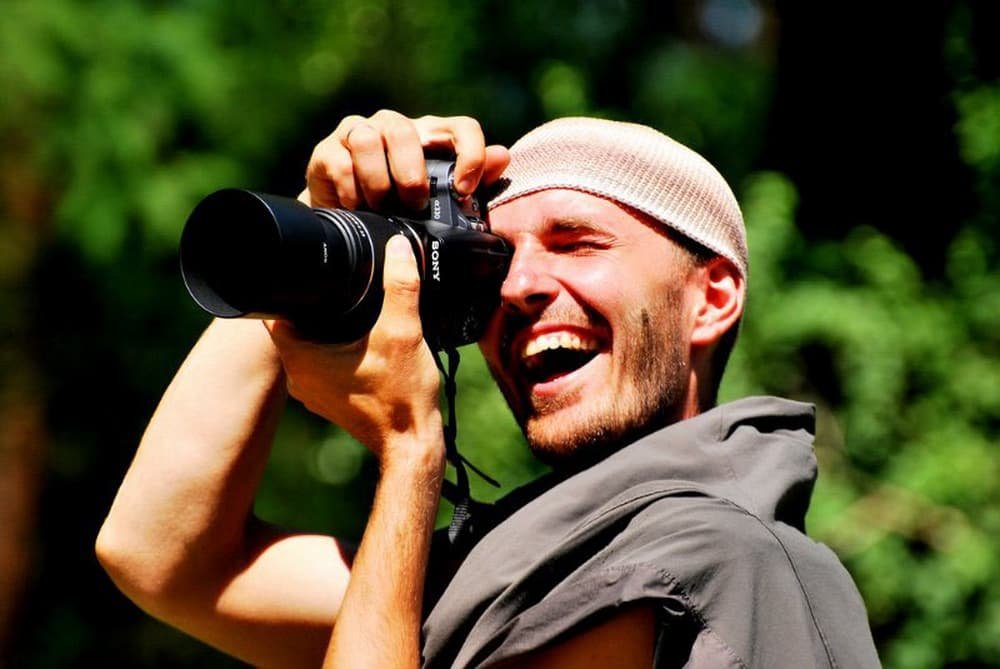
Below you’ll find three ways to help use photography to earn passive income and keep yourself moving.
The first thing you need is a solution to properly show off and be able to sell prints. You can either sell the original high res photo to a collector or one-off prints to consumers. Backpacker Travel has partnered with SmugMug as they provide a range of solutions for beginners to professionals.
SmugMug offers numerous website designs built specifically for photographers. All packages give you secure, unlimited photo storage, easy uploads anywhere you can connect online (this saves camera and card storage space) as well as a simple e-commerce solution where you set your own retail prices. Now your friends, fans, or the people who discover your shots can purchase them or print them on more than 1,200 products.
By having these tested websites ready to sell your work, you have a custom print shop opened 24 hours to help fund your trip. Click on the following discount link and save 15% off any SmugMug package to get your portfolio started today.

One of the hardest parts of being a travel photographer (who gets to continue to travel) is having the funds to keep going. The more real eyeballs you have on your site, the more you can make. Just make sure they are real and engaged viewers.
Buying likes/fans or counting robot and traffic exchange traffic doesn’t count. Your sponsors will catch on when they don’t get visitors or sales and you’ll find yourself with a bad reputation and a lack of funds. This is where your photography helps.
As you take amazing shots, make sure you watermark them so that people can find you and your website. You may first want to upload them to social media and sharing sites like Instagram, Google+, Pinterest, and Flickr. You can even create a slideshow with a narrative for YouTube which can drive a ton of new visitors.
Next, add your URL to the social media image descriptions so that people can go to your website and also source the image back to you if they decide to use it.

Having your photos out there and an easy way to contact you (your store or site) is a great way to attract attention and gain sponsorships and perks. If you’ve built a following and are traveling to a specific city, you can use your traffic volume to pitch a hotel or bed and breakfast for a free night.
To make a pitch stand out more, send sample hotel/food posts that have a lot of shares and activity on them. The samples show the sponsor the quality of your work and the activity shows that you can generate real engagement. You may also want to offer them the rights to a shot of their choosing in exchange for the perk. Next, you’ll need to look at your website and social media analytics.
If you have a decent amount of fans in a specific region, try writing to some restaurants in that area and agree to do reviews in exchange for a nice meal. The same goes for entertainment and tours.
National parks, airlines, and even some cities offer press junket trips so that you get to experience everything while also going behind the scenes. If you have the audience, it doesn’t hurt to write to them and see if you can gain sponsorship money as well as complimentary rooms, board, and entertainment. The sponsor will be happy if you drive the traffic to them and you’ll earn money, or at least get a free perk.
Once you have an audience on your website you can begin monetizing the traffic. Try a mix of monetization techniques including:
Plus a lot more…
By finding the right mix of monetization strategies, a way to sell your work, and building a loyal following, you can use your photography to help fund your travels. It all starts with having a website and a blog to sell and share your work. From there, if you have the talent and a bit of luck, you can build a solid stream of income to help fund your journey.
Myanmar, or Burma as it is also known, is a country in Southeast Asia that has, until recently, slipped under the radar of tourism for a long time. In 2011 the borders were reopened to tourists and people are now discovering the true beauty that lay hidden behind a military dictatorship for so many years.
In November of 2014, I was lucky enough to spend my honeymoon traveling throughout this wonderful country. It wasn’t long before we fell in love with this magical place. With the golden temples, the delicious street food, and the warm and welcoming local people, Myanmar has it all!
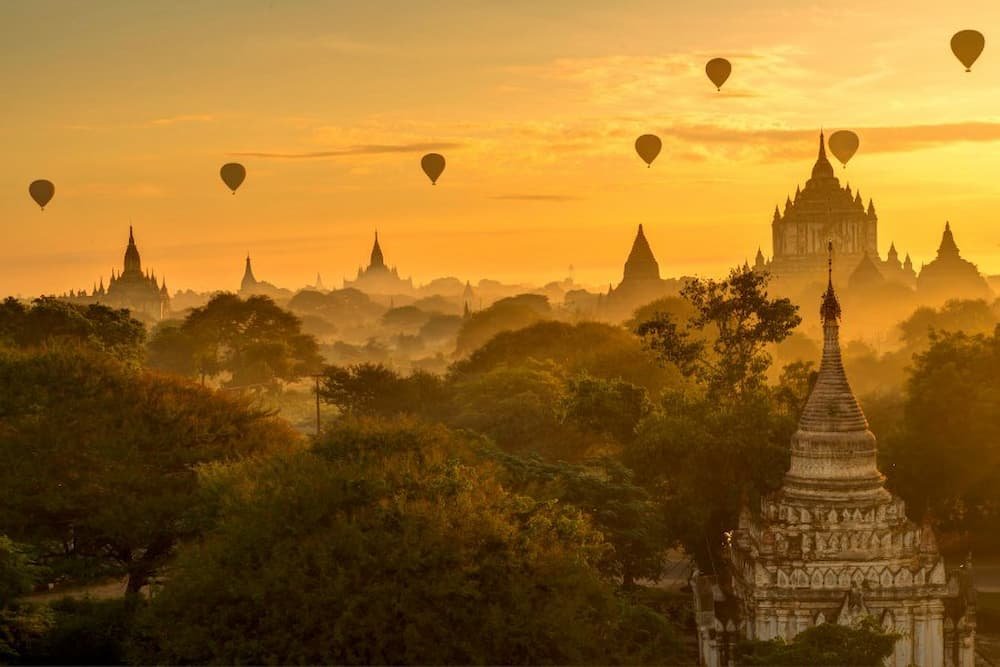
Since 2011, tourism has been rising exponentially. In 2016, it is expected that 5 million tourists will visit Myanmar, so, if after browsing the following photos you are considering a trip, book it quickly!
Each week we will be featuring a new destination here on Backpacker Travel, in the form of a photo journal. If you are interested in contributing or have a suggestion for a particular place, please get in touch here.


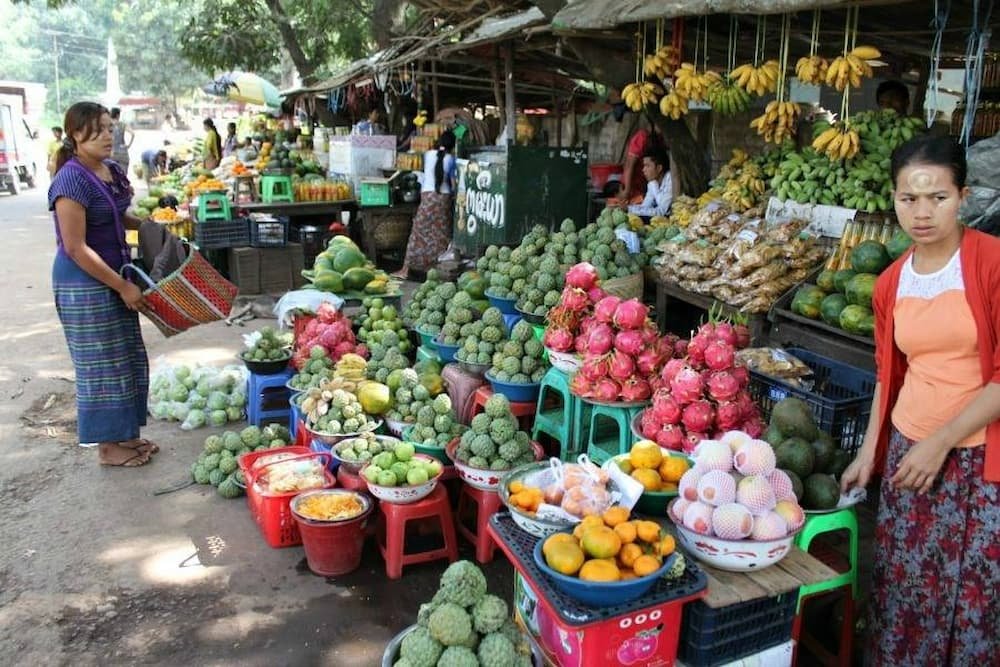

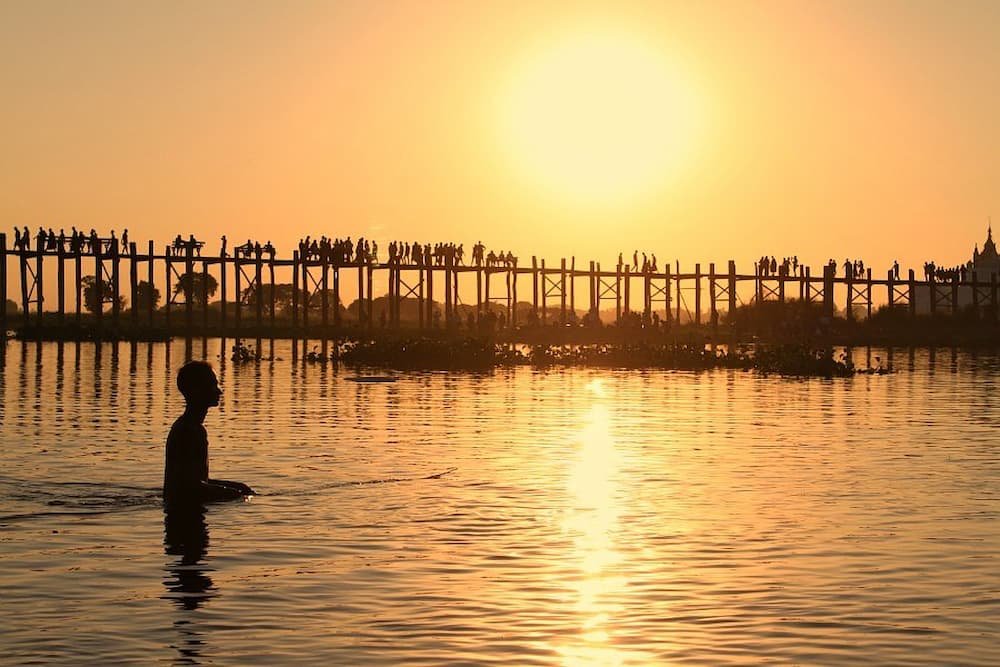
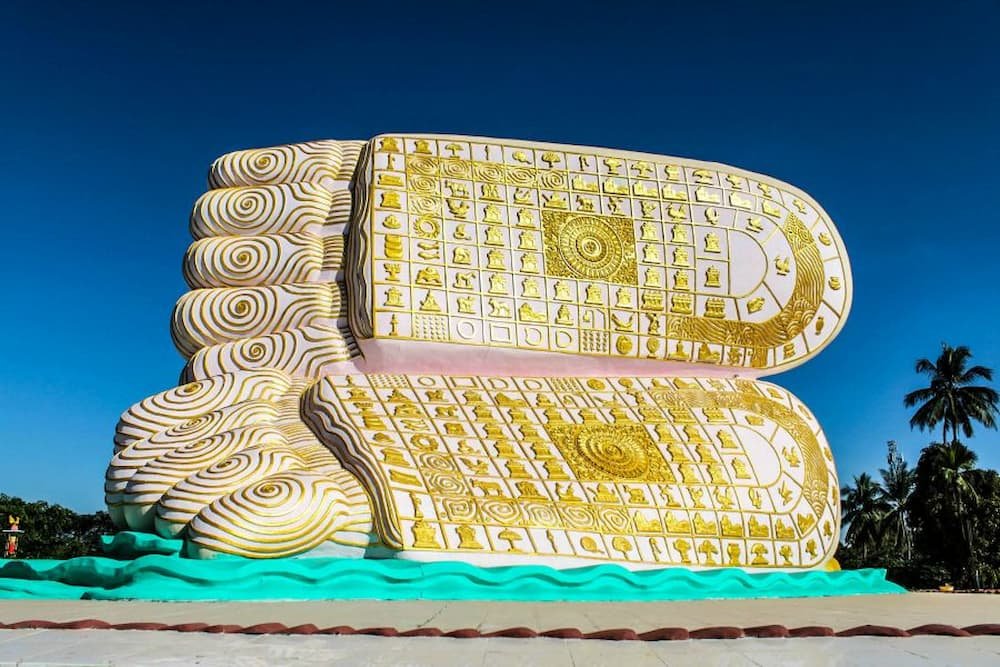

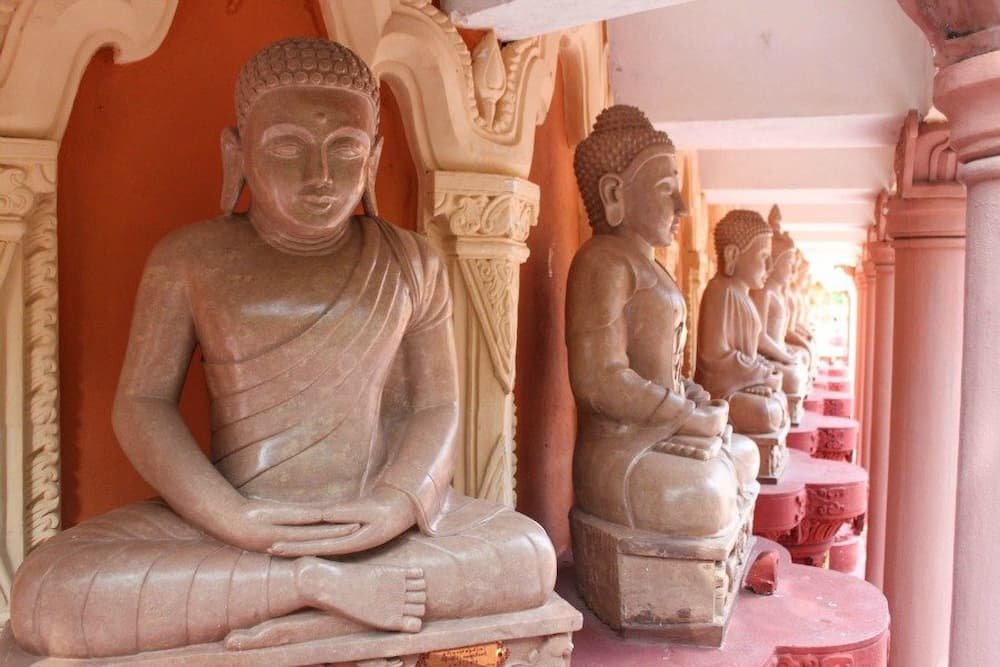

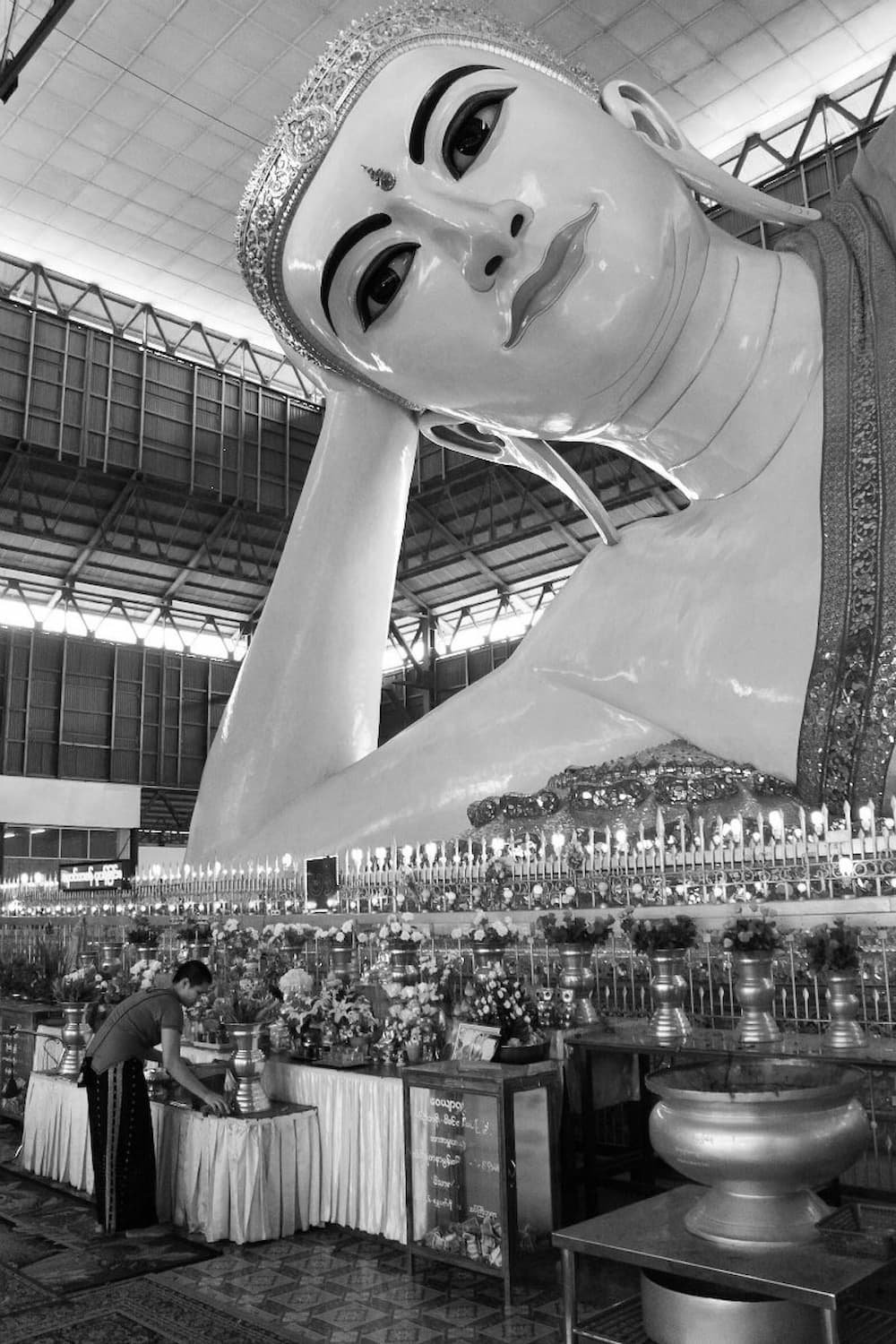
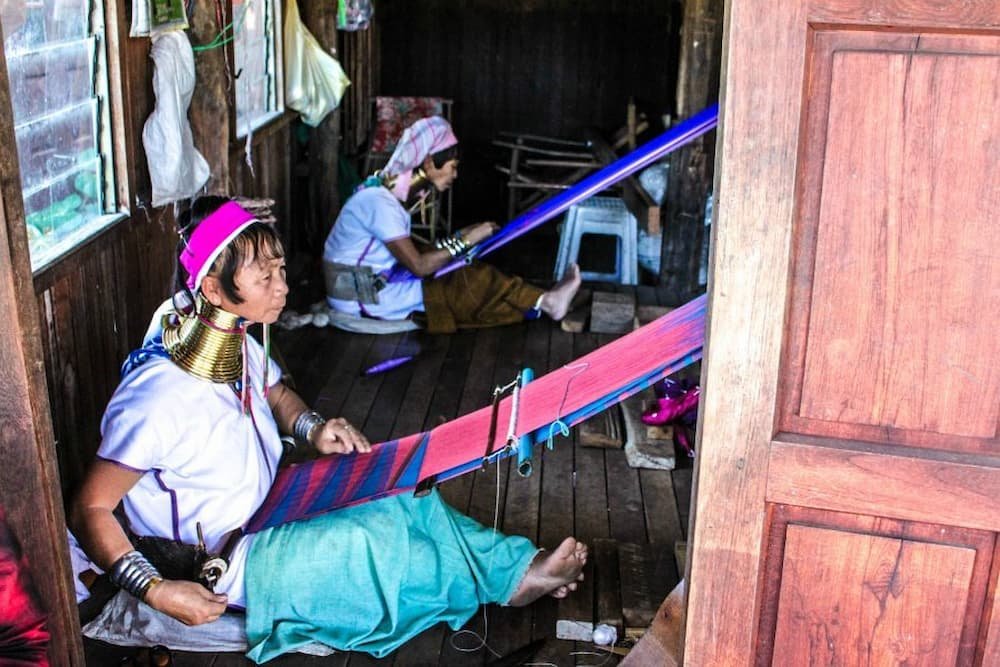
It is customary for the local tribe’s women to wear brass coils around their necks. This starts from as early as five years old, adding additional rings until around twenty years old. It is seen as a sign of beauty but can be a painful process.


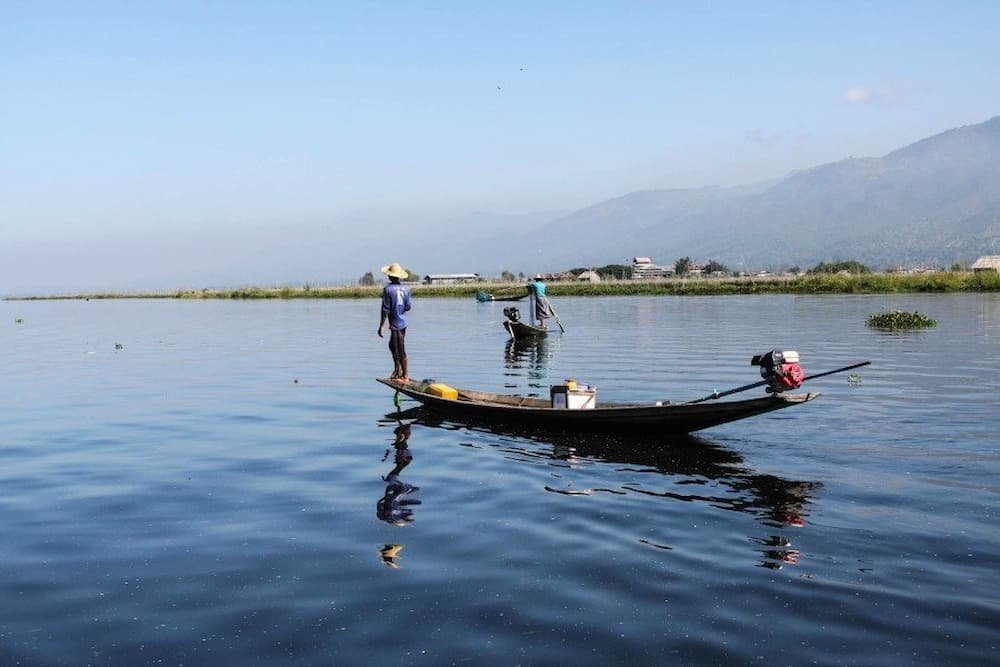


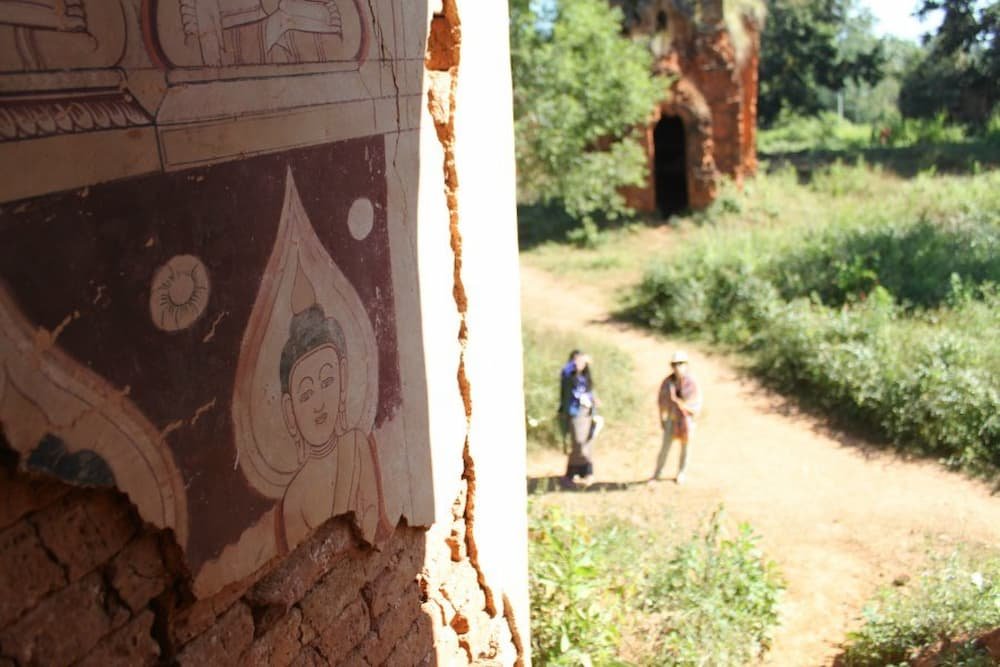


This week we had the pleasure of interviewing Arun Bhat, a freelance travel writer, awesome photographer, and owner of the Indian Travel Blog: PaintedStork.com
India is an increasingly popular tourist destination that is very diverse and chaotic. We ask Arun questions about traveling in India; highlights, culture, and destinations, and Arun offers us some great advice on taking great travel photos.

BT: If a travel lover wanted to spend a week in India, what places should they visit, what food should they try, and what things must they experience?
Arun: This is a difficult question to answer, knowing that India is too large to cover in one week. I would recommend different plans depending on whether it is your first visit to India or not.
If this is your first India experience, it is perhaps best to stick to the time-tested path that gives a good beginning to what India can be. Arrive in Delhi and spend a day in a good hotel to get accustomed to being in a new place. Take the well-known itinerary that they now call ‘Golden Triangle,’ which covers the Taj Mahal at Agra, forts, palaces in Jaipur, and important sights within Delhi. This will take just about a week to give you an idea of what India is.
If this is not your first visit to India, I would recommend sticking to one area and spending most of your time there. Choose the location depending on your interest. If you want to have a good time walking along the beaches and visiting spas, head to Kerala. If high mountains and some difficult treks are in your mind, go to Ladakh or Sikkim. If you want to see a glimpse of India’s history, visit Karnataka (Hampi, Badami, and Belur). Go to North-East to see some exotic wildlife. India always offers something interesting for every kind of traveler.
First-time travelers often tend to get overwhelmed by the chaos that India is. Know that you are usually safe in most places and let the chaos sink into you. It is a matter of a few days before you feel at home in the country.
BT: Your home city is Bangalore, what makes it a special city to live in and explore?
Arun: Bangalore offers the unique advantage of being situated exactly between two coastlines with both sides easily accessible for a weekend getaway. The city also has quick access to beautiful hilly regions and to some unique historical sites. This means you are never too far from all the good things in life. Even if you get out of the city every weekend (see weekend getaways from Bangalore), it would take you a few years to visit all the places worth going to. The city itself is known for its pleasant weather with nearly uniform temperatures throughout the year. For some reason, weather gods always ensure that just when it is about to get too hot, too cold, or too damp, a quick change in weather comes along and everything is back to normal.
Another good thing about Bangalore is that it has a large number of people who like to get out, explore new places, try to learn new things, and lead an active life. If you are one of those people who prefer to do things in the company of people, you will never be short of them.
BT: What is it like being a freelance travel writer? What are the best things, and what are the worst?
Arun: Let’s have the best things first. When you start writing about your journeys, you start seeing improvements in the way you travel. Because you know that you have to tell new stories to the world, you stay alert and look for interesting things. You go in search of something new that a few people would have seen. You research well before you go; you make sure that you talk to locals to gather all interesting information. Over time, you start seeing that each time you get out, you experience a lot more, see and do much more than a normal traveler would. Travel writers always ensure that they get the best out of their journeys.
The other good thing about being a travel writer is more obvious – you get many opportunities to travel. First, you create an opportunity by not being in a regular job and keeping yourself available to travel all the time. Second, you may often get invited to visit new places and to try new things.
Coming to the downside, the first thing is that there isn’t much money in it. Writing doesn’t necessarily pay well. It is a lot of hard work to ensure that you always have some stories to sell. Perhaps very few people manage to make a living by freelance writing alone; it is a different thing if you are employed by a publication. This would mean you may be doing other things besides freelance writing to make ends meet. Fortunately for me, my other source of income comes from photography, which complements my writing and lets me travel more. Another problem for travel writers is the burden of travel itself. Anything done too much really gets monotonous. But one learns quickly and creates a balance between traveling and staying home. In the first year of my plunge into travel writing, I traveled a lot and enjoyed every moment of it. Now I prefer to be out for no more than 60 to 90 days in a year. This ensures that the excitement of travel never weens off. Otherwise, it can become just like any other job.

BT: We’re a big fan of your photography, what is one tip you could give travel lovers, so they take better photos?
Arun: Thank you. I would begin by telling travelers not to worry about photography. In a rush to capture the most beautiful sunset you would ever see in life, you will realize that you missed the experience while you were busy struggling through the viewfinder. Linger in the experiences first and only then take your camera out. If you give sufficient attention to your subjects first, you will automatically end up with good images.
For those who want to take photography seriously, do remember that one needs to get a better understanding of what's involved in taking a picture to be able to control how an image comes out. There is plenty of material on the internet, including my blog. Get to know the basic theories of photography before handling the camera. Do a lot of reading first and then get out often and practice with your camera. The more you shoot and more you seriously review your image, the better photographer you are likely to become.

BT: You have over 1200 travel photos on your site, most of which are available for purchase, what are your five favorite photos, and why do you consider them to be your favorite?
Arun: It would be very hard for me to point at a few images and call them my favorites. But let me try to pick a few anyway.
My attempts to capture the beautiful monuments in the small town of Orchha in Central India was a very satisfying experience. I spent nearly five days walking all around the town looking for good angles, viewpoints, and compositions. The weather gods helped me here by creating varied conditions (fog, rain, and clear blue sky!) during those five days. This meant I could capture some very different images and unique compositions that I don’t recall seeing from this much-photographed location.
Another photography session that really had me excited was shooting backstage and the performances at a cultural event. Kathakali is a traditional performing art where artists spend almost half a day getting ready for the show. I shot a series of images of various stages of putting on makeup and costumes. I think I like the backstage images much more than the ones from the performance itself.
The other area where I have felt some success is in photographing landscapes. I often work hard to make a vista prettier than how it may appear to normal eyes and have met with mixed success in it. The image of “strings of water” from a small waterfall near my city, and the photograph of winter fog near the city are something that may appear very ordinary unless you look hard to see the beauty in them. It is always satisfying when your photographs tell a story that bare eyes can easily miss.

BT: India is becoming an increasingly popular destination for foreign tourists, what advice could you give us while traveling, so that we show proper respect to the people of India and their culture?
Arun: Indians are mostly friendly and welcoming and do not have stringent cultural etiquette. You can be yourself most of the time, especially in daily interaction with people. You are usually not even required to get your “please” and “thank you” right, and it doesn’t matter what cutlery you use on the dining table. But it is easy to upset people in a religious setting if you don’t follow some set of rules. Since India is a culturally diverse country, it is impossible to formulate one set of rules that applies across the country. Talk to people and be aware of local customs before you enter a religious place. Other things that are not culturally accepted are – public display of affection and any degree of nudity.
BT: India is such a diverse country, from the mountains of Ladahk, to the beaches and forests of Goa, what advice would you give a seasoned traveler, so that they could see and experience all that India has to offer?
Arun: I would recommend not to become greedy! It is only natural that you would want to see everything you can in one visit. But you would get the best of India only if you give it plenty of time, decide to spend time in fewer locations, and explore those places well. Don’t take it for granted that you will be making that one visit in a lifetime, and you better see everything you can. India beckons many serious travelers so often and so strongly that you will never really keep away for long!
I would like to sincerely thank Arun for his time and for giving us permission to display his beautiful photos on Backpacker Travel. Check out Arun’s Indian Travel Blog – PaintedStork.com
Instagram has quickly become the favorite social network for travel lovers and very recently for us. We were late to join, focussing heavily on Facebook instead, but now see the true value it brings.
Like any large social network, you need to cut through the noise to find the best quality content – and believe me, there are a lot of terrible photos on there too. So, we scoured through thousands of profiles and searched a multitude of hashtags, to bring you the Top 50 Travel Instagrammers that you should be following.
Of course, we’d like to think our Instagram profile is up there too so be sure to follow us at @getbackpacking if you’re not already.
Without further adieu, here are our Top 50 Travel Instagrammers of 2015.
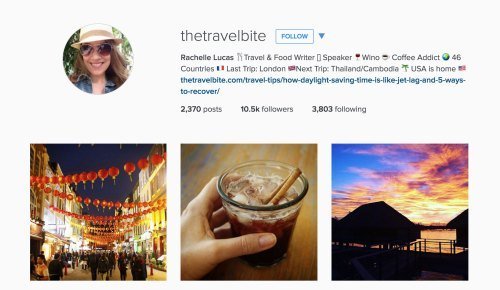
@thetravelbite
Rachelle is the founder of The Travel Bite, a food and travel blog. As you can imagine, food features heavily in her Instagram feed.

@jack_bolshaw
Jack is an English photographer who is currently traveling through Australia.

@insatiabletraveler
Susan’s photos have appeared in The Huffington Post, New York Times and many other large publications. She is also a full-time contributor to Yahoo! Travel.
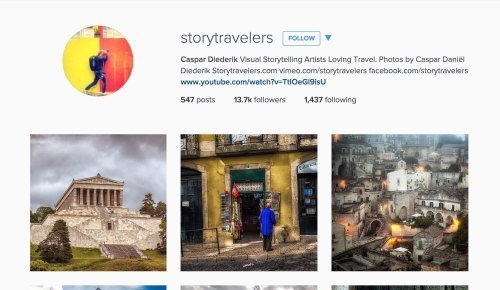
@storytravelers
Caspar is the cofounder of Story Travelers, a site dedicated to creating stories through travel photography.

@pausethemoment
Ryan is a travel blogger who has been on the road since 2010. You can read more about his adventures on his blog, Pause the Moment.

@triphackr
Clint is a travel blogger and photographer from Boston. We like his ‘feet-first’ perspective.

@tourist2townie
Gareth is the blogger behind Tourist 2 Townie who left his high-paying job to travel the world.

@divergenttravelers
Dave and Lina have been traveling since 2001. Their journeys are documented through their blog Divergent Travelers.

@whereswiwi
Olivia (aka Wiwi) caught our eye with her use of vibrant colors. She’s also visited all 7 continents.

@a_girlwhotravels
Marta is the digital nomad behind A Girl Who Travels. She’s been living the life of travel since 2010.

@jasoncharleshill
Jason is an Aussie traveler and photographer with a primary focus on the great outdoors.

@adamsenatori
Adam is a pilot who also happens to be an amazing photographer. If you like planes, you’ll like Adam’s page.
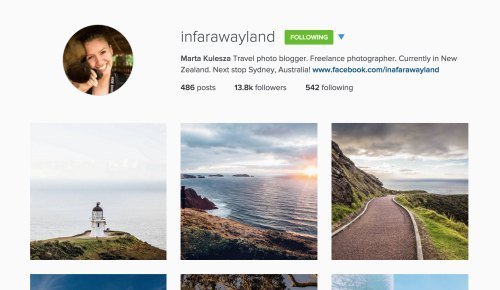
@infarawayland
Marta is the face of the blog In a Far Away Land. We’ve featured her photos previously so she’s obviously awesome.
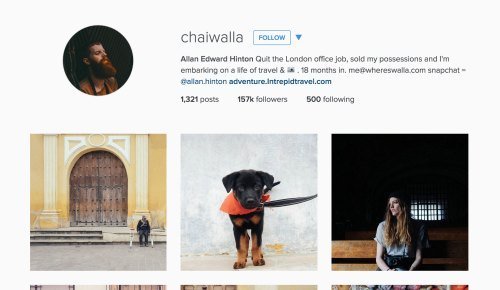
@chaiwalla
Allan is another guy who quit his job to travel the world… there’s a theme here. He also takes great pics.
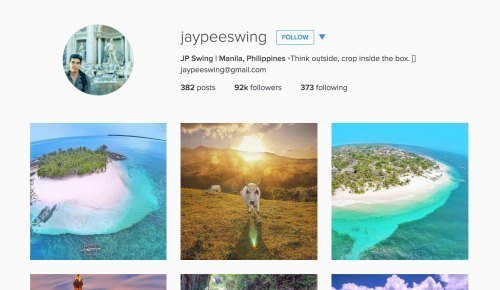
@jaypeeswing
JP’s photo’s make you want to pack your bags and book a flight to the Philippines right away.

@tiffpenguin
Take one look at Tiffany’s photography and you’ll get lost for hours. Landscapes, waterfalls, and nature abound.

@budgettraveller
Kash is the man behind Budget Traveller, a blog for discovering luxury hostels, some of which feature on his Instagram.

@uncornered_market
Daniel and his wife Audrey are well-known among travel bloggers. Daniel’s photos invite you into their life on the road.

@mikeseehagel
Mike’s photography captures the essence of outdoor life. We love his use of light.
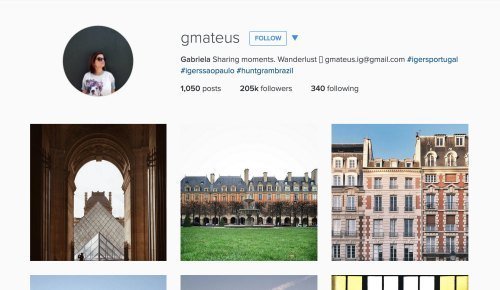
@gmateus
A mix of travel and art. Gabriela takes you on a journey with her wonderful photos.
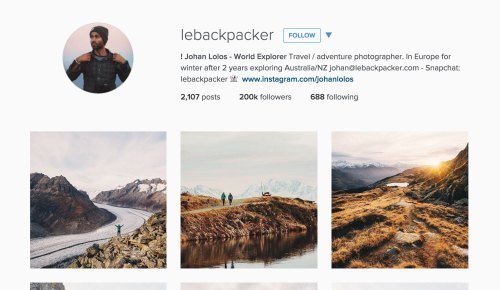
@lebackpacker
Johan set off from Belgium in 2013 and hasn’t looked back. After making his way to New Zealand, he landed a gig with Lake Wanaka Tourism.
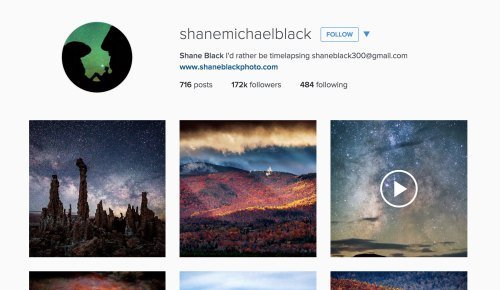
@shanemichaelblack
Shane caught our eye with some of his night photography. If you like the Milky Way, check him out.

@treyratcliff
We met Trey a couple of years ago while he was shooting at Burning Man. A nice guy and truly amazing photographer.

@expertvagabond
Matthew (aka the Expert Vagabond) lives an action-packed life even James Bond would envy. Definitely worth following along.

@paulodelvalle
Paulo calls himself a professional Instagrammer, and we can see why. With over 200k followers, doors are certainly opening for his career.

@olegmks
Oleg is not your typical Instagrammer. He is a Russian cosmonaut so his photos are unlike any other – taken from space.

@goldie_berlin
Hailing from Berlin, Sylvia has been tearing up Instagram for the last 4 years, growing her following to over 200k.

@photojbartlett
Jeff is a Canadian adventure photographer who shares his passion for adventure and the outdoors through his images.

@zakshelhamer
Zak has been ranked among the top Instagrammers by the likes of Forbes, Huffington Post and Lifestyle Mirror.

@thefella
Conor is a travel and destination photographer from Belfast who has traveled to over 50 countries amassing a stellar portfolio.

@theplanetd
These guys need no introduction. Dave & Deb are constantly topping lists for travel blogging and photography.

@machbel
Víctor is a relatively undiscovered travel photographer based in Gijon, Spain. While not as famous, his photos are up there with the best.

@theblondeabroad
Not just a pretty face, Kierstan from the Blonde Abroad, has made a name for herself by capturing the fun of her travel lifestyle.
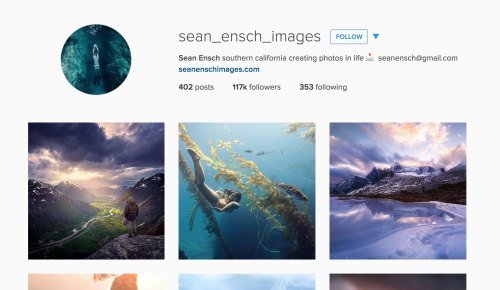
@sean_ensch_images
Sean is a travel photographer with a focus on landscapes and underwater photography. An avid freediver, he feels at home beneath the surface.

@everythingeverywhere
Since setting off in 2007, Gary has visited over 170 countries and territories and been named Travel Photographer of the year!

@jordanherschel
Jordan is somewhat of an Instagram celebrity, royalty you might even say. No wonder though when you see his photos.

@thomaspeschak
Another National Geographic Photographer, they really pump them out don’t they? Thomas’ photos will transport you to a life in the sea.

@michaelchristopherbrown
While not strictly a travel photographer, Michael’s photojournalism provides a glimpse into the people of the world.

@roundtheworldgirl
Take a look through Elise’s Instagram feed and you’ll think you’ve landed in a North Face ad.
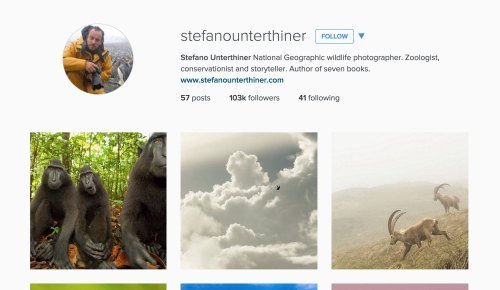
@stefanounterthiner
Stefano is a National Geographic wildlife photographer with a keen interest in wildlife conservation. No zoo required!

Brooke Saward is an Australian travel blogger who has risen to stardom in the last 3 years. Her blog ,World of Wanderlust, now has over 4 million visits and 500k + social fans. It’s clear that exceptional photography has played a large role in the growth.

We came across Ken almost a year ago and have been mesmerized by his photos ever since. This year, Ken co-founded Dream Photo Tours offering photograph-centric tours in Cambodia, Jordan, Myanmar, Iceland, Japan, Namibia, Vietnam, and Italy.

Cory Richards is a National Geographic Photographer, filmmaker, and experienced climber. He was named the National Geographic Adventurer of the Year in 2012. Get ready to be blown away by his captivating feed.

Brendan’s reputation has been on the rise of late. His work has allowed him to travel extensively through Southern and Central America capturing the beauty of the locations and people he meets.

With nearly 1 million followers, Cole must be doing something right! You better believe it. Not only are his photography skills rock-solid but he has a way of storytelling through his images. A worthy addition to the top of this list.

Liz makes us want to get out there and start exploring. She is a master of composition and knows exactly how to draw your eye into the scene. Couple that with her thirst for adventure and you’ve got a winning combination.

Another guy on the verge of breaking into the million follower club is Alex Strohl. This French photographer has been featured in Forbes and counts Apple, Google, Facebook, and Canon among his clients. Needless to say, his photos are unreal!

Oliver is a talented photographer from Barcelona, Spain. At the age of 17, he began traveling and carved a nice niche with his unique view of the world. We just can’t get enough of his stunning photography.

Lauren went from being a chef to Instagram fame. With nearly half a million followers she has turned her social fame into a flourishing photography career and Australia’s first professional Instagrammer.

Welcome to the millionaire club. Chris Burkard is a renowned surf photographer who is constantly seeking remote (mostly frozen) destinations to shoot. Chris has spoken for TED and worked with the world’s top brands, yet it is his passion for adventure and the unknown, coupled with his incredible photography skills that puts him on the top of our list.
A BIG congratulations go out to everyone who made this list. You not only caught our eye but our imagination too. You inspire us to keep seeking the path less traveled!
It took many hours of research to compile this list and our opinions are purely that. Of course, we’d love to discover more people like those featured above so if we’ve missed one of your favorites, post it in the comment section below.
Be sure to follow us on Instagram too as we post the best images from our backpacking community. If you’d like to be featured, you can upload your best photos in our fan photo section. We post a new pic every day!
FOLLOW BACKPACKER TRAVEL ON INSTAGRAM
Selected photos are posted on this site backpackertravel.org, our Facebook, Twitter, Pinterest, and Instagram. Full accreditation is provided.
After the success of our interview with Scott MacKinnon we have decided to have a good old chat with our new backpacking friends Jason and Aracely from 2Backpackers.com. Jason and Aracely have been traveling through central and southern America for the last eleven months and today we get a small insight into their experiences.
These guys have managed to successfully travel through some very interesting situations and somehow, (with a little luck on their side) come out the other end as an incredibly fun, strong couple.
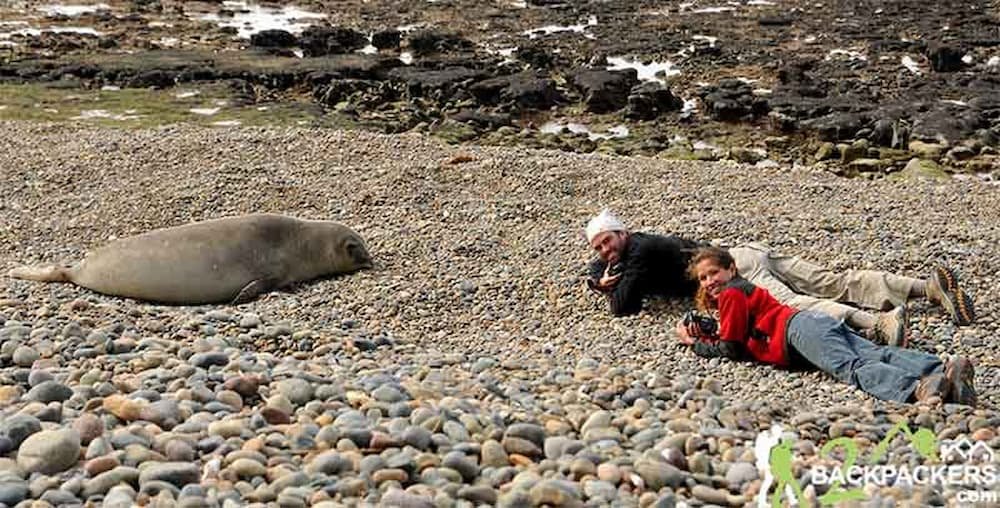
BT: So how did you guys meet?
2 Backpackers: Aracely and I met in 2006 while working together for Mercedes-Benz USA in northern New Jersey, however, we didn’t actually meet at work. A mutual friend/colleague held his Birthday party at a bar in Hoboken, NJ and we were both invited. I thought I was too drunk to make a good impression, but apparently, things went okay.
We both continued to ask our friends to bring the other along and eventually we began dating. We didn’t work in the same department, unfortunately, it wasn’t that racy.
BT: Tell us a little about your former lives before traveling.
2 Backpackers: We both worked for fortune 500 companies in New York City. Aracely had landed an excellent job with American Express 2 years prior to our departure. I had worked for 6 years at Mercedes-Benz until I departed in 2008 for a career leap with Mercer. We lived together in the socially active town of Hoboken, NJ for 4 great years.
My job was a 15-minute walk from our apartment and Aracely’s was a subway ride across the Hudson River to the World Financial Center in lower Manhattan. We would both agree that life was pretty darn good.
BT: Where does the expedition take you from here and how much longer do you intend on traveling?
2 Backpackers: We are coming to the end of our year-long journey through Central and South America. Currently, I am studying Spanish before returning to the States. I figure after a year of traveling in Latin America it would be good to know the language before I return home. Obviously, Aracely has handled all the communications during our travels.
Aracely is originally from Ecuador. This trip began as a one-time adventure, escaping our known lives and the everyday cubicle life. It’s now turned into something different; to figure out how to continue traveling the world.
BT: Surely you have had to face some adversities while traveling. Has there been a time when you thought you would pack it in?
2 Backpackers: Luck. We always tell people we have been lucky to have had nothing terrible happen to us during 11 months of traveling. This luck has meant we never had the feeling of packing it in. I am sure that emotion would have risen if we got robbed or mugged.
Often, traveling becomes tiring. The worst part of traveling is traveling. We want to see the world, but it’s sometimes annoying moving from hostel to hostel, riding on buses all day or night and never settling down. This was apparent to us early in our trip and we then decided to slow down and remove Sout East Asia from the list.
Slowing down and staying longer in places helped us relax and enjoy our surroundings and the culture more. If we hadn’t made this change, I think we would have been ready to go home by now.

BT: To most of us a relationship is hard enough with the space we have. Do you have any suggestions for couples looking to jet off on an expedition of a lifetime?
2 Backpackers: This is a tough one for us to answer because honestly, we have always enjoyed each other’s company. We never had challenges at home and thankfully we have never had relationship challenges on the road. I could advise couples to give each other space on the road, maybe explore a city alone one day, or take a 1-week excursion separately during your long-term travels. This is what most would suggest, but we haven’t done that once. Believe it or not, we spend every day together.
I think it's most important that couples communicate their interests, desires, and budgets if they are going to travel together long-term. If one person likes to spend their money on expensive dinners and the other prefers cheap street food it will be a problem. If you don’t figure this out before you launch into a foreign country it could get nasty. Money can affect your relationship the most, just as it does at home. Make sure you both are okay with your accommodation styles, eating habits, and adventure desires.
BT: Your journey has seen you traverse through Central and South America so far, what has been the highlight of the trip to date?
2 Backpackers: The highlight was trekking for 9 days through Torres del Paine in Patagonia Chile. The natural landscapes of glaciers, mountain peaks, and lakes appeal most to us. We also loved the challenge of the trek and admit it was not comfortable nor easy.
BT: Your travel blog looks fantastic and it seems you have quite the following now. What brought you to start the blog?
2 Backpackers: The blog idea started during our research of the trip. Impressed with so many backpacker blogs, we were inspired to try to do the same, but with a focus on HD Travel Videos. From the beginning, we believed we could create a travel story that reached beyond our family and friends. Through networking with other travel bloggers, learning what followers desire and communicating heavily on Facebook our blog has grown to become an integral part of our travel.

BT: How much time do you have to spend on it to keep it ticking over and does it pay the bills?
2 Backpackers: A successful blog takes a lot of time to manage, something that can be very challenging on the road. On average, we probably spend 2 hours a day keeping up with Twitter, Facebook, and our Website. Our website traffic dies down when we are on multi-day hikes unable to communicate with our followers. And high traffic is what leads to money.
Balancing travel and the blog is challenging. We have given this trip a higher priority than our blog, but that’s because we budgeted for the trip. In the future, we need to make money with the Two Backpackers brand in order to continue traveling. That means the blog becomes just as important; it becomes our job. It’s not a bad job either as long as it pays the bills. Currently, we make enough money for a few nice dinners in South America, and that’s it.
Blogging is a long-term investment with distant rewards. Aracely and I both know that it will take us several years to make this blog pay for our travels.
BT: Like we say “A picture tells a thousand words!”. Your photography is very professional. Firstly how important do you think your photos have been to the blog’s success and secondly what sort of camera do you use?
2 Backpackers: We are flattered! We are far from professionals, which should inspire many of you out there that enjoy taking pictures. Our camera is an entry-level SLR, Canon Rebel XSI and we also carry a small point-and-shoot camera. The SLR is now broken, along with my MacBook Pro laptop. Our Canon HD camcorder is also on the verge of dying. Sand, water, and just some banging around have destroyed these fragile electronics. I mention this because it’s something to consider when spending a lot of money on gadgets.
Our daily Travel Photos of the Day have become an integral part of our website’s success. People are visual and what better way to show the world than through photos and videos. We weren’t able to deliver on the video like we originally intended, due to the lack of strong bandwidth in Latin America. There are 100 hours of video we need to edit and upload after we return home. It should keep us busy for a while.
BT: Can you leave us with one travel tip that has helped you along the way?
2 Backpackers: Be flexible. Travel, especially budget travel like backpacking can have its challenges. We booked hostels that were full when we showed up after midnight. Our Machu Picchu trek was canceled after devastating floods destroyed the area. Our time on the Caribbean Coast of Costa Rica and Panama was plagued with rain. We have stayed in areas well beyond our scheduled plans because we met great people. Give yourself time to explore places you didn’t have on your itinerary, enjoy new friends and wait for the clouds clear. Be flexible!
You can read all about Jason and Aracely’s adventure through their website 2Backpackers.
