Last month we celebrated our four-year anniversary living in San Francisco and in that time, I have managed to explore every neighborhood in this fascinating city. It’s no secret that I have fallen in love with the art, music, food, and people, which lead me to create Boutique Traveler tours in San Francisco as a way to show travelers my adopted home.
Lately, I have been working on a new tour itinerary that will take visitors on an art discovery through the streets of the famous Mission District. The following photos were taken along Clarion Alley, one of the best places to find local street art in San Francisco.
Clarion Alley is a small street between Mission and Valencia Streets and 17th and 18th Streets, notable for the murals painted by the Clarion Alley Mural Project.


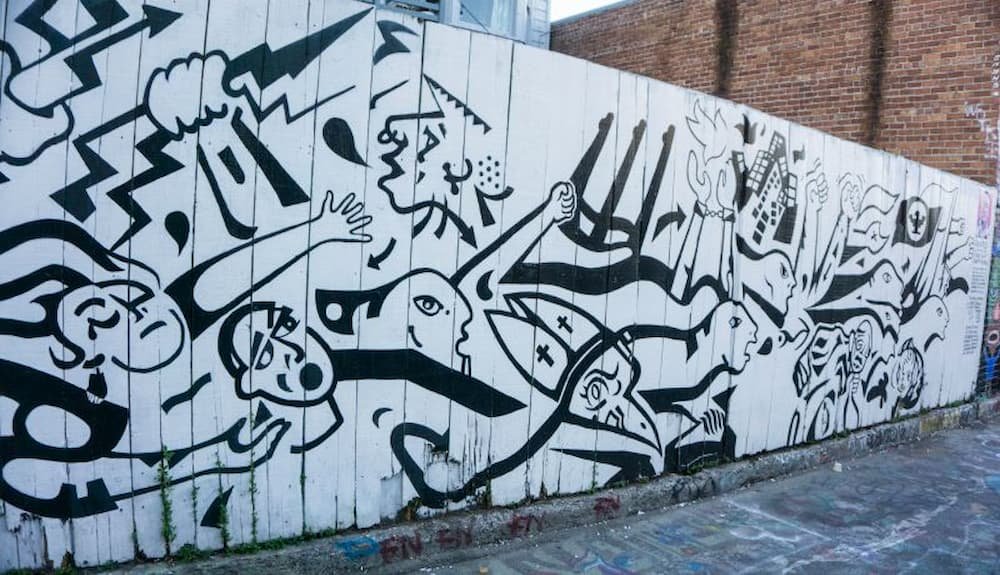


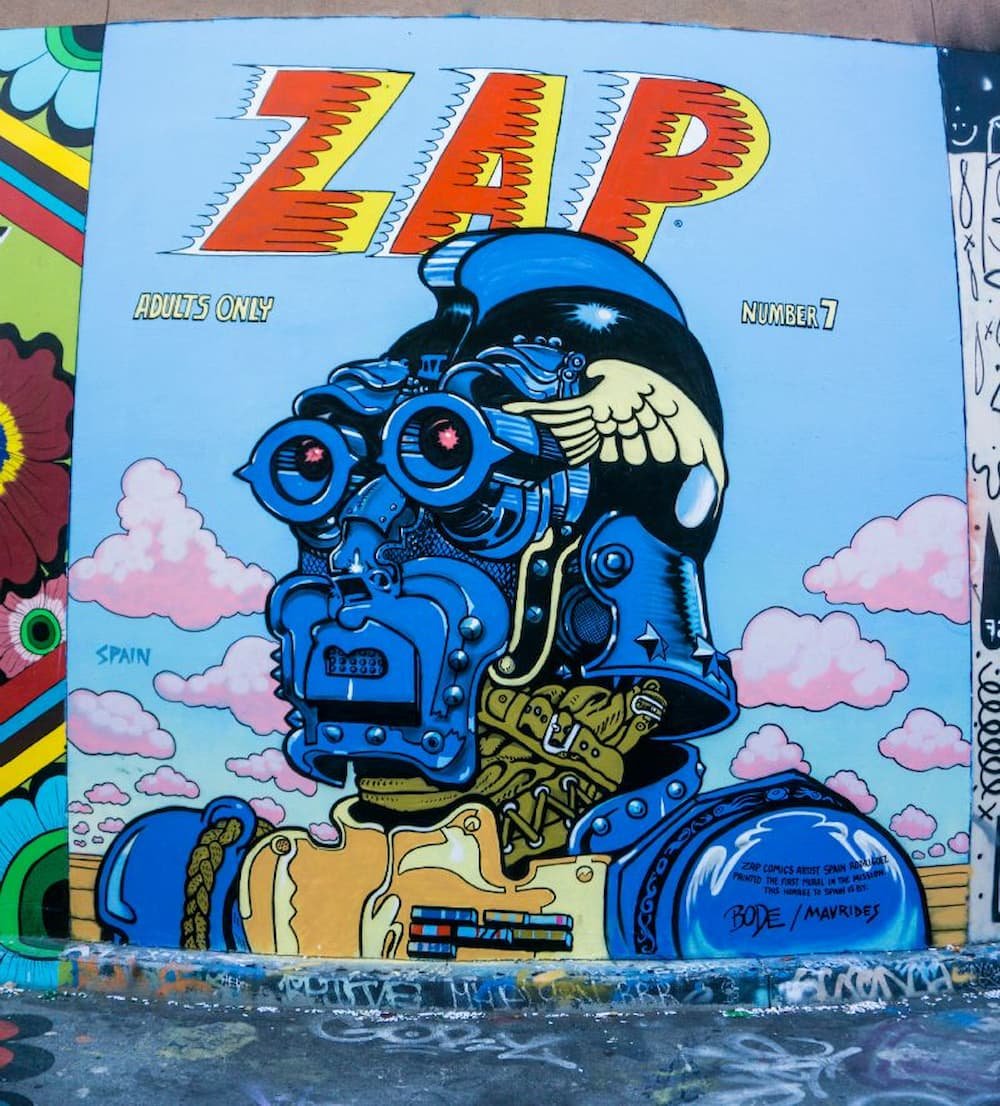
This is just a tiny sample of the multitude of street art to be found in San Francisco. While the Mission neighborhood is renowned for these murals, there are pieces to be found in every corner of the city.
Now it’s your turn – Which city have you visited that had amazing street art like this?
Today we chat with Scott MacKinnon about his incredible journey and that list that has now become famous. Backpacker Travel discovered Scott through his Facebook group Myxtraordinary and has been following his plight now for some months.
We would like to thank Scott for his contributions to our website and wish him all the best in the remainder of his travels.

BT: Ok so the obvious question we want to know is what made you come up with “The List”?
Scott: The list. Well, while I was bartending in Maui, I had the good fortune of meeting people from all over the world. It seemed that every few weeks I would meet someone new and they would paint the most beautiful picture of their country. I would spend the next few days telling anyone who would listen that I was packing up and moving to wherever they had mentioned. Eventually, I would forget about my plans and go back to my everyday life. Finally, after looking back on all my missed travel plans, I decided to take one year and devote it to traveling to all the places I’ve always wanted to go.
While I was making my list of places it dawned on me that not only were there many destinations I had neglected to follow through on but there were also numerous goals of mine that had fallen through the cracks. At that point, I knew the trip had to take on a more meaningful journey, and thus the list was created.
BT: What went into the selection process for the list? Did you struggle to find enough things to do or was it a matter of having to cull?
Scott: The selection process took a long time. Almost two years actually. After posting about 35/40 goals it was a real struggle to think back over all the years and recollect all of the things I wanted to do. At that point, I began actively searching out new ideas on the internet and through conversations with others. Basically, only the first three-quarters of the list is made up of things that I had always dreamed of accomplishing or attempting. I’m fully aware that some of the items on the list would take years to see through to completion, but just dedicating a small amount of time to them has been very rewarding. The second part of the list is comprised of newly discovered things that seem like amazing experiences/opportunities to me.
BT: Had you done much traveling prior to this epic trip? If so where to?
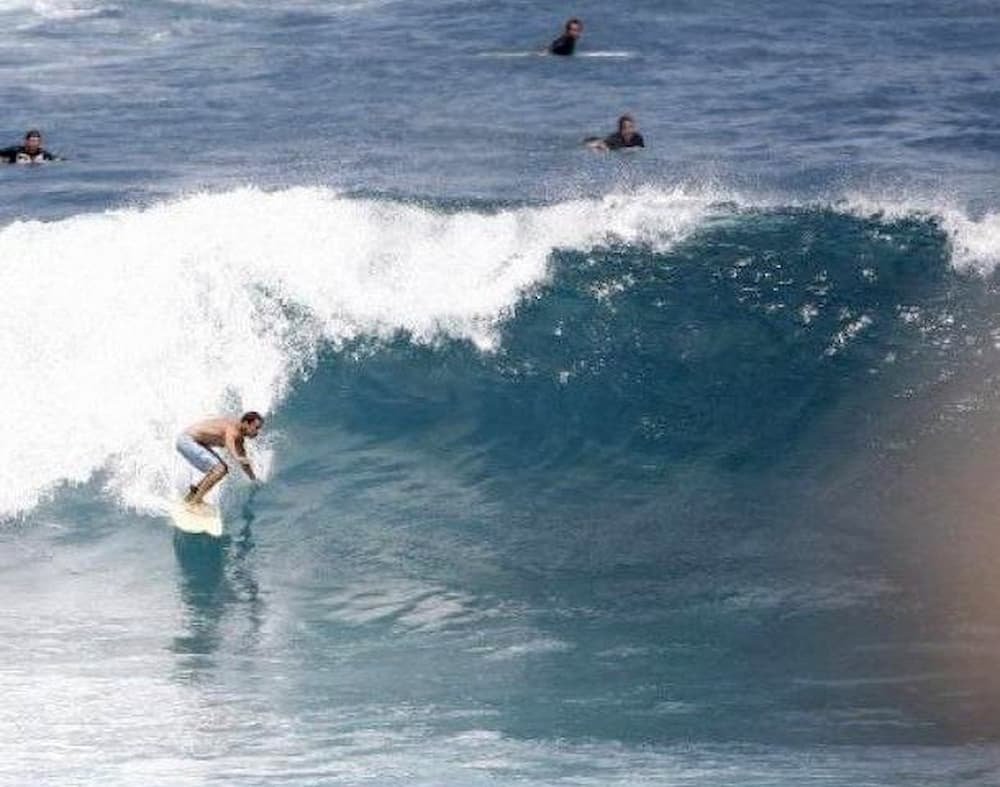
Scott: I hadn’t done much at all actually. Prior to moving to Hawaii, I had only flown on one plane, from Ottawa to Toronto. I had done some traveling within Ontario/Quebec and along the East Coast of the USA, but mostly for family vacations during my childhood. My first real trip came directly after Maui when I went to Panama for a five-week beach and surfing getaway.
BT: In your everyday life what do you do for a living? Did you have to leave your job or are you on extended leave?
Scott: I was a bartending beforehand, but quit my job to travel. When I finish things up, the sky is the limit.
BT: How long did you have to save up for the trip and have you had to set a tight budget?
Scott: I saved for about three years to do this. I did have a fixed budget going in, but have relaxed it a bit as time went on. I found it very difficult to concentrate purely on the love of travel and just being in the moment when I was concerned about my wallet. I was fortunate enough to have saved enough to just let things slide a bit.
BT: One of the items that always gives us a chuckle is you posing nude for an art class. Were you embarrassed and the obvious question – was it cold?
Scott: Haha. Nah, it was actually an honor to be in that situation. I know that sounds corny, but it was empowering to “de-robe” and “let it all hang out”. The owner couldn’t have been more helpful and THANKFULLY there was a heater on me the whole time

BT: Now you have recently completed the task to run with the bulls in Spain. Did it live up to your expectations? Were you shitting your pants?
Scott: I don’t know that it lived up to my expectations exactly. It was all over so quickly. The run lasted just two minutes 14 secs, although it seemed more like ten. You really had no time to let it sink it. You just ran like your life depended on it and it actually kind of did. The feeling that came over you when you entered the stadium afterward was the best part, but it also had its drawbacks. They let three smaller bulls out that run around charging and bashing into everyone and that was a little sad. You’re not supposed to touch the bulls, but people were grabbing them by the horns and smacking them as they ran by. It’s a shame that a few bad apples can give tourists such a bad name. All in all, though, it was pretty crazy.
BT: So is there anything that really stands out as most memorable so far?
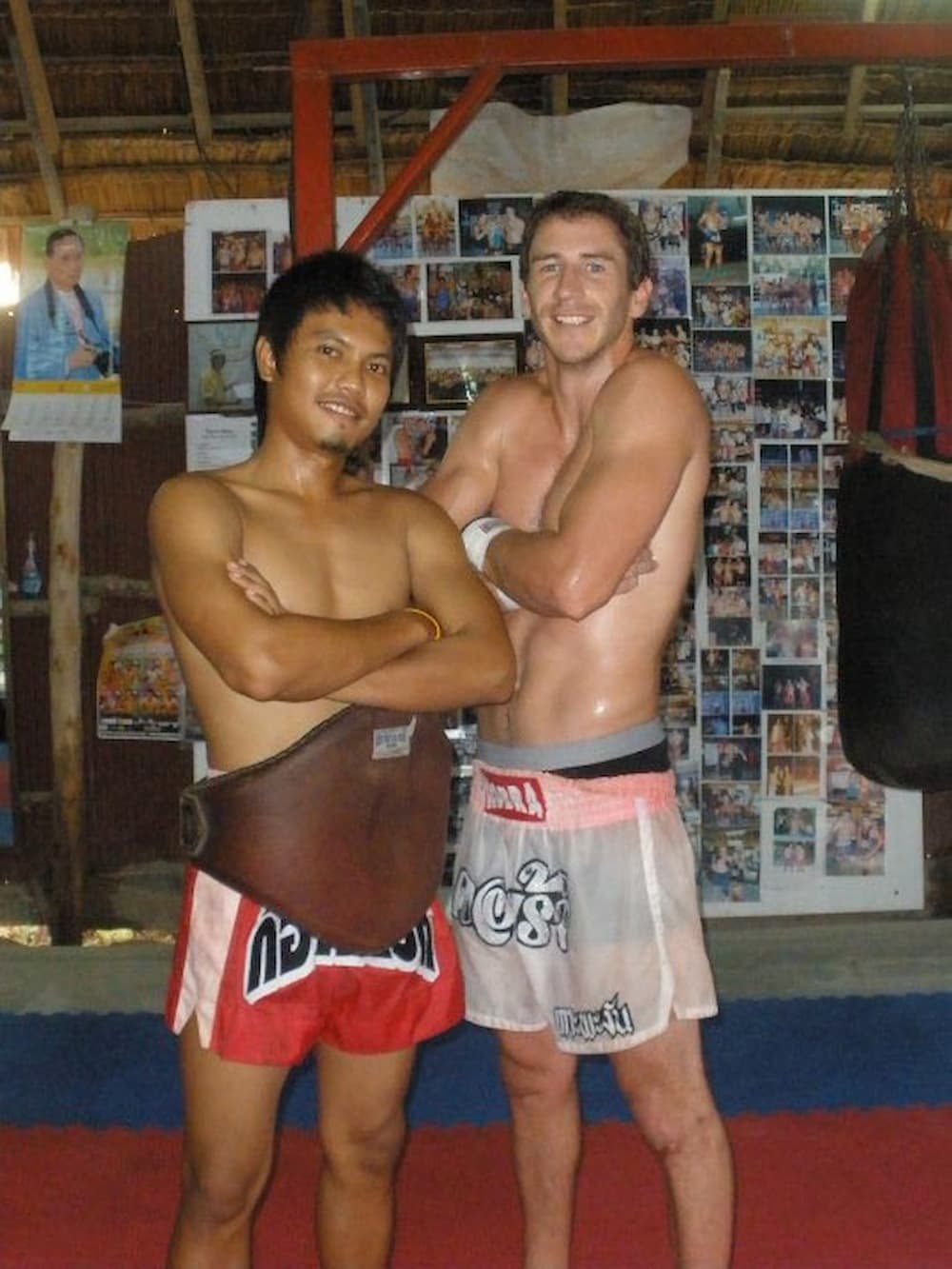
Scott: There have been a few things. My Thai Boxing training in Thailand and my time with Pawan Kumar in India have been so special to me. They are two periods of time where I felt I really got a glimpse into someone else’s life.
BT: Do you have any suggestions for anyone reading this who might be considering a similar expedition?
Scott: Take it all in and don’t be put off by “failed attempts”. The goals are far more important than checks on a list, they provide you with so much more. The people, the places, and the memories will last forever. Always remember that.
BT: Finally, do you think that by completing this so-called “bucket list” so early in your life you might feel a little unmotivated when you return to normality?
Scott: If anything it's just the opposite. I feel that if I can get through this and accomplish what I started, it will go a long way in proving to myself that I can be a man of my convictions. Whether running around the globe, teaching in a classroom, or starting your own business; it’s all part of a bigger process in shaping who we are. I consider what I’m doing to be completely normal, I just might have a different set of priorities than others right now. When those priorities change, so will I, but as long as I’m doing what makes ME happy, I don’t think it's possible to be unmotivated.
If you would like to follow Scott's adventures you can check out his blog 1 Year 1 Life 1 List.
After returning, Scott has since written a book about his adventure called Flip Flop. You can pick up a copy on Amazon.com.

You don’t need to be religious to appreciate the history and beautiful architecture of a well-designed church. Today, we want to test your knowledge and see how much you know about the following 12 churches from around the world. Good luck!

Today we take you back to your childhood, back to the good old fairground. Who can forget their first ride on the Ferris wheel? The thrill as you climb higher and higher above the crowds, the birds-eye view for miles around. Give it your best shot and see if you know where to find these worldly Ferris wheels. Good luck!

I know a few foodies who like to plan their holidays around what they’ll eat, and where. Whilst I personally tend to stick to a strict diet of cooking wine and expired food stolen from the hostel when on the road, I can imagine that Europe, in general, is a great region for an authentic, hearty foodie holiday. But Spain distinguishes itself by being the only country in the world where you could plan an entire foodie fight itinerary.
What is it with Spaniards and playing with their food? Seems everywhere I go here, locals are throwing editable/potable projectiles in my direction as a sign of affection. Where I come from, a woman throwing wine in your face would be considered a bad date, whereas it’s par for the course at many fiestas throughout rural Spain. Whether it’s wine, grapes, bulls, or tomatoes coming your way at high velocity, you’d do well to leave your three-piece at home if you’re attending a traditional festival.
The next one on my agenda involves the latter: literal truckloads of squishy tomatoes painting the small town of Buñol red as the streets become the world’s biggest human Bolognese.
La Tomatina: slim, cobbled alleyways awash with red wine and red pulp, locals and visitors all dressed in white (but not for long). This is not so much a food fight as all-out food combat. Make no mistake: it’s a war out there; when you get to La Tomatina, be prepared. Be prepared not to eat tomatoes again for the next two years. Be prepared to smell like a waterlogged pizzeria. Be prepared to laugh at old ladies being hit in the face with older fruit. Be prepared, soldier; arm yourself with the following intel from a few veterans for the most awesome time:
Buñol is not exactly a metropolis. The central plaza is ground zero for the tomato fight, which officially begins when a man climbs a greasy pole to collect a leg of ham (don’t ask). The crowd is dense. If you don’t make it into the plaza, don’t worry; the fight takes place all over town – but if you want the full cultural experience, head in as early as you can manage to secure a spot.

The town will arm you: trucks will squeeze down the narrow streets, casually volleying wrinkled ketchup fodder out the back for all and sundry to hurl at their frenemies. You will not be short on ammunition.
You’ll see a lot of people wearing goggles. Join their rank if you’re prone to pinkeye – there’ll be a lot of that going around next morning. Big ones are best if you can wrangle them. Swimming goggles are less effective than you might imagine once you’re slick with juice. Sunglasses are not going to save you.

You’ll be pressed against warm bodies covered in warm wine and tomato sauce, all simmering in the hot sun: things get a little cozy in the saucepan that is Buñol. Clothes do get accidentally torn, removed, or borrowed. Probably best not to freeball either, gentlemen.
This one time, I went to a foam party with a friend. We had just come from the beach and had flip-flops on. Neither my flip-flops nor the friend was ever seen nor heard of again.

You’ll be wading through a literal foot of the red stuff. If you drop your camera, you’ll be joining the mile-long line at the cop shop afterward and most likely never seeing it again. Tie it to you, and double-check it’s not only water-proof but wine-proof (I put my iPhone in a condom – not only did it keep the phone safe, if gave all my pictures an adorable golden-age-of-cinema soft-lens effect). Leave any other valuables at home.

After the fight, locals will begin to hose down the streets and the combatants. There is also a river nearby, so you should have ample opportunity to get clean(ish) and dry off in the hot sun in time for your bus/taxi. But if you don’t want to reek on the commute home, bring something along to change into.

Now get out there to the Spanish countryside, make some friends with salad, and become a true food fight connoisseur.
We’ve hooked up with the folks at Stoke Travel to bring you a very special offer. Book their La Tomatina package as a Backpacker Travel community member and they will supply you with Free Unlimited Beer and Sangria at their campsite.
Book with the promo code BACKPACKER and boom, the drinks (and tomatoes) are on us!
“Honey I’m just off to the loo”…..It’s one of those things that we all do, it’s unavoidable, we use the toilet right. Well on our travels around the world we have seen more than our fair share of toilets and heard them called by many different names.
Today we would like to showcase to you all, a selection of some of the most unusual and funny toilet signs from all over the world and the names we like to call our toilets.
This is sure to put a wry smile on your face. Enjoy!


On my last trip, I got to test out the Outdoor Products Amphibian Weather Defense Pack, a waterproof daypack purpose-built for outdoor adventures. The pack held up great even though it was tossed around the back of our trailer at times.


At first, I was concerned that there would not be much room but I was surprised at how much stuff I could actually fit in the main compartment. The big downfall was that this meant I spent a lot of time looking for an item that was buried at the bottom.
Overall the pack was very comfortable, even in high temperatures where I would have expected my back to sweat more. This is a great choice for rock climbers and canyoners who will be out in the elements and want to keep their gear dry.
Even though the pack only has a single storage compartment, I managed to pack quite a lot into it (enough for my 7 day trip to Yosemite).

Here is the full list of items that it fit:
Note: I wore the shoes, hat, and sunglasses.
420 Denier fabric with TPU coating
20 liters
687g (24.25oz)
58.5cm x 24cm x 19cm (23″ x 9.5″ x 7.5″)
Blue, Red, Black
Yes – welded seams and watertight, roll-top seal
The pack is basically one big container, so don’t expect to be using the other pockets too much. It would be nice to have some form of organization in the main compartment. Perhaps some pull-out sections like with the laptop compartment on the Outdoor Products Power Pack Glide 2.0. I found it a little annoying trying to find items at the bottom of the pack.
Additional gear loops would be great so you could hang your water bottle or other items that didn’t need to be inside the pack. There is currently no way of carrying a water bottle other than inside the main compartment.

If you need a basic durable waterproof pack this is an excellent choice. Just be sure to use packing cubes or similar to organize your gear.
Grab yours on Amazon
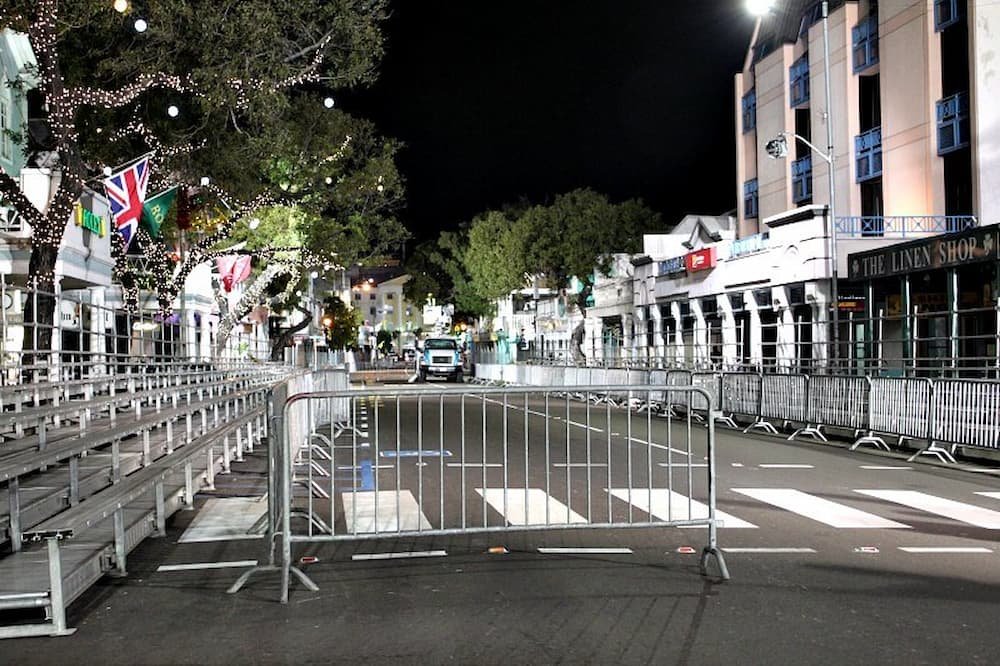
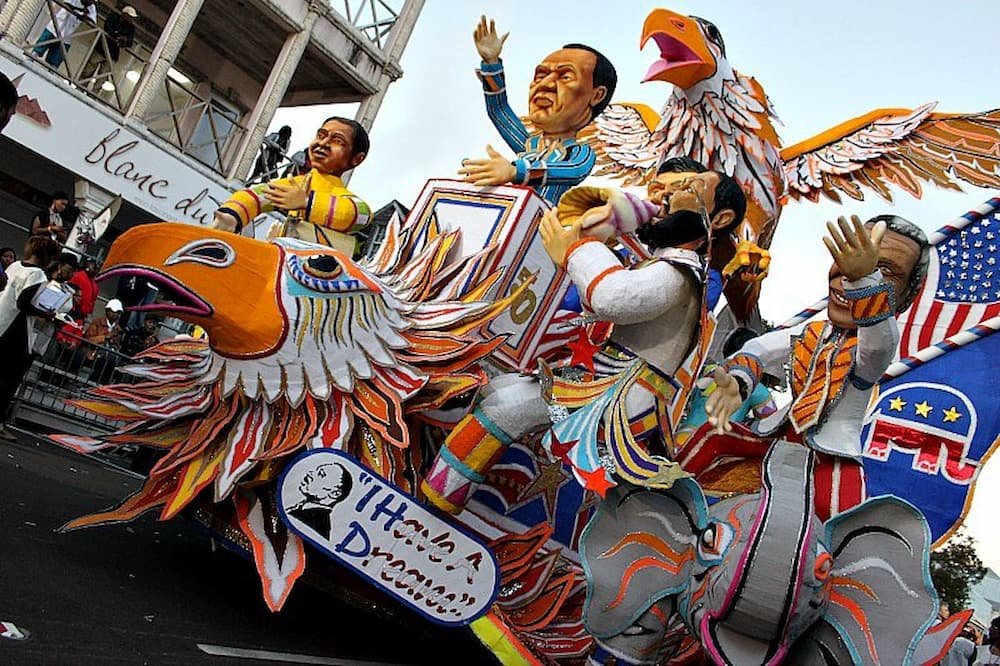
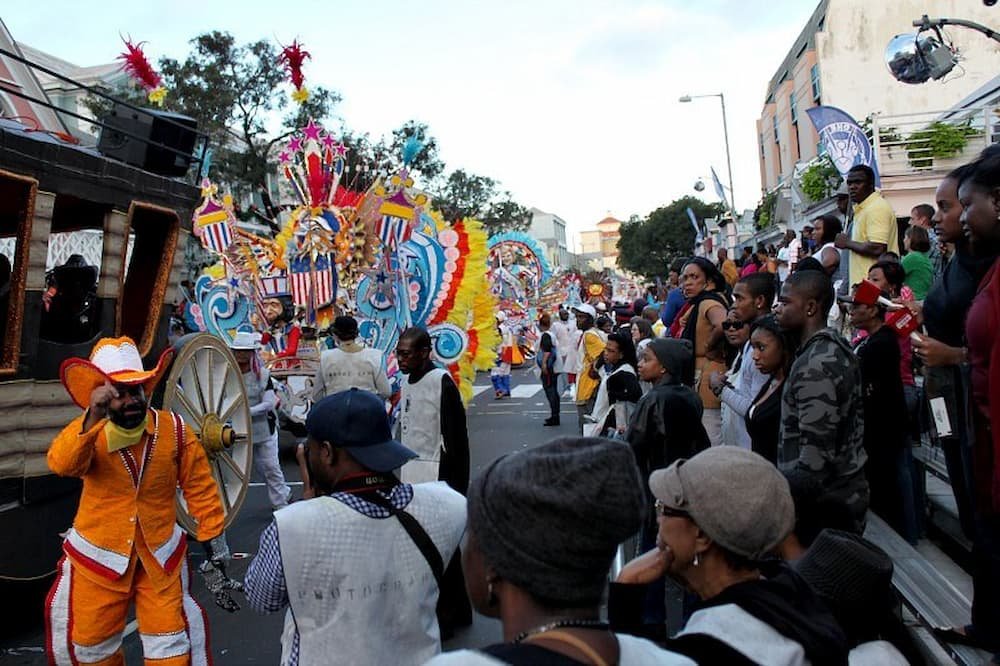
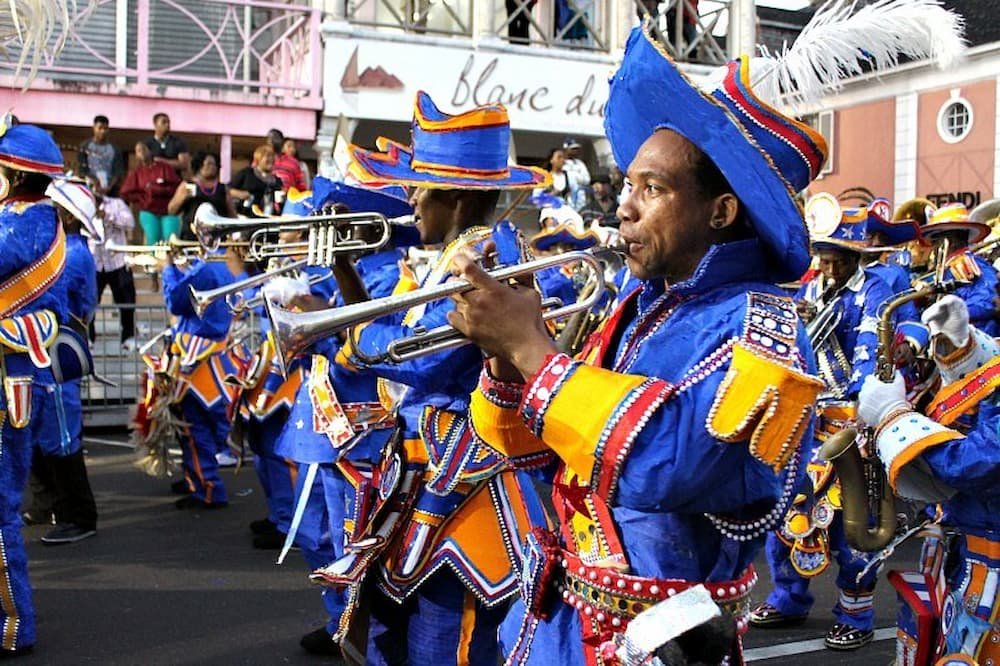
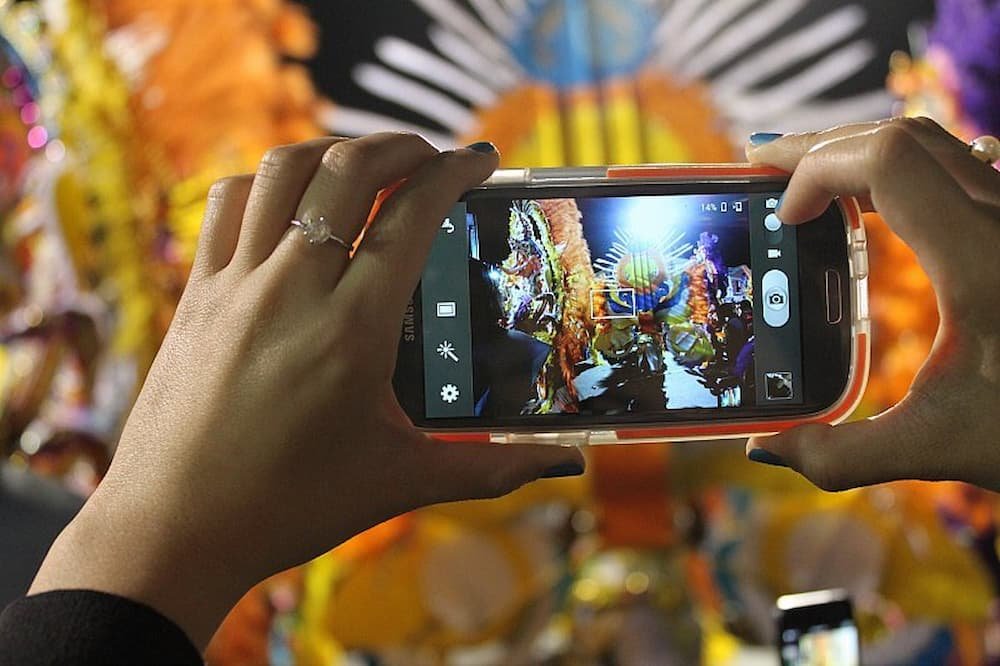
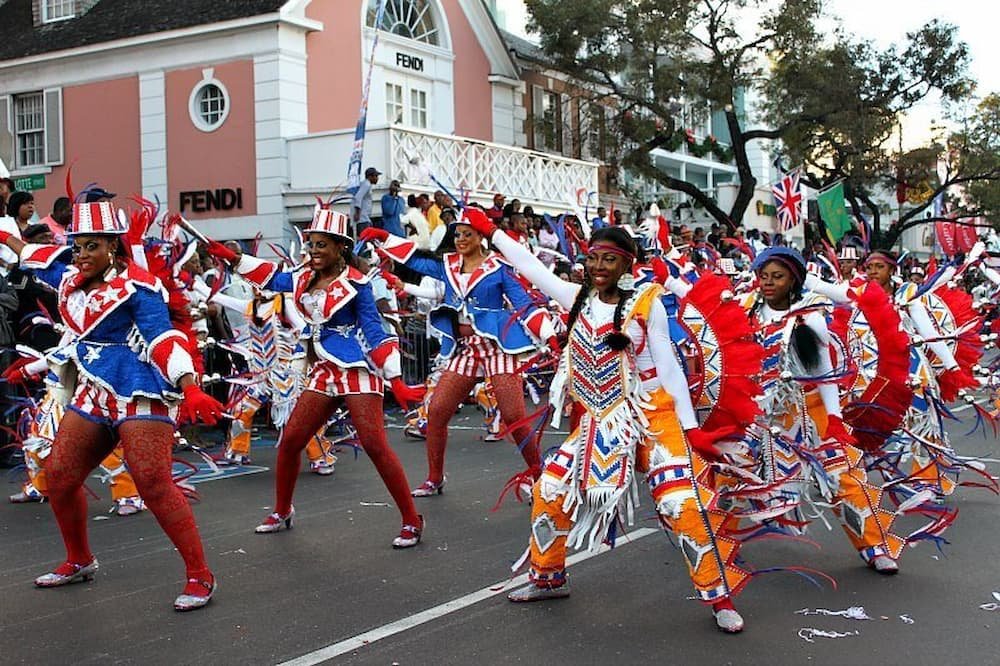
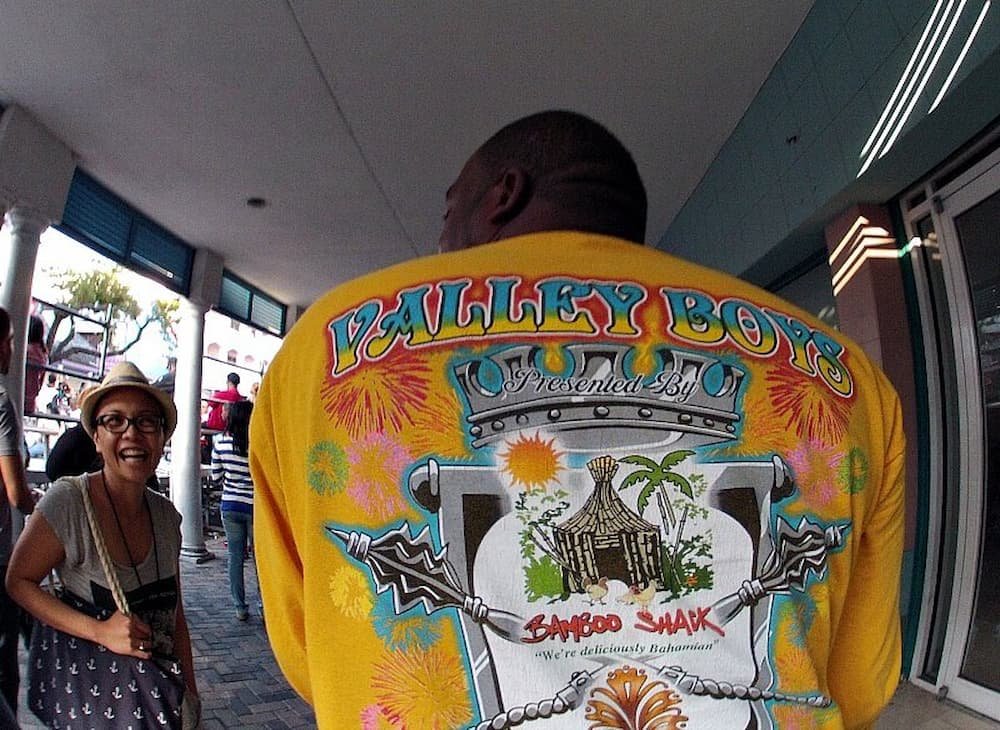
Our recent trip to the Bahamas was predominantly for the Junkanoo festival that takes place in the early hours of the morning on both Boxing Day and New Year's Day. If you would like to find out more information about the festival I encourage you to check out the listing I wrote for Fest300.com – Junkanoo Festival. You can also view more of my photos here – Rushing to Junkanoo.













Pack your bags, grab your ticket and head off on your next adventure. Seems simple enough right?…… well it can be, but traveling unprepared and uneducated can also be dangerous.
While the thought of traveling alone can seem daunting, it can be an incredibly liberating experience. So much so that once you have experienced it, you may never want to travel with a companion again. Starting off solo does not necessarily mean that you will travel alone. There are many travelers on the road, traveling by themselves for the same reasons you are, which makes it easy to connect.
Traveling alone exposes travelers to people they may never have encountered had they been traveling in a twosome yet it can also be significantly more dangerous than traveling with another person. Below are the pitfalls and joys of solo travel.

The very reason you decided to embark on this trip is to see the world on your own terms, so why have someone holding you back from crafting the very best possible trip for you? Traveling solo affords travelers total flexibility.
Some backpackers prefer to stick to a regimented itinerary while others like to go with the flow. Traveling solo is the ultimate form of self–indulgence as it allows you to do what you want when you want without worrying about the needs of anyone else but you.
Traveling in a group, even in a twosome, can often close oneself off to new experiences and people. As a solo traveler, you are more open to meeting new people along the road and chatting up the locals. Not only will you encounter new and interesting people that you may never have met traveling in a pack but these people will also expose you to some new experiences.
For instance, while traveling solo in Spain I met some Swedish guys who were playing in a beach volleyball tournament and one of their players was injured. I ended up filling in and later flew to Sweden to meet up with them again. I likely would never have gone there had I not been traveling on my own.
Depending on the type of traveler you are, this may be either a positive or negative aspect of traveling on your own. As a solo traveler, you will have long stretches of time where you have no one to talk to.
This is always a good time to reflect upon your life, trip, and what you hope to accomplish once you return home. For some, this may lead to feelings of loneliness while others relish the time away from others.
It’s always nice to have a sounding board to bounce ideas off of; for instance, is this travel agent trying to scam me, is this a good price or is getting into this sketchy car a good idea? When you are traveling alone you need to rely solely on your own instincts.
When traveling alone you always need to be more cognizant of your safety this includes: indulging in sketchy food; having one too many drinks; to traveling to remote regions where there are little to no other travelers. Women should be particularly careful when traveling alone. Some ways to stay safe are:
While it may be exhilarating to meet new people, at the end of the day you return to an empty room and are ultimately by yourself. Undoubtedly, even the most independent travelers have moments where they wish they could share an experience with another individual; whether it’s a mesmerizing sunset or a lonely meal. But don’t sweat it, these moments are few and far between and you will likely have company whether you like it or not.
Since single rooms are generally more expensive than double rooms, solo travelers should be prepared to pay a few extra bucks. Solo travelers can reduce the cost of their accommodation either by finding a roommate or sleeping in a dorm. Generally, sharing the price of a room brings your cost down by half.
It’s always a good idea to negotiate the price of your room beforehand and see if the hostel owner is willing to give you a break.
Don’t let your fear of the unknown keep you from the open road. For more tips on meeting people, see – How to Make New Connections on the Road.
What does it take to become a backpacker? This is a question I have heard a thousand times so I figured it’s time to give it a crack and offer some advice.
To start out, what is backpacking anyway? Backpacking is an adventurous style of traveling for people who are interested in discovering new places, activities, and people on a limited budget. Now, this is not to say that you have to be totally roughing it to be a backpacker as there are some fantastic low-cost options out there these days.

Backpacking is a great way to experience different countries, and cultures, meet new and interesting people. It’s not very difficult to be a backpacker, but you do need to possess some qualities before you start your journey.
A backpacker needs to be independent. Typically, backpacking is done either alone or with a partner. My personal suggestion is to backpack solo at least once as you will never get a better opportunity to learn about who you are and who you want to be.
You have to be willing to take some risks and take care of yourself. That includes booking a bed, seeking information, and sorting out your meals and transportation. It’s hard to succeed if you always depend on others to do the job.
Being prepared is essential for backpacking. You need to have a plan and research information (from the internet or travel guide) and plan your journey. Without planning, you might end up in northern Finland without knowing the way back. Plan your travel route and destinations wisely so that you can save time and money. Don’t forget to be smart in packing your stuff. You might want to save space and reduce the weight of your backpack.
Most importantly, you must be willing to sacrifice. Backpackers face hardship and challenges. They have to travel for long hours, endure bad weather, and cope with nasty local people with suspect intentions. This is not your honeymoon!!
Here are some funny, yet common stereotypical characteristics.

The scribbled stories from Singapore, tales from Thailand, and memories of amazing people and places will be what you treasure when you’re in your 50s. Think of it less as a journal or diary and more as the story of your travels. Your own little book!
One of your cheapest investments that are guaranteed fun is a pack of playing cards. It’s the best way to make friends and a lifesaver if you’re staying in a hostel with no TV on a rainy day.

If you are staying in a country for a while, purchase a local sim card for your mobile phone rather than switching your global roaming on. It’s a lot cheaper and you don’t need to pay for calls you receive.
Thousands of people use hostel showers and one of the most common travel complaints is a bad case of tinea.. ahhh the itchiness.

It comes in so handy in so many ways, and not just a toilet paper replacement.
Many cities have free admissions or cheaper ticket days to galleries, museums, and cinemas. Be aware though, that some attractions can be closed on certain days of the week.. this is especially true for museums and art galleries so plan ahead to avoid disappointment. Your best bet is to visit the local tourist info and pick up some flyers.
Most city libraries have free Internet access so you can brush up on your next destination or plan and book the next part of your trip.
If you are traveling through a hot climate make sure you carry insect repellent. Those little bastards that bite will have you in bits before you even know it! We all know what it’s like to spend a sleepless night waving off those annoying little buggers.

So as you can see you don’t really have to have a lot of money to travel, contrary to what most people believe. Just stay in control of your budget and your time. If you really want to save, make friends with the locals of the countries you will visit as they will tell you how to go to the must-see places, where to eat cheaply and how to travel like a local. Stay with them if possible and get to know their culture. The friendships that you will gain are one of the most important things about backpacking.
Remember that every day is your free time – you have all the freedom to discover new things, new places, and new people. These are the times when you don’t have to worry about waking up early to go to work, no boss to deal with, no deadlines, and no responsibilities. Backpacking is an attitude, a carefree approach to traveling and most of all it is a life-changing experience.
Just think…you could be here!

There you have it, everything you need to know about becoming a backpacker! Click here for the best backpacking equipment.
