“Honey I’m just off to the loo”…..It’s one of those things that we all do, it’s unavoidable, we use the toilet right. Well on our travels around the world we have seen more than our fair share of toilets and heard them called by many different names.
Today we would like to showcase to you all, a selection of some of the most unusual and funny toilet signs from all over the world and the names we like to call our toilets.
This is sure to put a wry smile on your face. Enjoy!


On my last trip, I got to test out the Outdoor Products Amphibian Weather Defense Pack, a waterproof daypack purpose-built for outdoor adventures. The pack held up great even though it was tossed around the back of our trailer at times.


At first, I was concerned that there would not be much room but I was surprised at how much stuff I could actually fit in the main compartment. The big downfall was that this meant I spent a lot of time looking for an item that was buried at the bottom.
Overall the pack was very comfortable, even in high temperatures where I would have expected my back to sweat more. This is a great choice for rock climbers and canyoners who will be out in the elements and want to keep their gear dry.
Even though the pack only has a single storage compartment, I managed to pack quite a lot into it (enough for my 7 day trip to Yosemite).

Here is the full list of items that it fit:
Note: I wore the shoes, hat, and sunglasses.
420 Denier fabric with TPU coating
20 liters
687g (24.25oz)
58.5cm x 24cm x 19cm (23″ x 9.5″ x 7.5″)
Blue, Red, Black
Yes – welded seams and watertight, roll-top seal
The pack is basically one big container, so don’t expect to be using the other pockets too much. It would be nice to have some form of organization in the main compartment. Perhaps some pull-out sections like with the laptop compartment on the Outdoor Products Power Pack Glide 2.0. I found it a little annoying trying to find items at the bottom of the pack.
Additional gear loops would be great so you could hang your water bottle or other items that didn’t need to be inside the pack. There is currently no way of carrying a water bottle other than inside the main compartment.

If you need a basic durable waterproof pack this is an excellent choice. Just be sure to use packing cubes or similar to organize your gear.
Grab yours on Amazon
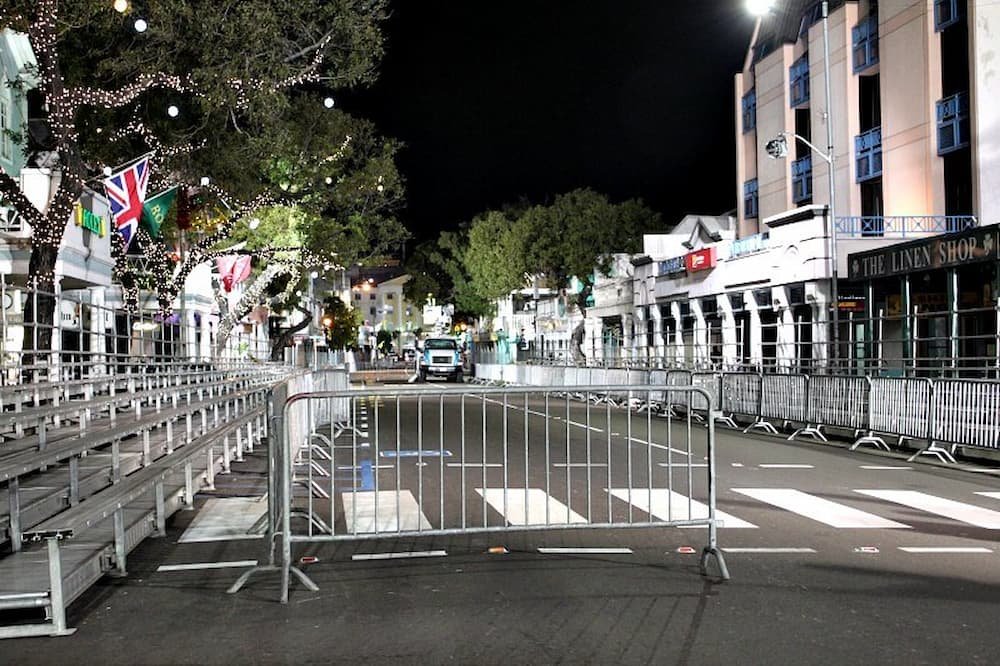
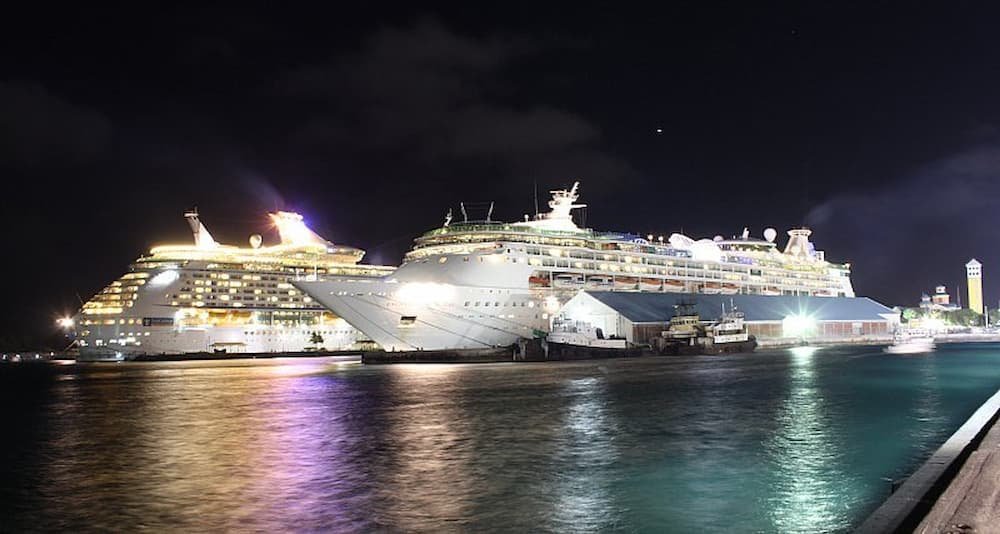
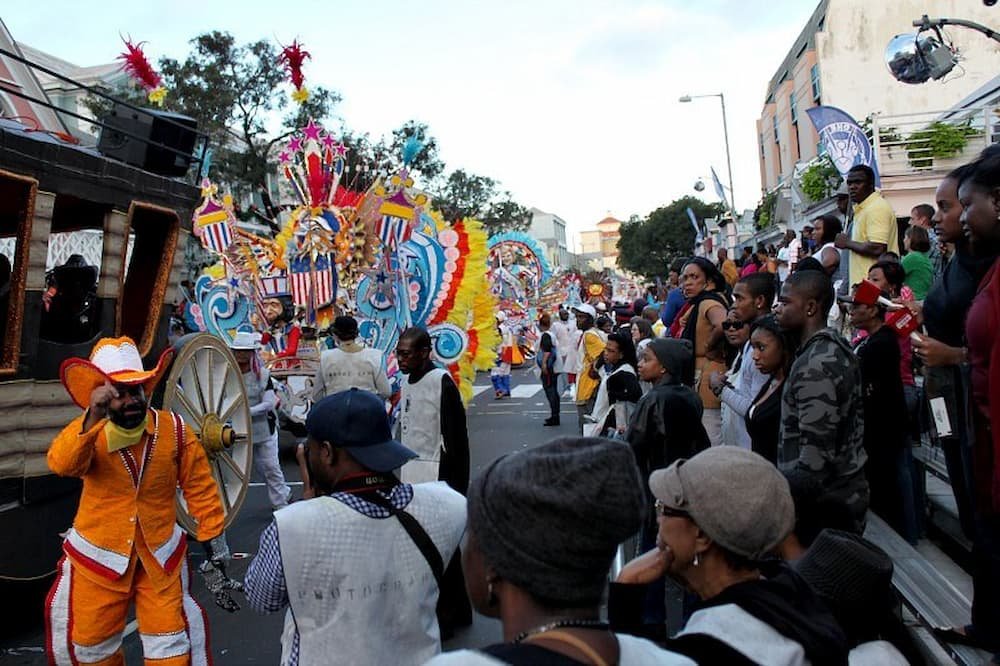
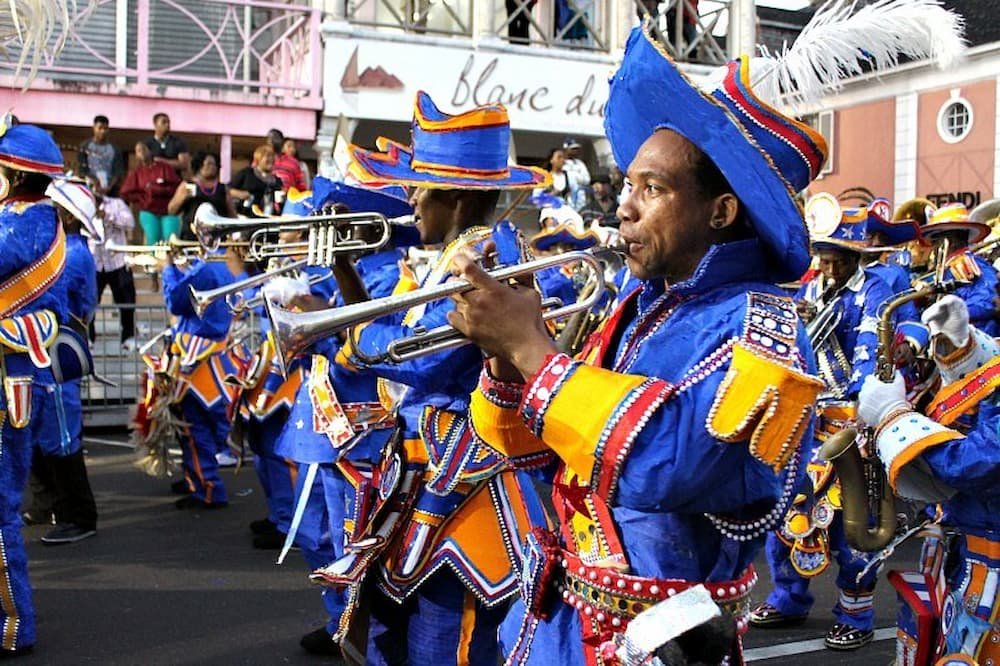
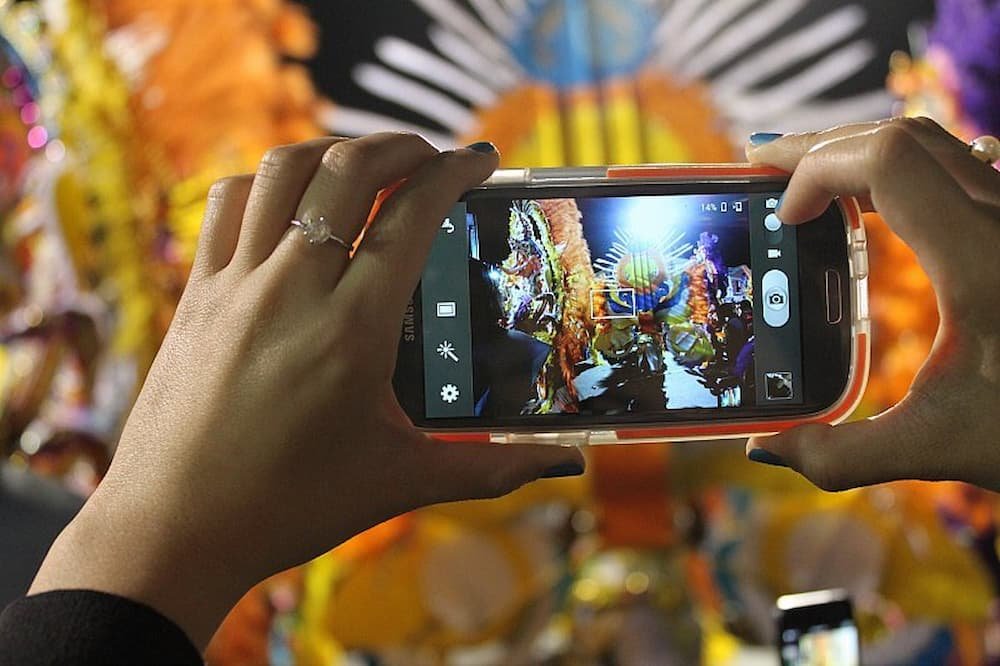
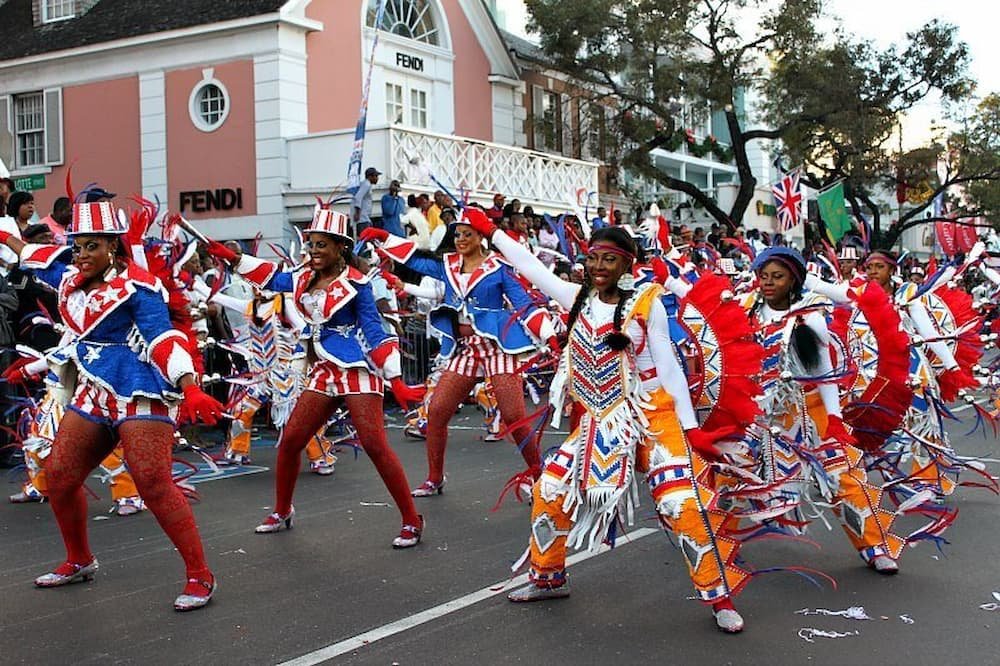
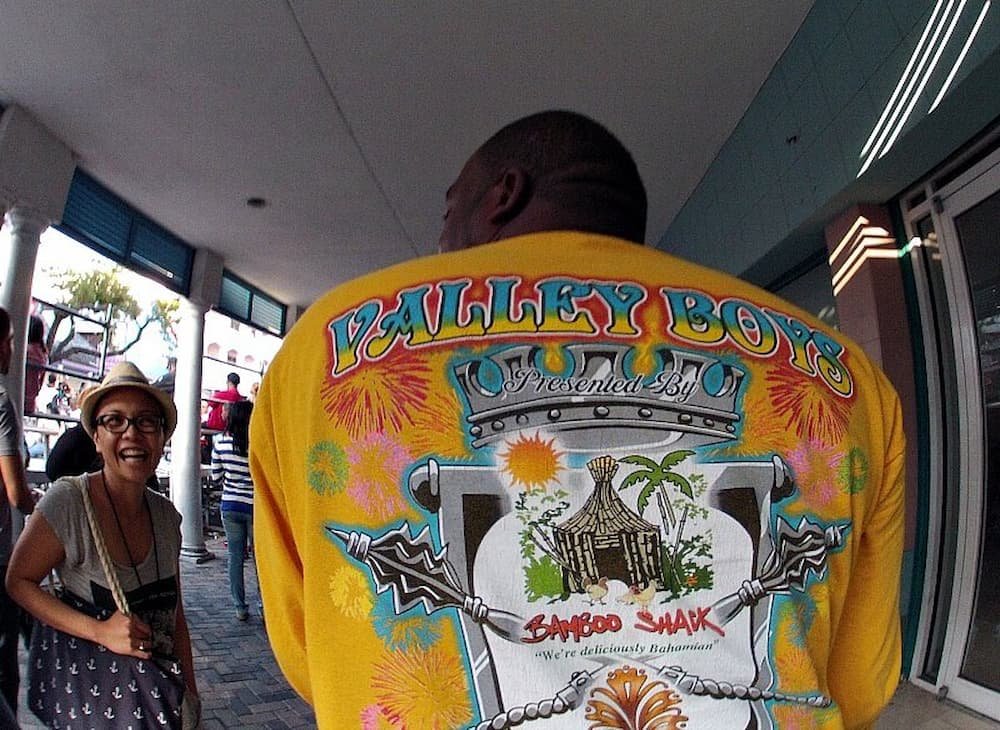
Our recent trip to the Bahamas was predominantly for the Junkanoo festival that takes place in the early hours of the morning on both Boxing Day and New Year's Day. If you would like to find out more information about the festival I encourage you to check out the listing I wrote for Fest300.com – Junkanoo Festival. You can also view more of my photos here – Rushing to Junkanoo.













Pack your bags, grab your ticket and head off on your next adventure. Seems simple enough right?…… well it can be, but traveling unprepared and uneducated can also be dangerous.
While the thought of traveling alone can seem daunting, it can be an incredibly liberating experience. So much so that once you have experienced it, you may never want to travel with a companion again. Starting off solo does not necessarily mean that you will travel alone. There are many travelers on the road, traveling by themselves for the same reasons you are, which makes it easy to connect.
Traveling alone exposes travelers to people they may never have encountered had they been traveling in a twosome yet it can also be significantly more dangerous than traveling with another person. Below are the pitfalls and joys of solo travel.

The very reason you decided to embark on this trip is to see the world on your own terms, so why have someone holding you back from crafting the very best possible trip for you? Traveling solo affords travelers total flexibility.
Some backpackers prefer to stick to a regimented itinerary while others like to go with the flow. Traveling solo is the ultimate form of self–indulgence as it allows you to do what you want when you want without worrying about the needs of anyone else but you.
Traveling in a group, even in a twosome, can often close oneself off to new experiences and people. As a solo traveler, you are more open to meeting new people along the road and chatting up the locals. Not only will you encounter new and interesting people that you may never have met traveling in a pack but these people will also expose you to some new experiences.
For instance, while traveling solo in Spain I met some Swedish guys who were playing in a beach volleyball tournament and one of their players was injured. I ended up filling in and later flew to Sweden to meet up with them again. I likely would never have gone there had I not been traveling on my own.
Depending on the type of traveler you are, this may be either a positive or negative aspect of traveling on your own. As a solo traveler, you will have long stretches of time where you have no one to talk to.
This is always a good time to reflect upon your life, trip, and what you hope to accomplish once you return home. For some, this may lead to feelings of loneliness while others relish the time away from others.
It’s always nice to have a sounding board to bounce ideas off of; for instance, is this travel agent trying to scam me, is this a good price or is getting into this sketchy car a good idea? When you are traveling alone you need to rely solely on your own instincts.
When traveling alone you always need to be more cognizant of your safety this includes: indulging in sketchy food; having one too many drinks; to traveling to remote regions where there are little to no other travelers. Women should be particularly careful when traveling alone. Some ways to stay safe are:
While it may be exhilarating to meet new people, at the end of the day you return to an empty room and are ultimately by yourself. Undoubtedly, even the most independent travelers have moments where they wish they could share an experience with another individual; whether it’s a mesmerizing sunset or a lonely meal. But don’t sweat it, these moments are few and far between and you will likely have company whether you like it or not.
Since single rooms are generally more expensive than double rooms, solo travelers should be prepared to pay a few extra bucks. Solo travelers can reduce the cost of their accommodation either by finding a roommate or sleeping in a dorm. Generally, sharing the price of a room brings your cost down by half.
It’s always a good idea to negotiate the price of your room beforehand and see if the hostel owner is willing to give you a break.
Don’t let your fear of the unknown keep you from the open road. For more tips on meeting people, see – How to Make New Connections on the Road.
What does it take to become a backpacker? This is a question I have heard a thousand times so I figured it’s time to give it a crack and offer some advice.
To start out, what is backpacking anyway? Backpacking is an adventurous style of traveling for people who are interested in discovering new places, activities, and people on a limited budget. Now, this is not to say that you have to be totally roughing it to be a backpacker as there are some fantastic low-cost options out there these days.

Backpacking is a great way to experience different countries, and cultures, meet new and interesting people. It’s not very difficult to be a backpacker, but you do need to possess some qualities before you start your journey.
A backpacker needs to be independent. Typically, backpacking is done either alone or with a partner. My personal suggestion is to backpack solo at least once as you will never get a better opportunity to learn about who you are and who you want to be.
You have to be willing to take some risks and take care of yourself. That includes booking a bed, seeking information, and sorting out your meals and transportation. It’s hard to succeed if you always depend on others to do the job.
Being prepared is essential for backpacking. You need to have a plan and research information (from the internet or travel guide) and plan your journey. Without planning, you might end up in northern Finland without knowing the way back. Plan your travel route and destinations wisely so that you can save time and money. Don’t forget to be smart in packing your stuff. You might want to save space and reduce the weight of your backpack.
Most importantly, you must be willing to sacrifice. Backpackers face hardship and challenges. They have to travel for long hours, endure bad weather, and cope with nasty local people with suspect intentions. This is not your honeymoon!!
Here are some funny, yet common stereotypical characteristics.

The scribbled stories from Singapore, tales from Thailand, and memories of amazing people and places will be what you treasure when you’re in your 50s. Think of it less as a journal or diary and more as the story of your travels. Your own little book!
One of your cheapest investments that are guaranteed fun is a pack of playing cards. It’s the best way to make friends and a lifesaver if you’re staying in a hostel with no TV on a rainy day.

If you are staying in a country for a while, purchase a local sim card for your mobile phone rather than switching your global roaming on. It’s a lot cheaper and you don’t need to pay for calls you receive.
Thousands of people use hostel showers and one of the most common travel complaints is a bad case of tinea.. ahhh the itchiness.

It comes in so handy in so many ways, and not just a toilet paper replacement.
Many cities have free admissions or cheaper ticket days to galleries, museums, and cinemas. Be aware though, that some attractions can be closed on certain days of the week.. this is especially true for museums and art galleries so plan ahead to avoid disappointment. Your best bet is to visit the local tourist info and pick up some flyers.
Most city libraries have free Internet access so you can brush up on your next destination or plan and book the next part of your trip.
If you are traveling through a hot climate make sure you carry insect repellent. Those little bastards that bite will have you in bits before you even know it! We all know what it’s like to spend a sleepless night waving off those annoying little buggers.

So as you can see you don’t really have to have a lot of money to travel, contrary to what most people believe. Just stay in control of your budget and your time. If you really want to save, make friends with the locals of the countries you will visit as they will tell you how to go to the must-see places, where to eat cheaply and how to travel like a local. Stay with them if possible and get to know their culture. The friendships that you will gain are one of the most important things about backpacking.
Remember that every day is your free time – you have all the freedom to discover new things, new places, and new people. These are the times when you don’t have to worry about waking up early to go to work, no boss to deal with, no deadlines, and no responsibilities. Backpacking is an attitude, a carefree approach to traveling and most of all it is a life-changing experience.
Just think…you could be here!

There you have it, everything you need to know about becoming a backpacker! Click here for the best backpacking equipment.
Want to start your New Year with a splash – literally?
Thailand does exactly that with its Songkran festival, held annually from 10 April. Depending on where you’re at, the festivities can continue for between six to ten days. Falling during the hottest time of the year at the end of the dry season (temperatures can rise to over 100F or 40C on some days), it’s no wonder that the country ushers in the New Year armed with water guns.

Originally held only in the north of Thailand, the festival is thought to have been introduced by the Burmese, who adapted it from the Indian Holi festival. Traditionally, this was a time to visit and pay respects to elders, including family members, friends, and neighbors. The festival spread across Thailand in the mid-20th century; however, the most famous Songkran celebrations are still in the northern city of Chiang Mai, where it continues for at least six days.
The main celebrations, in the capital, focus on bathing rites of replicas of revered Buddha images originating from various provinces in the north, south, east, and central regions, interspersed with traditional food and dessert-making demonstrations and cultural performances. The opening ceremony will take place on the 10th of April, at Phra Chetupon Wimol Manklaram or the Temple of the Reclining Buddha.
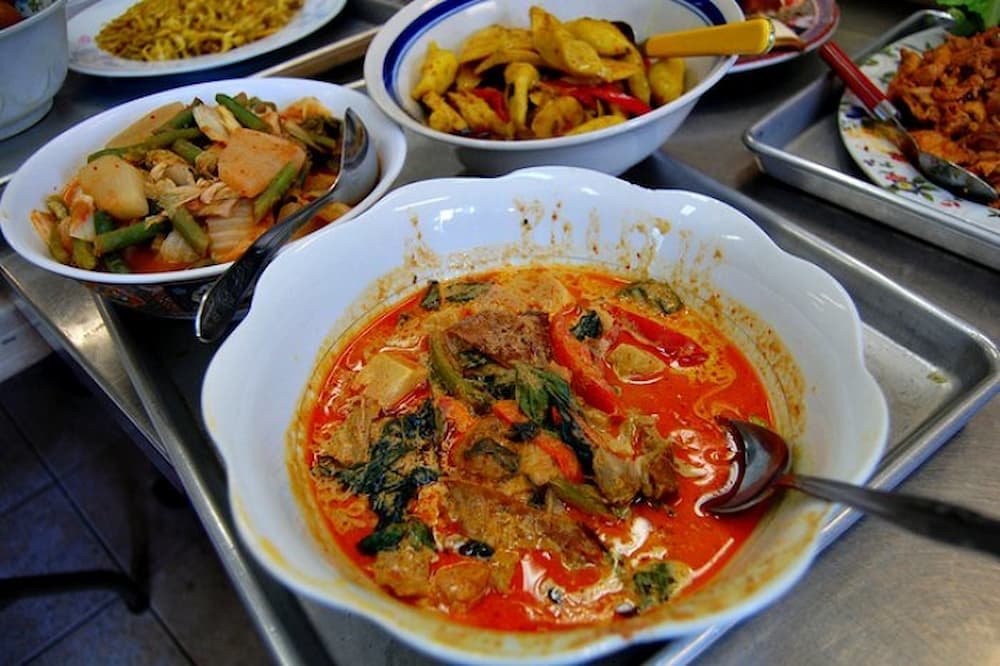
The most obvious celebration of Songkran is the throwing of water. You will find many Thai people roaming the streets with containers of water or water guns (sometimes mixed with mentholated talc), or positioning themselves on the side of roads with a garden hose to drench each other and passersby. This, however, was not always the main activity of this festival. Songkran was traditionally a time to visit and pay respects to elders, including family members, friends, and neighbors.

A key part of Songkran is held in a wat (Buddhist monastery), where statues of Buddha are cleansed with water and fragrances. It is believed that doing this will bring good luck and prosperity for the New Year. In many cities, the Buddha images from all of the city’s important monasteries are paraded through the streets so that people can toss water at them, ritually ‘bathing’ the images, as they pass by on ornately decorated floats.
In northern Thailand, people may carry handfuls of sand to a nearby monastery in order to recompense the dirt that they have carried away on their feet during the rest of the year. The sand is then sculpted into stupa-shaped piles and decorated with colorful flags.

But for most tourists and Thais, Songkran is essentially about a no-holds-barred water fight, with hundreds of people roaming the streets with garden hoses, water guns, and buckets filled to the brim with water ready to soak anyone (no exceptions!) that dares to come close. Sometimes the water is mixed with mentholated talc, which makes for one messy mixture!

The water throwing was originally designed to capture water after it had been poured over the bathed Buddhas for cleansing. This blessed water would then be gently poured over one’s shoulder, to bring him or her good fortune.
Nowadays, the emphasis is on fun and water-throwing rather than on the festival’s spiritual and religious aspects, which sometimes prompts complaints from traditionalists. In recent years there have been calls to moderate the festival to lessen the many alcohol-related road accidents as well as injuries from water being thrown in the faces of traveling motorcyclists.

Like many other cultures, some Thais make New Year resolutions – to change a bad behavior, or to do good things. Songkran is a time for cleansing and renewal. Besides washing household Buddha images, many Thais also take this opportunity to give their home a thorough cleaning.
The traditional greeting is (sa-wat-dee pee mai), meaning “Happy New Year”. Sawatdee is also used for “hello” or “goodbye”. However, most people say (suk-san wan Songkran) meaning “Happy Songkran Day” since pee mai is more often linked with the first of January.

Definitely a New Year with a difference and be prepared to get very, very wet!
Much better than we’ve been told.
A country where people are crazy about Barca (or Real Madrid- football); they greet you very affectionately and cordially with a “welcome to Iran”.
Strolling around the impressive bazaars in Teheran or Isfahan while taking some pictures, people came to shake hands, ask me where I was from and offer me a tea, food, or even their homes; ordinary, anonymous people who made all possible to make you feel comfortable in their country.
The most interesting were the chats, which they started, and step by step they let you know about their country and lifestyle, very usual except for one issue: women. That’s without a doubt a negative point according to our westerner point of view.
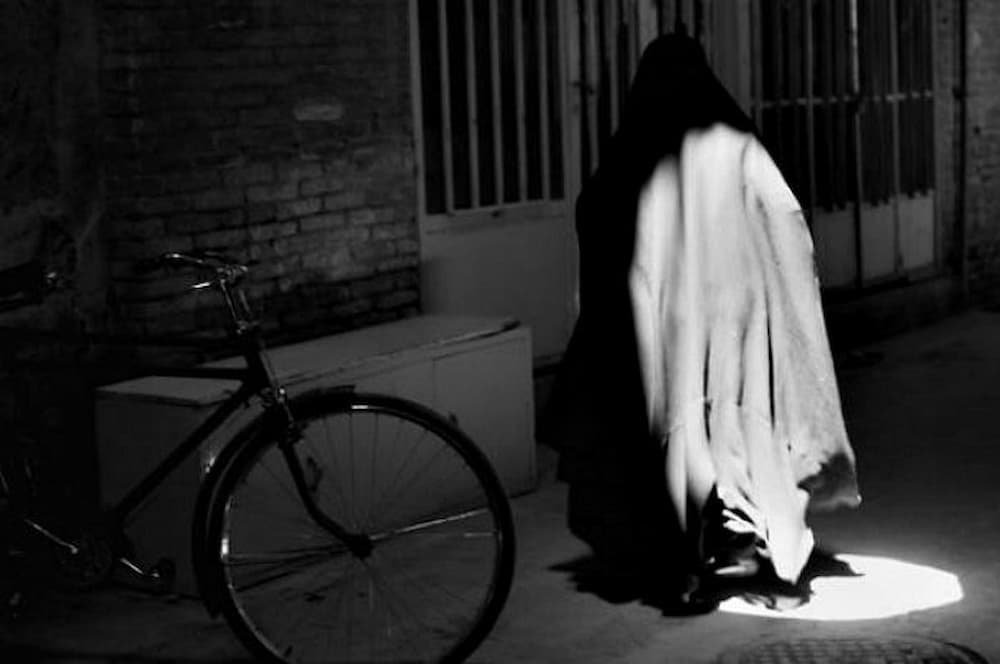
I am illiterate when it comes to the Muslim world, but I think that we have to consider their lives from a double point of view: a critical one and an understanding one.
The critical point of view is all about censure and lack of freedom, especially for women, who cannot decide whether they want to cover their heads with a scarf or not, or what clothes to wear. Some of those women don’t want to live that life and feel obliged to it. I chatted with some women, even together with their husbands, and they said they were fed up with living under such oppression. At the same time, and that would be the other point of view, I also met people who wanted to live that way and be respected. It was like saying everybody should take care of their own business, we’re like that and that’s the way we want to be.
However, I could never accept this way of life simply because I wasn’t born there. If I had been born in that country and had a very strict education, maybe I would have another opinion. That’s the reason why I think it’s not fair to judge individuals, maybe it’s the system we have to judge.
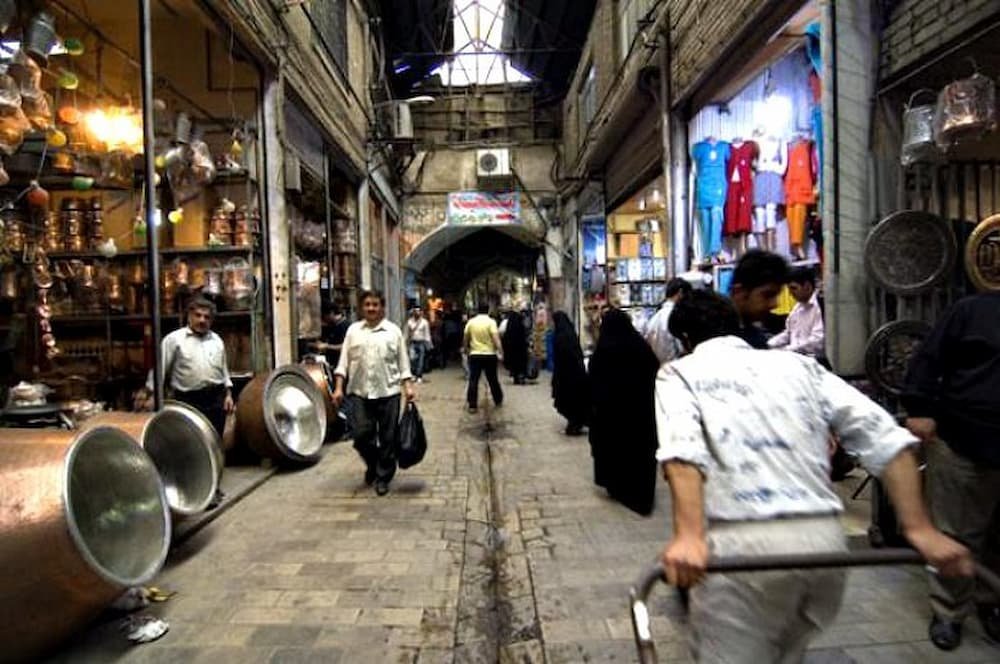
You can clearly see who prefers what, as you see women dressed totally in black, only showing her eyes, and women with more “western” clothes, with the scarf not totally covering their heads, and wearing make-up. Unfortunately, sometimes they’re reprehended for that.

As in many places, there are no bad persons, but there may be bad governments and reproachable living conditions. However, Iran as a country and its people are delightful, the Persian region offers infinite possibilities and routes to discover a country rich in culture and excellent people.
Every person has different tastes in terms of the place they want to stay. Whether traveling with friends, a partner, or alone there are several key elements to be considered when making your decision about where to rest your weary head. We have put together a list of the top nine things to take note of when booking a hostel.
Nowadays it’s pretty easy to find user ratings on the internet. Most decent hostels have at least equipped themselves with a basic website so you can suss out what other travelers think of them. Obviously, people who love the hostel and have had a positive experience will give a high rating but more importantly, you will find that people will tend to post comments if they have had an unpleasant experience.
It’s a sad part of life these days that we are eager to give negative feedback at the drop of a hat, may occasionally give positive feedback if we were provided an outstanding experience but are more reluctant to comment if the stay was just pleasant and met our expectations.
One note I will add here is to average out the reviews. It’s becoming all too common for people to post false negative reviews for their competition and phantom positive reviews on their own place. Best to disregard the top few and bottom few and see what’s left.
Due to a tight budget, people tend to look at the price of the hostel first before anything else. Some people believe that the price alone can tell what the hostel is like. Instinct would tell us that an expensive hostel is a better place to stay than that low-rate hostel (I’m sure you will agree that this is not always the case). Still, this may not be your only basis when booking for a hostel because more often than not there are cheap hostels that offer excellent services that are keen to grab your business from their higher-priced competitors.

The ambiance of the hostel is the place’s atmosphere, its heart, and soul. Is the place quiet or rowdy? Is it an older crowd or teenagers backpacking for the first time? Location can be a big factor in the ambiance of the hostel too. For example, if it is close to the nightlife you will more than likely find a younger, more social crowd.
For me personally, this is probably the key factor in determining where I stay when traveling. The accessibility of the place is really important. Is the place near the airport or transportation if – I’m just transiting? How close are the major sites and attractions? Is it in a noisy part of town and I will be kept awake all night by the sound of sirens?
The location can have an effect on other factors too. If the hostel is not in the center of town or close to the sites, the money you may have saved on the room will be wasted on the transportation needed to get you there.
Consider how big the rooms are and how many people will you be sharing with. Hostels usually offer more than one room type so find the one that’s best for you. You can opt to stay in a single room, a double or multi-share. It is also important for you to know if the rooms are same-sex or mixed (especially for girls looking for that peace of mind at night).
If they have separate rooms for men and women, make sure that they have rooms for couples too – you don’t want to wake up to the sound of grunting in the bunk next to you.

Although you may be out all day and the amount of time you actually spend in your room is minimal, I’m sure you will agree that getting a good night's sleep is very important.
What facilities does the hostel offer? Like how many bathrooms do they have? What about the electricity and water and some other facilities like the kitchen, swimming pool, and a bar? These days everyone keeps in touch via the web, so do they have free or paid internet access?
Safety is one of the most important things to be considered. Does the hostel have security guards, especially during the night? Is the place secured from fire and does it offer safety from some other unexpected calamities?
What about the security of your belongings? Is there a safety box you can keep your valuable items like your passport?
Some hostels offer extra services like WiFi, sheets, dinner or breakfast, towels, free pick up from the station or airport, etc. Anything you might be getting included in your room rate needs to be factored into the total end cost.
There are hostels that charge for some standard services like using a sleeping bag or a sheet, for meals, and sometimes for using the shower.
It is recommended that you research the hostel you want to stay in, to have a comfortable stay and ensure you are getting ‘bang for your buck’. One of my favorite hostels that I have had the pleasure of staying at was the Wombats The Base hostel in Vienna. This place has it all….check out the bar.

If you have any other tips we would love for you to share them in the comments section. Keep traveling!!
The times are a-changing. Remember the good old days when you could pack your suitcase full of clothes and other items, show up at the airport, and be greeted by a friendly counter clerk who would check your luggage for your flight for free. Many things have changed since then and even more so since 9/11 but today we are going to focus on the growing trend of traveling with carry-on luggage only.
With the introduction of checked baggage fees, an increasing number of people are switching to using a carry-on bag as their only luggage. This trend comes with a number of pros and cons that we will discuss here today. We invite you to join in the conversation by having your say in the comments section below.
For stylish and durable carry-on luggage, check out Nobl Travel — designed to make traveling easier and more efficient.
How many times have you seen a plane with an empty overhead compartment lately? I’m guessing not at all unless that plane happened to be well under capacity. There are indeed many complications that arise from the airline's decision to charge for checked luggage.
Recently on a flight from Seoul to Vancouver, I arrived a little late to board the plane (let me clarify – I was there well before the specified boarding time but towards the end of the lineup) and when I finally boarded and went to stow my backpack in the overhead locker above my seat I was confronted with numerous ‘wheelie bags’ taking up the whole space. So I moved to the next locker…..and the next….and again.. (you get my point). I finally had to store my bag in the flight attendant's personal compartment at the rear of the plane.
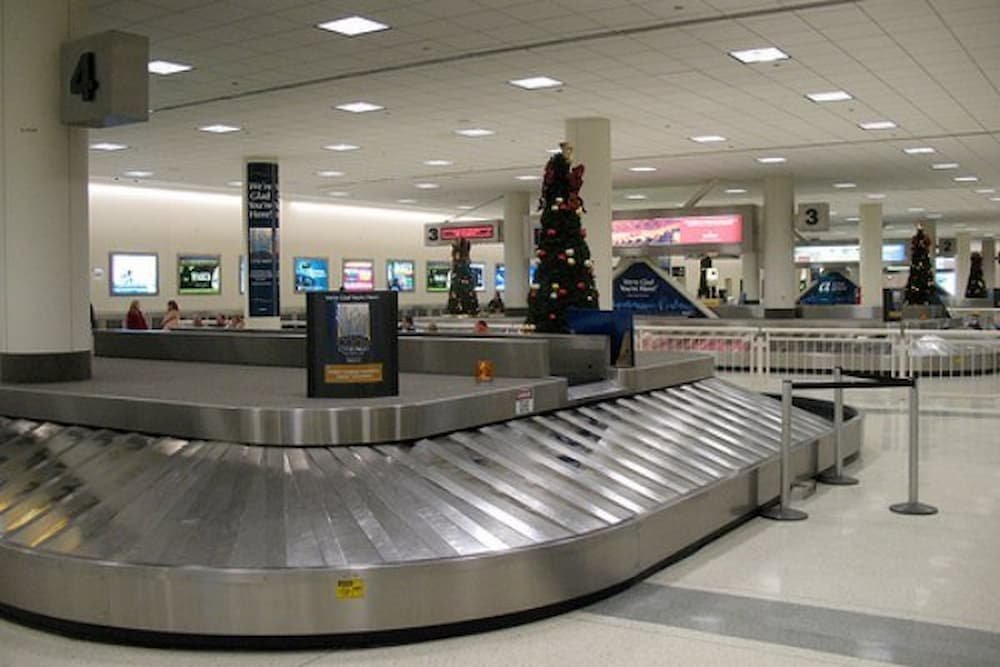
The experience was not only frustrating but also rather time-consuming and no doubt held the plane up for a few unnecessary minutes. Now don’t get me wrong I’m not a hater of carry-on, in fact, I am an advocate of the ‘less is more’ principle but something seriously needs to change here.

So why are the airlines forcing us to travel lighter? Well, the easy answer is that it is extremely profitable for them to do so. Checked bag and related fees netted $6 billion for US air carriers alone in the first 9 months of 2010, federal statistics show.
Now they are looking to capitalize even further. Did you know that several airlines have been experimenting with the carry-on bag fees now too? Spirit Airlines is charging between $20-40 USD per bag, which boggles my mind. Unless you have the most spacious pants pockets in the world, the airline has got you where it wants you — shelling out cash for something you just can’t avoid.

It’s time to have your say… how do you prefer to travel? Carry-on or checked? And what do you think about the airline fees?
Today we ask the age-old question… how important is good service versus getting a cheap ticket?
Recently I purchased a number of flights with the low-cost airline Air Asia through their website. I have been planning my trip to Malaysia and India for some time now and even though I am not staying in luxury hotels, the budget was starting to blow out. So when I saw an advertisement online for a massive sale on airfares with Air Asia I was naturally excited to see if I could bag myself a bargain.

I ended up booking six flights in total for just under $1,000 Australian dollars (AUD) including taxes and all the associated costs (we will address this a little later). Now I need to tell you that I work as a travel agent so I’m well aware of the terms and conditions that are set by airlines and I make sure to check the conditions of the fare before booking. It states that there will be no refund if you cancel your ticket but you can make changes to the flights at an additional cost.
Two of the flights I purchased were from Kuala Lumpur to Kota Kinabalu return as I was looking to travel around Sabah. Unfortunately for me, being a travel agent turned out to be a disadvantage once I started looking into what I was going to do in Borneo. Most of the trips we plan in the region are for families where the best accommodation is in Kota Kinabalu, like the Shangri la Rasa Ria. I was looking for an eco-adventure though, which seems to be on the opposite coast around Sandakan and therefore the flights would be best to fly into Sandakan airport.
I went about calling Air Asia’s reservations line to make the change to my flights. After more than two hours of waiting on hold, I was told that the change was impossible and I would need to forfeit my ticket and purchase a new one. “Not good enough”, I thought so I asked to speak to a supervisor to try and talk some sense. I was willing to pay a change fee and any fare difference, don’t get me wrong, I wasn’t looking for something for nothing.
The reservation girl promptly advised me that there were no supervisors available and that I would just be getting the same response from them anyway. Well as you can probably imagine this infuriated me and I demanded to speak to someone senior who could help me out. She then offered to get someone to call me in the next 12 hours. About an hour or so later I received a call from the so-called supervisor who quickly and repeatedly explained, in detail, the fine print of their changes which states you are not allowed to change the route. I then asked that I be refunded the taxes and services charges (such as meals, seat reservations, and baggage charges) as these were not part of the flight ticket.
To cut a long story short the response was continually a negative one and not a single staff member would help me out. All this drama over the $120 AUD they stood to gain for my cancellation, where I was willing to pay more than that to make the change……. Now they have not only lost a customer (before I have even flown), but I will make sure to tell my network of friends and family not to travel with them.
First, it’s really important to understand that bad airline service is more of an overall attitude than one specific incident. Most experienced travelers can handle a delayed bag or missed flight if there’s a helpful, even sympathetic, and knowledgeable professional on the other side of the counter who sincerely tries to help and seems to care.
Perhaps consumers are tired of taking the time to complain about a system that seems to need a total overhaul. Many have accepted bad airline service as a fact of life. As long as you obsess over low fares as the overriding factor in your decisions to buy, you’re going to get what you seem to demand in the marketplace: a cheap but lousy product.
Is there any hope for relief on the horizon? It’s not easy to see. Clearly, a majority of travelers want the cheapest possible tickets, no matter what. As long as that mindset persists, lousy airline service is inevitable.
So will it end up that you will arrive at the airport ready to check-in and the staff swiftly duck for cover behind the counters…….. I know that I will be basing my flight decisions on service now rather than price alone.
