While the ADO bus is a fantastic budget option for exiting Cancun Airport, many travelers prefer to start their vacation with the comfort, privacy, and efficiency of a pre-booked private transfer. After a long flight, the last thing you want to do is navigate public transport with luggage or haggle with taxi drivers. This guide focuses on the best private transportation options, highlighting trusted companies like Cancun Airport Transportation and Cancun Airport Transfers, to help you make the best choice for a seamless arrival.
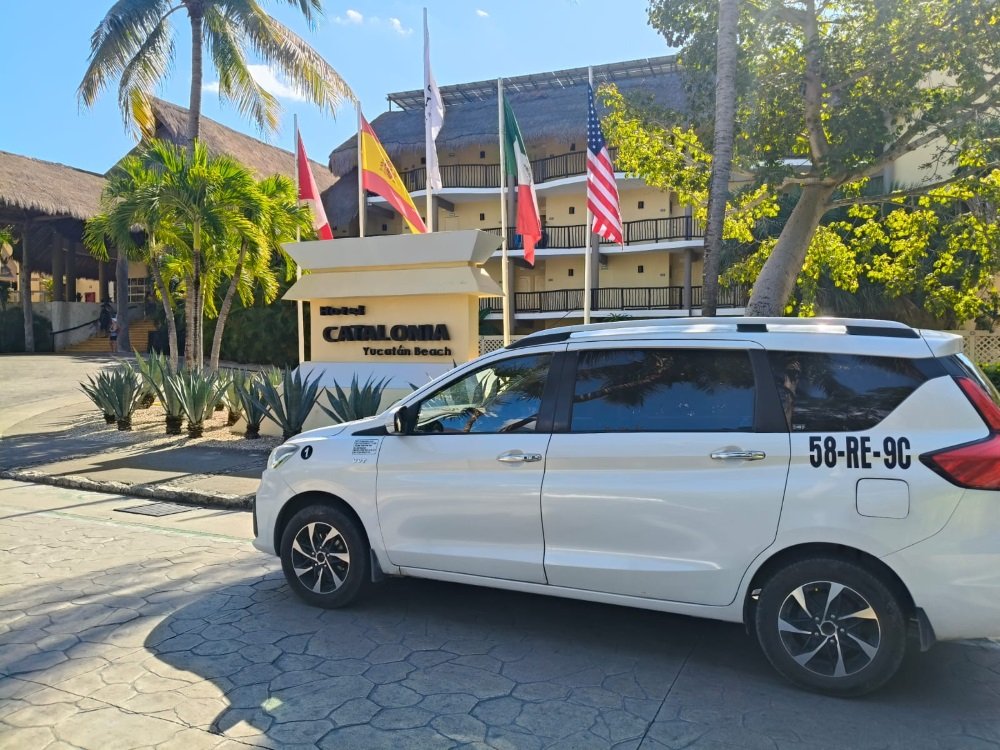
For a stress-free arrival, private transportation is the strategic choice. You bypass long lines, receive a personalized meet-and-greet service, and travel directly to your hotel in a comfortable, air-conditioned vehicle. This is especially valuable if you're traveling with family, carrying significant luggage, or arriving late at night. Unlike a taxi, your rate is locked in when you book, protecting you from unexpected surge pricing or haggling.
To understand the value of a pre-booked private service, let's compare it to the other main options:
| Official Taxi | $60 - $100 | Walk up to a stand after arrival. | At the airport stand. | Convenient but variable. Fixed rates, but you may face lines and potential upselling. |
| Rideshare (Uber) | $18 - $30 | The driver meets you in arrivals with a sign. | Via app on arrival. | Availability risk. Often cheaper, but availability can be inconsistent, and pickup points can be confusing for newcomers. |
| Private Transfer | $25 - $60+ | Driver meets you in arrivals with a sign. | Pre-booked online. | The most comfortable option. Door-to-door service, fixed price, and a warm welcome. Best for peace of mind. |
Booking with a reputable Cancun Airport Shuttle is the best way to ensure a safe and reliable start to your trip. Here's a closer look at two excellent options:
This company specializes in providing a high level of service and personalization. They are known for their modern fleet and commitment to punctuality.
Service Model: They offer a true door-to-door service of Transfers from Cancun Airport. After you land, you'll clear customs and baggage claim. A professional, bilingual driver will be waiting in the arrivals hall, holding a clear sign with your name. They will then assist you with your luggage and guide you to your waiting vehicle.
Fleet Options: From private sedans for solo travelers or couples to spacious SUVs and vans for larger groups. They are an excellent choice for families who need extra space for luggage and child seats.
Key Advantages:
This is a simple and reliable option for travelers who value a premium, hassle-free experience.
This company is a popular choice for travelers looking for a balance of value, reliability, and a wide range of vehicle options. They cater to everything from budget-conscious groups to luxury travelers.
Service Model: Similar to other top-tier services, they offer a meet-and-greet at the terminal. They are known for their efficient operations and ability to handle large volumes of passengers, especially during high season.
Fleet Options: Their strength is in variety. You can choose from:
Key Advantages:
For travelers who want a comfortable start with a range of price points, Cancun Airport Transfers is a top contender.
Selecting the right service depends on your specific needs. Here's a quick guide to help you decide:
To ensure your transfer is safe and simple, follow these tips:
By choosing a private transfer from a trusted company like Cancun Airport Transportation or Cancun Airport Transfers, you transform the exit from the airport from a potential headache into the best first step of your vacation. You can sit back, relax, and enjoy the ride to the Mexican Caribbean.
Learning a language through traditional classroom methods provides foundational knowledge, but nothing compares to immersing yourself in the culture and practising with native speakers. Italy offers the perfect destination for language learners seeking to develop authentic Italian skills whilst experiencing one of Europe's most captivating cultures. Language immersion trips to Italy combine structured learning with cultural exploration, creating transformative experiences that accelerate language development far beyond what classroom study alone can achieve.
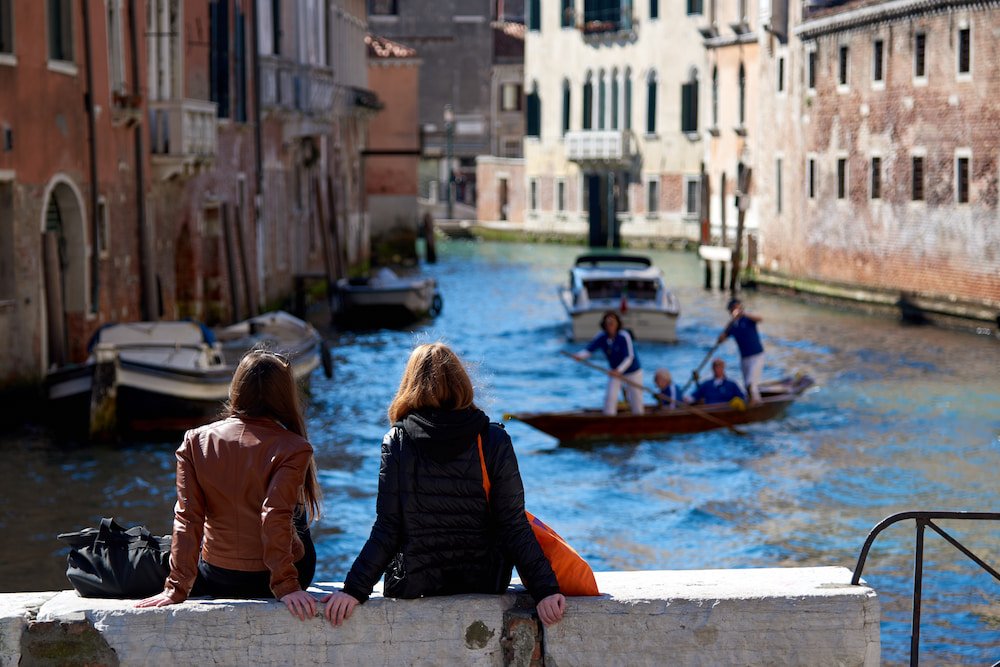
This comprehensive guide explores how educational language trips enhance Italian learning and why Italy remains the ideal destination for serious language learners.
Living and studying in Italy forces constant engagement with Italian language. Daily interactions with shopkeepers, restaurant staff, hotel employees, and new friends provide natural practice opportunities that textbooks simply cannot replicate. Immersive environments accelerate language acquisition dramatically because learners must actively communicate to accomplish everyday tasks.
Language exists within cultural context. Understanding Italian gestures, social conventions, dining etiquette, and cultural values deepens comprehension of how Italians express themselves. Learning language alongside culture creates richer understanding and more authentic communication skills than studying language in isolation.
Travelling in Italy surrounded by breathtaking scenery, historic landmarks, and vibrant communities creates powerful motivation to learn and practise Italian. The desire to communicate with locals, understand historical sites, and engage with your surroundings drives language learning far more effectively than abstract classroom exercises.
Italy provides abundant opportunities to interact with native speakers in authentic settings. These genuine conversations develop practical communication skills, expose learners to natural speech patterns, colloquial expressions, and regional variations that classroom teaching often overlooks.

Quality language trips combine formal instruction with immersive experiences. Morning lessons focus on grammar, vocabulary, and communication skills, whilst afternoons and evenings involve cultural activities and practical application. This balanced approach ensures solid foundational learning whilst maximising real-world practice opportunities.
Living with Italian host families or fellow language learners intensifies immersion. Host families provide cultural insights, family-style dinners become language practice opportunities, and students develop meaningful relationships with locals. This homestay element distinguishes transformative language trips from simple tourism.
Structured excursions to historic sites, museums, and landmarks enhance language learning through cultural context. Expert guides explain history and significance whilst students practise listening comprehension and learn vocabulary related to art, architecture, and history. These activities transform sightseeing into active language learning.
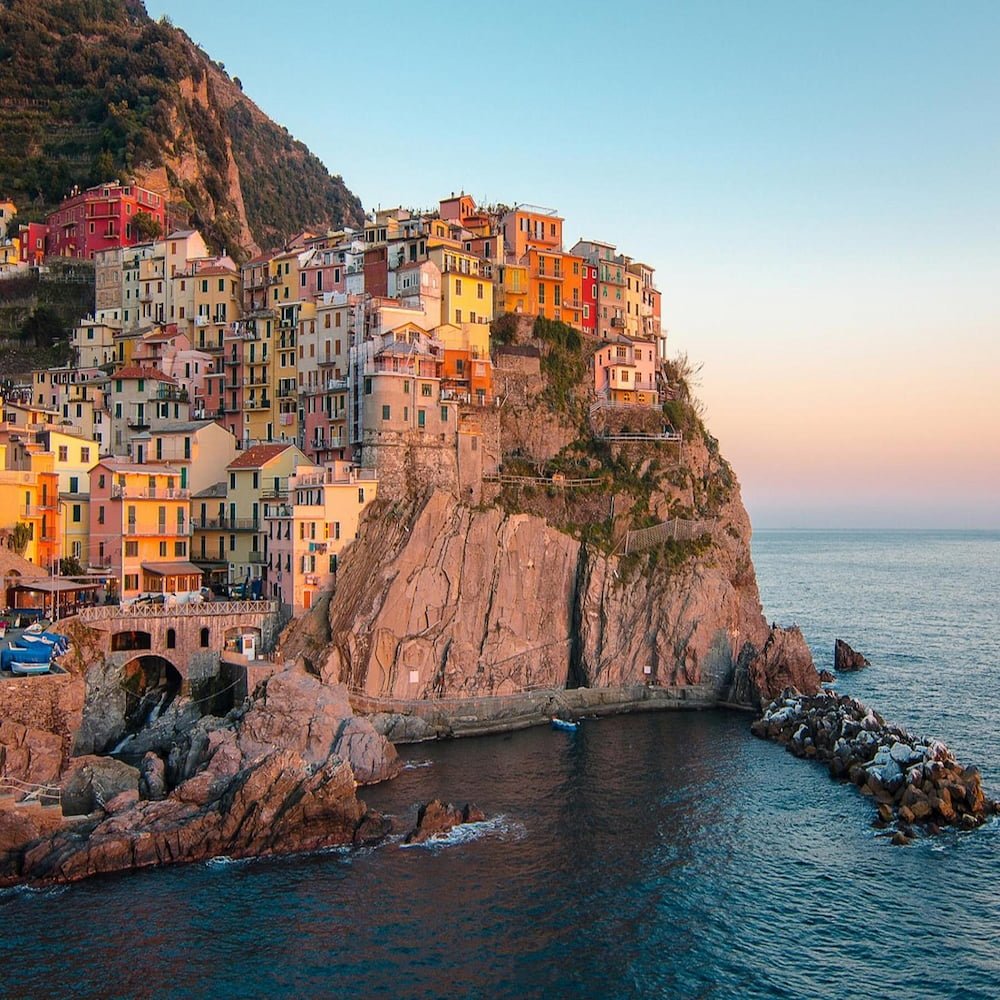
Evening social activities bring language learners together for conversation practice in relaxed settings. Shared meals, group outings, and social events create supportive communities where learners encourage one another and practise language skills in enjoyable contexts.
The best language trips facilitate genuine connections between learners and local communities. Whether through cooking classes with Italian nonna (grandmother), wine tasting with producers, or volunteer activities, authentic community engagement creates meaningful language practice and cultural appreciation.
Immersion accelerates learning dramatically. Students develop conversational fluency, confidence, and practical communication skills faster through concentrated, context-rich exposure than through years of classroom study. Many learners achieve in weeks what would take months of traditional instruction.
Living amongst native speakers trains your ear to authentic Italian pronunciation, intonation, and rhythm. Daily immersion naturally develops accent and pronunciation far more effectively than recordings or classroom drills. Learners often return home noticeably improving their spoken Italian.
Understanding cultural context deepens language comprehension and communication authenticity. Learners develop genuine appreciation for Italian culture, history, and values, becoming not just language speakers but informed cultural participants.
Language trips to Italy create unforgettable memories combining language learning with discovering one of the world's most beautiful countries. These transformative experiences often inspire lifelong engagement with Italian language and culture.
Meeting fellow language learners from diverse backgrounds creates valuable friendships and international connections. Many participants maintain relationships with host families and fellow learners for years, creating ongoing language practice opportunities and cultural exchange.
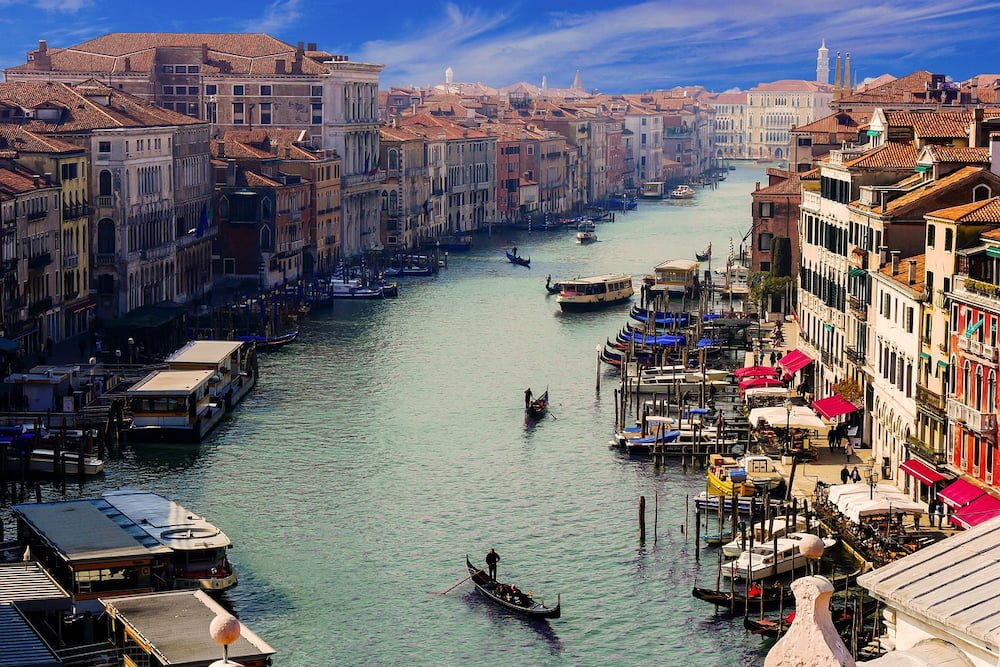
Quality language trip providers accommodate all levels, from complete beginners to advanced learners. Beginners often benefit most from immersion experiences, whilst advanced learners refine conversational skills and learn specialised vocabulary. Choose programmes designed for your specific proficiency level.
Whilst shorter trips offer value, most educators recommend minimum two to three weeks for substantial language development. Two-week trips allow time to adjust, develop relationships, and notice genuine improvement. Longer trips enable deeper cultural integration and more significant language advancement.
Absolutely. Quality providers offer programmes for teenagers, university students, working professionals, and mature adults. Age-appropriate accommodation, activities, and social groups ensure enjoyable experiences for diverse age ranges.
Language trips accelerate practical communication skills through immersion, whilst classroom learning builds systematic grammar and vocabulary foundations. Combined approaches work powerfully, with classroom preparation enhancing trip value and trips reinforcing classroom learning through authentic application.
Research provider reputation, programme structure, accommodation options, instructor qualifications, and included activities carefully. Read reviews from previous participants, clarify costs and inclusions, and ensure the programme aligns with your learning goals and travel preferences.
Language immersion trips to Italy represent transformative investments in language development and personal growth. Combining structured instruction with authentic cultural immersion, Language Trips To Italy accelerate language learning whilst creating unforgettable memories. Whether seeking conversational fluency, cultural understanding, or simply a transformative travel experience, Italian language trips deliver extraordinary value. The combination of beautiful surroundings, rich culture, welcoming people, and intensive language practice creates ideal conditions for meaningful learning. For anyone serious about developing authentic Italian skills whilst experiencing one of Europe's most captivating countries, a language immersion trip represents the most effective and enjoyable learning investment available.
Imagine standing among the Pyramids of Giza. Feel the warm desert sand under your feet. Travel to Egypt and see its rich history and culture. Explore ancient temples, sail the Nile River, or visit colorful markets. With Egypt Vacations, uncover pharaoh secrets and make lasting memories. Cairo's busy streets meet the desert's calm. Egypt is full of contrasts, waiting for you. Are you ready for an adventure?
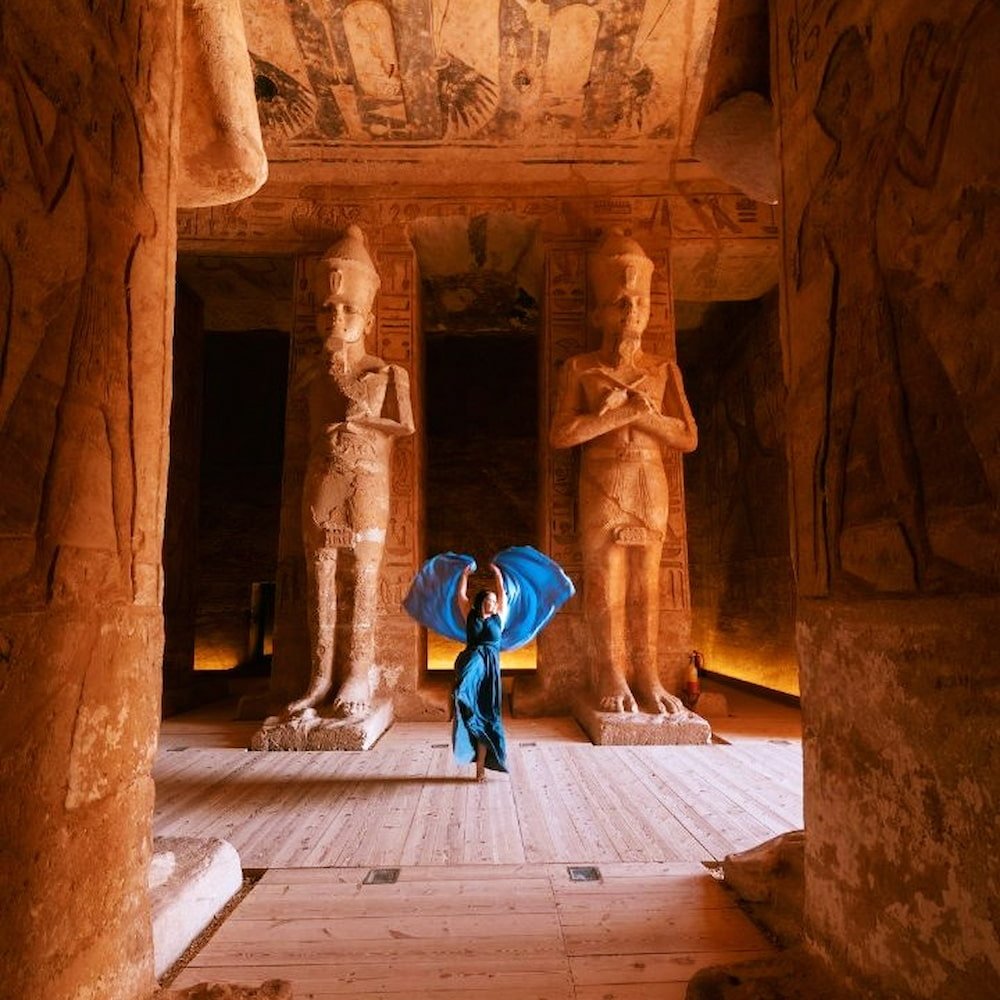
Your adventure in Egypt starts with a deep dive into Ancient Egypt's history. Every monument here tells a story of the past. You'll uncover secrets and stories behind the world's most fascinating landmarks.
No trip to Egypt is complete without exploring the Pyramids of Giza. These pyramids, built as tombs for pharaohs, show ancient Egyptians' engineering and architectural skills. Walking around, you'll marvel at the Great Pyramid of Khufu and learn about ancient burial practices.
The Great Sphinx of Giza is next to the Pyramids. It has a lion's body and a human head. Built during the Old Kingdom, its purpose and enigmatic smile are mysteries. Exploring the Sphinx, you'll feel the intrigue and mystique.
The Valley of the Kings is on the Nile's west bank, opposite Luxor. It's a vast burial ground for New Kingdom pharaohs. Touring here, you'll see elaborate tombs with vivid paintings and hieroglyphics. Sightseeing in Luxor is essential, and the Valley of the Kings is a highlight, showing ancient funerary practices and grandeur.
Traveling through these sites, you'll understand Ancient Egypt's rich history. Each site offers a unique look into their culture, beliefs, and achievements. This civilization still fascinates people worldwide.
When you arrive in Cairo, you'll find a city where old and new meet. It's full of history and culture. Cairo is a key place to see Egypt's heart.
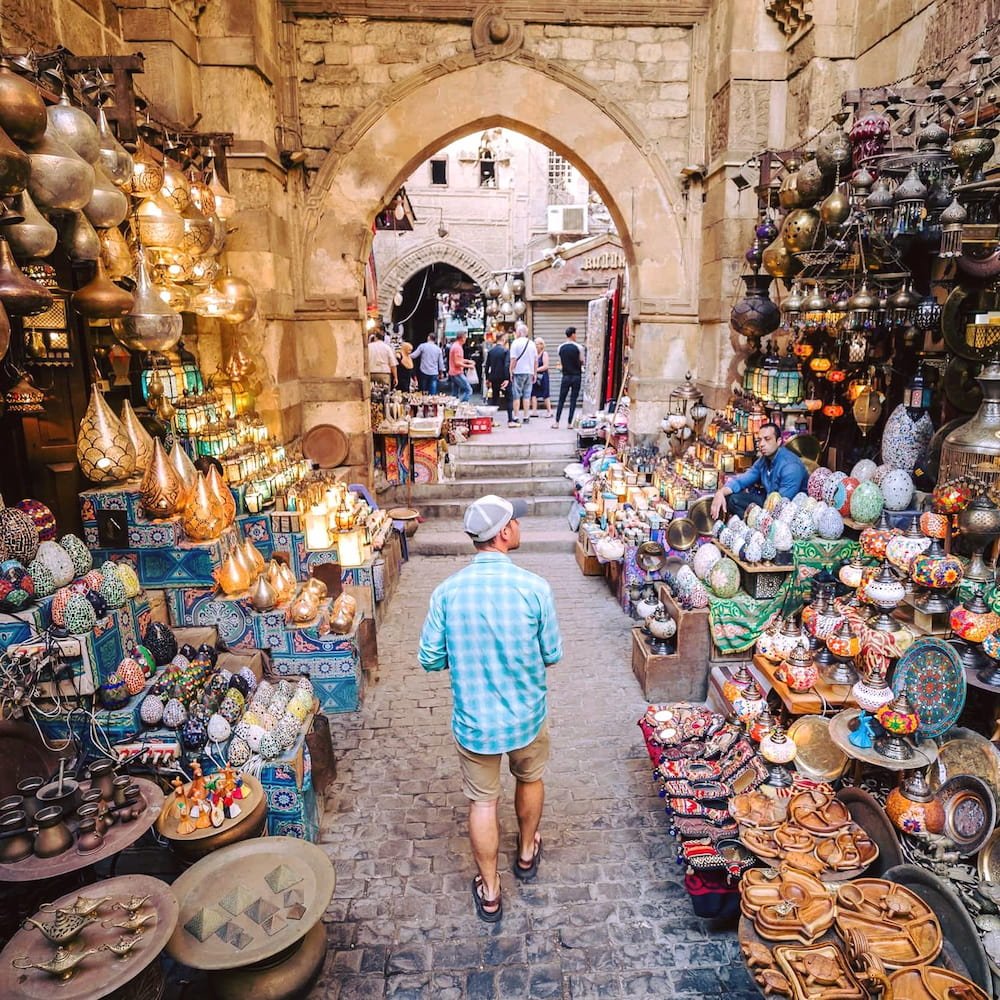
Cairo has famous landmarks like the Egyptian Museum. It has ancient Egyptian treasures, like mummies. The Khan El Khalili Bazaar shows traditional Egyptian life.
Don't miss the Cairo Tower for city views. Or visit Islamic Cairo for mosques and madrasas.
Cairo's food shows its rich culture. Try koshari or ta'ameya for a taste of Egypt. Street food and local places offer real experiences.
Think about a food tour in your holiday packages in Cairo.
Cairo has secret spots too. Walk in Al-Azhar Park for peace. Or see Coptic Cairo for ancient churches.
The Nilometer on Rhoda Island is unique. It shows Cairo's varied history and culture.
The Red Sea is perfect for snorkeling and diving. Its clear waters and rich marine life attract many. It's a top spot for water activities, drawing visitors from everywhere.
The Red Sea has many beautiful beaches for relaxing. Sharm El-Sheikh and Hurghada are favorites. They have white sands and calm waters.
Visitors can sunbathe, swim, or just relax. Resorts along the Red Sea offer luxury. They make your beach time unforgettable.
The Red Sea has more than snorkeling and diving. You can try wind-surfing, kite-surfing, and kayaking. There are many places to rent equipment.
For thrill-seekers, there's parasailing and jet-skiing. The Red Sea's winds and warm waters are perfect for these sports. It's great for both beginners and experts.
When you arrive in Luxor, you enter a world filled with ancient grandeur. This city is home to many ancient temples. They give us a peek into the lives of ancient Egyptians.
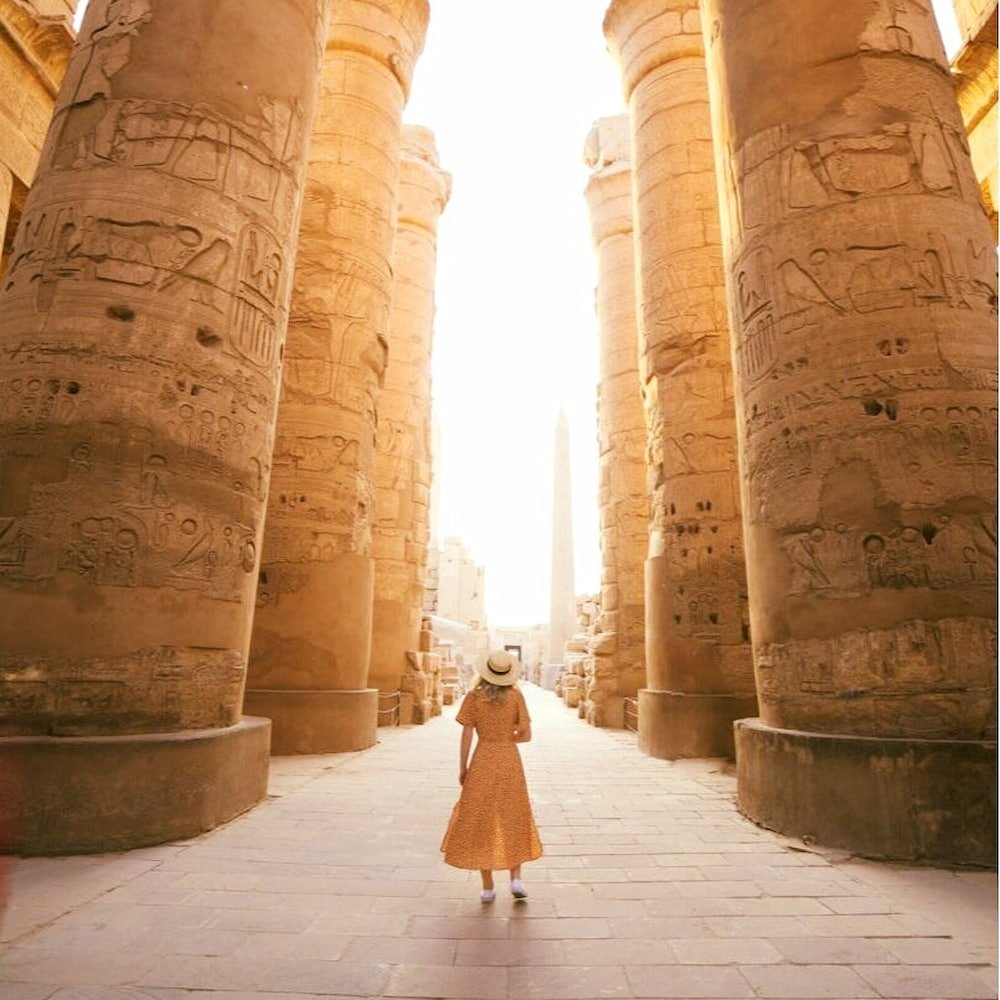
The Karnak Temple complex is huge and a must-see in Luxor. It has many sanctuaries, halls, and obelisks. It shows the amazing building skills of the ancient Egyptians.
Walking through, you'll see detailed hieroglyphics and huge stones. These have lasted for centuries.
The Valley of the Queens is on the Nile's west bank. It's where pharaohs' wives and kids were buried. The tombs have beautiful paintings and carvings.
They tell us about ancient Egyptians' burial customs. Visiting here gives us a close look at royal life and their beliefs.
The Temple of Hatshepsut is famous for being built by a female pharaoh. It's carved into cliffs and is a stunning example of ancient architecture. The temple's design and walls tell stories of Hatshepsut's reign.
Luxor's temples are more than just old buildings. They open a window into ancient Egyptian culture and life. Exploring these sites helps us understand the civilization of the Nile.
Getting ready for Egypt needs careful planning for a great trip. You'll see ancient ruins and enjoy Nile cruises. A good plan makes your time there unforgettable.
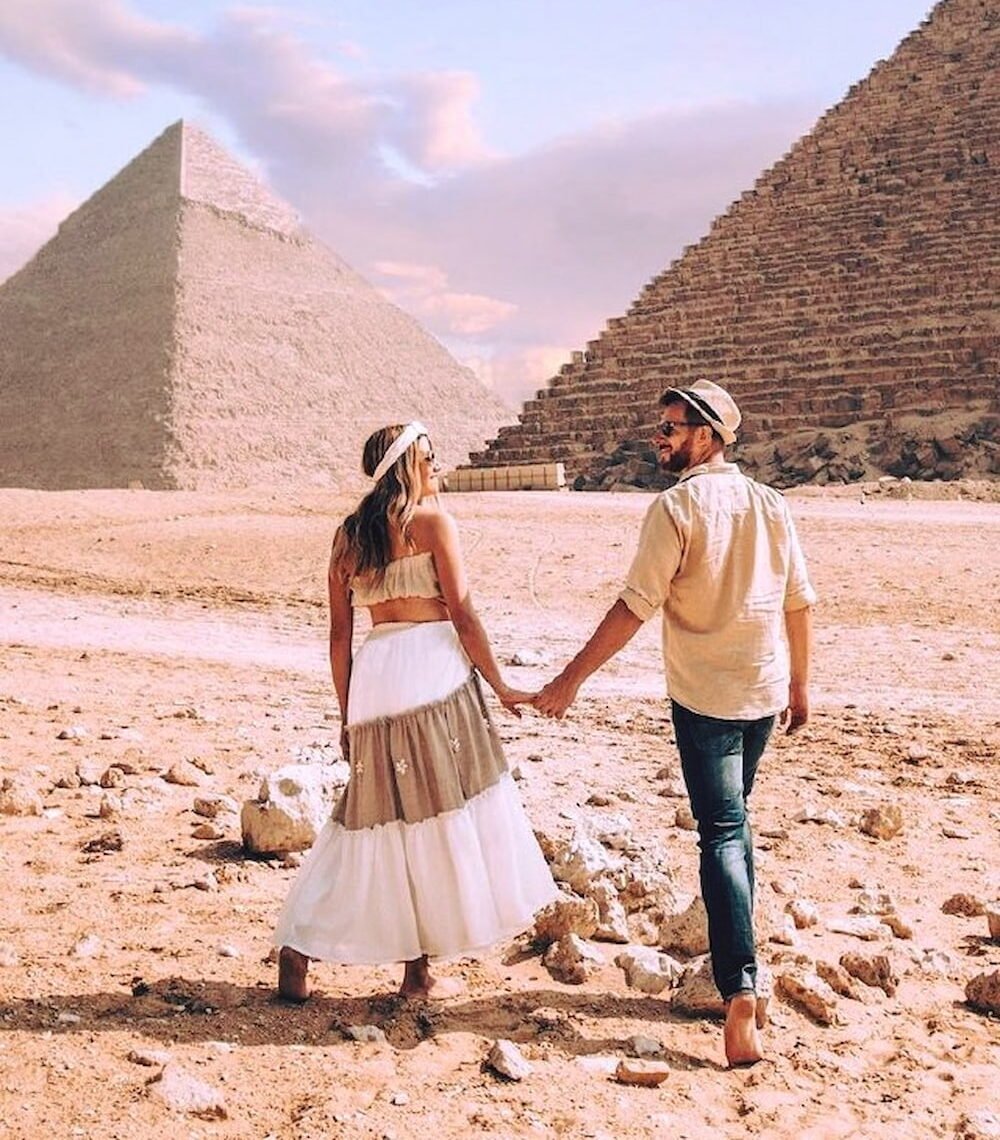
The best time to travel to Egypt is from October to February. The weather is cooler, perfect for sightseeing. This is great for seeing the Pyramids and temples in Luxor.
Summer is hot, but good for Red Sea water activities. Spring or autumn offers a calm vibe.
Planning your Egypt trip starts with your interests and budget. Choose places like Cairo, Luxor, and Aswan. Then, pick activities like Nile cruises or local food.
Look at holiday packages Cairo for guided tours. For other places, find local transport and affordable stays.
Planning your Egypt budget includes travel, stay, food, and fun. Egypt suits all budgets, from luxury to budget-friendly.
To save, travel off-season and choose affordable places. For luxury, check out travel to Egypt packages with exclusive services.
Planning your Egypt trip? Safety is key for a great trip. Egypt is mostly safe, but knowing what to do helps a lot.
Stay healthy by being careful. Get all your shots and think about Hepatitis A. Drink bottled or filtered water to avoid sickness. Be careful with food from street vendors.
Watch your stuff in crowded places. Pickpocketing can happen. Dress modestly and respect local customs to avoid trouble.
Egypt has many ways to get around. Taxis, ride-hailing, and public transport are all options. Always agree on the fare before you start to avoid problems.
For longer trips, buses or flights are good. But, driving is different here. Always wear a seatbelt.
Staying in touch is important. Get a local SIM card or a portable Wi-Fi hotspot. Many places offer free Wi-Fi, but be careful with public networks.
Sign up for your government's travel alerts. This way, you'll get safety updates for Egypt.
Families in Egypt can find many kid-friendly activities and learning experiences. They can see the Pyramids of Giza and enjoy the Nile's calm waters. Egypt has adventures for all ages.
Egypt has many places great for kids. Some top activities include:
Egypt is more than fun; it's a big classroom. Many sites and activities offer educational experiences. They help kids learn about history, culture, and the environment.
Some educational highlights are:
Traveling with kids needs extra planning, like in Egypt. Here are some tips for traveling with children:
With these tips and Egypt's many kid-friendly spots, your family trip will be unforgettable.
Egyptian food is a mix of flavors, like the pyramids. You'll taste traditional dishes with a modern twist. It's a journey through flavors.
Egyptian food is hearty, using local grains, veggies, and meats. It's shaped by history, with flavors from different cultures.
Don't miss these dishes in Egypt. Koshari is a veggie favorite with pasta, lentils, and sauce. Falafel is a must, with chickpeas, veggies, and tahini.
Shawarma is great for meat lovers, with lamb or chicken in a pita. Molokhiya is a leafy green soup you should try.
Cairo is Egypt's food center. Abou El Sid offers real Egyptian food in a historic place.
In Alexandria and Luxor, you'll find great food spots. Koshari Abu Tarek in Cairo is famous. Sequoia in Alexandria has great views and food.
Join a culinary tour for a deeper food experience. You'll visit markets, cooking classes, and secret spots. Learn about dishes and make traditional meals.
Tours also visit farms to see where food comes from. It's a great way to understand Egyptian culture and life.
Now you know how to explore Egypt. It's time to plan your trip. Whether you want Egypt tour deals or to travel alone, there are steps to take for a great journey. Start by researching and booking your trip early. This ensures you get the best deals and options. Look for travel agencies that specialize in Egypt vacations. Packing right is key when traveling to Egypt. Bring comfy clothes, sun protection, and important documents. Check the weather forecast to pack for the right climate.
Australia is the sixth-largest country in the world. It lies southeast of Asia, with countries like Indonesia and Papua New Guinea just to its north, and New Zealand positioned across the Tasman Sea to the southeast.
It is a land of vast deserts, red rock formations, and unique wildlife. Its Outback and wilderness areas offer some of the most unforgettable adventures for travelers. But exploring these remote regions requires preparation to stay safe and comfortable.
If you plan to visit, luxury tours to Australia can help you experience the Outback in style while ensuring you have everything you need. Even if you are on your own, knowing what to pack is essential for survival and enjoyment.
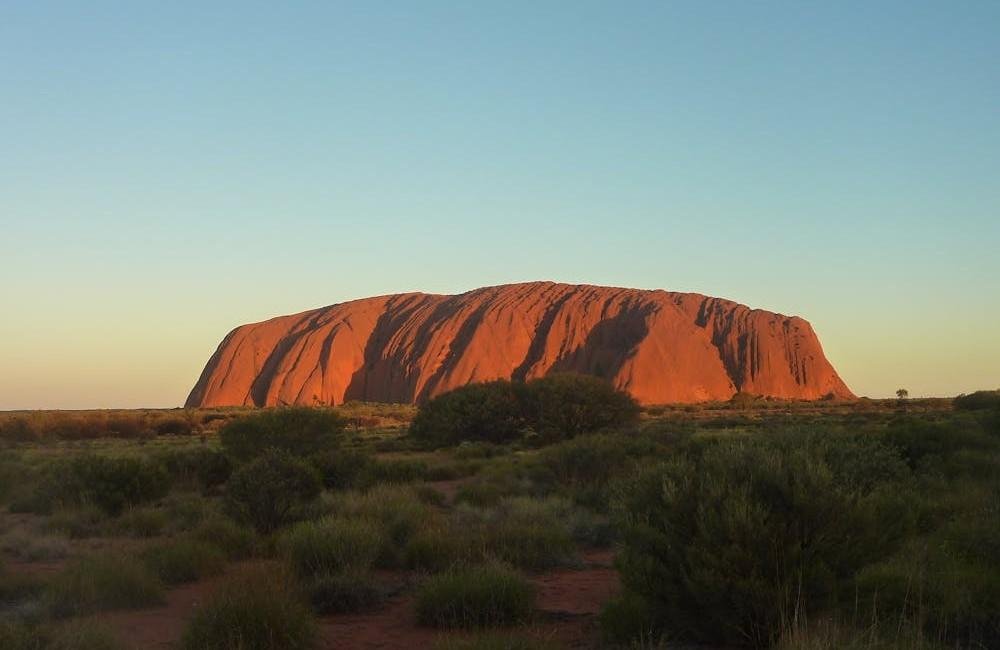
Exploring the vast wilderness of Australia means carrying the right essentials in its harsh Outback conditions—items like plenty of water, strong sun protection, a reliable first aid kit, and other basic survival gear. Proper preparation ensures you can enjoy the remote landscapes comfortably and confidently without risking your safety.
Here are the seven essential things you should pack before heading into Australia’s Outback and wilderness.
Hydration is the most important thing in the Outback. Carry at least 2–3 liters per person per day, more if hiking or in hot weather. Dehydration can become serious quickly in dry, hot conditions.
The sun in Australia is intense. Bring a wide-brimmed hat, sunglasses, sunscreen, and light long-sleeve shirts. Protecting your skin and eyes will make your adventure safer and more comfortable.
Maps, a GPS device, and a compass are essential in remote areas. Cell phone signals can be unreliable. Know your route and keep a backup plan in case you get lost.
A compact first aid kit should include bandages, antiseptic wipes, pain relief, insect repellent, and any personal medication. Small injuries can become serious if untreated in the wilderness.

Wear comfortable, sturdy shoes for walking on rocky or sandy terrain. Layer your clothing to adjust for hot days and cooler nights. Long pants can protect you from scratches, insects, and sunburn.
Carry non-perishable, high-energy foods like nuts, dried fruits, and protein bars. They are easy to pack and will keep your energy up during long walks or drives.
Items like a flashlight, multi-tool, whistle, and extra batteries are lifesavers. A small tarp or emergency blanket can provide shelter if the weather changes suddenly.
Some travelers choose guided experiences, which provide all safety equipment, guides, and local knowledge. This is a stress-free way to enjoy the wilderness while focusing on the adventure.
Being prepared ensures that your journey is safe and enjoyable. It allows you to focus on the stunning landscapes, wildlife, and unique experiences that the Outback offers.
The High Roller stands as North America's largest observation wheel, towering 550 feet above the ground, the ultimate "must do in Las Vegas" experience. Visitors can enjoy stunning views of the Las Vegas Strip from this vantage point, which stretches an impressive four miles.
The newly constructed Sphere represents another engineering marvel that took $2.3 USD billion and 5 years to build, featuring the world's most advanced audio system and largest high-definition screen.
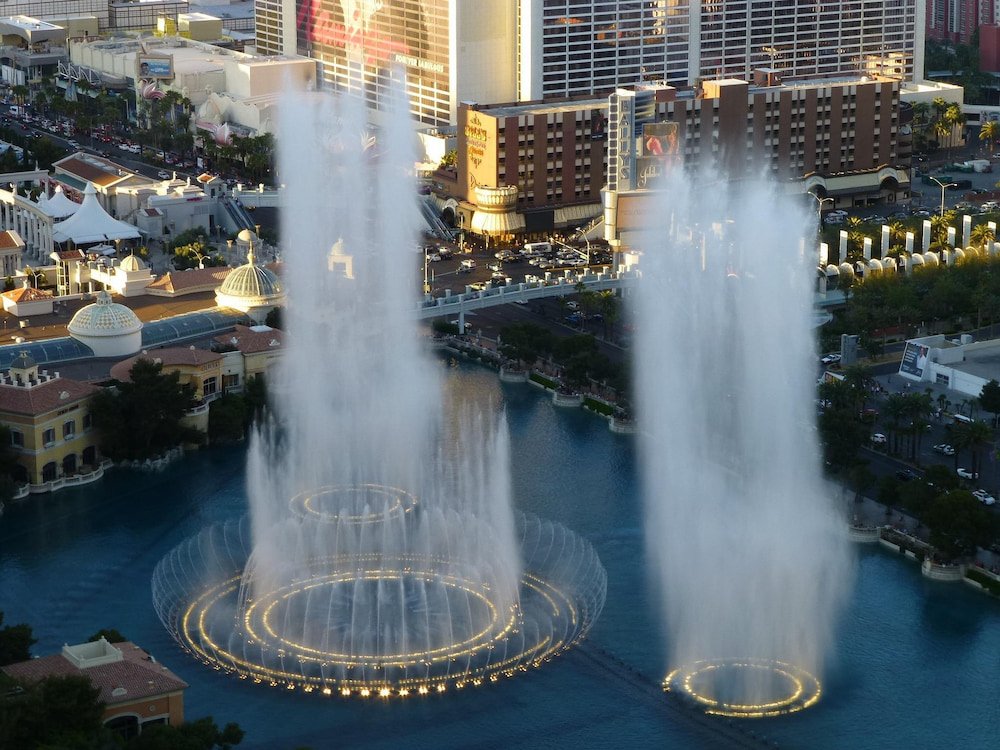
Las Vegas offers endless entertainment options beyond casinos and shows for group activities. The stunning Bellagio Fountains create a spectacular display spanning more than 1,000 feet with water reaching heights of 460 feet.
Nature lovers can explore the Valley of Fire State Park's 40,000 acres of bright red sandstone formations just an hour away.
Many top Las Vegas attractions remain available 24/7, including the Bellagio Conservatory and Botanical Gardens, that welcomes visitors free of charge.
This piece explores the must-see landmarks throughout Las Vegas, from iconic Strip locations to hidden gems that make this city a special destination for group travelers.
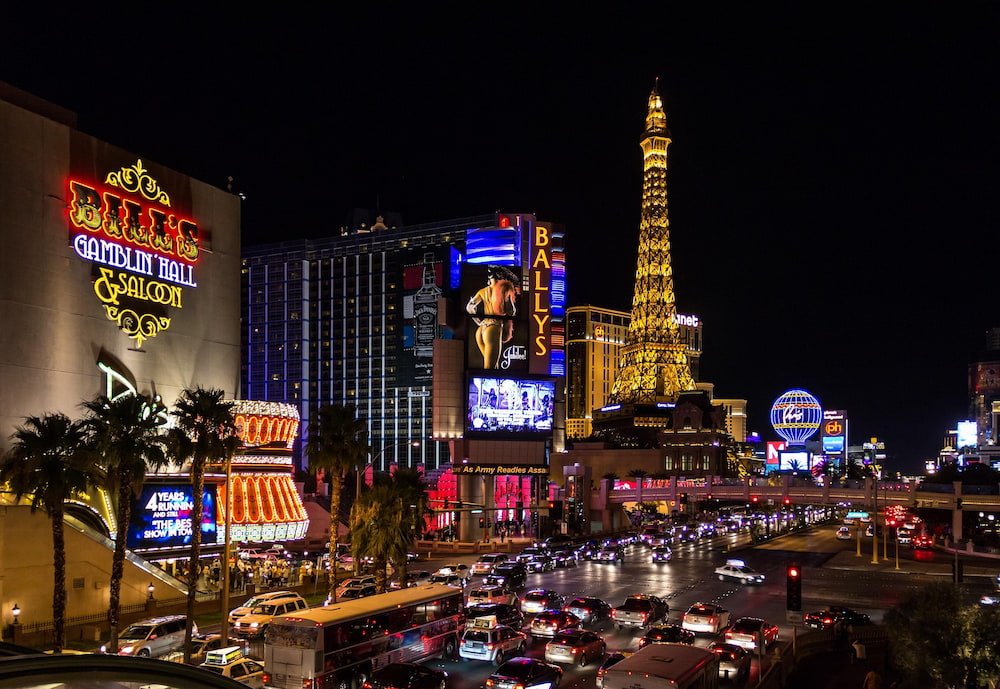
The Las Vegas Strip sparkles with famous landmarks from across the globe. Your group can snap amazing selfies and create lasting memories here. These famous spots give you fantastic photo backgrounds without spending much.
The Bellagio Fountains are the most photographed spot in Vegas. This amazing water display stretches more than 1,000 feet with water jets shooting up to 460 feet high. Groups looking for free fun will love the water dancing to music. The show is simply breathtaking.
The simple fountain schedule helps you plan:
The Bellagio Conservatory & Botanical Gardens sits just past the lobby. This 14,000-square-foot wonderland changes with each season. Your group can explore beautiful displays with thousands of carefully placed flowers and plants.
"I love how they change everything seasonally," says Maria from our last group tour. "The spring display with butterflies had everyone reaching for their cameras!"
The Conservatory team creates beauty and stays green. They reuse living plants between seasonal changes whenever possible.
You might want to use Metropolitan Shuttle service to reach the Bellagio entrance since parking gets tough during busy times.
The Eiffel Tower at Paris Las Vegas stands 46 stories tall above the Strip - half the size of the original but twice as fun. This exact copy gives groups that classic Vegas experience they're looking for.
The deck shows amazing views of the city from every angle. Many people say it's Vegas's most romantic spot, but friend groups love it too for those perfect Instagram shots. Lights dance every 30 minutes from sunset to midnight, so your group has plenty of chances to catch the show.
Your journey up starts with a walk past copies of famous Paris landmarks like the Arc de Triomphe and Paris Opera House. A glass elevator whisks you up 460 feet to the observation deck. Friendly guides point out famous spots across the Las Vegas skyline.
The Venetian Resort brings Venice's charm to Vegas. Gothic architecture and real gondola rides make you feel like you're in Italy.
The Grand Canal Shoppes show off painted ceilings and detailed copies that take your group straight to Venice. The best part? You can float along indoor and outdoor canals with expert gondoliers.
These rides feel just like the ones in Venice. "The ride itself was beautiful," one visitor said about the original Venice experience. "We ventured under many bridges, saw beautiful buildings, and got to really feel the luxury". Vegas captures this same magic.
Bigger groups should split into smaller ones since gondolas have space limits. Some rides include songs - perfect for special celebrations. After the ride, everyone can meet for gelato or coffee at a canal-side cafe.
These three landmarks are the lifeblood of any group trip to the Strip. They're more than just photo spots - they create shared moments that keep groups connected long after leaving Vegas.
Beyond the glitz of the Strip, downtown Las Vegas buzzes with vintage charm and modern thrills. This historic heart of the city offers budget-friendly entertainment that groups love.
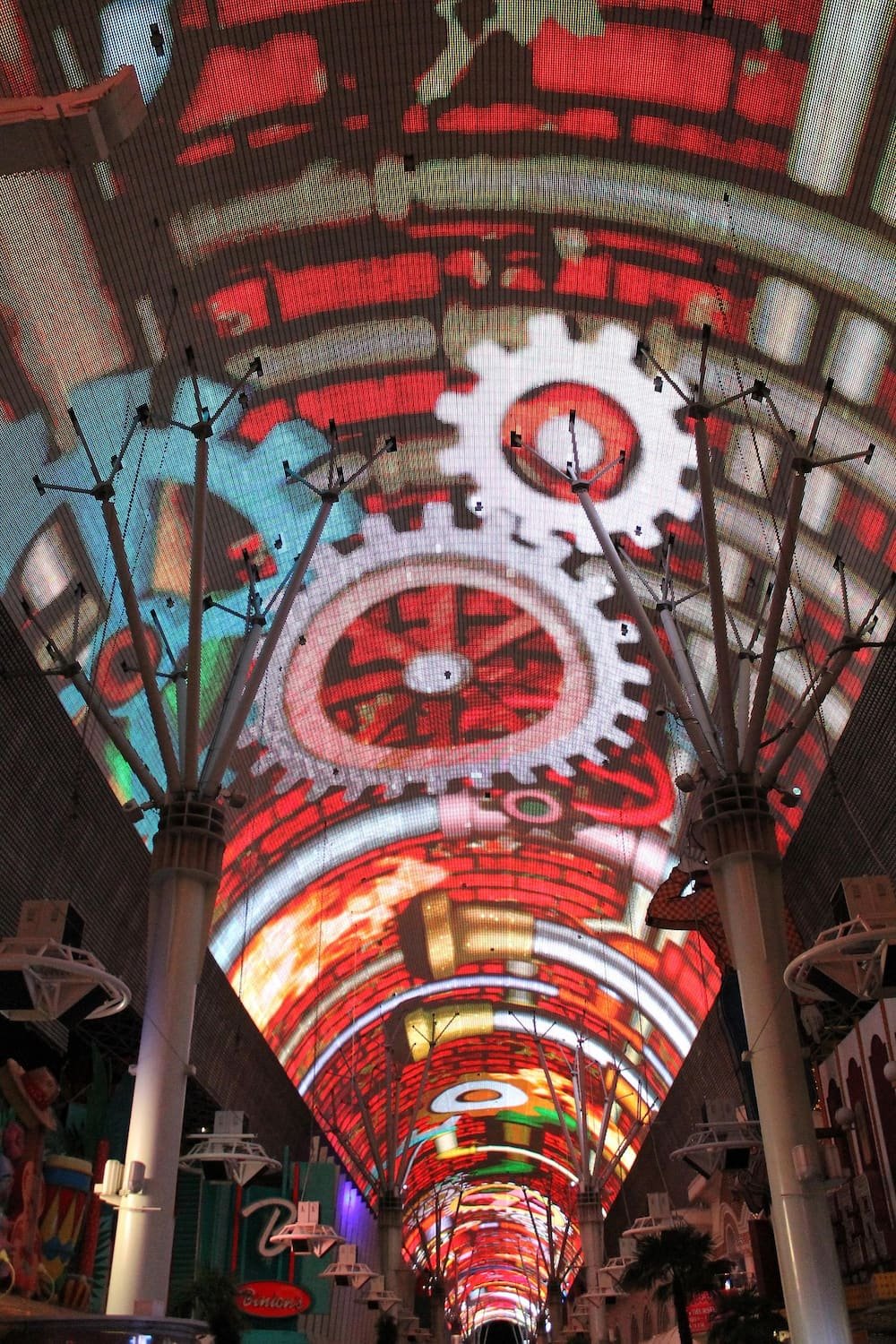
Step underneath the world's largest LED screen for a jaw-dropping light spectacle. The Viva Vision canopy stretches 1,375 feet long, 90 feet wide, and hovers 90 feet above the pedestrian mall. Following a $32 USD million upgrade, this dazzling digital masterpiece now boasts 16.4 million brilliant pixels and 49.3 million energy-efficient LED lamps.
Every hour from 6 p.m. to 2 a.m., the regular world disappears as all lights under the canopy go dark. Then magic happens - a 6-8 minute choreographed show pairs high-resolution imagery with concert-quality sound pumping through 220 speakers powered by 550,000 watts of amplification.
"The light show alone makes downtown worth the trip," says Michael from Chicago. "Our group couldn't stop looking up!"
What makes this a top "must-do in Las Vegas" experience? It's completely free and attracts over 24 million visitors annually. Between shows, your group can enjoy live bands performing on three stages throughout the area.
For stress-free group transportation, Metropolitan Shuttle service can take your group directly to Fremont Street or coordinate drop-offs near the Downtown Loop, a free shuttle that connects many of Las Vegas’s top downtown attractions. It’s an easy way to explore the area without worrying about parking, traffic, or splitting up the group.
Just blocks away stands another downtown marvel - an open-air shopping center built entirely from shipping containers and colorful metal cubes. Container Park houses boutiques, galleries, craft breweries, and restaurants, creating an Instagram-worthy backdrop for group photos.
However, the real star awaits outside - a 40-foot-tall metallic praying mantis guarding the entrance. This massive sculpture isn't just for show. At sundown, something extraordinary happens.
First comes the "Call to the Mantis" - a drum circle ceremony where anyone can participate. Once awakened, this mechanical beast shoots flames from its antenna,e reaching six stories high. The spectacle comes complete with a 4,000-watt surround sound system.
"The kids in our group couldn't believe their eyes," reports Jamie from Texas. "They're still talking about the 'fire bug' weeks later."
This metal monster has quite a backstory too. Aerospace engineer Kirk Jellum originally built it as a first wedding anniversary gift for his wife. After appearances at Burning Man, it found its permanent home in downtown Vegas.
For groups fascinated by organized crime history, this museum occupies a building that once held actual criminal trials. Located within walking distance of Fremont Street, it offers an immersive journey through America's mob past.
After exploring exhibits, head to the basement where a hidden gem awaits. The Underground Speakeasy recreates a Prohibition-era bar complete with period-appropriate cocktails. To enter like a true insider, ask for the weekly password (a recent example: "G-Men").
Open Sunday through Thursday from 11 a.m. to 11 p.m. and Friday/Saturday until midnight, this hidden bar offers the perfect nightcap for your group's downtown adventure. Just remember - speakeasy access is restricted to those 21 and over.
Downtown Las Vegas presents a perfect contrast to Strip activities. Its combination of history, innovation, and budget-friendly fun makes it ideal for groups seeking authentic Vegas experiences.
Las Vegas redefines entertainment limits with attractions that leave visitors speechless. These modern marvels show why Vegas leads the way in state-of-the-art entertainment.
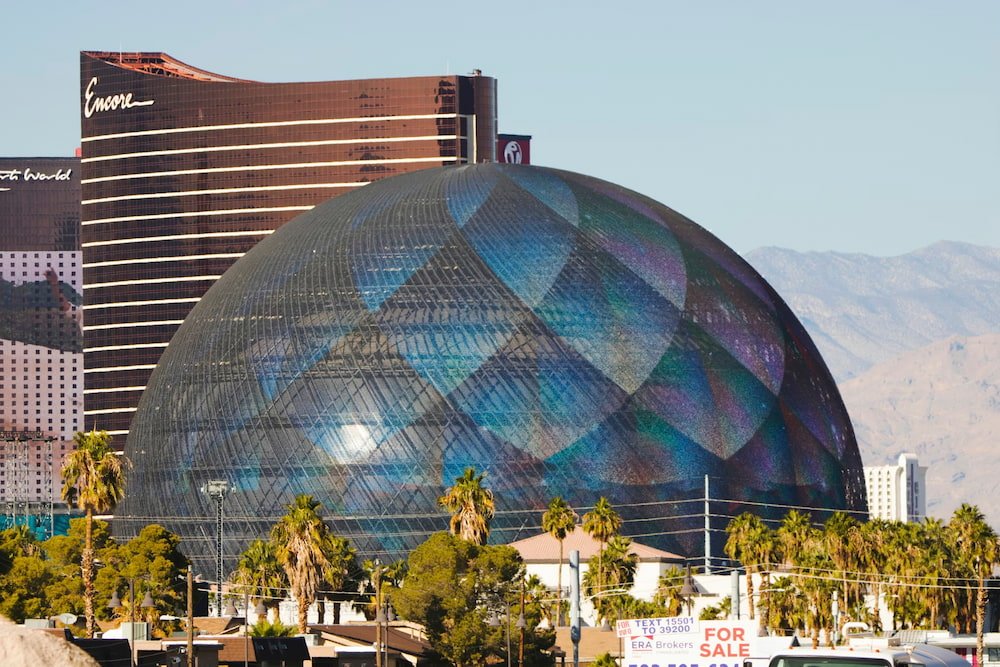
The world's largest spherical structure stands 366 feet high and stretches 516 feet wide, dominating the Vegas skyline.
The moment you walk in, you'll be amazed. The Sphere surrounds you with a 160,000 square-foot LED display - equivalent to four football fields - showing images at a stunning 16K x 16K resolution.
You'll experience:
"Think virtual reality without the headset," says one visitor. "You've got to see it – experience it – for yourself."
The modern atrium greets guests with holographic art and lifelike AI robots. Current shows feature "The Wizard of Oz Experience" and concerts by legends like the Eagles and Backstreet Boys.
Pro tip: Book seats in the "Director's Zone," section 306 (seats 6-16) to get the best views.
This engineering masterpiece deserves more attention. The 550-foot-tall observation wheel gives you panoramic views through floor-to-ceiling windows in comfortable, climate-controlled cabins.
Groups can choose from several options:
Each cabin accommodates up to 40 guests, making it perfect for big groups. The wheel takes 30 minutes to rotate, giving you plenty of time to take photos and mingle. Over 2,000 lights dance to music at night, creating a stunning light show.
Groups can use the Metropolitan Shuttle service to move between attractions without parking hassles.
This place turns grocery shopping into an interdimensional adventure. The 52,000-square-foot interactive art installation starts with weird products like "Emergency Clams" and "Cage Free Toes”.
A freezer door marked "Don't Forget Yourself" leads you into bizarre worlds filled with mind-bending landscapes.
Groups love this place because everyone finds different secrets:
"Groups immediately splinter into competing exploration strategies," notes one visitor. "The planners want to solve the Dramcorp mystery systematically... The photographers need the perfect shot in every neon-lit hallway".
School trips get special rates at $15 USD per student, and chaperones enter free. Schools must have one adult for every eight students.
Adults can upgrade their visit with VIP package,s including:
Visitors discover portals to new dimensions, play with surreal environments, and might stumble upon the not-so-secret bar serving "Happle Juice".
These three attractions showcase Vegas's next wave of entertainment - immersive, interactive, and unforgettable. Your group will experience something unique, whether you're traveling with friends, family, or colleagues.
Park City is a small mountain town in Utah. It sits high up in the mountains, about 30 minutes from Salt Lake City. It is famous for skiing and snowboarding. The town hosted events for the 2002 Winter Olympics.
Families especially love snowmobile adventures in Park City because it's easy to reach without long, tiring drives with kids.

The Park City snowmobile adventure has become the go-to choice for families who want to make winter count. The beautiful snowy mountains have many trails perfect for snowmobiles, where families can ride through forests and open meadows with amazing views.
Kids and parents ride together, see things they've never seen before, and come home with stories that last for years.
Park City snowmobile adventures are famous because the area has some of the best mountain terrain in America with lots of beautiful powder snow. Since Park City hosted the 2002 Winter Olympics, it has become known worldwide as a top winter destination.
Families keep coming back year after year because it delivers what they're looking for. People talk about their experiences with genuine enthusiasm.
Equipment gets maintained by people who care about quality. Guides spend time teaching you the right way to ride and how to handle yourself out there. That combination of good conditions, solid equipment, and people who know their stuff has built a reputation that keeps growing.
Snowmobiling offers a unique, shared adventure that creates lasting memories. This adventure is the highlight of a winter vacation. Years later, your kids will remember this day far more than any indoor activity. These are the moments that become real family stories.
Tours can accommodate beginner, intermediate, and advanced riders. Find options for double-seated machines so younger children can ride with adults. Some locations offer mini snowmobiles so that children can enjoy riding them.
Guides teach you how to operate the machine and read the snow conditions. Kids learn why safety rules exist, rather than just being told to follow them. They see how professionals handle equipment and respect the environment. These tips for safe snowmobiling stick because they're learning by doing.
Snowmobiles run quietly compared to other machines. That means animals don't get scared away. Furthermore, your family sees animals like deer and elk out in the snow in their real habitat. Kids see wildlife living naturally, not just in cages at zoos.
Most kids spend their days indoors, glued to screens during winters. These trips show them what the real outdoor world has to offer. Fresh air and wide-open space become
attractive when they're experienced firsthand.
Cold weather usually means everyone gets lazy indoors. Snowmobiling keeps your family moving all winter long. Kids burn energy, and parents get exercise without it feeling painful.
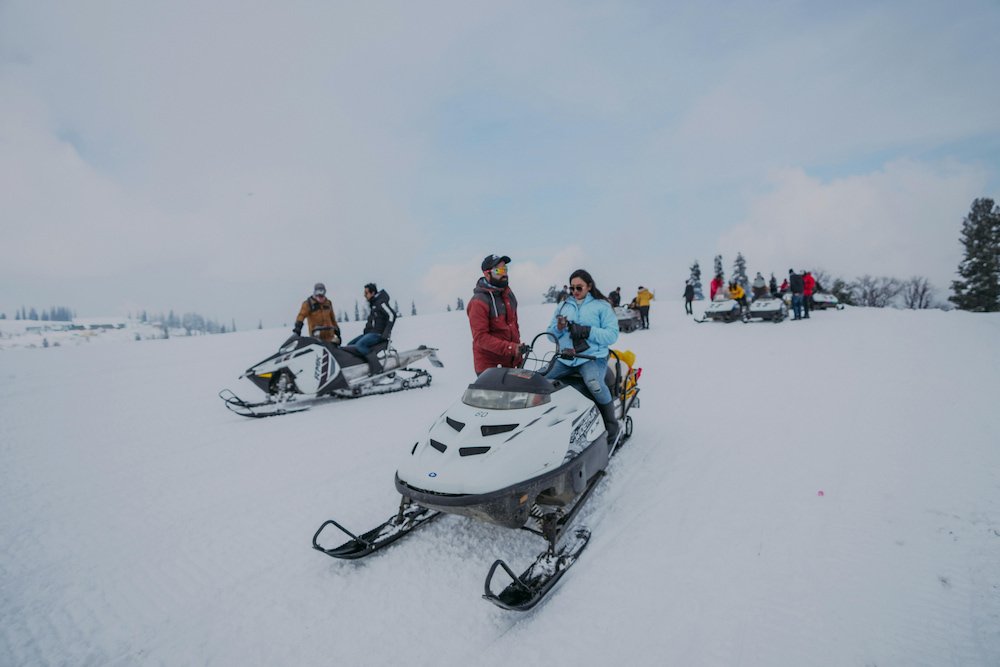
Snow completely changes how the world looks. Frozen lakes, trees covered in white, and white mountains everywhere create views you won't see any other time of year.
Families come back the same week every winter. Kids grow up knowing this trip is coming. These annual rides become part of who your family is.
Park City snowmobile adventures give families real outdoor time together, building stronger relationships and creating memories that matter. The safety, accessibility, and genuine excitement make these trips worth planning for every winter season.
Leeds has evolved into one of Yorkshire's most vibrant cities, blending industrial heritage with modern culture, excellent shopping, and thriving nightlife. Whether you're organising a corporate event, planning a university reunion, coordinating a sports team outing, or celebrating a special occasion with friends and family, getting your group around this bustling city requires thoughtful planning. This guide explores how to navigate group travel in Leeds efficiently, ensuring your transportation enhances rather than hinders your experience.
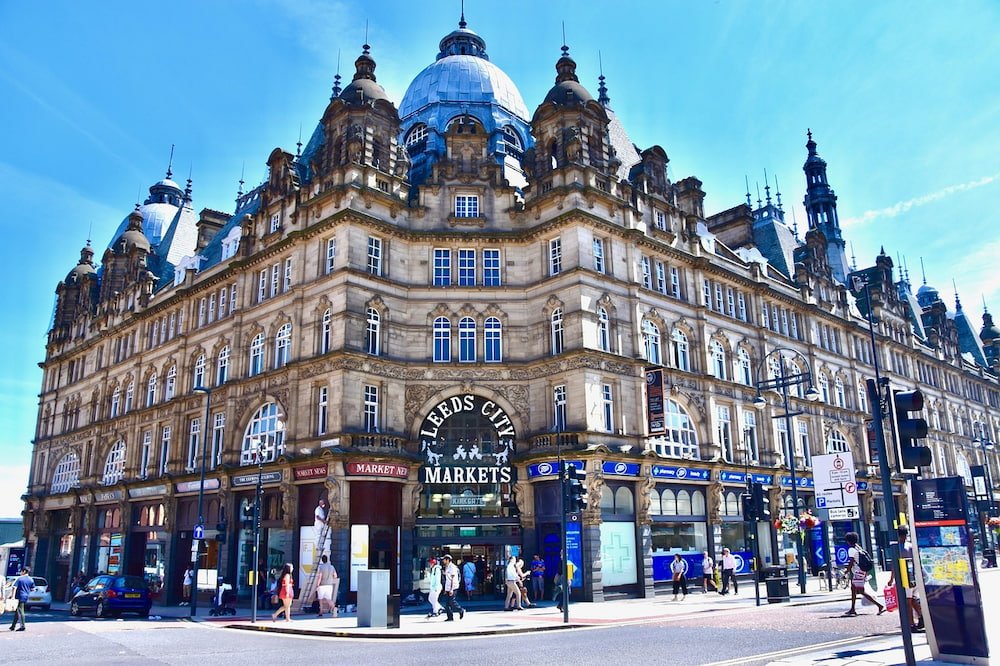
Leeds city centre's pedestrianised zones, busy ring roads, and limited parking create significant challenges for multiple vehicles. Coordinating arrival times, finding parking spaces, and ensuring nobody gets lost along the way can overwhelm even the most organised planner. Professional group transport eliminates these complications entirely, allowing everyone to travel together whilst you focus on enjoying your event rather than managing logistics.
Today's group transport offers far more than basic seating. Air conditioning, comfortable reclining seats, and entertainment systems transform travel time into a pleasant experience rather than something to endure. For longer journeys to Yorkshire's countryside or neighbouring cities, these amenities make a substantial difference to passenger comfort and overall satisfaction.
Whilst professional transport might seem like an added expense, the mathematics often tells a different story. City centre parking in Leeds typically costs £2-3 per hour, with daily rates reaching £15-20. Multiply this across multiple vehicles, add fuel costs and congestion, and suddenly professional group transport becomes not just more convenient but genuinely cost-effective—particularly for larger groups.
Leeds offers world-class shopping at Victoria Quarter and Trinity Leeds, alongside cultural gems like the Royal Armouries Museum and the vibrant Leeds Dock area. However, navigating between these attractions with a large group presents practical challenges. Professional transport drops you directly at your destination, handles all parking logistics, and picks you up when you're ready to move on.
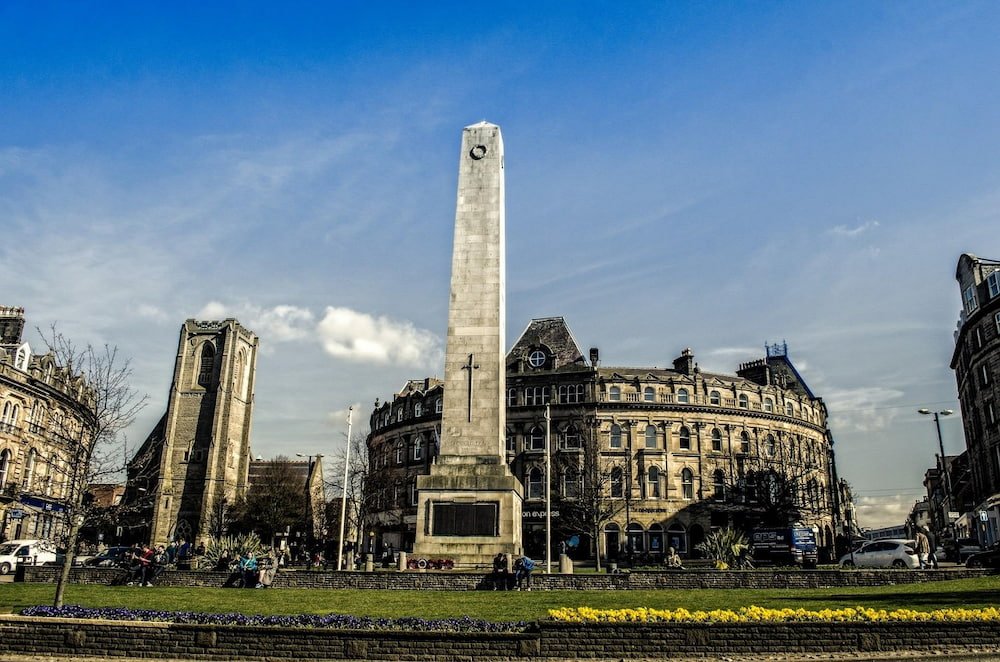
The Yorkshire Dales, North York Moors, and historic market towns like Harrogate and York lie within easy reach of Leeds. These destinations offer spectacular scenery and fascinating history, yet country roads and limited parking can make them awkward to reach with multiple cars. Coach Hire Leeds provides comfortable access to these treasures, allowing your group to enjoy Yorkshire's stunning landscapes without the stress of convoy-style driving through unfamiliar terrain.
Elland Road, Headingley Stadium, and the First Direct Arena host major sporting fixtures and concerts throughout the year. These events attract thousands of visitors, creating parking nightmares and heavy traffic. Arriving together via professional transport means your group can enjoy the atmosphere without worrying about finding spaces or coordinating multiple vehicles in crowded conditions.
Begin with fundamental questions: How many passengers? What's your destination? Will you make multiple stops? Do you need luggage storage or specific amenities? Clear answers to these questions ensure you book appropriate transport and avoid surprises. Consider any accessibility requirements for elderly passengers or those with mobility concerns.
Leeds experiences peak demand during university terms, major sporting events, and the festive season. Book 6-8 weeks ahead during these periods to guarantee availability. For quieter times, 4-6 weeks typically suffices, though earlier booking often secures more competitive rates and gives you one less thing to worry about.
Designate someone as the point of contact between your group and the transport provider. This person should confirm pickup locations, timing, and any special requirements. Clear communication prevents confusion on travel day and ensures everyone knows exactly where to be and when.
Group travel time represents an opportunity rather than dead space. Corporate groups might use the journey for informal team discussions or briefings. Social groups can create shared playlists, organise competitions, or simply catch up without the distraction of driving. The key is recognising that the journey itself can enhance your overall experience when approached thoughtfully.
Consider your group's dynamics when planning. Mixed-age groups might appreciate quieter travel, whilst younger crowds might want music and conversation. Longer journeys benefit from planned comfort breaks, giving everyone a chance to stretch their legs and refresh.
For standard travel, booking 4-6 weeks ahead typically works well. However, during university term times, major fixtures at Elland Road or Headingley, or the December party season, booking 6-8 weeks in advance is advisable. Popular dates fill quickly, and early booking often means better pricing.
Certainly. Day trips to York, the Yorkshire Dales, coastal towns like Whitby, or historic sites throughout Yorkshire are all popular options. Professional group transport makes these excursions practical and enjoyable, handling navigation and parking whilst everyone relaxes and enjoys the scenery. Discuss your intended route when booking to ensure proper planning.
Most reputable providers understand that group sizes can fluctuate. Contact your transport company immediately if numbers change significantly. Minor variations usually pose no problem, though substantial increases might require a larger vehicle. Providers generally offer reasonable flexibility with adequate notice.
Absolutely. Even short trips within Leeds or to nearby venues benefit from professional transport. You avoid parking hassles, everyone travels together, and if your event involves alcohol consumption, nobody needs to worry about driving. Short journeys often prove surprisingly affordable when costs are divided among the group.
Pricing typically depends on distance, journey duration, vehicle size, date, and time. However, per-person costs often prove very reasonable—frequently comparable to or less than individual travel when you factor in parking, fuel, and vehicle wear. Request detailed quotes from providers to compare options and ensure transparency. Many companies offer competitive rates for return journeys booked together.
Successful group travel in Leeds centres on choosing the right transport solution and planning thoughtfully. Professional group transport doesn't merely move people from place to place—it creates a foundation for smooth, enjoyable experiences that allow everyone to focus on what truly matters. Whether you're exploring Leeds' cultural offerings, venturing into Yorkshire's spectacular countryside, or attending major events, quality group transport eliminates stress and enhances your overall experience. With proper planning and reliable transport, your Leeds group outing will be remembered for all the right reasons, leaving everyone free to enjoy Yorkshire's finest without logistical worries getting in the way.
The Hidden Saudi Arabia are the most thrilling and adventurous country that is emerging as one of the top destinations for every backpacker that they must explore in their lifetime. So the tourists have a range of varying activities to perform and explore world-class sites as adventures. Backpackers can explore breathtaking scenes of its ancient historical places and go hiking on the tops of these desert canyons. The Muslim travelers from the UK are also visiting the sacred places to perform holy rituals of Umrah pilgrimage. Thus, Umrah pilgrims can book Umrah Tour packages from Islamic Travel Agency and leave all logistic responsibilities on agents. They arrange a fully guided trip to the Makah and Medina to perform sacred Umrah pilgrimage.
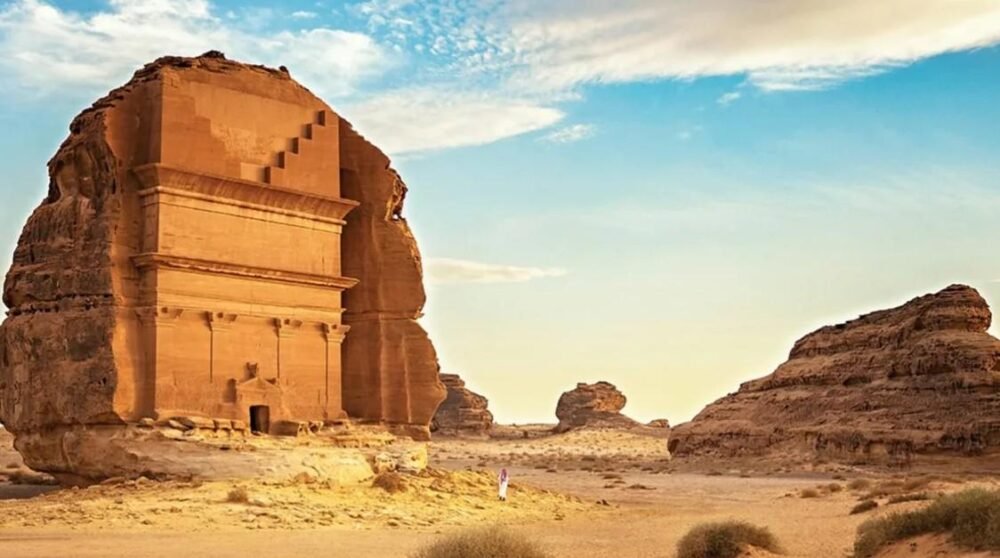
Saudi Arabia is full of breathtaking sceneries of ancient historical places and invites numerous visitors to make their holidays unforgettable. There are numerous worthy activities to do including exploring the UNESCO World Heritage Site of AlUla. Backpackers can also explore and learn about history from expert agents.
Red Sea shores and Islands are very famous for tourism and Backpackers can perform different activities on the shores of the Red Sea for their recreation. The Red Sea is an incredible place for diving and exploring the diversity of Marine life existing it is.
There are numerous mountains with high peaks to view panoramic sceneries of natural beauty and perform different outdoor activities for recreation. Backpackers can head towards the edge of the Jebel Fihrayn near Riyadh and view its sharp cliffs and desert horizons. They can further go hiking, photography, stargazing, and high-altitude trekking and hiking. Backpackers can also explore wildlife at these high altitudes. Its beauty is inevitable and appreciable.
Backpackers can visit Rub Al-Khalil desert for camping under stars and sky. Backpackers can book agents and travel with a group for proper guidelines and precautions. They can seek guidance from expert tour guides for navigation, comfortable experience, safety, precautions, and desert trekking. In camps, they can take advantage of beautiful nights with a campfire atmosphere in the open grounds of Rub Al Khalil.
Visitors can travel to different well-known caves rich with large deposits of metals and other gems. These caves are rich with historical and geological backgrounds. These caves are formed over millions of years and Backpackers can live all these long years just in one visit and also view the larger deposits of metals in them including limestone, gypsum and sandstones. Famous caves of Saudi Arabia worthy to exploration are Heel Cave, Jabal Al-Qarah caves, Abu Al-Waul Cave, and Ghar Al-Hibashi Lava tube.
Britain is quietly becoming one of 2025’s most interesting travel destinations — for a range of reasons. Here’s why you might want to get ahead of the curve and consider the UK for your next trip or article.
London’s still a safe bet if you want museums, theatre, and world-class food, but there is much more happening outside the capital.
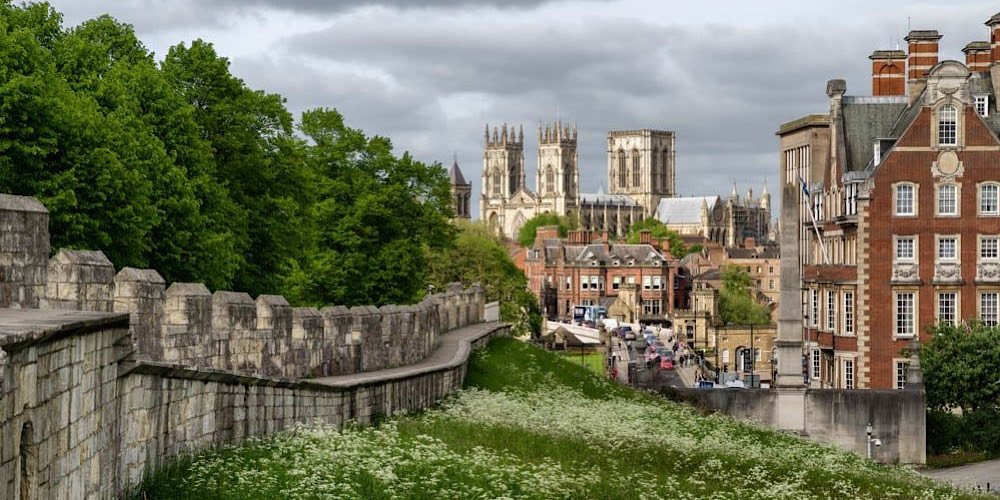
York’s packed with atmosphere, from its cobbled lanes, medieval walls, to more pubs than you’ll manage in a weekend. It’s great for history lovers, but the growing food scene and indie shops give it a modern edge.
Further south, Bristol mixes creativity with maritime charm. Street art, harborside bars, and a strong music scene give it real personality, while the nearby countryside offers an easy escape.
If you’re into sport, catching a live match is a great way to soak up local energy. Football’s the big one, with clubs like Liverpool, Newcastle, and Brighton offering surprisingly accessible home games if you book early.
Rugby’s also a big part of the calendar. Currently, the Autumn Nations Series is in full swing across various UK stadiums, including Twickenham, Edinburgh’s Murrayfield, and Cardiff’s Principality Stadium.
Cricket, too, has its moments in the summer months, particularly at iconic grounds like Lord’s or Headingley.
Britain’s outdoors have always been underrated. In the Lake District, you’ll find big, dramatic views and quiet trails (with a pub at the end of most of them).
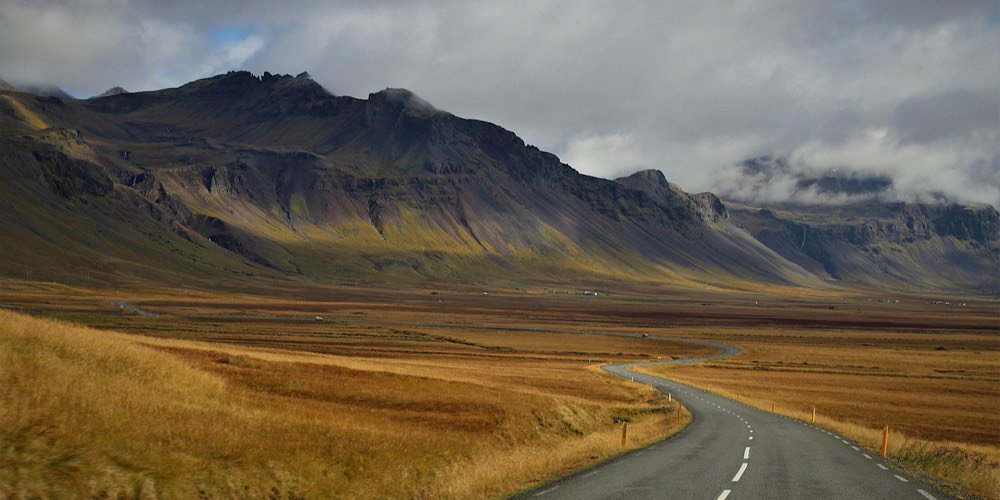
Further north, the Scottish Highlands offer that proper sense of space, with glens, lochs, and roads that seem to go on forever. The overnight sleeper train from London makes it surprisingly doable.
Wales isn’t short of adventure either. Eryri (Snowdonia) is packed with hiking routes, zip lines, and mountain biking, but without the same crowds you’ll get in more famous ranges.
Cornwall remains the UK’s go-to coastal escape with its surf, cliff walks, sea air, and the laid-back vibe of towns like St Ives.
But if you want space and silence, head to Northumberland. The beaches are huge and often empty, and you’ve got castles like Bamburgh rising straight out of the dunes.
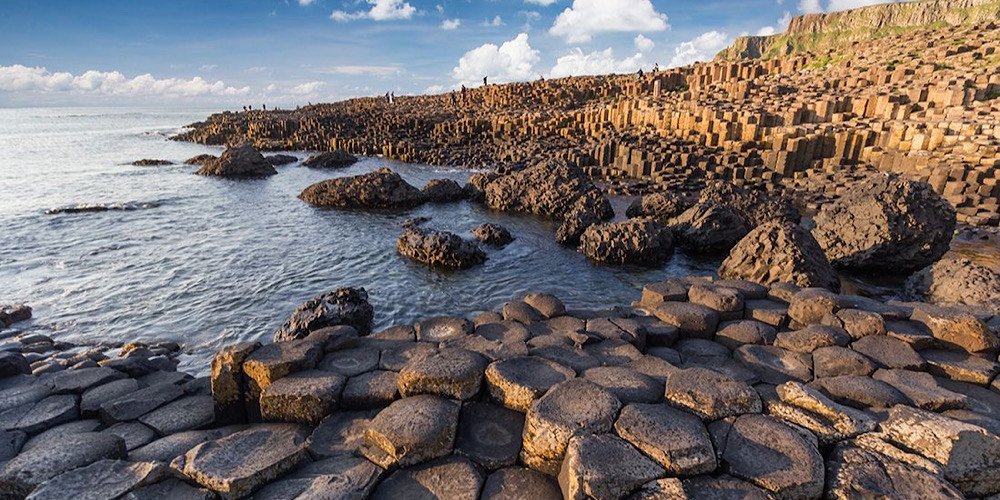
Northern Ireland’s Causeway Coast is another one for the bucket list. The Giant’s Causeway is the big draw, but the real charm is in the villages, sea views and cliff-top walking trails that feel far less touristy than they should.
Britain’s strength for travelers is its variety. You can hop between characterful cities, lose yourself in wild landscapes, or slow down by the coast. It’s easy to get around and even easier to stumble into something memorable, making the UK a solid pick if you want a trip built on a mix of moments rather than one big attraction.
Abu Dhabi, the capital of the United Arab Emirates, is a city that blends modern sophistication with rich cultural heritage. Its skyline glitters with architectural marvels, while its cultural districts and pristine beaches reveal a slower, more refined rhythm. For travelers who value comfort and a seamless journey, business class flights to Abu Dhabi offer an ideal way to start this adventure. From the moment you step into the airport until you arrive at the opulent heart of the UAE, every element of your travel experience can match the city’s luxurious spirit.
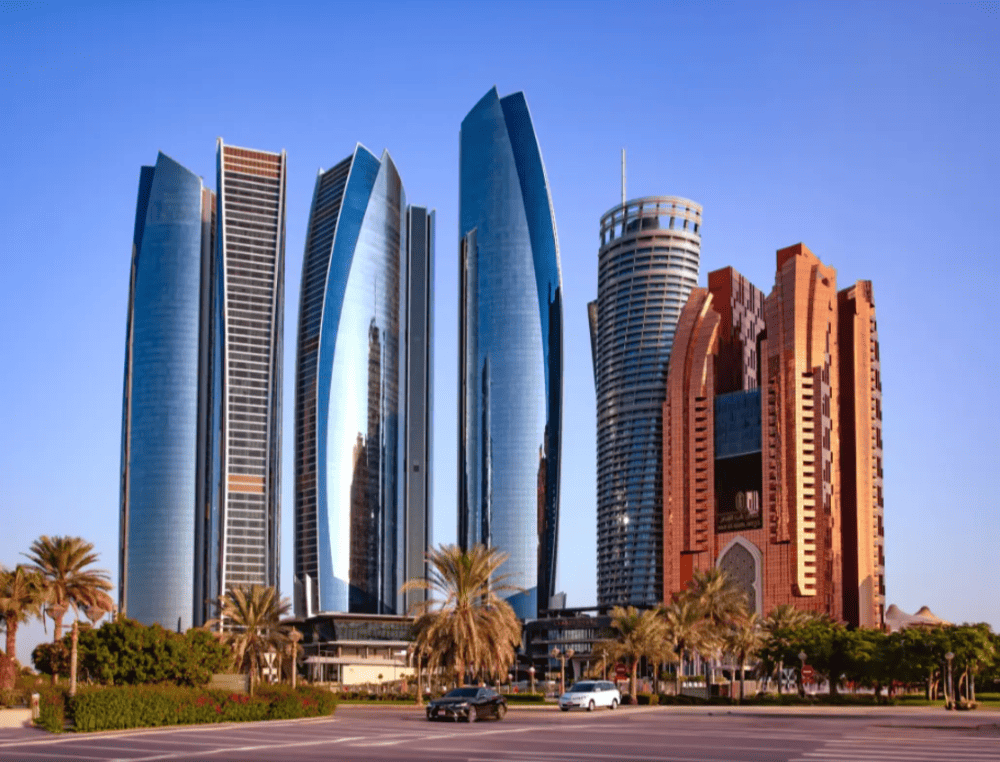
Many major international airlines offer business class flights to Abu Dhabi, including Etihad Airways, Emirates (via Dubai with a short transfer), Qatar Airways, and several European and Asian carriers. Your choice may depend on loyalty programs, departure airport, or specific amenities such as onboard suites, dine-on-demand menus, or high-speed Wi-Fi.
To find the best deals:
From the outset, business class travelers benefit from exclusive check-in counters and expedited security lanes. This ensures a calm, efficient start to the journey.
Before boarding, relax in a premium airport lounge. Depending on the airline, lounges may offer à la carte dining, spa treatments, and private work areas. Lounges operated by Gulf carriers are often destinations in themselves, with interiors reflecting the luxury and design ethos of the Middle East.
The journey to Abu Dhabi can range from six to fourteen hours, depending on your departure point. Lie-flat seats with direct aisle access transform this time into an opportunity for real rest. Fine dining, complete with multi-course menus and regional specialties, creates an onboard experience that mirrors the luxury you’ll find on arrival. Premium amenity kits, noise-canceling headsets, and attentive cabin service ensure that every moment is curated for comfort.

Landing at Abu Dhabi International Airport, you’ll pass through modern, well-organized immigration facilities. Business class passengers often benefit from fast-track services, reducing wait times and allowing you to reach your hotel or meeting swiftly. Private car services and luxury taxis are readily available, offering a seamless transition from air to ground.
From the airport, a short drive delivers you into a city of contrasts—glass towers reflecting the desert sun, manicured gardens, and traditional souks nestled beside five-star hotels.
Emirates Palace Mandarin Oriental – An icon of opulence, complete with private beach, award-winning dining, and architecture worthy of a palace.
The St. Regis Abu Dhabi – Known for its personalized butler service and sweeping Corniche views.
Qasr Al Sarab Desert Resort by Anantara – Located in the Empty Quarter, this desert retreat offers luxury surrounded by endless dunes.
Bab Al Qasr Hotel – A modern property with Arabic design influences, close to cultural attractions.
One of the world’s largest mosques, it features 82 domes, over a thousand columns, and a dazzling array of marble and gold. The mosque welcomes visitors from all backgrounds and offers guided tours to explain its architectural and spiritual significance.
This museum is a masterpiece of architecture, with a vast dome that creates a "rain of light" effect. Inside, exhibits span civilizations and continents, reflecting Abu Dhabi’s vision as a cultural bridge between East and West.
A historic fort and cultural hub, Qasr Al Hosn offers an insight into the city’s transformation from a small fishing settlement to a modern capital.
A beautifully maintained stretch of sand along the city’s waterfront, perfect for a morning swim or an evening stroll.
Home to world-class attractions including Ferrari World, Yas Marina Circuit, and Yas Waterworld. The island also features luxury hotels and a vibrant dining scene.
Famed for its cultural district and pristine beaches, Saadiyat Island is also home to exclusive resorts and a championship golf course.

Abu Dhabi’s dining scene mirrors its cosmopolitan population. From Michelin-starred restaurants to traditional Emirati eateries, the variety is impressive. Popular experiences include:
Desert Safari – Dune bashing, camel rides, and stargazing in the world’s largest sand desert.
Al Ain – A UNESCO World Heritage-listed oasis city with forts, museums, and natural springs.
Sir Bani Yas Island – A wildlife reserve offering luxury eco-lodges and guided nature tours.
