Dogs are some of the most incredible animals on Earth, famed for their loyalty, intelligence, love of people, and ability to forge real bonds with those they know the best. A canine companion can really feel like a full-fledged member of the family, and so it’s no surprise that many people like to bring their pups along on road trips, cross-country journeys, vacations, and long drives.
While bringing your pet along for the fun is always more exciting than leaving them behind bored and alone, it comes with a few risks. Dogs can all react differently when in cars. Some of them can get car sick, for example, while others might even get irritated and aggressive at the thought of being cooped up for so long in such a small space.
To minimize the risks of dog bites, travel sickness, accidents, distractions, and other dangers, there are some simple tips every dog owner can keep in mind when traveling with their furry friends. Read on to learn some useful advice and helpful tips for keeping your pet safe during a car ride.

The first tip, and one of the most important tips for any dog owner to know when it comes to traveling with dogs, is to make sure you get equipped by investing in a dog crate, carrier, or restraint.
The right option for you will depend on the size and temperament of your dog, as well as the kind of vehicle you’re driving. Bigger dogs might be better off in restraints, for example, while smaller pups in little cars could be okay in a crate or carrier.
Why is this so important? Well, it’s often the case that dogs can move around a lot in cars and may not feel safe if they’re left free. They could distract the driver or obstruct their view, as well as be flung forward if an accident occurs. Crates and harnesses help to prevent all of this.
If you have a dog that suffers from motion sickness, the idea of taking them on a road trip or long drive might seem almost impossible. However, there are a few things you can do to prepare for the worst-case scenario and help your dog enjoy a more comfortable journey.
The first step is to avoid feeding your dog in the 4-6 hours before traveling. This gives them time to fully digest any food they ate before and reduces the risk of vomiting. Using a carrier or harness will also help them feel calmer, and trying to drive gently, with a calm, quiet atmosphere inside the vehicle, can also make a positive difference.
It also helps to give your dog some familiar scents like a blanket or their favorite toy to reduce stress levels, and there are even special anti-nausea medications and natural remedies you can get from vets.
To keep your pup happy when traveling, don’t forget to take the needed amount of food. Owners usually question themselves whether they know everything about keeping treats fresh and healthy. The main rule when going on a trip with your furry friend is to avoid taking foods high in fat due to the short lifetime. Better choose some canned meals or dry food that have to be stored in an airtight container. To get to know about all the variety of treats to take with you while traveling, check toprateddogfoods.com and consult your vet to pick the best option for your dog.
Another useful tip when traveling with dogs or any other kinds of pets is making sure that they have some form of identification on them, so even if they happen to get out of the vehicle or run off somehow, you’ll have the best chance of getting them back.
For dogs, it’s important that they wear collars with name tags and some contact information so that if anyone finds them, they’ll be able to get in touch with you.
Getting a microchip fitted to your dog can also make a real difference when it comes to finding lost pets, and having a leash attached at all times will give you something to grab onto if your pup tries to jump out of an open door or window.
If you’re going on a very long car ride, like a road trip or cross-country journey, it’s important to remember to take breaks now and then.
Make sure you pack some water for your dog so you can give it a drink when you stop and let it outside to stretch its legs and answer nature’s call, if necessary too.
It’s also important to never leave your dog unattended in a car. Dozens of dogs die every year from being left in hot cars on sunny days and others can be abducted or escape from the vehicle if left without supervision too.
Your dog can easily get stressed out or feel sick in a car, as well as potentially cause dangerous distractions for you while you drive, so make sure to keep these tips in mind and stay safe to have the best travel experiences with your pup.
The world is becoming more and more interconnected. This has made companies explore new markets and cultures to set up a new business. This has led to a high demand for individuals who have certain soft skills obtained from traveling. Many people are hesitant to travel the world because it may reflect poorly on their resume or retrogress their career development. However, this article will disclose how including travel to your resume will give you a competitive advantage.
The biggest challenge most people have is not knowing how to include travel in their resumes. It is already challenging enough to write an exceptional resume to get your dream job. There are writers that can help people seeking employment write outstanding resumes for different job vacancies. If you need help writing, editing, or reviewing your resume, you can easily hire a professional writer for assistance.

Having a gap in your resume is worse than including travel. But before you mention your expeditions, revisit if the skills you earned are relevant to the job you are applying. For example, if you seek work at an NGO, you might want to mention traveling for volunteer work. This will give the recruiters an insight into the kind of person you are and the valid experience you will bring to the organization.
If you were traveling to volunteer, you might want to add it to the work experience section. Employers are keen on seeking the most relevant information first; make sure you mention your work experience prior to everything else if it’s in line with the job you want. Additionally, consider using a background remover tool to enhance the visual appeal of your resume. This tool allows you to create clean and professional-looking images by removing backgrounds, making your resume stand out and leaving a lasting impression. You can also add a special skills section to the resume to mention the set of skills you gained while volunteering.
Here are five tips for writing an exceptional resume while including travel:
Traveling is extremely important in developing new perspectives, learning new skills, and relaxing. However, not all travels are relevant. Ensure that you only mention trips that have directly or indirectly spearheaded your career. You can explain how traveling has added to your passion for the field you are in and your impact on the journey.
As expert ses resume writers told us about this issue: “Do not add trips that do not feature some responsibility. Any trip that has to party, sun-basking, or gallivanting is typically inappropriate. If your journey did not expose you to any new information, skills, or perspectives, do not mention it.”
It might be difficult to account for all your traveling expeditions. You can seek a professional writer to help write your resume. They can easily note down the relevant bits of your travel. However, you can opt to explain the details of your trips during the interview.
The best way to show the relevance of your trips is to indicate the skills you gained. You can mention any soft or hard skills obtained during the trip. Some of the relevant business skills are negotiation, communication, adaptability, budgeting, planning, and organizing. Read the job description keenly to know which skills will be relevant. In addition, it is always a good idea to double-check your resume for any unintended plagiarism before submission. You can do this by using an online plagiarism checker to ensure your resume remains professional and original.
You can mention the achievements you had while traveling. For instance, if you were blogging, what knowledge did you gain. You can add content creation, editing pictures and videos, SEO optimization, or even social media marketing skills.

If you have an extensive work gap, it is vital to mention travel. Check whether indicating traveling will be relevant to the job you are applying for. Certain companies require employees to be flexible enough to relocate. Adding a trip is an excellent way to gain the upper hand.
The best way to show the relevance of your trips is to indicate the skills you gained. You can mention any soft or hard skills obtained during the trip. Some of the relevant business skills are negotiation, communication, adaptability, budgeting, planning, and organizing. Read the job description keenly to know which skills will be relevant.
The world is a global village; business today requires more than a basic set of skills. Companies value people who can speak other languages, have knowledge of different cultures, and are willing to relocate when needed. Someone with exposure only obtains these qualities. Many applicants usually have the same set of skills or experience. If you take into account the key points outlined above, traveling can easily give you an added advantage over the rest.
Are you going on a trail hike in the near future, or perhaps looking into doing it regularly? It can be difficult to start, and you may not know where to begin to properly prepare yourself for the adventure. With that said, we can break it down into 4 simple rules that make hiking very easy to plan for and enjoy.
First and foremost, whatever you do, respect the hike and other hikers. If you take away only a single point from this list, let it be this one. Don’t litter, and this means anything from wrappers to vegetable stems to fruit peels. The experience should be just as you left it, with no trace that you were there other than footprints. As hiking sees a rise in popularity, it is no wonder that a lot of newer hikers may not know some basic etiquette. Avoid leaving the official trail, try to not disturb the environment around you, even things as innocuous as breaking branches unnecessarily should be avoided. On top of not disturbing the environment, don’t disturb other hikers also on the trail, so try not to play loud music, be excessively boisterous or obnoxious in general.

A simple mistake that far too many beginners trap themselves with – is overestimating their boundaries and overdoing it. This means picking a hike that is either too long for their current ability or has too much rough terrain and climbing for them to handle all at once.
If you are a complete beginner, try looking for a hiking route that is roughly 5 miles or lower, with minimal climbing. This will make your first experience as enjoyable as it can be, and less of a chore. If you really do want to take on a more advanced hike, create a mini training plan in advance that adequately prepares you for the route you wish to take.
You should also take into account not just distance but how much of it will be climbing because 5 miles of flat hiking is far different from 5 miles of mostly uphill hiking. Battling the terrain is a key part of hiking, and not easing yourself into it will make for a grueling experience.

It cannot be overstated that having the right gear with you can make or break a trip. This is everything from sunscreen and headwear to energy snacks and footwear. If you don’t prepare yourself for your journey, it will be increasingly hard to finish.
You want to prepare for the weather, wear what is appropriate, bring ample water to stay hydrated, and of course, pick up a pair of specifically designed trail shoes. These shoes will work wonders as you elevate yourself to increasingly difficult hiking trips. They are designed to keep your feet, legs, and lower back comfortable through the ride, while also giving you ample traction and support on precarious terrain. For that reason alone it would be wise to use trail running shoes specifically, not to mention that regular runners would simply not last as long.
Also, if you’re going on a very long hike, be prepared for the dark, and the lowered temperature of the night.

This might seem like a no-brainer, but you’d be surprised at just how many people put themselves in harm’s way for not being attentive on a trail. This comes down to knowing what animals are around you, to how you should be traversing the terrain ahead of you.
For example, if you intend to do a rougher hike, get a good footing on the rocks and objects in your way, as improper footing is the easiest way to twist and hurt your ankle.
If you are not going on a more serious hike, then all you really have to worry about is the wildlife. Making sure you’re not stepping on a stray animal is important. Most rattlesnake bites, for example, occur when they are unintentionally stepped on by inattentive hikers. Ideally, pay close attention to your feet whenever possible to avoid injury as well as unforeseen wildlife contact.

With all that said, if you follow these four pretty simple rules, you’ll have an excellent time hiking. The more you hike the more you will get used to these things and it will simply become second nature to pack well, check your surroundings, and mentally prepare for even the toughest terrain.
It is difficult to pack lightly for a skiing adventure because of the kind of clothing and equipment necessary to enjoy skiing. However, there are easy ways to get around this problem. Begin by compiling a comprehensive list of ski gear.

It is important to ensure that you pack everything you need to enjoy your skiing vacation and also to stay safe and healthy. First, write down 7 headings.
If you’re a backpacker who loves to venture along the road less traveled, you may be considering cross-country skiing on backcountry trails. In order to find your way and avoid dangerous locations, take a mobile GPS unit. In case of disaster, pack a first aid kit and a locator beacon. Either of these could save your life.
Skiers who have a medical condition must pack any necessary medication. People suffering from allergies should take an EpiPen in case they experience anaphylactic shock.
Skiing equipment is heavy. If you want to travel light, hire it all at the ski resort. You will need to hire skis, a ski helmet, ski poles, and ski boots. Ensure you hire a good-quality, well-fitted ski helmet because your life may depend on it. For extra fun on the slopes, you could also hire a snowboard and try snowboarding. You may also need a ski bag to transport your ski equipment to the slopes.
Consider packing your own ski goggles. These touch your face, so using your own is more hygienic. While considering hygiene, ensure the ski equipment and any clothing you hire has been sanitized. If in doubt, use your own sanitizing wipes to clean any equipment that comes into contact with your face or body.
For cross-country skiing, take a small backpack. If you plan a long skiing adventure, you might consider hiring a pulk, which is a small sled you can pull behind you to carry camping equipment, your portable stove, and food. It’s easier to pull a pulk than to carry a heavy backpack.
Whether you’re flying down the slopes or exploring the winter wonderland on skis, a GoPro is ideal for capturing all the action. For great stills, a nature camera is useful. If you want to explore areas you cannot reach on skis, consider packing snowshoes. You should be able to hire a snowboard and ice skates at the ski resort.
Just like with ski gear, you can hire specialist ski clothes at your ski resort. If you must take along a ski jacket, choose one that doubles as a normal coat for sightseeing or hiking. That will save space in your backpack.
The important clothing you can’t hire at the resort is that which protects your extremities. You’ll need a neck warmer to cover the gap between your helmet and ski jacket. Ski gloves or ski mittens and ski socks help prevent frostbite. Glove liners provide an extra layer of insulation for your hands.
When skiing, you need to wear plenty of layers to stay warm. When choosing layers, look out for clothing that includes electrical or chemical heating systems that enable you to stay warm while wearing less bulk. Such heated clothes will take up less space in your backpack. You should also take along clothes to wear in the hotel when you’re not skiing, such as T-shirts.
If possible, purchase toiletries at your ski resort to save room in your backpack. Anyone who suffers an intolerance to some toiletry brands will need to pack their own from home. Band-aids are great for dealing with any blisters you suffer on skis. Skin moisturizer, lip block, and sunscreen are essential to protect your skin while skiing because of the harsh sunlight and rapidly changing temperatures. Baby wipes are essential when traveling with kids.
Don’t forget the standard items you need to take any time you travel. These include your bank cards, driver’s license, international driving permit, and travel documents. Skiing can be a little dangerous, so ensure you’re covered by your travel insurance and pack the insurance documents in case you need them.
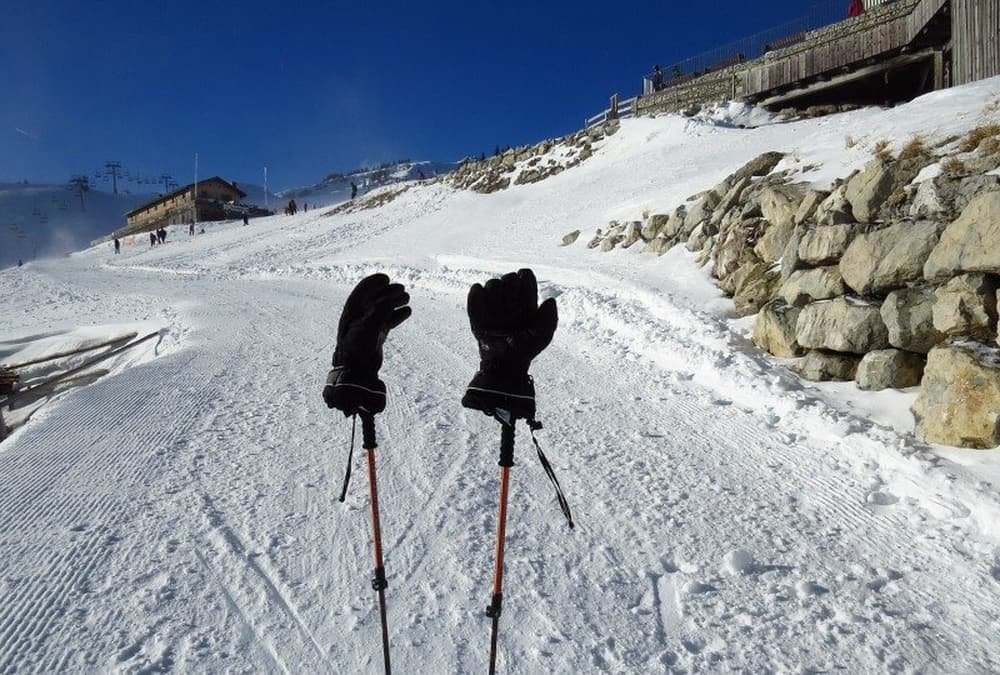
After you’ve completed your list, lay the items out on a flat surface, and empty out your backpack. As you pack, cross the items off your list. This ensures nothing important gets left behind.
Wearing your heaviest clothes while traveling keeps them out of your backpack. You can also carry your camera on a strap around your neck and pin it on your GoPro. Compression bags are a good way to squash bulky clothing into more manageable packages.
Pack the heaviest items into your backpack first and center them for better balance. Anything you might need frequently or in an emergency, such as an EpiPen, should be stored somewhere easily accessible, such as a side pocket.
While cruising the majority of passengers on Royal Caribbean will return home with great memories, hundreds return traumatized and with a need to file a lawsuit.

Even though you are unlikely to encounter a dangerous situation, there are many dangers that passengers can face on a cruise ship.
There are a number of reasons why people fall overboard. While sometimes it is intentional – some people go on cruises determined to commit suicide – there are many times when it is not intended. In February 2013, 8 crew members were taking part in a team emergency lifeboat drill on a British cruise ship in the Canary Islands when the lifeboat carrying them snapped off its cables and plunged into the ocean. It landed upside down and trapped them underneath the hull. As a result, 5 crew members died and 3 others were severely injured. Most of the passengers were participating in shore excursions and did not witness the event. But falling overboard doesn’t just happen in isolated incidents like this. A person can fall due to intoxication or losing their balance.
Unfortunately, Royal Caribbean is one of the most dangerous cruise lines for sexual assault and battery. Even more upsetting is that the majority of victims are under the age of 18. It is believed that the reason is that younger passengers are more likely to be trusting of crewmembers and not suspect that they could become victims when being approached by them. Ships have an entirely different architecture than buildings on the land, and they have a lot of darker spaces that are small. There is also a lot of contact between passengers, so young teens exploring their freedom on a ship can be on the same deck as intoxicated adults. In December 2015, a 15-year-old girl was gang-raped on the Oasis of the Seas by a group of heavily intoxicated men.
Ships are slippery. Many walkways are outside, so even a light rainfall can make it harder for passengers to walk safely on a deck. Passengers entering and exiting the pool can track water with them, making pool areas very dangerous. But another reason for slip and falls is negligence on the part of crew members who were tasked to keep the floor dry. There are many narrow walkways on cruise ships, and passengers are not always wearing the best footwear to keep them safe. After all, they are on vacation and aren’t likely to always be wearing sneakers or shoes with a heavy grip meant for ship work.
If you’ve ever been on a cruise ship, you have to acknowledge that it’s nearly impossible to feel the rocking of the waves. That’s due to the fact that modern ships have stabilizers beneath the waterline that automatically adjusts the ship to negate the effects of the sea. That does not, however, mean that a ship is invulnerable to the laws of physics. When a ship accelerates, decelerates, or turns, the items inside of it continue at the rate and course that they were previously traveling. That means that unsecured items can fall, sometimes causing injury. There have even been documented cases of pool water knocking over passengers.
When a personal injury occurs on a cruise ship it is handled much differently than a claim on land. On land, there are certain factors that you don’t have to take into account that you do when dealing with an injury on a cruise ship. There is also a question of jurisdiction – cruise ships may be operating outside of the countries where they are registered, and the people involved in the accident or crime may be citizens of two different countries. There are so many complexities and opportunities for something to go wrong if you do not hire an attorney who has the experience and successful background to represent you. When filing a Royal Caribbean lawsuit, you will want someone who can tell you exactly what your deadlines are, what needs to be done, and who can compassionately guide you to getting justice.
If you’ve been injured on a cruise ship, your first priority should be your health, but there are things that you can do to solidify your case.
For many of us, if there was ever a time when taking a refreshing vacation might feel like a welcome reprieve, it’s now. But in this New Normal, COVID-19 world, safety while traveling is paramount. If you’re planning a road trip, here are a few things you can do to make your journeys as safe and stress-free as possible.

Have a plan in place to make good hygiene as easy as possible. One way to do this is to put together a simple sanitation kit. Disposable gloves, hand cleanser, and Clorox wipes will help ensure those gas station visits and pit stops are as risk-free as possible. You might also want to carry sealable bags with you to help dispose of used cleaning items.
Another great option for an overnight stay is to check in advance about their social distancing protocols. You may receive useful guidance on how to check in and out safely and efficiently.
Finally, you’ll be simplifying your journey considerably if you plan stopping points in advance, and take snacks with you. This will minimize unplanned stops along the way, and help you make smart traveling choices.
This one requires only a few minutes but can save you hours of headaches on the road if you have car problems. Make sure your auto insurance is current. Moreover, if you haven’t done so in a while, now may be an excellent opportunity to make sure your policy is suitably comprehensive.
Of course, you’ll want to make sure you and your co-drivers have collision and comprehensive coverage. But broadening your policy to ensure you have proper liability coverage means you can relax about the financial impacts of an accident.
USAA offers competitive auto insurance policies that cover all these bases, and they provide a range of helpful insurance tools for customers, including a quick and easy online claims center along with premium support you can access online. You may also find you’re entitled to family discounts, membership discounts, and additional bonuses if you or a family member serve in the U.S. military.
Here’s one last often-overlooked tip. Make sure people know where you’re going. By telling loved ones where you’ll be traveling and when you gain the luxury of not worrying when you lose connectivity between cities. Keeping everyone on the same page is always a smart move.
In a similar vein, be sure to tell your bank as well! These days, bank fraud departments are often notified when charges happen in different cities. Unusual behavior can trigger a temporary lockdown on your cards.
Taking a few moments to inform your bank of your upcoming travel plans means you can avoid the hassles of reactivating your cards while you’re out and about.
Safety isn’t always the first thing we think about when planning a road trip! It’s much easier to dwell on all that relaxation lying just around the corner. But investing a bit of time upfront in ensuring your safety makes it that much easier to relax once you’ve packed your bags and you’re ready to set out on a fun new adventure. Quality auto insurance, a sound approach to health safety, and sharing information about your trip are all great places to start.
The first half of 2020 saw the Coronavirus pandemic sweeping the globe, with whole nations closing their borders, travel and tourism coming to a halt almost overnight, and people encouraged to stay at home for months on end. Popular holiday and backpacking destinations became ghost towns, with most travelers told to return to their home country before it was too late.
But as we try to navigate the future amidst the ongoing pandemic, countries have begun reopening their borders and people are traveling once again. That said, with the Coronavirus still rife in some places, this is a very different experience right now. For those with an incurable case of wanderlust, the need to get away is stronger than ever. That’s why My Baggage has put together this guide to look at what it’s like to go backpacking during the current pandemic and how to plan the safest trip.

Some countries have been more adversely affected than others when it comes to the virus. The United States, Brazil, Mexico, India, the UK, Italy, France, and Spain are amongst some of those who have seen the highest rates of infections and deaths. So in order to plan and enjoy your backpacking trip, it’s best to visit destinations that are safer, with lower numbers of Coronavirus cases. Some of the safest countries to travel to include:
• Cambodia
• Mongolia
• Laos
• Vietnam
• Tanzania
• Fiji
• New Zealand
By choosing countries that are safer, you’re less likely to catch the virus and the likelihood is that more will be open. For example, more hotels, restaurants, bars, and attractions.

The beauty of backpacking is that you can travel from country to country with nothing but the bag on your back. However, during the pandemic, it is important that you do your research before traveling to any new country. You need to make sure that you check the restrictions in place in each destination and find out if there are any mandatory isolation periods. The rules surrounding the virus differ in every country, so you need to make sure you’re clued up before you cross the border.
American citizens currently have very few options on where they are even permitted to enter. The CDC has a number of resources which you can find here.
This one might seem a little counterintuitive since backpacking opens you up to all sorts of exciting adventures and is meant to take you off the beaten track. But right now it’s important that you don’t wander too far. OK, you might be away from the crowds and therefore less likely to catch the virus but in many places resources and emergency services are stretched trying to stay on top of the pandemic. Because of this, the last thing you want is to find yourself in trouble, miles from civilization and stuck for help. So just be careful when you’re off exploring and always use your common sense.
From airports to restaurants, lots of places are running temperature checks and other tests to track and trace the virus. This also means they won’t accept anyone who is showing symptoms. As such, you must be prepared to be tested, particularly when flying and entering new countries. Often these tests aren’t invasive, but it’s important that you listen to the locals and do what is asked of you. Otherwise, they might just turn you around at the border.
Almost all countries have now introduced strict quarantine periods too! In countries like Australia, this isn’t even restricted to international arrivals. Make sure you factor this into your plans and expect to be isolated for 14 days.

Health insurance might be a little different amidst the pandemic so you need to make sure you’ve got the right cover. Prices will differ as they always do, but it pays to get decent insurance that is going to help and cover you if you do get the virus – or if anything else happens to you for that matter. If you’ve already got travel insurance for your backpacking trip, make sure it covers you for all the countries you’re visiting and that Coronavirus is taken into account. After all, you don’t want to find yourself facing hefty medical bills if you do get sick!
Some nations have banded together in what has become known as travel bubbles or air bridges. This means you can pass through more easily, often without having to do the mandatory quarantine period. For example, lots of European countries have created these air bridges, and Australia and New Zealand have formed a travel bubble, making it easier to fly between the two. This can make your trip that bit easier and means you can avoid more testing and quarantine periods.
When it comes to backpacking, you have to be very selective with what you take and there are always some essentials you need to make sure you’ve packed. But as the virus continues to spread, there are some other essentials you need to carry with you everywhere you go. Face masks are mandatory in some countries, especially if you’re flying. Wipes and sanitizers are also going to be so important when you’re traveling around – be sure to use these frequently and wash your hands whenever you get the chance. It’s best to keep these in a side pocket or small handbag so you have access to them at all times.

Finally, with many places still closed you need to make sure you’ve got somewhere to stay before arriving. Even if this just means ringing around to check which hotels, hostels etc. are still open. Lots of nations still remain on lockdown and many popular backpacking spots are yet to fully reopen, so it’s not going to be as simple as it used to be.
Gone are the days when you could just turn up and sleep for the night. In a bid to stop the virus many places are only accepting guests that have pre-booked and provided them with their details. So don’t just assume that you’ll be able to find somewhere to eat, sleep or shower without checking first. Things are slowly beginning to open, but things are still far from normal in most places.
For the beach, you’ll need a swimsuit, sun cream, and a towel, obviously. But what about after that? And how do you know which one to take?
In this post, we’ll take a look at how to pack lightly for your beach adventures. With our help, you’ll be able to decide what’s essential and what can be left at home. And hopefully, you can make the most of your trip! Let’s check out how to pack ultralight.
Imagine how annoying it would be trying to drag a suitcase across powdery white sand? Exactly. So, get yourself a backpack. Even if the beach is just one of many activities you’re planning on your trip, you should get a day pack. That way, you have a convenient way to carry your things.
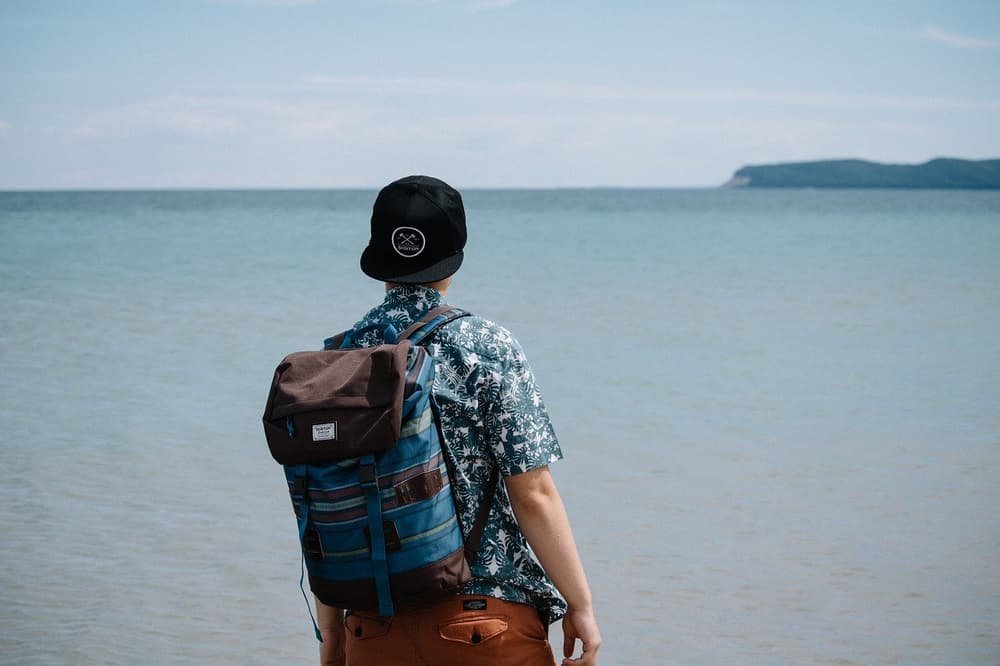
More adventurous beach-goers might want to swim to nearby islands or enjoy a water sport such as stand-up paddleboarding. If that’s the case, you’ll need something to carry your stuff if there are no beach lockers. After all, just leaving it on the sand means your valuables may be stolen, and no one wants that!
A dry bag can double up as a day pack, and it’ll store all of your stuff without it getting wet – as long as you close the bag correctly of course. As well as a dry bag, you should get yourself a small waterproof case to store your phone around your neck. How are you going to get pictures of your stunning surroundings otherwise?
We’ve already mentioned stand-up paddleboarding. For those who are traveling to have a go at this amazing sport, it can be tricky to transport the key equipment (the board). The things are huge! Happily, you don’t have to buy a bigger car or knock people out on the bus or train with your enormous hardboard.
Just get an inflatable one instead! Inflatable stand-up paddleboards are great for beginners and they’re super durable. Rather than having a heavy and difficult-to-carry item, this can fold up into a backpack and you can happily go about your business. Just don’t forget to pack the pump and remember to use a PFD!

If you’ve been swimming, surfing, stand-up paddleboarding, or snorkeling (or any other water sports), one thing is inevitable. You’re going to get wet. And you sure don’t want to be sitting there still damp on your journey back home – especially if it’s in the car or on public transport. As long as you pack a towel.
But which towel to pack? If you take a regular bath or beach towel, they can be large and take a lot of space up in your bag. Even worse, once they’re damp, they’ll get other stuff in your bag that way too. Better to use a microfiber towel – these amazing pieces of kit can fold up super small and they’re self-drying. You won’t even notice you have it… Until you need it that is!

No matter what you do at the beach, you’ll want to avoid sunstroke and stay hydrated. And you can be tricked by the occasional cooling dip into the water that you’re taking water in. But that’s not really the case. Make sure that you have plenty of water with you – ideally in a reusable bottle. Not only is it easier to keep your water ice-cold with these, but it’s better for the environment.

Okay, this might sound like something that your gran takes on her picnics, but maybe she’s got the right idea. Beach restaurants and cafes can be extortionately expensive, so to save yourself a wad of cash bring a picnic along. However, there’s a problem. If you’re going to a beach where the temperature is 30 degrees plus, your food is quickly going to end up sweaty and soggy. And you might just end up heading to those expensive cafes and restaurants anyway. Be sure to take a freezer back and it’ll keep your food chilled. Perfect!
So, whether you’re going paddle boarding, relaxing on a white-sand beach, or planning to enjoy the local nightlife, you hopefully have a better idea of how to pack for the beach. For more tips on smart budget, travel check out the Backpacker Travel 101 Guides. They’re an essential companion for an epic trip!
The digital age is an age of convenience and this is quite true of international money transfers as well. Gone are the days when you needed to physically visit a bank to make a transfer. These days you can do it online from right where you are, be it over the internet or using your smartphone.
There are several advantages that money transfer companies can offer over traditional banks. In this article, we’ll take a look at how travelers and digital nomads can benefit from using modern transfer companies:

Online international money transfer companies like Transferwise can leverage the live exchange rate when compared with banks that use traditional methods. They can use a variety of tools that can pre-decide the minimum and maximum exchange rate and allow one to go for a preferred rate rather than accept what is offered. You are thus insured against exchange rate fluctuation to quite an extent.
Unlike banks, online money transfer companies like WorldRemit don’t surprise their customers with hidden fees, the way that banks do. WorldRemit fees for making an international money transfer, for example, will be typically lower than a bank.
Money transfer companies typically provide a far wider choice of currency pairs than banks. That means you can easily transfer money in the currency of your choice to the destination of your choice. That frees up people to transfer money wherever they want without having to follow any convoluted exchange mechanism.
Unlike banks you can transfer money 24×7 by way of an online transfer, providing you with not only tremendous flexibility, but also leverage with regard to the exchange rates. That gives you a lot more control over your international money transfers than you would get with a bank.
Online international money transfers can be easily tracked. The status of your transaction is visible to you right through all the stages. The online international transfer facility is available round the clock enabling you to transfer when you want, yet know exactly what the status of your transaction is.
The customer service offered by international money transfer providers is way better than what banks have to offer. This is because they use modern technology to keep themselves up to date with what their customers want. These companies have committed teams to address all issues solely dedicated to transferring money online. They can be easily reached over the phone, live messenger or email.
This is an altogether different experience from what banks offer with their confusing and rule-bound approach to customer service. Given a choice, anybody would like to deal with people who are fair, transparent and approachable as most online international money transfer companies are.
With the world digitizing and the financial technology sector leading the charge, online money transfer has already become the norm, rather than the exception. The digitally connected world is a world of efficiency, speed, and lower costs. With technology advancing at an exponential rate the speed, convenience and safety of international money transfers will be improving while the cost of the transfers will continually fall.
The great thing about digital technology is that it is not impacted by the weather, epidemics, or any kind of exigency. Besides, it allows travelers and digital nomads to fulfill their transactional needs at any point, in any timezone. The ability to make money transfers via your smartphone is a wonderful example of what technology can achieve.
Travelers around the globe can take advantage of modern transfer services in various ways. Using online providers will drastically reduce the costs, and lower the transfer times and any receiver can obtain their money using a smartphone, reducing the need of finding a bank in an unknown location. Alternatively, digital nomads exploring the world but keeping their businesses running can fulfill their business needs at any time in any timezone. Many providers offer business transactions to facilitate any business needs.
There are several outstanding global online money transfer companies that one can choose from. These include brands like TransferWise, WorldRemit, TransferGo, Azimo, CurrencyFair, Money Gram, InstaReM, PayPal, Zoom, OFX and many many more. If you are someone who needs to frequently transfer money internationally, you are spoiled for choice, when it comes to some outstanding companies lining up to serve you. It makes eminent sense for you to make the most of it.
Do you want your kids to speak foreign languages, but it seems like your son and daughter have no interest in learning at all? Here is a tip for you. Don’t force your kids to study. This approach never works.
The best thing you can do is to take your family to a foreign country for a vacation. Traveling will help you to build intrinsic motivation in your children – your kids will start learning foreign languages on their own will without intervention from your side.
Let’s consider the major aspects of how traveling can improve the foreign language skills of your kids.
Kids, who have never been to foreign countries, have no clear understanding of why it’s important to study languages. Living in an English-speaking country, children tend to think that the language barrier is “not a real thing”.
They wrongly believe that since English is the most-studied language, they will be able to communicate with anyone anywhere in the world. Sadly, these beliefs prevent kids from improving their foreign language skills.
Do you want to encourage your kids to learn new languages? Show them that it’s really challenging to solve even a small problem abroad if you don’t speak a local language. Take a family trip to a country where most of the population has zero knowledge of English, and you will amaze your kids.
Imagine the situation. Your family is staying at a small hotel located far away from civilization, somewhere in Vietnam. You’ve lost a key and try to explain the situation to a Vietnamese man who knows just a few words in English. There is no Wifi working, so you can’t use an online translator.
How much time will it take you to fix the situation and get new keys? Maybe 20 minutes, or an hour. In any case, if this situation happens to you, your kids will see that the language barrier can turn a small problem into a big one. So they will want to improve their foreign language skills.
If your kids have high communication skills, the chances they will make new friends abroad. Trying to get acquainted with foreign children, your kids will learn a basic set of words and phrases in a foreign language. Your kids will memorize how to say “Hi”, “How are you?”, “What’s your name?” and many more phrases with ease.
And, most importantly, if your kids stay connected with their overseas friends, it will boost their motivation to learn a foreign language. Striving to enhance communication with non-English speaking pals, your children will memorize new words and grammar rules faster than ever before.
Besides, overseas friends will help your kids to learn popular slang words and improve pronunciation. If your kids chat with their friends on a regular basis, they will become fluent in a foreign language in a year or two.
What motivates kids and adults to learn foreign languages the most? The desire to immerse yourself in a new unknown culture.
While traveling, your kids will explore new countries, taste unusual food, get acquainted with local traditions, see stunning art masterpieces, and many more. Thanks to overseas trips, your children will understand that this world is big and beautiful and that they need to speak more than one language to experience different cultures.
Only when you are fluent in a foreign language, you can understand how it feels like to “be a local”. You can get the true meaning of local jokes and get intimately acquainted with the cultures, lifestyles, and living conditions of other people.
While traveling abroad, your kids will hear foreign speech everywhere: on the bus, on the beaches, in restaurants, parks, etc. They will hear how locals are talking to each other while waiting in line. They will listen to local songs while walking in a shopping mall. They will be exposed to the sounds of a foreign speech, and that’s a good thing.
Scientists say that passive exposure to foreign speech enhances the learning of foreign speech sounds. What does it mean? Basically, it means that after a 7-days trip, it will get easier for your children to distinguish one specific speech sound from another. Your children will be able to understand the speech of native speakers much better.
If your kids get addicted to traveling, they will get eager to learn foreign languages. Here is why.
If you take your kids for a trip on a regular basis, they will get used to it. And they will want to keep traveling to new places in the future with or without you.
Naturally, when your children get older, they will start dreaming about their first solo trips. And then they will see it clearly that foreign language skills are a must.
Usually, teens think like this: “I want to go to Italy without my parents next summer. But how will I talk to the customs officer? How will I shop at local markets if I don’t speak Italian? If I want to make my dream trip happen, I need to start learning Italian right now!”
Do you get the point? To motivate your kids to learn foreign languages, you need to travel more often and take every opportunity to engage with locals.
Are you ready for a big trip with your kids? Here are five tips for you:
Now you know how traveling can boost your kids’ foreign language skills. So why don’t you start planning your next family trip right now? Show your kids all the beauty and diversity of this big amazing world and inspire them to become polyglots!
