Some people use traveling as an excuse to just lay on the beach and not lift a finger. Others can’t wait to get active in another country. Whichever side of the fence you’re on, these tips will help you increase your activity levels when you travel. You may even get back home feeling healthier than when you left!

Water acts as an antioxidant and gives your body valuable nutrients and minerals. By ensuring you drink plenty of water each day, you refresh and energize your body, and ensure that you can go for longer. This is even more important if you are traveling to a country that is really hot and humid. One of the best things you can do is invest in a water filtering bottle like the LifeStraw Go, so you can drink water wherever you are.
It’s tempting to think of pampering yourself a little more when you are traveling, but this isn’t necessarily going to help you keep fit and healthy. Got a hotel room on the top floor? It can be tempting to take the elevator. However, taking the stairs as much as you can is one of the best things you can do to remain active and work off some of those calories.
Another of the wonderful ways of keeping fit during your travels is to look at taking up some extreme sports. There are plenty of opportunities for this in the world, and this can give you an exhilarating and active experience. Often, activities like white water rafting and bungee jumping will be covered as part of your insurance plan meaning you can just go ahead and do them! What could be more fun than jumping off a bridge, attached to a bungee cord? The adrenaline is sure to get your heart beating fast.

Sightseeing is one of the best things because it allows you to check out the tourist attractions in the area, and you can also be a little active at the same time. A good example of this would be looking at visiting an active volcano. Climbing an active volcano, such as Mount Etna or Kīlauea, is a breathtaking experience and a great way of staying active. It won’t even feel like exercise when you have those kinds of views.
A good way to keep your active focus is to ensure that you track your movement. Wearing something like a pedometer or Fitbit is one of the best ways of doing this. You can track your progress and see how well you are doing, and know when you need to step it up a bit. This will help put you in the zone and inspired to keep moving.
Try to avoid public transport as much as possible, and instead try to walk or run everywhere. Walking when you travel is a great way to burn a lot of calories, and an even better way to explore your chosen destination. Don’t fancy walking or running? Even dancing around your accommodation will get that blood pumping in the mornings.
As you can see, these are some of the best ways of staying active while you travel, and getting that health kick while you see the world. If there is anything we’ve forgotten to include, please let us know in the comments below.
Packing for a ski holiday can turn out to be a herculean task. You definitely don’t want to leave important items at home. A snow trip means that you’ll be out on the slopes for most of the day so you need to be comfortable and anything less will likely see you racing towards the cabin to save yourself from cold. If you fail to pack the necessary items, the only choice you will be left with is to buy an over-priced outfit from the mountain.
Regardless of whether you’re skiing in North America, Europe, Asia, or South America, you should be warm and comfortable in your gear.

Effective base layers are the best way to keep your core temperature and should be at the top of your clothing packing list. You ought to layer up with thermals., these base layers are usually warm, lightweight, and comfortable. It will serve as a shield against the piercing cold. They can be folded up and squeezed into the tightest corners of your bag. So don’t worry about space.

Make sure that you pack waterproof and warm gloves or mittens and an adaptable pair of glove liners. Gore-tex is one of the industry-standard materials you should keep an eye out for. Your hands and fingers won’t even have a hint that they’re being pelted with chilly air as you ski downhill.

Anti-fog goggles are really important as you will want the clearest visibility possible. Be sure to get a wrap-around design so you don’t have snow entering from the sides. It is also preferable to go for a polarized google lens as this will reduce the glare associated with all that white snow. If not, at least make sure they are UV-rated.

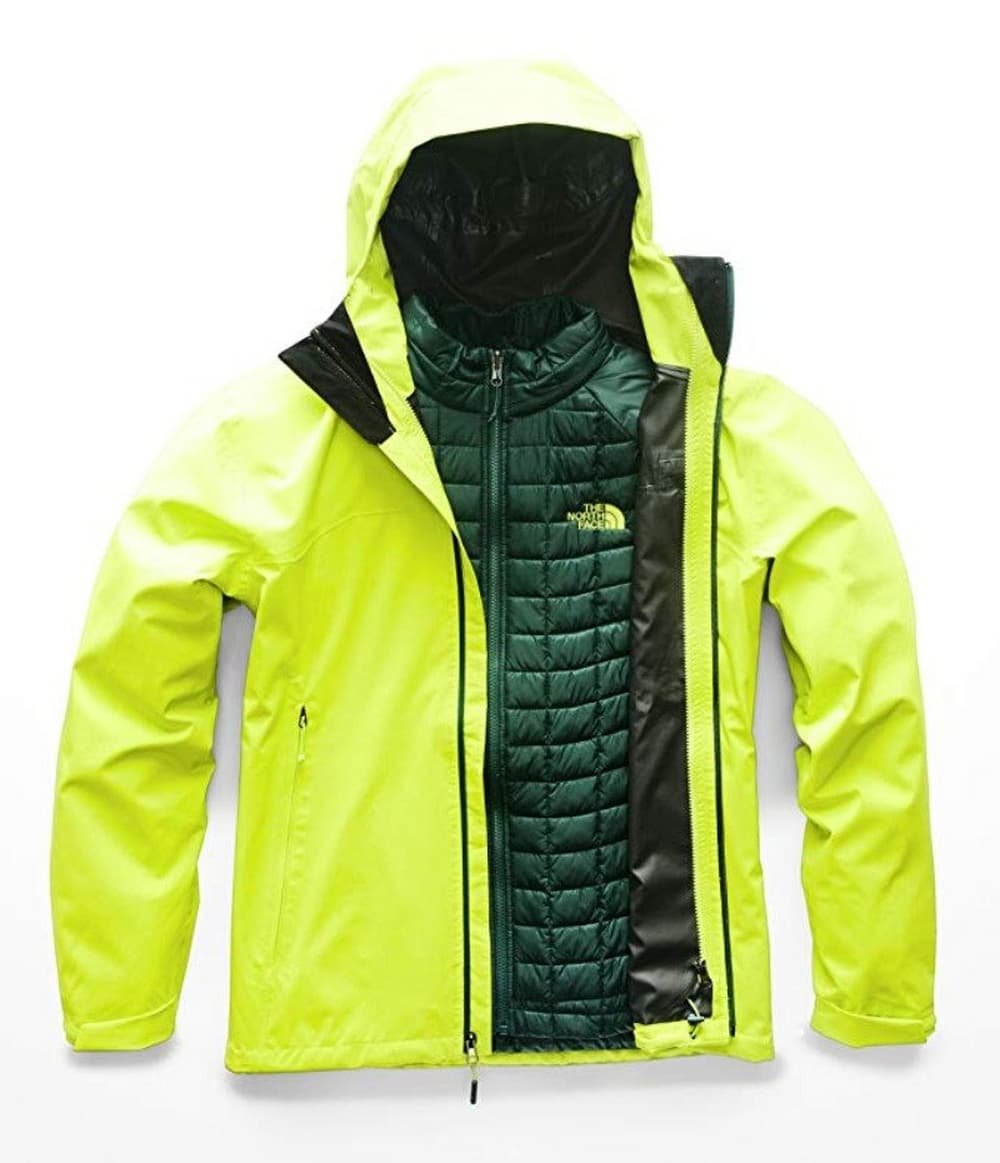
A good quality jacket (and pants) is not only enjoyable to wear but also an extremely essential piece of your attire for a snow adventure. For the ladies, considering a one-piece ski suit for women can offer great warmth and a stylish alternative to the jacket and pants. You will feel a whole lot better after multiple falls when you’re wearing the right outer layers. Breathability is important as is the fit but don’t forget to get some funky bright colors to make it easier for your friends to spot you on the slopes. You should plan on investing a decent portion of your budget on a good jacket and it should last you many seasons.
Uncomfortable feet means less time on the slopes and a major chunk of time in the hotel. Feet get cold easily, and sweaty feet get cold even quicker. Invest in some quality woolen socks as this will keep your feet warm while allowing them to breathe. Your feet will thank you after a long day in boots.

Did you know that you lose most of your body heat through your head? That’s why it’s so important to keep your head nice and warm when out in the snow. A good beanie should be worn snuggly over your ears. If it’s really cold, go for a full-face balaclava.

After spending a few days in the mountains and getting acclimated, it is possible that you will feel comfortable in pants and a shirt or a soft sweater. But remember that temperatures do change a great deal in mountain resorts, so make sure to have more layers accessible.
A great pair of winter boots are also a must that you can use for strolling around the resort. Beyond any doubt, you’ll have your ski or snowboard boots on more often, yet once you’re off the mountain, you need to have comfortable and warm footwear for your leisure time.
Here are some bonus valuable tips on how to get ready for a ski trip. These might just improve your vacation.
Skiing trips require a considerable amount of energy and will leave your muscles sore whether you’re an experienced skier or snowboarder, or a beginner (especially if you’re a beginner as you’ll be falling a LOT).
The better physical fitness you have, the more you’ll have the capacity to keep going up and down the mountain. Squats and other leg intensive exercises will help you prepare. It will also be important to have a good cardio base so you don’t end up too puffed after each run.
If you are taking your own skis or board on the trip, get it tuned up before your first run. This will give you a nice edge to work with and make those turns a whole lot easier. Wax up too as this will see you gliding past everyone on those pesky traverses or flat sections.
Nothing compares to a hike, especially in a mountainous region. There are adventures to be had along the way, and the promise of a gorgeous summit view as a reward. Food tastes better here, and it never feels like a workout at the gym. However, if you consider yourself a newbie and have no idea how your super outdoorsy friends became such experts, remember that when it comes to hiking the safety rules are pretty basic. Once you get those down, you can start expanding into more challenging areas (like snowshoeing in the mountains or overnight camping).
First, remember that how to get there matters. Choosing a vehicle like a Volkswagen Atlas SUV lets you carry all your gear while also allowing you to navigate tough terrain. Few of the best hikes have nicely paved trailheads. And if you do need to car camp? You definitely want a sizable and safe machine. Whether you rent, borrow, or buy, simply getting to the trailhead is the first task. Having chosen a vehicle, here are six ways to stay safe on the trail.
Disclaimer: This is a collaborative post with MJV Media

It sounds pretty basic and like common sense, but it’s astonishing how many people wander. There is a multitude of risks when you do this. Off-trail is where dangerous native animals, from snakes to cougars, call home. It’s easy to get lost. There might be poison oak. If you do get lost, rescue teams are going to be looking on trails well before off of them. Plus, it’s easier to spot people on trails from overhead (i.e. search helicopters) than in the wild. If you can’t tell where a trail ends, it’s best to turn back.
The more people you hike with, the safer it is. Many mountainous regions have no Wi-Fi. If you get hurt, you’re going to be in a sticky situation. Although it can feel great to hike alone, it simply isn’t a safe option. Stick to neighborhood solo walks. If you don’t have friends that hike, that’s okay. There are plenty of open hiking groups always looking for new members. This is also a fantastic way to learn more about hiking skills and expand your social circle.
This amount will depend on you, the length of the hike, and the heat. Higher heat means more water. If you want to minimize the amount of water you carry (it can be heavy!) hike in the early morning and finish before the temperatures peak. A CamelPak can help with carrying water and you’ll always have a straw nearby. You likely already have an idea of your own dehydration schedule but plan for at least eight ounces per hour for challenging hikes.
Mountainous areas get sudden snowfall and fierce weather earlier than valleys. For new hikers, choose the spring and autumn months or early in the morning in the summer. Avoid winter hikes until you get a little more experience. If you do hunger for a snowy hike, join a skilled group and crew that can help you on your first few treks. However, even if you do follow weather reports, there can be surprises. If it looks like the weather is taking a nasty turn for the worst, turn back. You can always try another day.
Even if it’s hot out, long pants might be your only defense from a dangerous bite or poison ivy. Baggy and lightweight pants can actually be more comfortable and keep you cooler than something like Capri yoga pants. Wear socks that can be pulled up high, too. Hiking boots are a must, though you might be able to get away with gym shoes for a short and easier hike.
A simple first-aid kit can be a literal lifesaver. It can also make hikes a lot more comfortable if something like a blister from your new hiking boot happens. But what exactly is meant by defense? The answer to this question depends on where you’ll be hiking. Carrying police-grade mace is always a good idea and can be used on many mammals (besides humans). Consider what kind of risks are in the region you’ll be hiking and plan accordingly. A knife is always a good idea, as well as a whistle.

Finally, make sure you pack protein-rich food and snacks. You need to keep your energy levels up as you hike, and especially so if you get lost. Dress in layers, and even if it’s supposed to be warm out tuck a long-sleeved jacket into your pack. Planning for worst-case scenarios in a reasonable fashion is always a safe bet.
Travel. It’s a good thing, right? It inspires us to learn about new cultures, meet new people and live lives of adventure. But there is a darker side. With the negative environmental impacts of air travel and the harmful effects of mass tourism, travel can begin to look less glamorous. Enter, sustainable travel…
Would you rather be sustainable or unsustainable when you travel? The answer is probably “yes”, right? It’s a bit like asking if you’d rather pass your driving test or fail it. But, you’re probably still left wondering “what is sustainable travel?”.
“How does it work?”
“What do I need to do?”
“Is it even possible?”
This post is going to teach you everything you need to know about sustainable travel and introduce some ways you can be more environmentally responsible on your next trip!
Sustainable travel is an environmentally conscious form of seeing and experiencing the world.
It’s all about considering the environment with the choices we make on the road and choosing to lessen our impact on the Earth wherever possible.
The whole point of sustainable travel is to allow you to enjoy your backpacking adventure while lessening the negative impacts you have on a given destination and the world, as a whole.
It just takes little changes here and there and, they may not seem like much on their own, but collectively they add up and make a significant difference (especially when you consider all of the other backpackers that read this too).

Although it may feel like a pain in the ass, at first, traveling sustainably will soon become a breeze to you, and – as that happens – you will begin to feel much better when you travel and you’ll be having a far more positive impact on the places you visit.
Do some research into which countries are the most environmentally sustainable to visit.
By visiting these countries and putting your money back into sustainable and ethical tourism practices, you are encouraging other nations to do the same. This will slowly begin to happen as sustainable travel becomes more popular in the backpacking community.
Check out Ethical Traveler’s Top 10 Ethical Destinations 2018
This isn’t the cheapest way to fly so I wouldn’t recommend it to budget backpackers but if you have the money to spare, booking non-stop flights will help reduce your carbon footprint while traveling.
Planes use up most of their fuel when taking off and landing so if you have a journey with multiple layovers, you’re going to be taking off and landing at least twice as much as flying direct.
Check out our guide – Everything You Need to Survive a Long Flight

Packing and traveling light is something we can all do and something that most of us can get better at.
More weight = more fuel = more harmful/less sustainable
Consider this when you’re loading up your backpack and try to be as brutally honest with yourself as possible. It may even help you to travel with a slightly smaller backpack.
I use the Osprey Farpoint 40 which is accepted as a carry-on, on almost all flights.
It’s quite a well-known fact that we should save paper whenever possible and recycle it after we do use it. Well, using e-tickets to get through security, etc. at airports completely takes paper tickets out of the equation.
After being questionable when they were first introduced, the technology behind e-tickets has greatly improved and now, they should be everyone’s go-to choice when traveling through airports.
If you’re going to be doing a lot of moving around within your travel destination, consider making use of public transport.
Instead of flying domestically – which is very environmentally destructive – why not make use of night buses or overnight trains?
Yes, you may spend a bit more time in transit but it will often be cheaper and you’ll get to see so much more of the country traveling this way. Not to mention, this is a much better example of sustainable travel!

If you’d rather avoid public transport, why not make a little road trip out of your travel adventure.
When traveling with a group of friends or family, this will be more sustainable (even if you hire a real gas chugger).
If you have space, you could consider also picking up hitchhikers. Sustainable travel at its finest. And, you’ll also get the chance to make a new travel friend.
For those ultra-sustainable backpackers, consider hiring a hybrid or electric car.
Check out our guide – Road Trips
Having access to safe drinking water is not only a backpacking essential, it is also a life essential.
And, in many popular backpacking countries, tap water isn’t safe to drink. So, it’s an excellent idea to buy a BPA-free, refillable water bottle to take with you on your travels. This will mean you can avoid spending money on plastic bottles every day and this is also far less wasteful and more sustainable.
If you are backpacking in a country without safe drinking water, what you can do is buy huge containers of water, store them at your accommodation and fill your bottle up each day before you head out.

Straws (plastic straws, anyway) are one of the most wasteful inventions.
The best thing to do is to just avoid them, outright.
If you do insist on using them, I would advise getting a metal straw. These are reusable and far more sustainable.
This may be slightly surprising but showers actually use up less water than baths do.
Since we’re backpackers, chances are we’ll never really have the opportunity for a bath anyway, but there are still ways to save even more water when showering:
If you have a chance, take a natural shower at a waterfall or a bath in a river like Rob Greenfield

Lots of accommodation that offers laundry services, will usually keep all guests’ laundry separate and wash everything independently (even if one person only has a few items).
You could just gross it out and skip on doing laundry while you’re away or if you – like me – want to have clean clothes, consider doing a joint set of laundry with whoever you’re traveling with.
Many places charge on a “per load” basis so you’ll be saving money as well as demonstrating what sustainable travel is all about.
Do you wash your towels every day back home?
Well, why should you do it while traveling?
Instead of getting your towels washed after every shower, just hang them up to dry. If you’re staying in accommodation that provides cleaning services, this is the universal sign that means “don’t take my towel”!
Whenever you leave your Airbnb, hotel – or whatever accommodation you’re staying in – remember to turn off all lights, TVs, and air conditioning.
When done every day, this can make a significant difference.
Leave the “do not disturb” sign up on your door whenever you go out (unless your room absolutely needs to be cleaned). This will lessen the amount of harmful chemicals that are used in common cleaning practices.
Also, who needs their sheets and towels washed every single day?
The two most sustainable ways to travel around your destination. While most backpackers cannot avoid flights completely, we can reduce the negative environmental impact we have by traveling like a local.
Get around by foot or hire a bicycle wherever possible and reduce your carbon footprint while working on your fitness. Not only are these methods more environmentally friendly, but they will almost always be cheaper too!
Check out our guide – How to Hitchhike Safely

You know the free toiletries you are provided in most hotels and some other accommodation?
Well, after you leave, the remains will likely be thrown out and never reused.
To stop this from happening, just take the leftovers with you. This will save you some money also!
Another great product to add to your toiletries kit is an eco-friendly hygiene product like LastObjects’ reusable swabs.
Any Western goods you find on the road will most likely have had to be imported at great cost and environmental expense.
Reduce your carbon footprint by sticking to local goods and vendors. This also helps the local people and the local economy.
Again, any of the famous chain restaurants you encounter will also have been imported.
Stick to the local supermarkets and restaurants.
A well-known backpacker secret is to go where the locals go. Not only will you usually find the cheapest local food in the area, but you’ll also find the most delicious places to grab a bite!
Check out our guide – Food & Drink Safety

If you’re planning on visiting the local supermarket during your stay, bring bags with you (or just stuff everything into your backpack).
People are trying to get plastic bags banned in many countries and we can help with this by refusing to use them at all.
Do not ride elephants (this is popular in countries like Thailand) or agree to see any shows featuring performing animals.
Those that do (often without even knowing it) are contributing to the illegal capture and brutal torture of these animals for the sake of profit.
Not to mention that riding elephants can actually cause lasting damage to the creature’s spine.

Now, this is something we’ve all heard of (and one that most of us probably do).
But what about on the road?
Well, the principle remains the same. Recycle whenever you can. Be sure to ask your accommodation about their recycling policies. Obviously, it’s preferable to stay at accommodation that is already environmentally aware and is taking steps towards sustainability.
If you feel like going the extra mile, why not pick up bits of trash that others have left behind?
If you bring an empty backpack with you, you could pick up a fair bit.

Never be afraid to ask questions when it comes to sustainable travel.
Ask restaurants
Ask your hostel or hotel
Ask fellow backpackers. Maybe they can give you some insight as to what you can be doing to travel more sustainably.
This issue isn’t going to be solved by staying silent.
And with that…
The more of us that are aware of these issues in the backpacking community and the more of us that become aware of sustainable travel, the more of a difference we can make.
So, this doesn’t just stop with you. Once you learn and begin to implement these more sustainable travel habits into your backpacking adventures, start to show others how they can do the same.
Even if it’s just one person!
If you liked this post and found it useful, please share it with your backpacking circle and on social media!
Traveling is fun and this is the reason why we all love vacations. However, the traveling thrill comes with its fair share of challenges. For most people, the question is how to maintain the balance between having fun and remaining healthy. It is very critical to ensure that you take good care of your body, soul, and mind at all times. We have compiled some tips that will help you stay healthy while you are on your travel adventures.
Whether you are at home or traveling, staying hydrated is one of the guaranteed ways of boosting your health. The need for hydration is even higher when traveling. This is because, while traveling, you may be exposed to high temperatures, low pressure, and low humidity environments, hence leading the body to lose more water. Always carry enough water when you are going on a long-distance road trip. However, the real answer to hydration is to always carry a reusable water bottle with some water purification pills. This way, you can get water at every stop and purify it on your own.
In some destinations, you can also find additional hydration options. For instance, in the US you can find specialized services to help travelers stay hydrated and healthy. If you're feeling particularly dehydrated, you might consider trying IV therapy in San Diego to quickly replenish fluids and essential nutrients, ensuring you can continue enjoying your travels without interruption.

There is probably nothing that synchronizes your body, soul, and mind better than Yoga. The art of yoga on your travel will help you embrace peace and spiritual healing. For this reason, always make sure you pack a yoga mat when traveling. During long-hour journeys, you may encounter swellings dues to blood circulation issues. Yoga and therapeutic hot water baths can help relieve these symptoms, and the experience is even more restorative when they’re part of a yoga wellness retreat surrounded by nature.
The secret to a healthy life is healthy eating. It is common for most people to use their travel time as the time to let go. You don’t want to waste your entire year of healthy eating on a one-month vacation. While indulging a little is okay, maintain some level of discipline. Take time to look for proper nutrition at all your destinations. Stick to healthy travel snacks other than falling for the sugary options. When you lodge somewhere, try to find healthy restaurants. You can even stay focused on your keto diet while traveling. All you need to do is find restaurants that serve meals that are in line with your healthy eating habits. For an easy, travel-friendly option, consider Carnivore Snax — a convenient way to stay on track with your nutrition goals wherever you go.
While there are some locations where you have no access to a gym facility, you will never miss a chance for hiking when traveling. No matter where you go, always make a point to have a morning run or an evening run to make sure that you keep your body fit. To ensure that you maintain your workout routine, find the closest hiking trails to your hotel and have some 2 to 3 hours of hill climbing or just walking on rough terrain. You will find that you lose more weight and stay fitter when you hike than spending too much time in a gym facility.
Natural mud baths have some therapeutic properties that can help you replenish your mind and soul. You may choose to indulge in a natural spa such as the dead sea saltwater bath or the Colombian mud volcano. Whichever the case, a careless mud bath will help you give your pores some boost, leaving you more fresh and healthy. This will also help rejuvenate your skin and give you a fresh glowing look.

The whole point of vacations and travel is to get away from the artificial world and get in touch with nature. Those who enjoy their travel time know that it is not okay to keep on following news or receiving work emails. If you want to have peace of mind, you need to give your phone a break. You can either get rid of all electronics for a few days or completely lock yourself from the digital world for the entire vacation. This will help you focus on yourself, diet, health and spiritual being.
There is no compromise about the fact that you need to sleep. Even though you love to party, having at least 8 hours of sleep every day will help you stay focused and enjoy your travel more. Depriving yourself of sleep will lead to fatigue and tiredness, which may lead to illnesses. Avoid staying on your phone until morning.
While you may spoil yourself with a drink from time to time, do it responsibly. Avoid intoxicating amounts of alcohol to a state that you forget yourself. This is not healthy for you and will not help you enjoy your travel. Never drink when getting on a plane or when driving.
It is not always easy to maintain a clean bill of health while traveling. However, by maintaining a little discipline, you will find it very possible and enjoyable. Stick true to your personality, avoid junk foods and get yourself at peace with the environment.
Without a doubt, moving is one of the most challenging things you will ever live through. It is a challenge moving from one home to another, or from one state to another. But, moving to a different country brings a whole new set of challenges.
We are going to give some step-by-step tips on moving. We will focus on the most challenging moves, (to another country) and you can reduce the steps as needed to meet your move.
For a seamless relocation experience, consider hiring Bailey's Moving and Storage, a trusted company known for its reliable moving and storage solutions.

It is best if you allow yourself plenty of time to prepare. You will be able to be more efficient, and there is less chance of things going wrong if you have time to work them out. The first thing you should do is contact a company with experience to help you with international moving. They can give you first-hand advice on what you will need and how long the shipping will take. You should also check with your state government officials regarding what they require for the move. Make sure you have your passport, immunization records, visas, and identification.
Of course, you will need:
This may sound strange, but you would be amazed at the people who chose a general destination and have little knowledge of the actual town or city they are moving to. Just because the place looks awesome on a postcard, or you had a layover there on doesn’t mean that the place is perfect for you! Search for charter flights that would ease up the burden of moving and enjoy your new destination! This will give you time to find a new doctor in the new area. The laws concerning medicine and the availability of particular drugs may be something you will have to deal with.

You live in the age of technology. Reach out and start building your network. Visit some of the businesses in the area. Look for groups on social media and start making friends and connections.
If you are moving to another country, you do not know what technology laws hold. There are often hackers who attack the devices travelers have. Be sure to change your passwords and do not overlap them. Be sure your spyware and virus protection is up to date. Put screen locks on all your devices. Treat your devices as you would a credit card. Be very careful where you use them and do not assume they are safe.
Keep a copy of everything in your wallet, front and back. If it is important enough to be in your wallet, copy it. Keep the list and a list of medications and emergency contacts in another bag. If your wallet is lost or stolen, this will help you contact the right companies to have your cards canceled and replaced.
Banking is pretty important. Check with your bank and find out if there are any branches or sister companies that are in the place you are moving to. Make sure your debit cards work internationally. Let your bank know of your plans. If your bank sees an unusual charge from a city across the globe, they may lock your card until they can contact you. Considering the time differences, this could be a problem if you are trying to pay for dinner or rent a hotel room.
Be sure you have some cash, and at least $200 in traveler’s checks that you can cash at a bank if there is a problem. Do not forget to educate yourself on the money exchange rate. What may be enough to rent a room here, may not be the case in another country.
It stands to reason that if you move something, it is going to cost something. Now, if that something is something that you do not want to part with, then wrap it up. But, if it is something that you really do not care about or if it is something that will costs less to replace than to move, donate it, have a yard sale, or give it away.

Every person with a sense of adventure would love the opportunity to travel the world, spending their time exploring new cultures and countries instead of pushing papers at the office or working long hours for “the man”. However, the stability and steady income a job offer usually make it impossible to consider indulging in that wanderlust. With the rise of many former desk jobs being outsourced to online freelancers, it can now be possible to maintain that cash flow while traveling, allowing you to leave the world of suits and ties in favor of something a little more comfortable in any location you desire. The age of the digital nomad is now, and the following job options could provide some financial relief while on your journey.

Many young start-up companies choose to hire a virtual assistant rather than have one in-office. As a virtual assistant, your tasks could vary greatly depending on the niche your employer works in. From data entry to appointment setting to writing and editing newsletters and website content, this is perfect for a jack-of-all-trades with experience in an office setting. Many listings in this area offer training to teach their new hire how to perform the exact functions they require. This job’s hours can range from full time to only several hours a week, so make sure to find a listing that matches your level of availability.
"Travel Tip: If you're planning to work remotely while traveling through Europe, having steady internet access is essential. An eSIM for Spain can be a convenient option, especially if your travels include time in Spain, where it helps avoid the hassle of swapping physical SIM cards—perfect for digital nomads, whether you're working from a café in Madrid or a co-working space in Berlin."
There are many freelancing sites online, allowing clients to post job listings and interested job seekers to apply for whatever listing catches their fancy. Freelance writing is a field that is in high demand, with a plethora of different writing subjects to choose from. Easily doable from any location, all you need is a reliable wifi connection. If you have a knack for good grammar and creative ideas, this is an opportunity that provides an income based on your quality of work and experience.
In case you take something for creativity, another benefit is that freelance is one of the careers that don’t drug test, according to medsignals.com.

If you have ESL certification or a degree, this may be a great option for earning some cash while traveling. Many countries hire online English tutors to teach students in their schools. There are also platforms that you can apply to as well. One of these is Preply. They don’t require a TESL certification, besides, teaching online doesn’t demand a large time commitment and usually pays well. Plus, it’s a fun, interactive job that doesn’t cause a lot of stress or preparation. Learning plans are often provided by the company that employs you. That leaves you the task of helping to shape the education of students far and wide.

If words are your forte, why not write a book while adventure-seeking? As your creativity ebbs and flows, you can enjoy the available activities around the area you currently reside in and write whenever the feeling moves you. With the wide availability of e-books, finding a publisher or self-publishing is an easy task compared to years past. Perhaps your free, wandering lifestyle will lend creativity to your writing style and prose and you’ll end up with a bestseller on your hands.

Another option that allows you to work for yourself is becoming a YouTuber. Figure out what message you want to share with the world and create funny, witty, or informative videos to reach your potential audience. This is a great avenue for promoting your new digital nomad lifestyle or for sharing tips and tricks you’ve learned on your journey. You could end up becoming “YouTube famous.”
There are many simple data entry jobs available online and they usually require little to no previous experience. It’s a relatively simple job to execute and usually has detailed instructions provided. Employers can offer one-time assignments or long-term contracts, letting you decide how and when you want to work.
As a social media presence is becoming more and more important for businesses to connect with their audience and reach potential customers, it has become common to assign the task of managing all social media channels to a freelancer experienced with the programs and apps. Usually requiring very little time commitment, such as several posts a week across all channels, this is an easy way to make a few extra bucks.

What better way to make money than to share your adventures from around the globe by writing your own blog? Use personal experiences along with photographs or videos to create an interesting, detailed blog that people will have avidly read and follow. Find sponsors that sell products or services related to your niche and provide affiliate links to gain a little extra income when your visitors click their links. One could also start their own passion blog, an example of this is how https://coffee-channel.com has created an informative and interesting blog to engage readers. It may take some time to set up and design, but the memories you make while traveling can be easily revisited time and time again whenever you feel the need for a little nostalgia.
Depending on your past experience or creative hobbies, web design may be an advantageous and potential money-maker for you. Many jobs are available online for a quality web designer with extra work or recommendations and referrals possible after a job well done. High-quality jobs usually pay very well and can be completed in a timely manner if you have prior experience and knowledge of the field.

If you are bilingual or multilingual this is a perfect job that will allow you the freedom to explore your surroundings while still paying a decent wage. Translators are high in demand for many languages in many different professional areas. One-time projects usually require no more than a week’s commitment while finding a perfect match in expectations and style could lead to a long-term contract.
The best thing about it is you don’t need much in the way of experience to be on the path as a translator. All you need is a laptop and fluency in another language and you’re good to go. If you want to learn how you can get started, check out this article on how to get translation jobs with no experience.

There are many other job options available to those savvy enough to find them. Many freelance sites offer thousands of new listings daily of employers looking for new, qualified workers to fill their needs. Jobs that can be completed with a computer and internet connection allow you to travel to your heart’s content while still providing you a stable cash flow.
Taking a month-long family vacation to the beach or a weekend camping trip with friends? Regardless of where you are headed, the ride there can feel very long if you do not bring the right things with you. Here is a list of things that are essential for the perfect road trip.
Clearly, good music has to be the first on the list because if you don’t have good tunes, you are in for a long ride. Hopefully, everyone in the car jams to the same music or at least can bear to listen to the same melody. Whatever music listening program you are attached to (Spotify, Apple Music, iTunes, Pandora, etc.) make sure to create the ideal playlist before you leave. If you are using Spotify you can even make a collaborative playlist that everyone can add to (depending on your company, you might not want to do this. Sorry, Mom). Or if you want to go really old school, burn a bunch of CDs with your favorite hits and then decorate them with sharpies before you leave. That way, you can find the perfect soundtrack for the mood of the car. Want to listen to old throwbacks the entire way? You’ve got a CD for it. Or maybe jam to the newest Taylor Swift soundtrack? Check the CDs.

No one wants to make a bunch of stops along the way, so make sure you pack a ton of snacks so you don’t need to (as much). If you are headed on a long road trip, caffeine and sugar are crucial to keeping your driver awake. Now keep in mind, that with loads of caffeine and sugar comes loads of bathroom breaks. If you think you can do without coffee by the hour and bags of sour patch kids, then make sure you bring lots of water. Cold water can keep you awake just as well as coffee can, even though we’d like to think otherwise. Bring fun snacks to keep your belly and mind happy while you are stuck in a cramped car for hours on end. I suggest lots of salt and vinegar potato chips and a ton of Reese cups.
If you are hitting the road with your best friends and want to remember the car ride there, bring a camera. Make funny videos along the way (that aren’t distracting to the driver) and make a huge montage of them after the trip is over. You will always be able to go back and remember how much fun you all had just driving in the car. Also, take pictures and videos of all the sites you pass when you are driving. Whether it’s a scenic mountain range or miles of city limits, it will be beautiful.

If you are not driving or are switching off driving, bring a good book for when you are sitting in the back watching cars pass. After a while, listening to music constantly can give you a headache and you need some peace and quiet. Bring a new book or one you’ve been working on but haven’t quite found the time to finish and enjoy the silence as you read. The peacefulness of the drive will give you the perfect reading setting for whatever good book you brought. My suggestion is On The Road by Jack Kerouac, it’s too fitting, right?

Above all else, the most essential things you need on a road trip are a big, soft pillow and a warm, fuzzy blanket. If you are uncomfortable during your drive, no snack or perfect soundtrack is going to make you happy; except for your favorite set of pillows and blanket. Sitting in the car for 5 hours or more can be dreadful, but a good nap to break up the hours can make it so, so much better. Make sure to pack your favorite pillow and blanket for when you eventually doze off in the car during your perfect road trip.
Now that you’ve got your essential road trip packing list, you’re all ready to set sail. Happy traveling!
In the 21st Century, tourism is one of the fastest-growing industries and helps boost many flagging economies around the world.
With the rapid growth of reliable communication options and improved transport infrastructure, more and more people from around the world are making the decision to travel to faraway places and distant countries that used to be a dream, once upon a time.
As with anything, tourism is not always positive and can have certain negative impacts on the world, including environmental deterioration, social exploitation, abuse of cultural heritage, human rights violations and/or economic dependence.
In order to get ahead of challenges being brought to the forefront by tourism, a new term, “Responsible Tourism” has been coined, with the hopes of minimizing the negative impacts of the industry.
Making responsible choices for your vacation can actually contribute to making this world better. All should be made better aware of responsible travel so that travelers can become more conscious about ‘how’ they travel, rather than just concerning themselves with ‘where’ they travel.
With that in mind, here are four ways you can become a more responsible traveler.
Possibly the most important thing that needs to be taken care of when traveling is the environment. One of the biggest negative impacts that tourism has on the world is environmental damage, the result of increased pollution, clearing of land and damage to local resources. We all are already suffering from the adverse effects of global warming – the polar ice-caps are melting, animals are losing their lives, glacial rivers are overflowing and causing floods and coral reefs are dying out, among other negative impacts.
While on a vacation, people usually tend to cause quite a bit of environmental damage, either knowingly or unknowingly. The most common practice is littering plastic and other waste here and there. Also, adventure sports like snorkeling and scuba diving are becoming so popular that marine life is increasingly being threatened.
When we travel to a different country, we should remember not to make a mess of the place. Being environmentally aware will help us save this world for future generations.
Responsible tourism is a means to achieve sustainable environmental development while promoting the economy of a country.

A new word that has recently been added to the dictionary – ‘voluntourism’ – essentially means combining volunteer work with tourism. There can be no better way to meaningfully engage with host communities, serve local people and help them improve life than by volunteering. By volunteering, you can help educate kids or help improve the local health care system.
Several local, as well as international organizations, offer volunteering opportunities to travelers who wish to create positive change while exploring a country. Imagine how satisfying it would be to volunteer and teach the street children while in India or to be a part of a wildlife conservation project while exploring South Africa. Each country has a specific need and travelers can contribute in their own way.
Before getting involved with any sort of volunteer work, however, it is essential that you do your research properly. Being associated with a reputable organization will not only ensure the fact that your contribution paves the path for sustainable growth of host communities, but it will also provide you with a deeper insight and perspective of life. A volunteering experience can change the way you look at your life and motivate others to walk on your path, but make sure you are volunteering responsibly.

Tourism can only support a country’s financial growth when travelers make a conscious choice to contribute to the local economy. Take a deeper look at your sustainable choices, however, and you will often find out that many of these businesses are owned by larger corporations that are multinationals.
When you travel to the beaches of Thailand, wouldn’t you rather try the local food from small shacks rather than going for KFC or McDonald’s, which you can find on almost every corner of your own city!
This is just one example. While traveling to a foreign country, it is necessary to eat and shop from local outlets, take the assistance of a local tour guide and avail the mode of transport that is run and used by natives. By doing this, you can effectively add to the country’s economy.

Who doesn’t love animals? But if we love them so much, then why can’t we feel their pain while riding on them?
In Thailand, for example, elephants are extremely popular and people love to go for elephant rides. Did you know, though, that often one of the reasons why these animals are so tame is that they are beaten and abused until their spirit is literally crushed?
To be a responsible traveler, you should stop encouraging animal abuse and inspire others to stop it as well. Keep in mind that going for animal rides does nothing but cause pain to innocent animals for the sake of your enjoyment.
Rather than going for a ride, why not visit a National Park or a rescue center where animals have more freedom to live, where their well-being is taken care of and they are not subject to any sort of violence. There are several conservation projects that will give you the opportunity to get closer to these animals, spend time with them and get to know more about their lives and daily habits. If you are in Thailand, you can visit the elephant villages where you aren’t able to ride on them or see them painting a picture, but you can see them happily playing in the water and roaming around carelessly. Maybe even volunteer with animals.

When traveling, try to enrich not only your experiences but also help inspire others. Making this world a better place, saving the environment and helping the underprivileged isn’t only the responsibility of governments. We, as responsible individuals, should take up the cause in whichever way possible and contribute as much as we can.
Remember that the actions taken today will affect the lives of tomorrow!
You might find yourself reaching for your phone in moments of stress, but before you open Facebook or Twitter, consider that studies show that the use of social media can increase stress in the long run. Instead of seeking comfort on the internet, try spending more time outside. Sometimes a quick walk is all you need to reset your mind, but spending a longer length of time outdoors can have positive effects on your health.
If you want to go on more intense escapades, like rock climbing or camping, to help improve your mood, don’t be put off by lack of experience — even first-time adventurers can participate in more extreme outdoor activities.
Beginners and dabblers in all things wild alike can feed their wandering hearts no matter their expertise. Traveling is great for personal improvement, and trying out new outdoor activities or sports is a great way to create effective exercise routines and habits and can have positive impacts on your overall health, but can be intimidating to start. If you’re not sure where to begin, read the following guidelines to help you on the journey of becoming an adventurer.
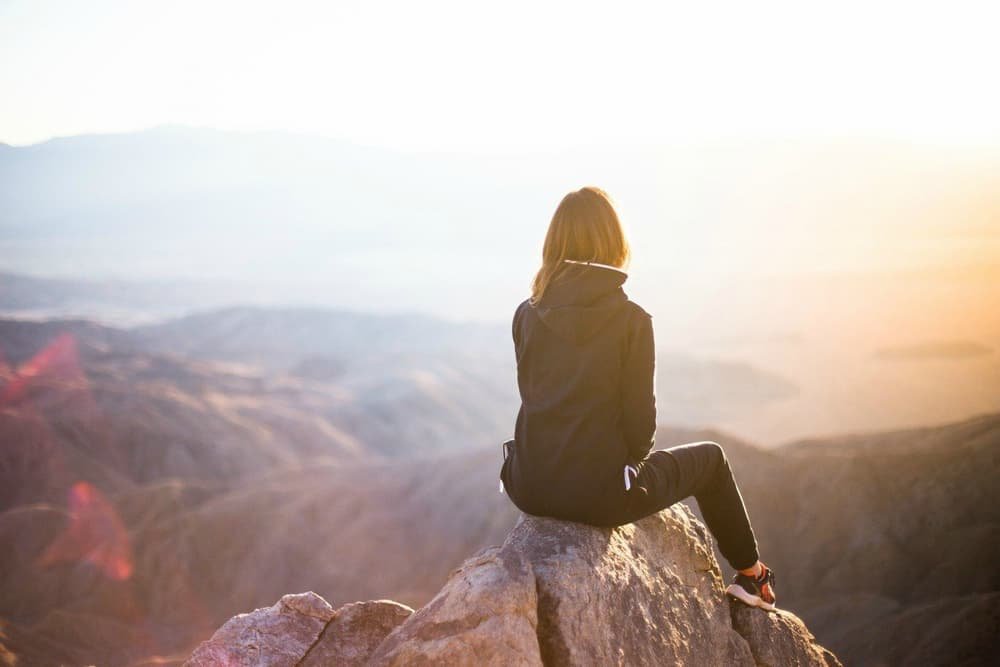
Safety should be the first priority when engaging in any adventurous endeavor, especially for beginners. Properly researching safety online and asking for advice from others who have experience can make the difference between a fun experience and a tragic one. Even if you are trying a relatively low-key activity like paddleboarding, it is important to know the dangers and learn safety precautions. According to Scott Jorss, a standup paddleboard instructor, “it’s important to remember that you’re in charge of your own safety when you’re out on the water, whether it’s knowing how to get back on your board if you fall off or understanding what moving water is safest.”
Keeping an open mind and fueling the desire to spend time outdoors encourages an exciting and healthy life, and trying new things requires the ability to overcome your fears. However, it is important to balance those desires with understanding your personal limits. Once you have figured them out, communication with those around you is important.
For example, if you go skiing or snowboarding with friends who are more experienced than you, make sure to vocalize any concerns you have along with your excitement. Though you might feel the pressure to keep up with your friends, remind yourself that their skill level and experience is higher than yours, and in this case, it would be okay to go down an easier hill or take a break while others brave a run that requires more developed finesse.
Personal finance experts at Fiscal Tiger have found that millennials spend their money on memories more than on collecting consumer goods. However, you don’t want to make your credit card suffer when trying new things. Though starting a new hobby usually requires putting money into it, there are ways you can keep costs manageable.
First, think about ways you can save money. If you really want to dedicate yourself to spending time outdoors, save money in other areas of your life, such as food. Also, consider the essentials and nonessentials; season passes or monthly memberships to specialized gyms can be worth it if you are going to go enough times every month to make it worth it. Buying the basic equipment makes sense if you plan on going regularly enough that you save up money, but not if you will try it only once or even occasionally.
Next, consider where you make your purchases. Buying used items from secondhand equipment stores, people in your community and rental stores selling their gear are great ways to get equipment for less. Keep quality in mind, only purchase reliable gear, and remember that some equipment, like rock climbing ropes, should only be purchased in new condition.
Also, consider your resources. If you know someone who is into the activity you are looking to try, ask them for help. They might know a good place to buy what you’re looking for, or they might even be willing to lend or give you a good deal on extra equipment they have.
Another possibility is that if someone you know has a membership to a rock climbing wall or another specialized gym, they may have guest passes you can use for free. If your activity requires driving out somewhere, you can carpool and save on gas.
Okay, well maybe think a little (remember the safety section), but go for what you want to do and try new things. The world is out there waiting for you; don’t keep it waiting too long thinking about the obstacles in your way. Do what you can to prepare, like working on your strength and getting the necessary equipment, but don’t be afraid to go for it.
Not every adventure has to be crazy, and not everything you try needs to become a hobby. Look for daring things to do that are nearby, tag along with your daredevil peers, and take advantage of every opportunity you can. Even doing something as easy as going off-roading for a few hours can be the opportunity you are looking for to get some stress relief outside.
As long you get a memorable experience out of it, you can’t fail. The point is that you’re getting outside, exploring the world and yourself, and making memories. The best way to get started is to just do it.
