It is a well-known fact that you should never mess with the folks at airport security. Since 9/11 you can’t get away with the slightest joke, just take a look around any airline check-in and you are sure to find a stern sounding sign advising not to poke fun about carrying weapons or drugs and the like.
There have been many cases where some idiot made a stupid joke only to be pulled to the side for a thorough bag and body search or worse yet denied boarding. Well, yesterday the stakes were raised when a passenger onboard a flight sneezed, then said “Sorry, I just came from Africa.”
With the recent death of a man in Texas that had contracted the Ebola virus in Africa tension levels are at an extreme in the US and any threat, no matter how stupid, is being taken seriously. So, while it came as no surprise when the US Airways flight was stopped on the runway what happened next was like something out of the movies.
Ambulances rushed toward the plane on the tarmac and men wearing blue Haz-mat suits boarded the flight. Thankfully the flight attendant did a great job in diffusing the situation onboard by making an announcement to the passengers and playing down the ridiculousness that was about to happen, humiliating the passenger who had caused it in the process.
Check out the video below to see how it all went down. Skip to 0:30 for the flight attendant announcement and the guy gets escorted off at about 7:20.
You can only imagine the hell this guy is going to face after being removed from the flight. Not only by officials but more so from any of the millions of people who have now watched his idiotic behavior on YouTube.
Sorta can’t help but think of this memorable scene in the animated movie Monsters Inc.
Have you ever seen someone ejected over a stupid comment?
** Update** WOW Airlines ceased operations in 2019
With the cost of flights being such a large percentage of most people’s travel budget, we are constantly on the lookout for deals to save a few dollars. Well, as of this week, a relative newcomer to the world of low-cost airlines has been creating a buzz by announcing flights as low as $99 between the United States and Europe!

WOW Air is a small, low-cost carrier based in Iceland that is solely owned and founded by entrepreneur Skúli Mogensen (Richard Branson, eat your heart out). In October 2012 WOW Air took over the flight operations of local carrier Iceland Express and now flies to Iceland from a number of European cities.
This week, the airline’s U.S. site went live offering passengers the chance to fly across the Atlantic for under $100 (one way, including taxes). That’s less than what most of us are paying on other airlines for just the taxes.
Update: Unfortunately it seems that while the $99 deals have all been snapped up, you can still bag a bargain with current prices on the site ranging from around $146 flying from either Boston or Washington D.C. to Reykjavik.
While not quite in the realm of Ryanair’s fee structure, don’t expect any extras included in your fare. Along with checked luggage, WOW passengers will also be charged for carry-on bags if they are over 5kgs (11lbs). As with all other low-cost carriers, services like food, beverages and extra legroom are all add-ons.
If you’ve made your way around the world with a backpack you’ll know how important it is to find the right gear to keep you comfortable. Brand names and looks mean nothing if the footwear is not the best possible fit for your feet. You can find orthotic insoles with Docpods.
A great backpack is a given. A comfortable pair of shoes is essential, but what about your socks? Is one of your most important pieces of equipment being misunderstood and underappreciated? Does the humble sock really deserve to be relegated to the bottom of your packing list?
Keeping your feet beautiful and happy should be your top priority if you plan on walking any serious distances while traveling. I’ve learned a lot about my feet over the years running ultra marathons, traveling, and working in the military. I once had a blister the size of my heel, and at times haven’t been able to walk because of the poor condition of my feet. By the time you’re having issues with your feet, it’s going to be too late. Your best line of defense is preparation.
My personal experience has led me to a number of conclusions about what is best for your feet. Here is a list of my top tips for keeping your feet looking beautiful and feeling happy while backpacking the world:
Start out light; train up in a steady manner until you are comfortable carrying all of your kit. Go out in all conditions so you know your personal limits; again, work up to the harshest environments and conditions, don’t start there and expect to enjoy yourself! Apply common sense and ask for advice. Hikers and backpackers are a community who loves to share and help each other.
Do not compromise on quality and comfort; the insole must fit and not allow your foot to move, blisters commonly occur in the heel region as a result. Research and test footwear before purchasing. Brand names and looks mean nothing if the footwear is not the best possible fit for your feet.
I have never found a shoe or boot that keeps all water out. I prefer to wear shoes and boots that have a high standard of drainage in-built. Better let it out as quickly as possible rather than trap it inside next to your foot.

Socks that are specifically designed to fit your feet are the most appropriate. Find socks that compliment your feet and the footwear that you have purchased; there is no point in spending good money on great footwear to compromise them with poor quality, ill-fitting socks. Cotton is not appropriate for anyone considering a long backpacking adventure. I use a Merino Wool, Coolmax, and Bamboo blend.
Have multiple pairs and change them regularly, particularly if they get wet or you are in a hot environment. Keep your socks clean, dry, and free of dirt.
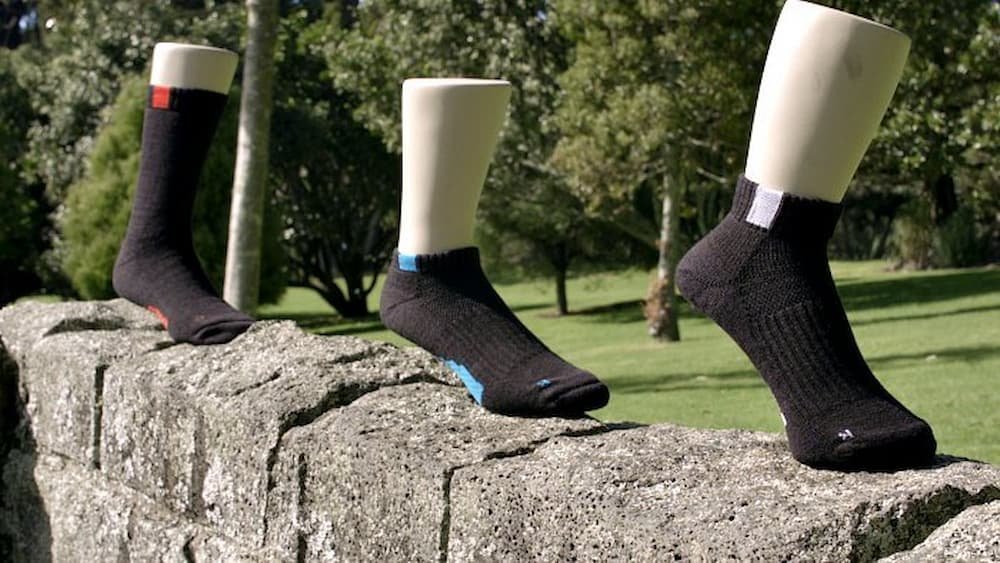
If you wear boots, break them in before you leave on your journey. There is no better way to ensure blisters than to walk for hours in shoes you have just bought. Wear your shoes indoors over a few days (without walking too much) and let the heat of your feet shape and soften the shoe material. Not only will they fit better but your feet will thank you for it in the long run.
Make sure your toenails are trimmed and filed. Keep your feet clean and dry, take your shoes off and air them regularly. Avoid letting calluses form. You can develop blisters under a callus, which become very hard to treat. Reduce (but don’t eliminate) calluses.

Know how to apply preventative tape to your feet and toes. Tape hotspots and know how to deal with blisters if they occur. If you do tape your toes and feet remember to roll your socks on and off to avoid rolling the edges of the tape.
Learn how to prevent and treat blisters, there are numerous articles and no end of good advice on this subject. If you are doing the hard yards find out and use blister patches, taping techniques, and a favorite of mine Hikers Wool or Sports Wool which you use to wrap your toes.
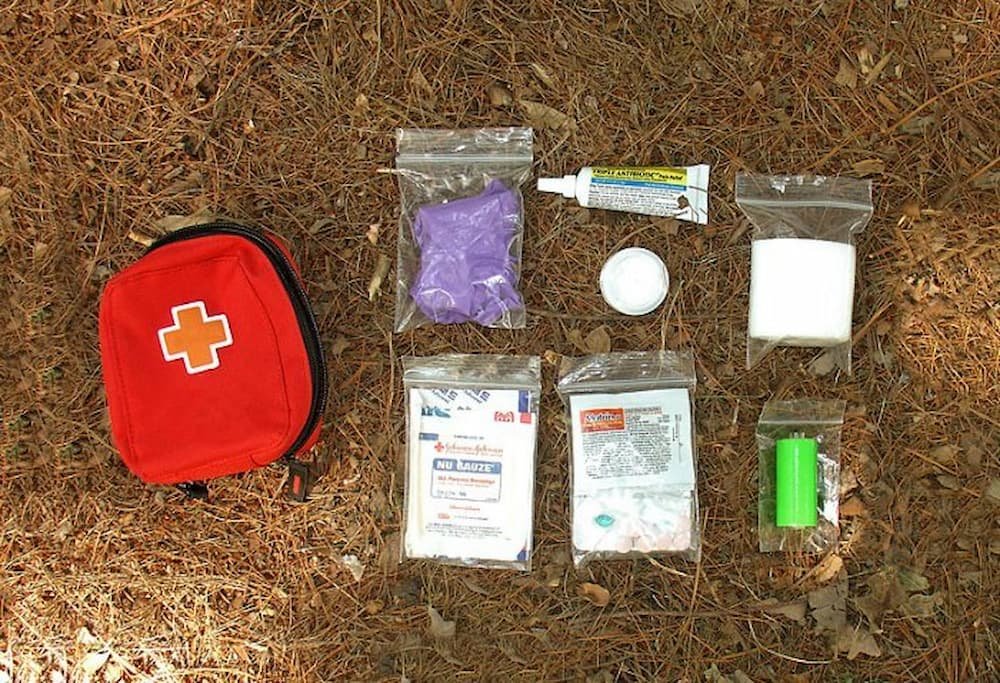
Carry a first aid kit that has appropriate foot care included. When I travel I always bring a nail file, clippers, and strapping tape just in case I can feel my feet begin to rub.
Remember to treat your feet with the respect they deserve. You won’t realize how important they are until it’s too late!
Travel is an eye-opening experience, often providing a window into some of the challenges that are faced around the world. Most westerners can tell you about the first time they visited a developing country – the different sights, sounds, smells and tastes are often a shock to the senses creating a vivid memory that will stay with them forever.
Unfortunately for some, these memories can be overshadowed by circumstances they might be unaccustomed to on a day-to-day basis – Corruption. While no country is exempt from the hands of corruption, there are places in this world where corruption has become so normal that it is just a part of daily life.
Rigged elections, bribery, money laundering, poor health care and limited funds for education are just part of the problem. When combined this leads to widespread misuse of public funding and a general mistrust in the public sector. Corruption halts economic development and undermines the justice system.

Transparency International has just released their Corruption Perceptions Index for 2014 which rates 175 countries (based on how corrupt their public sector is) out of a possible score of 100.
Corruption is a widespread issue in all countries. “A poor score is likely a sign of widespread bribery, lack of punishment for corruption, and public institutions that don’t respond to citizens’ needs” states the website.
The disturbing news is that not one single country received a perfect score and even worse, more than two-thirds received a score below 50.
It probably doesn’t come as much of a surprise to read that Somalia and North Korea share the title of ‘Most Corrupt Country’ for the third year in a row with a score of only 8 points.
1. North Korea/Somalia (tied score)
3. Sudan
4. Afghanistan
5. South Sudan
6. Iraq
7. Turkmenistan
8. Uzbekistan/Libya (tied score)
10. Eritrea
1. Denmark
2. New Zealand
3. Finland
4. Sweden
5. Norway/Switzerland (tied score)
7. Singapore
8. Netherlands
9. Luxembourg
10. Canada

Traveling to faraway destinations can be a daunting experience for any traveler – and this unnerving feeling is magnified in the case of a first-time traveler going on an adventure solo.
But before you reassess your travel plans, it’s important to remember that these feelings are totally normal. Why? It’s because people tend to be creatures of habit and traveling is one of the best examples of an activity that forces you to be out of your comfort zone. There are going to be times that you get lost and overwhelmed with culture shock, days when you feel homesick or lonely, and moments when you wonder… Why the heck did I decide to do this?
While some people may find it easy to strike up a conversation with a complete stranger, it’s not always easy to do, especially in a foreign setting. The good news is that you’re not the first – and certainly not the last – person who will feel this way. Everywhere you go you’re going to meet people traveling alone, and funnily enough, they’re just like you. They’re also looking for new friends, new experiences, and new adventures. That’s why travelers generally get along so well – because they understand each other. We’re all away from home. We all miss our friends and family. We all have no one to hang out with. But now we do.
Here are a few quick tips on how to get a conversation started while traveling:
Whether it’s the long plane from Australia to South East Asia, a jolty bus ride through South America, or stuck waiting in transit in Europe, there’s an opportunity to look around and chat to fellow travelers. All you need to do is strike up a conversation and see where it goes. An initial question about the bus timetable, recommendations on what to do in a particular city or jokes about travel delays are a quick way to break the ice and get to know other people better.

Hostels are perfect for travelers on a budget – they are inexpensive and located in most cities around the world. They are also the best type of accommodation to meet and talk to other travelers, particularly as some dorm rooms can accommodate up to 20 beds. It’d be harder not to chat with someone in this environment. While some people may see the lack of privacy as a downside, if you do your research you can find hostels that have smaller rooms – some hostels even have rooms with only two beds.
If you’re intimidated to say hi to your fellow hostel compadres, just ask them a few basic questions about whether the hostel does laundry, what the Wi-Fi password is, where a good shop is to get some food to make breakfast, etc. From there, it’s a natural progression to ask about the person – their name, where they’re from, where they’ve traveled and where they’re going next. Hostels also have a lot of great places to chill out – you could easily take the conversation further in one of the common rooms or at a nearby bar or pub that evening.

Another great way to start chatting with someone is by asking about a particular item – or showing one off. When meeting like-minded travelers, one of the top questions is about one’s home country – where you’re from, whether that person has been there or plans to go there, what interesting sights and activities can be done in your hometown.
Flag patches, or country badges as some people call them, are a simple, cheap, and effective way to indicate to others where you’re from or even all the countries that you have been to. Backpackflags offer flags that are the same size (6.5 x 4cm) and are made of polyester. They can be safely washed in a washing machine and sewn onto your backpack, bag, jacket, or clothing (check out the instructions here).

An extra bonus is that it makes your items easy to identify (especially after that 24-hour bus ride where you barely had any sleep and also were nursing a hangover), and also is a great memento of all the countries you’ve traveled to.
If you’re still biting your nails at the thought of taking the plunge to talk to someone, just consider – what do you have to lose? A simple smile and hello can go a long way. While not everyone you speak to will become your friend, striking up a conversation is definitely a much better alternative to being solo for your entire amazing travel adventure.
Now it’s your turn. What methods do you use to initiate conversations and make new friends on the road?
Disclaimer: This article was kindly sponsored by Backpackflags.com, a product we now happily use. All views presented above are from our Backpacker Travel contributor.
There are countless sensations and noises involved in the operation of an aircraft before, during, and after a flight. Modern airplanes are highly complex machines with an array of moving parts that make noise and have attendant sensations.
The noises and sensations experienced in flight will be expounded upon a logical order from the start to the finish, with the endgame of helping a new or nervous flier get a greater understanding of the processes of flight and what to expect.
At the gate, the airplane may shake, whirr, and whine. The shaking and banging sounds often come from cargo being loaded in the cargo bin located below the cabin and in the aft (rear) fuselage (towards the tail).
Located in the tail of most aircraft is a small jet engine called an APU (auxiliary power unit). The APU provides electrical power and air conditioning on the ground. Being a jet engine, the APU makes a characteristic jet engine noise that one may hear from the cabin.
Before taxi begins, the APU air conditioning air is diverted and employed to spin the engines during engine start. When this happens, the air coming out of the vents may momentarily cease, but should return after the engines start.
Here is a video of the Boeing 747 APU start-up
On the taxi to the departure runway, the APU is able to provide the source of air for the air conditioning or the air can be transferred to the engines. When this happens, there is a momentary change in the intensity of air coming out of the air vents in the cabin (called gaspers). The momentary result is less air coming out of the gaspers and less air noise, followed by greater air quantity and noise.
When the airplane is minutes from takeoff, the flaps and slats will be extended. These devices are located on the front and back of the wings and help in lift production for takeoff. Different airplanes will have different noises associated with their use.
Here is a video of a stationary Boeing 737 extending its flaps
There are four key sources of noise and sensations from takeoff. These include the engines, flaps, landing gear, and aerodynamic noise. The engines create strong accelerations, similar to pushing the pedal to the floor in an automobile. This is completely necessary, as the engines need to propel a lumbering aircraft that may weigh over a million pounds to speeds of approximately 170 miles/hour (274 Km/hour) in a short distance. The noises that are heard from the engines are the result of the shearing of air masses. Simply, the high-speed air coming out of the engines is smashing into stationary air outside and it causes noise.
The landing gear has similar noise emanating from them as the flaps since they are both hydraulic powered. Sometimes, the landing gear will have a loud thud associated with extension or retraction. There is one key difference between the flaps and the landing gear; after takeoff, the wheels of the airplane will be stopped as they are retracted. As a result, there could be some strange groaning noises from the brakes as the wheels are stopped before they retract into the wheel wells.
Here is a video of a Boeing 777 landing gear extension test
This is what takeoff looks and sounds like from the cockpit
The only real change in sensation from the climb is from the transition through 10,000 feet. At this level, the airplane will normally speed up significantly. This increase will increase the aerodynamic noises in the cabin. In addition, it is possible that the airplane engine noise will increase as the pilots increase thrust for the climb. The signature sign that passengers can use to know when the 10,000-foot transition occurs is the chime. The chime is used to signal to the Flight Attendants that the airplane is above 10,000 feet, which is the minimum altitude where they can begin servicing the passengers in the cabin.
Click here to hear some variations of the chime.
Aerodynamic noise is simply the noise from air molecules striking the airplane body (also called a fuselage). The faster the airplane goes, the more aerodynamic noise will be heard in the cabin. The airplane will accelerate to a maximum of 250 Knots (which is equal to 287 miles/hour or 463 Km/hour) after takeoff. Below 10,000 feet, the Federal Aviation Administration requires speeds of 250 Knots or less.
Leveling off is when the airplane stops climbing and maintains a steady altitude. During takeoff, and also landing, the plane will often perform maneuvers known as “step climbs” and “step descents”. This process is given by air traffic control to avoid other aircraft in the area and can be seen in the following diagram.

During level-off and when the aircraft reaches cruising altitude, the engine noise is significantly reduced. This can be alarming because it can get so quiet that it sounds as if the engines ceased operation. Don’t stress, this is most likely just a reduction in thrust due to a combination of thinner air (providing less resistance) and less power needed to maintain the cruising altitude.
Aircraft have such a high level of excess thrust that if the engines were left at their climb setting, the airplane would accelerate to well beyond the speed of sound. Flying beyond the speed of sound is decidedly not a good thing on contemporary passenger-carrying aircraft. Additionally, if the airplane is accelerated further the aerodynamic noises will increase.
Descent is much of the reverse process of the climb. Engine noise reduces, so that the airplane will not accelerate as it “slides” downhill toward the destination airport. When the airplane approaches 10,000 feet, the airplane also has to decelerate to meet the 250-knot requirement discussed earlier.
Since modern jet aircraft are built for minimum drag and are not amenable to slowing down, devices called “flight spoilers” may be employed to help it slow. These devices (sometimes referred to as “the boards” by pilots) are symmetrically situated on the tops of both wings and help spoil the lift and increase drag, thus slowing the airplane down. The most important aspect to remember about the flight spoilers is that they will induce an audible rumble and vibration in the cabin. Flight spoilers and ground spoilers will also be used on landing to help slow the airplane but do not have much of a sensation associated with their deployment.
Flight spoiler deployment on an Airbus A320
As with takeoff, the airplane will need the flaps for better wing lifting ability at low airspeeds. Jet aircraft wings are designed for high-speed flight. Flaps are needed to keep the speed at which the airplane can land at to a minimum. Without flaps, landing speeds would need to be increased significantly and the resulting needed runway length could double or triple! This reduces safety margins and would require more robust and heavy tires and brakes, decreasing the amount of revenue-paying passengers the airplane could carry and increasing airplane costs.
Flaps and landing gear will be extended for landing approximately 2-5 minutes from landing with the same noises and sensations described above. When the landing gear is extended, there are about 1-2 minutes before touchdown. The way the landing gear sensations differ from flap actuation is that occupants will note the change in sensation coming from the underbelly of the airplane.
Once the wheels have touched down on the runway the pilot will reverse the engine thrust to help slow the aircraft quickly on the runway. During this process, the engines will sound like they are speeding up and you will feel yourself being forced forward in your seat due to the rapid deceleration.

The best bastion in the fight against passenger anxiety is getting a better understanding of the process of flight. As hopefully demonstrated, a high degree of technical knowledge is unnecessary to understand noises and sensations of flight but knowing what to expect during flight will go a long way to pacifying your anxiety.
If one fact was gleaned from the preceding reading, it should be this: during takeoff and landing, the airplane’s systems will be operated to a greater degree and, as such, there will be an increase in noises and bodily sensations during these periods.
Possibly the best gauge if you are feeling uneasy is to take a look at the Flight Attendants. If a look of fear exists in their collective eyes, it may be good reason to begin to hold some apprehensions. It is much more likely that the Flight Attendants will appear as calm as a vacationer relaxing on the beach in the Seychelles.
Happy Travels
There are often times in life when a situation arises and we are lost for words. Sure, the situation can be described with a sentence or two but who hasn’t thought to themselves “Wouldn’t it be great if there was a word for that…”
Well, it just so turns out that in many foreign languages there IS!
Here are thirty foreign words with no direct English equivalent.
(Danish)
Denmark’s mantra, hygge is the pleasant, genial, and intimate feeling associated with sitting around a fire in the winter with close friends.
(French)
Coffee shop dwellers who sit at tables a long time but spend little money.
(Brazilian Portuguese)
Tenderly running your fingers through your lover’s hair.
(Thai)
That feeling you get when you don’t want someone to do something for you because it would be a pain for them.
(German)
Literally, an expense knight. You’ve probably dined with a spesenritter before, the type of person who shows off by paying the bill on the company’s expense account.
(German)
Excess weight gained from emotional overeating. Literally, grief bacon.
(German)
Happiness at the misfortune of others.
(Inuit)
The feeling of anticipation when you’re waiting for someone to show up at your house and you keep going outside to see if they’re there yet.
(Indonesian)
You know that old trick where you tap someone lightly on the opposite shoulder from behind to fool them? The Indonesians have a word for it.
(Japanese)
The act of gazing vacantly into the distance without thinking.
(Japanese)
The experience of seeing a woman who appears pretty from behind but not from the front.
(Scots)
The nearly onomatopoeic word for that panicky hesitation just before you have to introduce someone whose name you can’t quite remember.
(Swedish)
Maybe Goldilocks was Swedish? This slippery little word is hard to define, but means something like, “Not too much, and not too little, but juuuuust right.”
(Arabic)
This word is the hopeful declaration that you will die before someone you love deeply, because you cannot stand to live without them. Literally, may you bury me.
(Bantu)
An amazing, pleasant dream. Not just a “good” dream; the opposite of a nightmare.
(Danish)
You know that woman who stands on her doorstep (or in line at the supermarket, or at the park, or in a restaurant) cursing at her children? The Danes know her, too.
(Japanese)
The sense upon first meeting a person that the two of you are going to fall into love.
(Buli, Ghana)
Your friend bites into a piece of piping hot pizza then opens his mouth and sort of tilts his head around while making an “aaaarrrahh” noise. The Ghanaians have a word for that. More specifically, it means “to move hot food around in your mouth.”
(Welsh)
A smile that is insincere or mocking. Literally, a blue smile.
(Samoan)
To make a squeaking sound by sucking air past the lips in order to gain the attention of a dog or child.
(Persian)
The chattering of teeth from the cold or from rage.
(Italian)
Addicted to the UV glow of tanning salons? This word describes you.
(Czech)
A word tailor-made for annoying older brothers—it means to jump out and say boo.
(Hawaiian)
It means to scratch your head in order to help you remember something you’ve forgotten.
(Ulwa)
The phantom sensation of something crawling on your skin.
(Georgian)
You know when you’re really full, but your meal is just so delicious, you can’t stop eating it? This word means, “I accidentally ate the whole thing.”
(Georgian)
It means “the day after tomorrow.”
(Italian)
The result of attempting to revive an unworkable relationship. Literally, reheated cabbage.
(German)
The packesel is the person who’s stuck carrying everyone else’s bags on a trip. Literally, a burro.
(Tsonga, South Africa)
To sleep on the floor without a mat, while drunk and naked.
A few days ago the winners of the New7Wonders of Nature were announced and I’m sure more than a few people were surprised by the results. Considering some of the ‘big names’ that made the final 28 it was very interesting to see how influential the public vote was in determining the winners.
It is pretty clear to me that there has been some serious campaigning done by the tourism boards of some of the lesser-known wonders in order to gain a place on the list, unfortunately at the expense of what I will call ‘quality control’.
Here is the sequence of events that led to a decision being made:
So to give you a little background here is the list of 28 finalists and we will discuss the winners shortly.
Bolivia, Brazil, Colombia, Ecuador, French Guiana, Guyana, Peru, Suriname, Venezuela

Venezuela

Canada

Germany

United Arab Emirates

Ireland

Israel, Jordan, Palestine

Puerto Rico
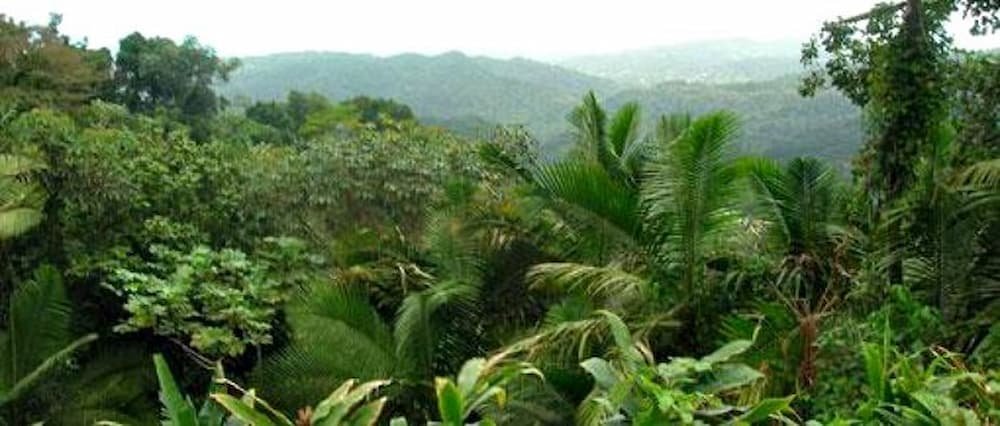
Ecuador

United States

Australia

Vietnam

Argentina, Brazil

Lebanon

South Korea

Tanzania

Indonesia

Maldives

Poland
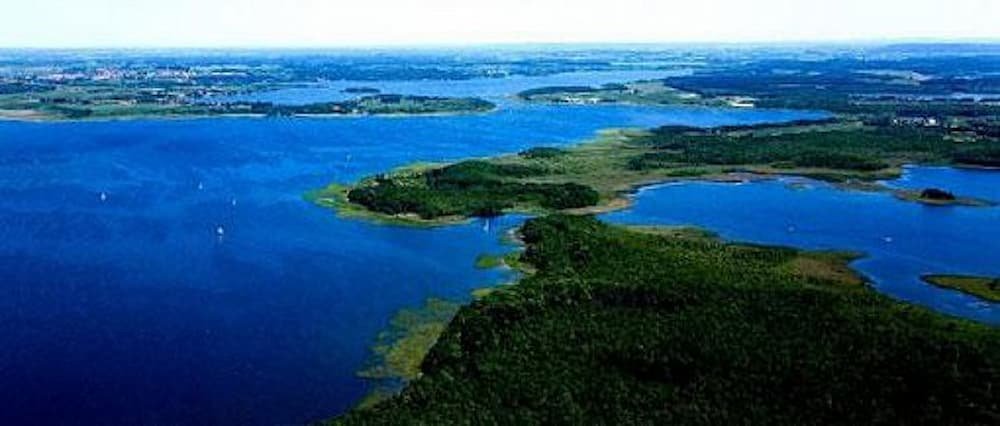
Italy, Switzerland

New Zealand

Azerbaijan

Philippines

Bangladesh, India
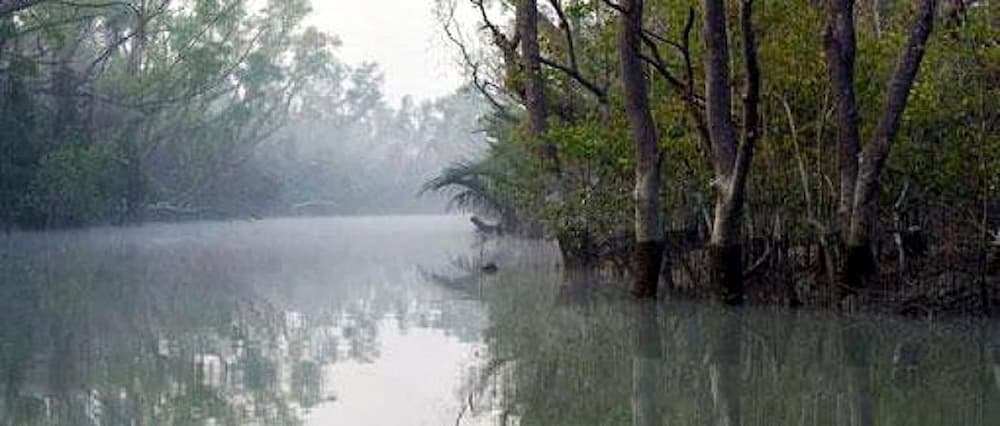
South Africa

Australia

Italy

Chinese Taipei

Ok so from this esteemed list of natural wonders the following seven received the most votes by you and were announced the New7Wonders of Nature.
1. Amazon
2. Halong Bay
3. Iguazu Falls
4. Jeju Island
5. Komodo Island
6. Puerto Princessa Underground River
7. Table Mountain
Is it just me or does this list seem a little stacked? Firstly more than 50% (4 out of 7) of the winners are from the same continent – Asia. Secondly, there are only 3 continents represented – Asia, South America, and Africa. Finally, the vast majority of the winners are from developing countries.
Why is this important to the voting? Well, in my opinion, there are 2 major factors – 1. Government backing and funding 2. National pride
I am not here to say that these wonders shouldn’t be on the list but they definitely wouldn’t be on my own personal list which would look something like this: Amazon (South America), Great Barrier Reef (Australia), Maasai Mara National Reserve (Africa), Grand Canyon (USA), Dead Sea (Israel), Antarctica, Mount Everest (Nepal)
Now it’s time to have your say. Tell us what wonders would be on YOUR list?
Image credits: New7Wonders
Have you ever just wanted to quit your job and travel the world? Well on the 28th of March 2009, that is exactly what my wife and I did. Now I have to say this was not a spur-of-the-moment decision. The story unfolds nearly 18 months earlier one Sunday night while watching one of Michael Palin’s travel documentaries.
My wife and I love adventure travel and watching programs on exotic destinations. Having been inspired and facing another boring week at work we both started to talk about our own travel dreams.
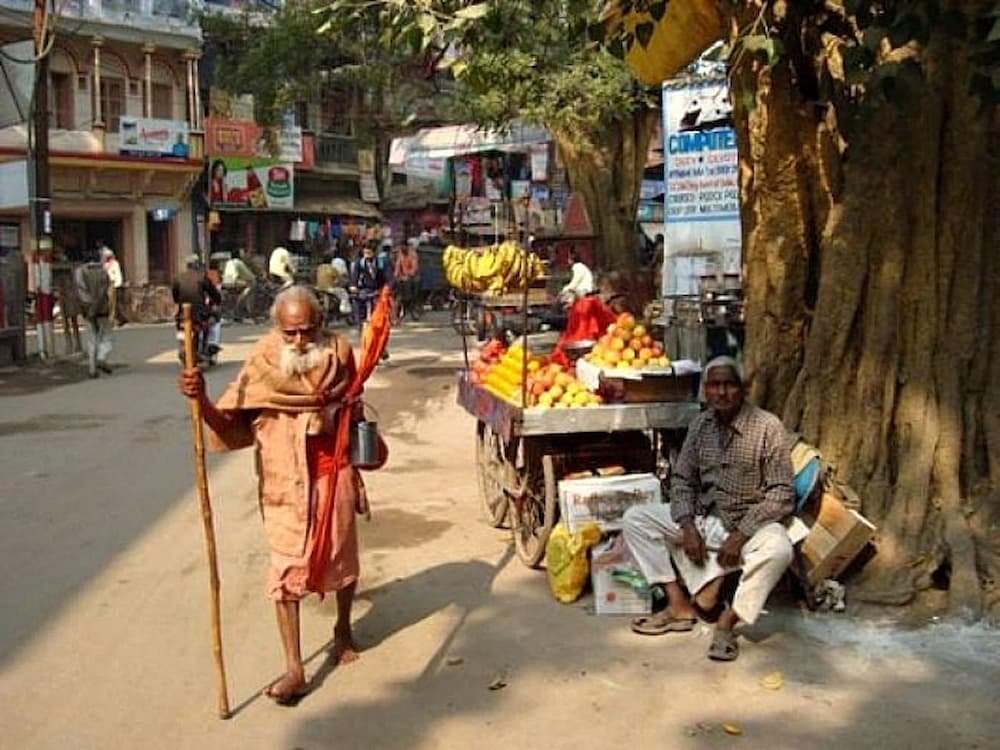
It seemed we both had very similar ideas about what travel meant to us. Jet aircraft have revolutionized the way we travel today and made the planet a much smaller place. They have opened up the world to the masses and conveniently allowed us to reach far-off lands all within the space of our precious annual leave.
You can travel from Singapore to London in 12 hours, but what about if there were no planes? What if we went back in time and traveled the world overland like explorers of the past. The proposition made us both very excited.
All of a sudden the world seemed a much larger place. The map we held in front of us so small, started to take on much larger proportions. Different colored shapes represented ancient and foreign cultures, and while our fingers glided effortlessly from one to the next, would it be that simple in real life? What stories would unfold?

We started saving at a prodigious rate and gave ourselves 16 months to come up with what we expected were the necessary funds for such an undertaking. The concept of leaving our careers behind was frightening but we both believed that fear traps us all and stops us from reaching out.
A person can only grow if they embrace uncertainty and swim in the river of new encounters. We both felt so empowered, and so alive knowing we were going to turn our dreams into a reality.

Time became both an enemy and friend for the next year. We were both so impatient to begin this next chapter in our lives and each month dragged like a plow through thick mud. It did afford us the opportunity however to consider our route from Singapore to London. There were, after all, many logistics to take into account. One important factor was going to be the weather.
For many months in developing parts of the world, land-based transport does not operate or is simply not possible. If we were to be successful a loosely structured plan was going to be necessary. We are both very keen trekkers and wanted to maximize our time in various parts of the Himalayas.
With this in mind, our plan took shape like so. Travel through South East Asia during April and May before crossing into China and onto Tibet for the summer in May and June. This was critical, as crossing Tibet all the way to Kashgar is only possible during the summer months.
The Trans-Himalaya Highway is in fact, a 3000km ribbon of dirt that never drops below 4500m and crosses dozens of passes over 5000m. It travels through the middle of nowhere and past where the hell am I?

From the Silk Road capital of Kashgar, we would turn south along the Karakoram Highway (or KKH) over the world’s highest international border crossing the Kunjerab pass into Pakistan. The KKH is an engineering marvel carved through impossibly deep canyons. The geography is not of this planet. The pass is only open from May to September before early winter snows cut off China for 8 months. From Pakistan, our plan was to cross into northern India and travel through Kashmir, a part of the world that is renowned for its beauty and sadly for its danger. From there we would continue onto Nepal in time for the autumn trekking season of October and November. Nepal is a country we have visited before and we were looking forward to having unlimited time in this beautiful Eden.
After Nepal, we would turn west again and head back across India into Pakistan and through to southern Iran. Quetta in Pakistan is only a short distance from the Afghan border and is regarded as a dangerous “wild west” frontier town. The road traveling to the Iranian border is bandit territory and many buses have been robbed with some western tourists occasionally kidnapped. It was going to be a 600km “running of the gauntlet” through an empty mountain desert. There was no other option, getting through here and Iran was our corridor to the west. This was the key to our success if we wanted to make it all the way to London without flying. Upon reaching Turkey we knew the rest would be relatively easy so we tried not to think too much about plans beyond this point.

Finally the big day arrived our bags were packed with what we hoped would sustain us for a year; it did not seem much. Driving to the airport our hearts were beating hard, my mouth felt a little dry, but the smiles on our faces stretched from ear to ear. We passed through check-in, customs and into the bar for a quick drink to steady our nerves and celebrate. It all seemed very surreal, were we really leaving for 18 months? The lounge seemed to go quiet; in my mind, I could hear sitars, calls to prayer, and camels growling. Iconic monuments like the Taj Mahal, Pyramids, and Angkor Wat filled my mind's eye. I could smell incense, cardamom, saffron, and noisy bazaars. Ahead lay great rivers like the Mekong, Ganges, and The Nile; a million stories unfolding every day. Towering mountains like Everest, and K2. Fabled cities from Saigon to Cairo, Kathmandu to Rome.
Who would we meet, would we make it or would we be defeated, we just did not know? For us it was the ultimate way to travel, for nothing is more damaging to the spirit of adventure than a certain outcome. What followed far exceeded any expectations we ever imagined possible.
Below we have a taster for you from our trip.
For most of us travel is a great way to see the world, grow as a person, and experience new customs, people, food, and drink.
Travel is also good because it helps provide local people with jobs, contributes economically to help the local community improve its standard of living, and increased revenue and investment can be spent to improve infrastructure, roads, schools, maintain environmental and historical areas, etc. In addition, local communities can feel pride in sharing their culture with us, while we break down language barriers and learn from each other.

However, while tourism can provide many benefits, problems can occur when too many tourists visit a destination, and the local community and the environment struggle to cope with the number of visitors.
Often it is the natural beauty of a place that makes it a tourist attraction, but sometimes the local community and the environment suffer at the expense of increased tourism; without proper planning, places get polluted, with deforestation, erosion, and often endangerment of local wildlife and animals.
Additionally, increased tourism can put a strain on the natural resources that the local community depends on to survive; water, land, food, and energy.
Lastly, increased tourism can erode traditional values, and influence foreign customs that are in conflict with the local culture and way of life.
My first taste of irresponsible tourism was at Patong Beach, Phuket, Thailand. Over-developed, crowded, everybody selling useless crap that was made in China and they thought tourists would like instead of traditional Thai souvenirs, dirty and polluted beaches, more tourists meant more locals turning to scams and deceptive tactics to rip people off, tours where you could see chained up and drugged up elephants and tigers, and young people selling their bodies to wealthy foreign tourists at night.
What once was a laid-back local community, popular with the odd backpacker and surfer, had become a mass developed cesspit of a tourist attraction. I fear that many other pristine beaches and unspoiled destinations in Thailand (and throughout the developing world) will become the same in 10 to 20 years' time.
Over the past seven months in my day job I’ve had the pleasure of creating and coordinating a project called the ‘Green Hotels and Responsible Tourism Initiative‘. This initiative aims to help and educate travelers and hotel owners about the benefits of responsible travel. How being a responsible traveler is more rewarding, more authentic, and better for the environment and the local community.
Respected academics and sustainability experts, Dr Sonya Graci and Jacqueline Kuehnel, have created a responsible traveler guide to teach us how we can preserve the environment and beneficially contribute to the local community before we travel, while we are traveling, and when we come back so that tourist attractions can be enjoyed for years to come.
Some of my favorite parts of the guide include:
You can improve your travel experiences by researching the destination before you go, learning a few words of the language, and respecting the customs, religion, and culture of the place you’re visiting. By doing this you will learn more about the people and the destination and your travel experience will be more fulfilling.
Eat at local restaurants and try the fresh produce that is sourced locally in the area. Try the local beer. Use tour guides that have lived in the area all of their life, so they can show you the “real” destination that you won’t find in any guidebook. The money you spend will be directly invested back into the community, rather than to an offshore multinational corporation.
Buy souvenirs made of indigenous materials from a local, versus mass-produced souvenirs which are often imported from China and have a bigger carbon footprint due to shipping. Buying these souvenirs at a fair price, or a little bit extra may provide much-needed financial support for a local and their family.
At Backpacker Travel we believe that it’s important to be a responsible traveler.
I hope that you will be a responsible traveler too, so that we, and future generations, can get a chance to enjoy natural attractions and unspoiled destinations, rather than a once beautiful part of the world which is now an over-developed, exploited, a skeleton of what it used to be.
