Studying abroad: the mere mention conjures images of bustling foreign cities, ancient universities, and the promise of adventures that blend learning with global exploration. It's an experience that goes beyond the confines of a traditional classroom, offering a unique blend of academic rigor and life-enriching travel. But what makes studying abroad so transformative, and how can you make the most of this opportunity? Let’s dive into the world of international education and discover how it combines the pursuit of knowledge with the thrill of discovery.
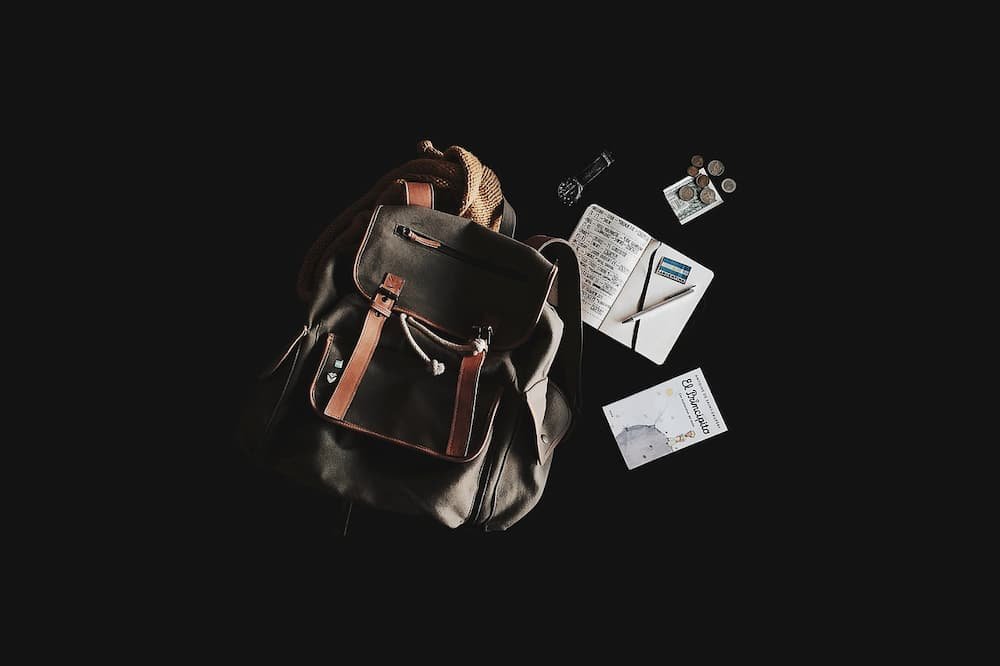
Have you ever wondered why millions of students pack their bags each year to study in a land far from home? The answer lies in the unparalleled mix of high-quality education and the immersion in a new culture. Studying abroad exposes you to diverse teaching methodologies, often in institutions renowned for their academic excellence and innovation. But it's not just about the grades; it's about growing in a setting that challenges and expands your worldview.
Imagine learning Italian in the heart of Rome or delving into international relations in Geneva. These aren’t just academic pursuits; they’re pathways to deep cultural immersion. You learn the local language, engage with the community, and understand global issues from a fresh perspective. It’s an education that textbooks alone cannot provide.
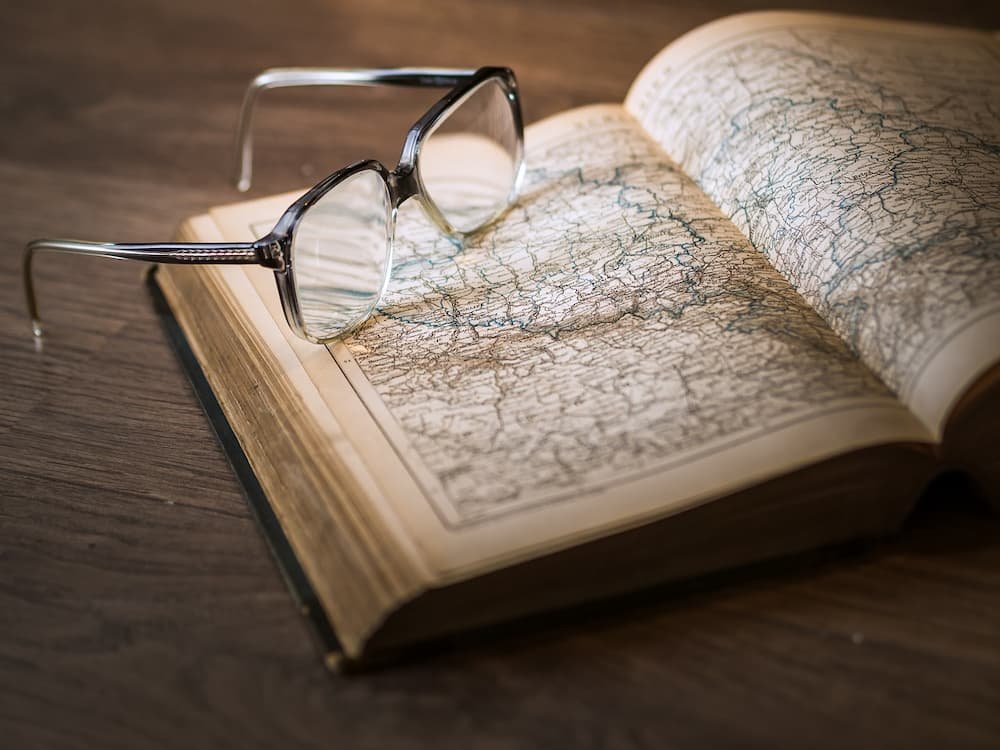
A personalized study plan is your map in this journey. It outlines what you need to learn, when you'll study, and how you'll assess your progress. This doesn't just include academic learning but also developing essential life skills like time management, critical thinking, and effective communication. How will you balance your studies with other responsibilities? How will you keep yourself motivated and on track? A well-thought-out study plan is flexible yet structured, allowing for personal growth while ensuring academic success.
In today's digital age, an array of resources and tools are at your fingertips. From online libraries and educational apps to study groups and tutoring services, these resources can enhance your learning experience. Have you explored which tools might best suit your learning style? Whether it's interactive tutorials, flashcards, or academic journals, integrating these tools into your study plan can make the journey both efficient and enjoyable. Also, don't forget that you can use additional online resources to study while traveling, which can greatly ease the stress of balancing studies and travel. A clear example of such a service is the Edubirdie portal, where you can find a large number of lectures or notes on various topics. You can find literally anything there, from the theory of deliberate play to scientific research in the field of psychology and health.
No journey is meant to be traveled alone. Building a support network of peers, mentors, and educators can provide encouragement, advice, and a sense of community. How will you connect with fellow students or find mentors in your field? Whether through online forums, campus organizations, or study groups, fostering these connections can make the journey less daunting and more rewarding.
Every journey comes with its set of challenges, but it's the perspective you choose that defines the experience. Viewing obstacles as opportunities for growth transforms the journey into an adventure. How will you adapt to setbacks? What strategies will you employ to overcome obstacles? Embracing challenges with resilience and a positive mindset can lead to unexpected discoveries and achievements.
Adopting a growth mindset is key to navigating the educational journey with confidence and curiosity. This means believing that your abilities and intelligence can be developed through dedication and hard work. Are you prepared to step out of your comfort zone, embrace new experiences, and learn from feedback? A growth mindset not only propels you forward academically but also enriches your personal development.
Preparing for the educational journey is not a one-time task but a continuous process of planning, adapting and growing. It's about setting your sights on the horizon, armed with a clear vision, a well-charted map, and a resilient spirit. By understanding the importance of preparation, crafting a personalized study plan, leveraging resources, and embracing challenges, you're not just embarking on an educational journey; you're setting the stage for a lifelong adventure of learning and discovery. Remember, the journey itself is just as important as the destination. So, take a deep breath, embrace the excitement, and prepare to chart your own course. The world of knowledge awaits, and the journey you're about to undertake is nothing short of extraordinary.
One of the most compelling reasons to study abroad is the opportunity to take courses not available at your home institution. Whether it’s specialized subjects or unique fieldwork opportunities, international study programs offer a breadth of education that can significantly enhance your academic portfolio.
But it’s not just your intellect that grows; your personal development takes a leap too. Navigating life in a foreign country fosters independence, adaptability, and resilience. From managing everyday tasks in a new language to handling unforeseen challenges, the experience molds you into a more capable and confident individual.
Studying abroad places you in a melting pot of cultures, connecting you with people from all corners of the globe. These aren’t just classmates; they’re future leaders, innovators, and lifelong friends. The networks you build can open doors to international careers, collaborations, and a deeper understanding of global issues.
The friendships forged in the unique environment of international study are often deeper and more enduring. Shared experiences, from exploring local landmarks to celebrating traditional festivals, create bonds that last a lifetime. These connections enrich your life, providing a global support system and a reason to travel and explore even more.
Studying abroad is not without its challenges. Homesickness, cultural adjustments, and navigating academic expectations in a new environment can test your resolve. But it’s in overcoming these hurdles that the experience becomes truly transformative. Each challenge conquered is a step toward becoming a more adaptable and resilient person.
There’s an undeniable thrill in finding your footing in a new country. The success of managing your studies, social life, and daily logistics in an unfamiliar environment is a significant personal achievement. This independence is empowering, instilling a confidence that permeates all aspects of your life.
Studying abroad is more than an academic endeavor; it’s a journey of personal discovery and global exploration. It challenges you, changes you, and ultimately enriches your life in ways you never imagined. By combining education with world exploration, you gain not just knowledge but a broadened perspective, lifelong friendships, and memories that last a lifetime. So, are you ready to embark on this transformative adventure?
Skiing is a popular getaway activity that takes playing with snow to a whole new level. According to a report on the ski and snowboarding industry by Forbes, 10.5 million skiers visited resorts in the United States from 2020-2021, and more than one million of those visitors were first-timers. Whether it’s in Aspen or Breckenridge, skiing is perfect for thrill seekers and adrenaline junkies.

Before planning your next skiing adventure, there are some things you should consider. In our previous article about snow forecasting, we mentioned how areas affected by warmer temperatures can have less snowfall, which could affect your skiing experience. Monitoring snow forecasts helps you plan how you can make the most of your time on the slopes — and whether it’s safe to do so. Skiing is an extreme sport that can also result in injuries, so paying close attention to the weather and wearing the right gear is important to protect you from harm. Here are some tips for picking the right snow gear for your next ski trip.
Your hands help you stabilize movement with your poles when skiing, and it can be pretty distracting and difficult to navigate the slopes if they're cold or lack grip. To ensure your hands are at their best during your ski trip, remember to bring gloves that provide adequate insulation to keep them warm. Waterproofing on your gloves is also crucial, as it helps your hands keep dry in the snow. Don’t forget to test if the gloves provide a good grip on your ski poles and allow your fingers to move easily as well. The North Face’s Etip Recycled Gloves are a great find if you’re looking for durable gloves that provide warmth and a good grip on a chilly trip to the mountains.

Wearing snow goggles is important when you’re high up in the mountains to ski, especially because your eyes are at risk of exposure to too much ultraviolet (UV) light from the sun, which could lead to vision problems such as photokeratitis or snow blindness. The ski goggles from Oakley carry the brand’s patented Plutonite lens material, which provides 100% UV protection and is included in their Flight Tracker and Target Line models. These goggles also have the Flexible O Matter chassis that allows for a comfortable fit to your face and meets the American National Standards Institute’s impact requirements. Using quality goggles during a ski trip is crucial for vision protection and helps you avoid any unfortunate trips to your eye doctor.
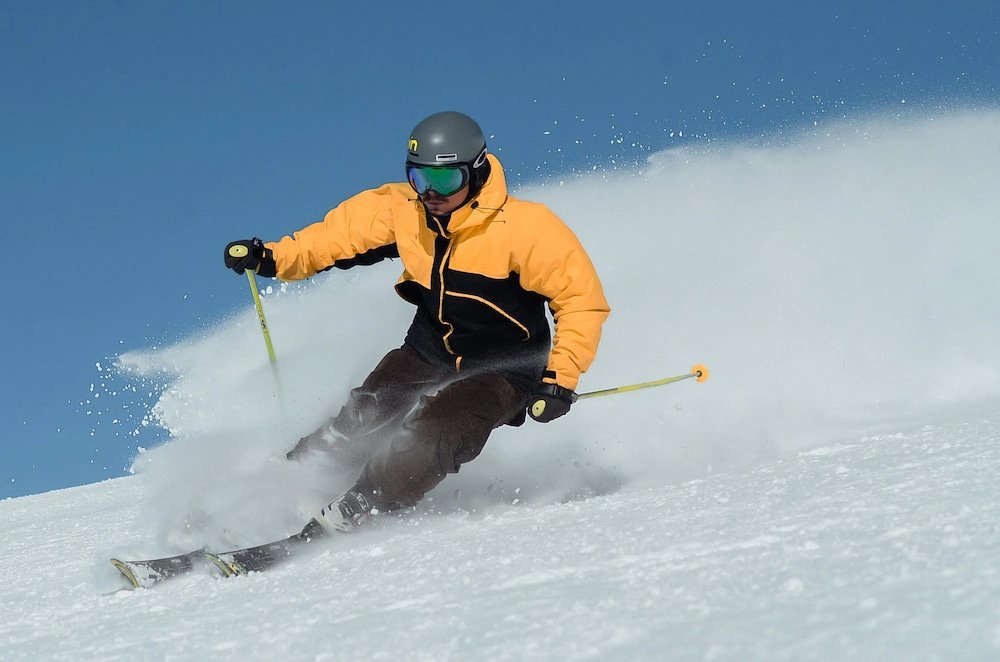
Wearing a helmet during a ski trip is necessary for preventing serious head injuries that may occur when you fall or hit obstacles. A study on snow sports injuries found that incidents of head or neck injuries were highest in freestyle skiing, which is why a good helmet is important to prevent fatal fall damage when you’re up in the mountains. Choose a helmet with a hard outer shell and a comfortable fit to help you have a smooth and safe skiing experience. REI Co-op’s Smith Method Mips Round Contour snow helmet is perfect for your trip, especially since it meets American standards for snow helmet certification and is lightweight with impact protection.

Ski boots connect your body to your skis, so you need a pair that enhances your balance, performance, and enjoyment to avoid any injuries. Make sure you have boots with a hard outer shell to avoid risks of ankle injuries and a soft inner layer to provide warmth and comfort for your feet. You can try the Radical Pro ski boots from Dynafit, which are light and comfortable and have a Hoji Lock system that allows you to use them comfortably when you’re climbing or descending.
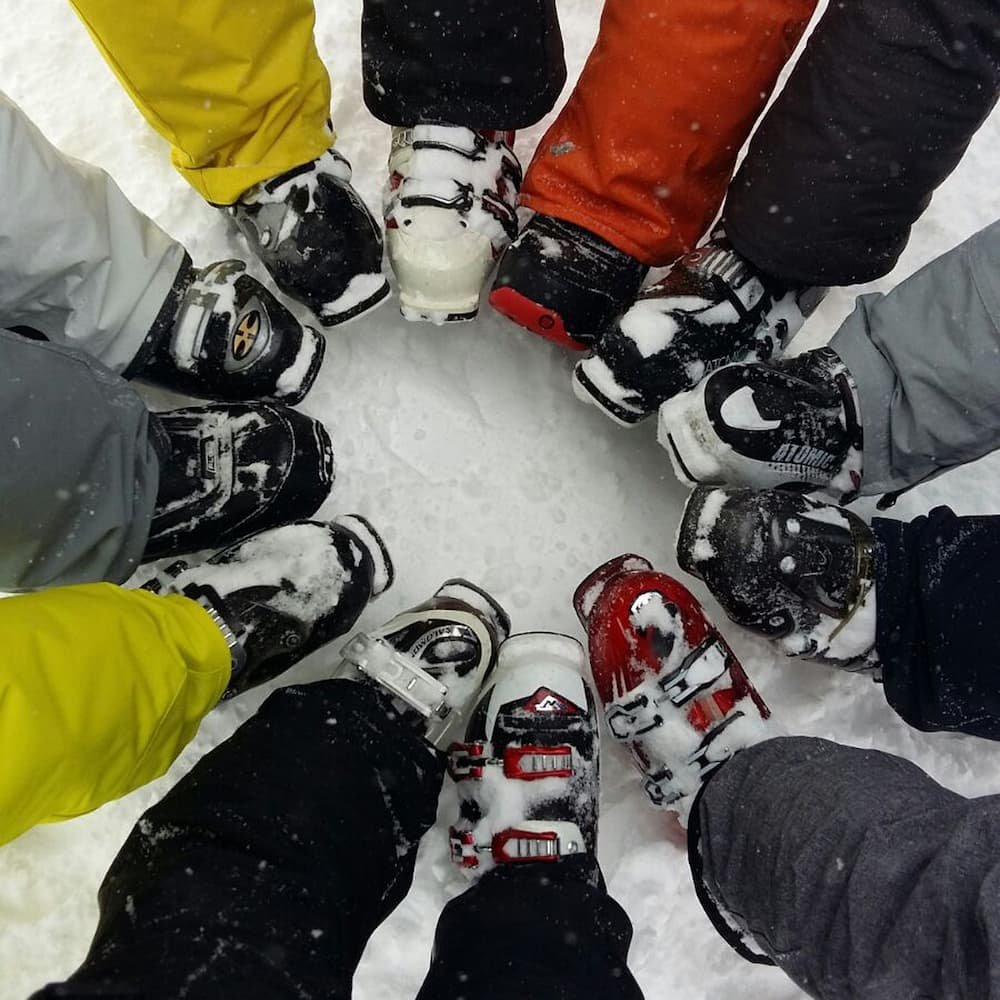
Using the right gear for your next ski trip prevents possible injuries and enhances your overall experience and performance. Be sure to follow these tips for a safe and comfortable skiing adventure.
As you prepare for the skiing season, understanding how snow forecasting impacts the sport is crucial. Different regions rely on accurate predictions to shape the ski and snowboard industry's operations, from opening day to the last run of the season. Snowfall predictions are essential because they dictate not only the quality and quantity of snow at resorts but also safety measures and resource allocation. As an example, you can find accurate snow forecasts from Piste Pro who offer valuable insights, ensuring enthusiasts like you have the best experience while hitting the slopes.

Weather patterns such as El Niño can cause variations in temperatures and precipitation, affecting snow conditions and consequently, the ski seasons in various regions. For instance, in areas where El Niño results in warmer sea surface temperatures, you might expect to encounter less snowfall, influencing the duration and enjoyment of your skiing activities. On the other hand, more frigid conditions lead to snowstorms that could extend the season and provide fresh powder. Resort operations must adapt to these forecasts, impacting everything from staffing to the grooming of trails.
The ability to accurately forecast snowfall is critical for ski resort operations, affecting everything from daily management to long-term planning. Advanced forecasting techniques and technologies enable resorts to prepare for the snow season effectively, ensuring economic stability and safety for visitors.
In the realm of winter sports, meteorologists use sophisticated models to predict snowfall, which is pivotal for ski resorts to manage their resources. The snow forecasts are based on various climate data including temperature, humidity, and atmospheric pressure. These forecasts inform resort operators about the thickness of the snowpack and expected precipitation levels. Resorts rely on such technological advancements to make decisions ranging from snow grooming to avalanche control measures.
When a promising snow forecast emerges, ski resorts must respond swiftly. They adjust their operations, deploying snow-making equipment if natural snowfall is predicted to be insufficient, and strategize lift operations to accommodate the influx of skiers. Employing forecasts from Piste Pro, resorts can obtain up-to-date information, allowing for real-time decisions that can enhance the skiing experience while ensuring the environment remains protected.
The financial health of ski resorts is intimately tied to accurate snow predictions. When meteorologists provide reliable forecasts, resorts can better schedule staff, manage ski lifts, and prepare hospitality services to match visitor demand. Accurate forecasts also help mitigate financial risks associated with unpredictable weather patterns, securing the economic viability of the resorts.
Understanding the complexity of snow forecasting is critical to anticipating how your ski season may unfold. Variations in climate patterns significantly affect snowfall and ski seasons in different regions.
In North America, particularly in the United States and Canada, ski seasons are deeply influenced by local weather systems. The National Weather Service (NOAA) monitors these systems, providing forecasts that help resorts manage and predict the skiing conditions. For example, in the Rocky Mountains, you can expect a longer ski season with consistent snowfall attributed to the continental climate and elevation.
European ski resorts are largely influenced by the complex weather systems of the Alps. Snow forecasts in these regions involve monitoring alpine-specific patterns, which can lead to varying snow conditions across short distances. In recent years, studies such as "Snow Moving to Higher Elevations" discuss the observable trend of snowlines moving upward, indicative of changing climatic conditions.
Climate change is reshaping ski seasons around the globe, as you can see in shifted patterns and trends in snowfall. Research such as "A mechanism for regional variations in snowpack melt" emphasizes the delayed snowpack melt, altering the timing of snow availability for skiing. Global warming introduces greater variability, influencing phenomena like El Niño and La Niña, which in turn affect regional ski conditions.
Your understanding of snow forecasting is crucial to navigating the ski season. Climate projections indicate a decrease in the length of the skiing season at various ski resorts, such as those in Aspen, due to climate change. Projected climate change impacts skiing. In regions of high elevation, you might notice less significant changes in snow-water equivalent (SWE) midseason Impact of Global Warming on Snow in Ski Areas. Recognizing these patterns allows you to plan your ski trips more effectively. As you prepare for the skiing season, keep informed about current climate trends and their impact on snow conditions to make the most of your time on the slopes.
Want to travel stress-free to and from San Francisco International Airport (SFO)? Right from the get-go, you should have reliable transportation sorted out. Whether it's public transportation or SFO rental cars, knowing how to commute in and around the city will make your trip easier and hassle-free. With the myriad of transportation options available, ensuring a comfortable and convenient journey won't be a problem.

The AirTrain connects San Francisco Airport to Bay Area Rapid Transit (BART) via the Garage G AirTrain/BART station stop. It also serves Caltrain by taking BART to Millbrae Station. This fully automated transit line operates year-round, 24 hours a day, with station departures as frequent as every four minutes. It is wheelchair accessible and has elevator service at all stations.

These are a cost-effective option, especially for groups or families. The shared-ride services operate on fixed schedules, picking up passengers from various locations and dropping them off at designated stops or accommodations. You should also look into complimentary shuttle services that your accommodation may offer.
Ride-sharing services like Uber and Lyft are popular choices for airport transportation. You can book a ride in advance or on the spot using their apps, providing convenience and flexibility. You can choose to book economy cars, luxury vehicles, and larger cars for groups or families. Just keep in mind that fare rates are higher during peak times. For your convenience, you should also check the designated pick-up areas at SFO for these services. Pick-up locations may vary by terminal.

For a more private, personalized or even luxurious experience, rent a private vehicle. Most car rental companies offer a diverse fleet to suit different budgets. National Car Rental, for example, offers economy cars, SUVs, convertibles and more to cater to varying travel preferences. What you book is entirely up to you. Make sure to check terms and conditions, especially fuel policies to avoid surprises. Even better, San Francisco Airport's AirTrain's Blue Line connects to the Rental Car Center and Long-Term Parking area. Your rental is ready to use right after you get off the plane.
Traditional taxi services remain a reliable means of transportation to SFO. They are readily available at designated taxi zones outside each terminal. Although taxis provide a direct and regulated transportation option, you may not get one during busy and peak times. It's often a point-to-point transportation as well. Unlike a rental or private car service, you can't choose to make random stops when you see something worth exploring that's not in your itinerary.

Shared vans are an affordable option for travelers heading to downtown San Francisco hotels, residential neighborhoods, the East Bay, the South Bay, or far outlying suburbs. With a typical price averaging around $17, they offer an economical way for individuals or groups to commute to their desired locations.
This may not be the first choice for travelers looking for comfort and privacy, but San Francisco's public transportation system does offer a level of convenience. BART (Bay Area Rapid Transit) and SamTrans buses, for example, provide convenient connections to SFO. BART connects the airport to various locations in the Bay Area, offering a quick and economical mode of transport. SamTrans buses also serve SFO, providing access to different parts of the city and surrounding areas.
Whichever transportation option you choose, ensuring a stress-free journey starts with ample preparation.
Securing quality transportation around the city and to and from San Francisco International Airport is integral to a seamless travel experience.
For those looking to explore the region further, wine country tours from San Francisco offer an exceptional way to experience the renowned vineyards and picturesque landscapes of California wine country.

Whether you prioritize convenience, affordability, or luxury, exploring the various options available and planning ahead can help you find the ideal transportation solution. By considering your preferences and needs, you can ensure a stress-free journey, allowing you to focus on enjoying your time in the vibrant city of San Francisco.
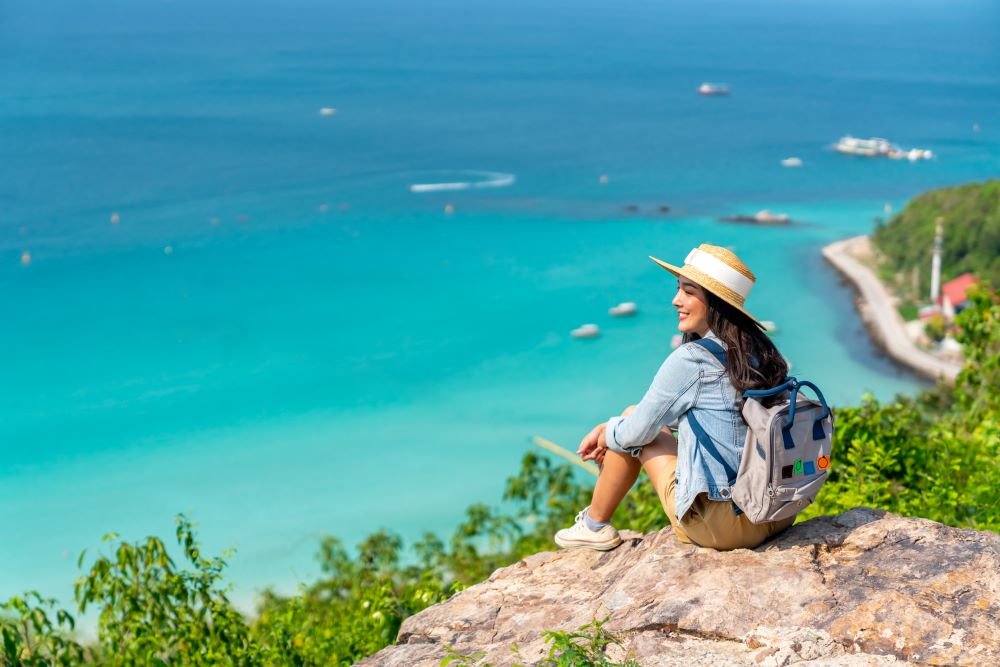
With its numerous islands in the South Pacific, Fiji presents a unique adventure for solo backpackers. The varied terrain, cultural richness, and friendly inhabitants render it perfect for those pursuing adventures on their own terms.
Backpacking independently in Fiji is more than exploration; it's about forming a bond with the natural world and immersing yourself in a dynamic culture. If you plan to visit Fiji alone, you need ample preparation. Here's your guide for a solo backpacking trip to this beautiful, exciting island destination.

Before you set off, research Fiji's background to make your trip smooth and hassle-free. Hoot Holidays and other travel resources may offer insights into the island's visa requirements, health advisories, and cultural norms. Additionally, self-study of the local customs, like dress codes in villages, is crucial for respectful interaction.
Familiarizing yourself with Fijian phrases eases communication and enriches your cultural experience. Basic greetings and expressions of gratitude can turn into heartwarming interactions with locals. These efforts demonstrate respect for the destination and can lead to more engaging experiences.
Like any trip, careful budget planning is vital for a stress-free Fiji adventure. Consider daily costs for accommodations, food, transport, and activities. Hostels and street food are budget-friendly while island-hopping and guided tours might stretch your wallet.
It's wise to have a financial buffer beyond your estimated expenses. This covers unexpected costs like emergency transport or last-minute changes in plans. Always travel with comprehensive insurance to cover health emergencies and trip cancellations.
Packing for Fiji's tropical climate means choosing lightweight, breathable clothing. Opt for quick-dry fabrics and a sturdy raincoat for unpredictable weather. Remember to bring reef-friendly sunscreen and insect repellent, too.
Make sure your backpack includes a thermal water bottle, a basic first-aid kit, and a device charger adapter. Don't forget essential documents like your passport, travel insurance details, and any necessary visas or vaccination certificates. Keep these in a waterproof pouch for extra protection.
Public buses in Fiji are a cost-effective way to travel, especially on main routes. However, be prepared for potentially irregular schedules, especially on less frequented paths. Taxis are more flexible, but agree on the fare before starting your journey.
Renting a car is another option. Orient yourself to local driving practices and road conditions, which may vary across regions. If you prefer to drive, always carry your driver's license and be prepared for unpaved rural roads. For island-to-island travel, ferry services are available and provide a scenic way to explore.

You'll find Fiji's hostels great for meeting fellow travelers and often have communal kitchens. Guesthouses and budget resorts provide more privacy and local flavor. Consider locations close to public transport for ease of exploration.
Safety and comfort are paramount when choosing where to stay. Look for places with good reviews regarding cleanliness and security. Booking in advance secures your spot and often results in better rates, especially during peak tourist seasons.
Solo travel in Fiji is generally safe, but common-sense precautions are necessary no matter where you are. When exploring, stay in well-lit areas at night and always secure your belongings. Be cautious with personal information, and don't share your travel plans with strangers.
Stay informed about local conditions, like weather warnings or political situations. Keep emergency contacts handy, including local police and your country's embassy. Trusting your instincts is often your best defense in unfamiliar situations.
Solo backpacking empowers you to discover Fiji's hidden gems, offering an authentic experience. Small islands like Taveuni or the Yasawas present untouched beauty and quieter beaches. Explore inland for waterfalls and hiking trails less frequented by tourists.
Engage with local communities by actively visiting villages away from the main tourist areas. Participate in a traditional kava ceremony or help with a local project. These experiences provide a deeper understanding of Fijian life and culture.
Fiji's allure isn't limited to its beaches. The country offers diverse natural landscapes, from white sandy shores to rugged coastlines. The rainforests, abundant in distinctive plants and wildlife, are excellent for trekking and birdwatching. Rivers and waterfalls hidden within these forests are havens for swimming spots.

The underwater world of Fiji is a paradise for snorkelers and divers. The coral reefs provide a habitat for an impressive variety of sea creatures. When in the water, always respect marine life and coral reefs by following sustainable practices like not touching or taking marine life.
Immersing yourself in Fijian culture makes your travel experience worthwhile. Take advantage of local festivals and markets to witness the vibrant local life. Sampling traditional dishes like kokoda (marinated fish) gives a taste of the local cuisine.
Understanding and respecting Fijian customs is essential. Dress conservatively when visiting villages and always ask permission before taking photos. These small acts of respect deepen your connection with the local community and culture.
Practicing sustainable travel in Fiji helps protect its natural and cultural heritage. Choose eco-friendly accommodations and tours that emphasize environmental conservation. This approach supports businesses that invest in protecting Fiji's ecosystems and communities.
Be a conscious traveler by reducing waste and conserving resources. Use refillable water bottles, avoid single-use plastics, and respect wildlife habitats. If possible, contribute to Fiji's environmental preservation by joining local beach clean-ups or conservation initiatives. Research beforehand to find suitable opportunities during your visit.
Solo backpacking in Fiji offers unparalleled personal growth, independence, and cultural immersion. Overcome challenges and enjoy the benefits of solo travel with adaptability and an open mind. Your solo adventure in Fiji awaits, promising new experiences and self-discovery.
The East African island of Mauritius is a melting pot of different cultures and customs that come together to create a truly unique way of life, which is best discovered up close. A more authentic and immersive island experience awaits you beyond the world-class beaches and luxury hotels; read on to discover how you can enjoy the cultural delights of Mauritius.

What better way to truly immerse yourself in a new culture than by testing out the local fare? Mauritian cuisine has been infused with so many different international flavors throughout history, with various dishes celebrating different aspects of the island’s heritage. You’ll notice particularly strong Asian and European influences, but the locals also like to champion native African flavors, too.

There are so many different ways to enjoy an authentic taste of Mauritian cuisine. If you’re out and about, keep an eye out for the street food vendors serving local dishes to go. These convenient spots will introduce you to the traditional flavors of the island, and are also an excellent option if you’re looking for cheap eats to fuel your adventures. Or, if you want to really live like a local, visit one of the markets and pick up some ingredients to recreate your own Mauritian dishes. However you choose to enjoy the wonderful food on offer, we’re sure you won’t be disappointed.
It’s not just the cuisine that’s drawn influences from the different countries to have settled on the island throughout history. Granted, Mauritius is probably best known for the natural elements that make up its alluring landscape, from the world-class beaches to the viridescent valleys. But the island’s architecture has an important story to tell, and if you want to know more about the culture and history here, exploring some of the historical hotspots is a great place to start.

From the British-built Martello Tower that was used in defense against French invasion to the museum at Beau Plan Sugar Mill, each spot uncovers a different aspect of the island’s fascinating past. If you can peel yourself off of your beach towel for an afternoon, the historic buildings across the island are well worth a visit.
Mauritian people have a reputation for being extremely friendly and welcoming to international visitors, and spending some time mixing with the locals is a great way to learn more about island life. The markets are a wonderful place to meet people and find out about the local culture through the medium of food and crafts. Or, consider signing up for a guided tour where you will not only get a local expert’s perspective on the sights, but it’s also an easy way to meet new people along the way.

As it is anywhere in the world, it will always be appreciated by the locals if you try to converse with them in the local language. There are a range of dialects spoken across the island including Mauritian Creole, French and English. Even keeping a few phrases handy can go a long way to helping you integrate into the local culture and interact with the people who live there.
Taking a road trip with your teenage kids driving can be a daunting prospect. As a parent, you want to ensure they drive safely while also giving them independence. With some planning and common sense rules, road-tripping with young drivers can be rewarding for the whole family.
Read on for the best road trip tips to ensure a safe and fun holiday for the whole family.

When your teen is first learning to drive, it's wise to avoid road trips in vehicles that are challenging to maneuver. Stick to sedan-style cars rather than 4WDs or vans which require more skill. Automatic cars are preferable to manuals for beginner drivers too. If possible, get them practicing locally in the car you plan to road trip in so they build confidence. Modern cars packed with safety features are ideal.
Research your route together and aim for major highways over trickier rural backroads. Try to avoid driving at night when visibility is lower. Plan daily segments of 4-6 hours max with regular breaks to prevent fatigue. Consider routes with fewer road trains that can intimidate young drivers. Use a GPS navigator to alert upcoming hazards like school zones. Being well-prepared with maps will give you both peace of mind.
Discuss expectations before departing and establish clear rules. Remind them of road rules like no mobile phones and always wearing seatbelts, as well as maintaining a 2-second gap between vehicles. Explain that you're there to coach, not criticize. Let them know that it's ok to pull over anytime they feel uncomfortable, as long as they do so safely. Clear rules provide a framework for them to build skills.
For more information, you can check out ROLLiN’s guide for beginner drivers to get a strong sense of what those first starting their driving journey need to do to stay safe.

A road trip is tiring for any driver, especially a novice. Swap drivers at least every 2 hours and avoid marathon stints. Draw up a schedule taking advantage of times when they're most alert, such as morning time. Allow them to observe your driving so you can demonstrate good habits. Have an experienced driver accessible at all times. Never pressure them to push through fatigue.
Look for accommodation close to highways to avoid navigating tricky new areas at night. Seek out motels with easy parking that don't require difficult reversing maneuvers. Choose places with restaurants nearby so you aren't reliant on their night driving. Let them recharge with a good night's rest before hitting the road again.
An organized, clutter-free car makes driving less stressful. Pack gear tightly with heavier items low down to improve vehicle stability. Use a non-slip mat under coolers and bags. Remove or secure loose items that may roll around and distract them while driving. Do a walk around checking doors and boots are shut properly. A tidy car with good visibility enhances safety.
Suppress any nervous backseat driving tendencies! Have confidence in the training you've given them and avoid criticism. Be patient - their driving skills will improve each day. Praise them when they demonstrate good habits at the wheel. They'll remember the trip fondly instead of how stressed their parents were!
Get in some driving practice as a family before embarking on a big trip. Do some local drives on highways and unfamiliar routes. Have them drive at night and practice maneuvers like parking, reversing, turning, and roundabouts. Build up from short trips to longer drives as their confidence grows. This will reassure you both that they can handle different road conditions.
Being hungry or thirsty can affect concentration so keep the car well stocked. Pack nutritious snacks like fresh fruit, mixed nuts, muesli bars and sandwiches. Have a cooler with water, juice, and sports drinks easily accessible. Schedule regular snacks and toilet stops to keep energy levels up.
Take some time to familiarize young drivers with common blind spots around the car that are easy to miss when checking mirrors and over the shoulder. Hazards like cyclists, pedestrians, and merging cars can seem to appear from nowhere. Drive slowly together around other vehicles and get them to call out when anything disappears from view. This awareness saves lives.
With the right mentality, rules, and preparation, a road trip can be wonderful for young drivers. Following these tips will help install life-long safe driving habits while creating priceless memories. Maintain realistic expectations, share the workload, and ensure adequate rest. Most importantly, savor the adventure together! In no time they'll be an experienced road trip veteran like you.
If you've been dreaming of a grand European adventure, look no further! The Euro Extravaganza with Eurail Passes is your passport to traverse the mesmerizing beauty of the European continent. Travel the enchanting landscapes of Europe, savor the delectable cuisine, and immerse yourself in diverse cultures with Eurail Passes: The Ultimate European Adventure!
This comprehensive travel guide will whisk you away on a journey through history, art, architecture, and gastronomy, all while uncovering the secrets of different European cultures. So, let's hop on board the Eurail train and begin this unforgettable expedition!
With Eurail Passes, you have the freedom to explore Europe at your own pace. Say goodbye to fixed itineraries and hello to spontaneous discoveries. Whether you want to wander through the romantic streets of Paris, witness the breathtaking Northern Lights in Norway, or indulge in the vibrant nightlife of Berlin, Eurail Passes allow you to roam effortlessly across multiple countries, making your Euro Extravaganza a memorable and personal experience.

Traveling through Europe can be a hassle, especially when dealing with various currencies and language barriers. However, with Eurail Passes, you can wave goodbye to these worries. Simply present your pass, board the train, and you're on your way to your next destination. Moreover, the trains are well-equipped with modern amenities, ensuring a comfortable journey, so you arrive at each city feeling refreshed and ready to explore.
For those aiming to visit multiple destinations, Eurail Passes are a cost-effective solution. Instead of purchasing individual tickets for each leg of your journey, a Eurail Pass offers you unlimited travel within a specific time frame. This means more savings to spend on delightful experiences, delightful cuisine, and cherished souvenirs.
Europe is a treasure trove of art and history, with its majestic castles, awe-inspiring cathedrals, and world-renowned museums. Dive into the Renaissance wonders of Italy, stand in awe of the ancient ruins in Greece, or admire the splendid architecture of Spain. Eurail Passes provide you with the flexibility to explore these cultural gems, enriching your understanding of European heritage.
One cannot talk about Europe without mentioning its culinary delights. Each country boasts a unique culinary heritage, and with Eurail Passes, you have the opportunity to savor an array of gastronomic wonders. From the delectable pasta dishes in Italy to the mouthwatering pastries in Austria, and the delectable tapas in Spain, your taste buds are in for a treat on this Euro Extravaganza.
Festivals and Traditions
Experience the liveliness of European festivals and traditions that showcase the spirit of each culture. Attend the colorful Carnival in Venice, witness the stunning fireworks of Bastille Day in France, or be part of the Oktoberfest celebrations in Germany. With Eurail Passes, you can immerse yourself in the vibrancy of these events, making your journey even more unforgettable.
Eurail offers a variety of passes to suit different travel needs. The Global Pass allows you to explore up to 33 European countries, making it perfect for those seeking extensive travel. If you have a specific region in mind, such as Scandinavia or the Balkans, there are Regional Passes available too. Moreover, if you're a solo adventurer or traveling with family and friends, Eurail has passes catering to individual and group travelers.

The beauty of the Euro Extravaganza lies in the flexibility it offers. Before embarking on your journey, outline the destinations you wish to visit and the experiences you want to indulge in. Whether you're interested in exploring iconic cities or venturing off the beaten path to hidden gems, Eurail Passes grant you the freedom to design an itinerary that aligns perfectly with your travel aspirations.
While having an itinerary is helpful, leaving room for spontaneity can lead to unforgettable experiences. As you travel from one destination to another, you may come across charming towns, picturesque landscapes, or intriguing festivals that weren't initially on your radar. Embrace these serendipitous moments and allow yourself to be immersed in the unexpected wonders of Europe.
For well-known tourist hotspots, it's advisable to plan your visit ahead of time, especially during peak seasons. While Eurail Passes provide flexibility, some attractions may require reservations. Booking in advance ensures a seamless experience, allowing you to fully enjoy the sights without worrying about long queues.
As you delve into different cultures, take the time to understand and respect local customs and traditions. Learning a few basic phrases in the local language can go a long way in creating meaningful connections with the locals. Additionally, try regional dishes and partake in local customs to truly immerse yourself in the authentic European experience.
Traveling by train offers convenience, but it's essential to pack smartly. Make sure to bring comfortable clothing and suitable footwear for exploring each city on foot. Also, remember to carry a small daypack for essentials like water, snacks, and a camera to capture the breathtaking landscapes and memorable moments.
Embark on a Euro Extravaganza like no other with Eurail Passes, where you'll discover the captivating cultures, delectable cuisines, and historical marvels that make Europe a timeless destination. Whether you're a history enthusiast, a food lover, or an adventurer at heart, this journey will leave you with cherished memories and a profound appreciation for the richness of European diversity. So, don't wait any longer – book your Eurail Passes, and let the Euro Extravaganza begin!
Backpacking is an exhilarating adventure that allows you to explore the world on a shoestring budget, but let's be honest: it can sometimes leave you feeling a little rough around the edges. With cramped hostels, sleepless nights on uncomfortable buses, and the constant hunt for cheap eats, it's easy to lose sight of the finer things in life.

But fear not, fellow wanderers! There are ways to infuse your backpacking escapades with a touch of culture and sophistication, and one of the most memorable ways to do so is by experiencing the Verona Opera.
Ah, the Verona Opera, where music, drama, and history converge to create a truly enchanting experience. Picture this: a warm summer evening in the heart of Verona, Italy, sitting under the stars in a stunning Roman amphitheater that dates back over two millennia. The stage comes alive as the orchestra strikes up a symphony, and the velvety curtains part to reveal a mesmerizing performance. It's an experience that will transport you to a different time and place, and leave you feeling utterly captivated.
Attending the Verona Opera is an excellent way to immerse yourself in the cultural fabric of Italy. Verona, renowned for its rich history and association with Shakespeare's Romeo and Juliet, offers an extraordinary lineup of operatic performances throughout the summer. From timeless classics like Carmen and Aida to enchanting renditions of La Traviata and Nabucco, there's a production to suit every taste.
Now, I can already hear some of you saying, "But I'm backpacking on a budget! How can I afford tickets to the opera?" Fear not, my frugal friends, for there are affordable options available. The Verona Arena, the magnificent open-air venue where the opera takes place, offers tickets at various price points. Opting for the unreserved stone steps, known as "gradinata," allows you to enjoy the performance at a fraction of the cost. It may not be the comfiest seating arrangement, but trust me, the atmosphere and the music will more than make up for it.
Of course, the Verona Opera is just one of many ways to infuse your backpacking adventure with a dose of culture. Here are a few more ideas to consider:
Explore Local Museums: No matter where you are, there's bound to be a museum nearby waiting to be discovered. Museums offer insights into the history, art, and heritage of a place, allowing you to expand your knowledge and appreciation for different cultures.
Check if there are any festivals or cultural events happening during your backpacking journey. Whether it's a traditional dance performance, a vibrant street parade, or a religious celebration, participating in local festivities can provide a unique and immersive cultural experience.
Food is a universal language, and what better way to connect with a culture than through its cuisine? Sign up for a cooking class and learn to whip up traditional dishes from the region you're visiting. Not only will you get to savor the flavors firsthand, but you'll also gain a new skill to impress your friends back home.
Delve into the history of the places you visit by exploring ancient ruins, castles, and landmarks. Walking in the footsteps of those who came before you can give you a profound sense of the culture and heritage that shaped a particular location.
While all these options offer fantastic opportunities to embrace culture during your backpacking adventure, there's something undeniably magical about the Verona Opera. It's an experience that transcends language barriers and cultural differences, uniting people through the power of music and storytelling. So, next time you find yourself planning a backpacking trip, consider adding a little culture to your itinerary and make sure the Verona Opera takes center stage. Just remember to pack your sense of wonder and prepare to be swept away into a world of enchantment.
Who said backpacking had to be all rough edges and sleepless nights? With a sprinkle of culture, your journey can become an unforgettable tapestry of experiences, creating memories that will last a lifetime. So go forth, intrepid traveler, and let the Verona Opera be the crescendo that elevates your backpacking adventure to new heights of cultural bliss!
The allure of backpacking is irresistible to many. There's an unspoken thrill in the juxtaposition of ancient earth beneath your boots and cutting-edge technology in your backpack. As we head to the off-the-beaten-path, electronics—phones, cameras, GPS devices—become more than mere conveniences; they morph into lifelines, connecting us to civilization and guiding our adventures. But the wilderness, while breathtaking, harbors hidden hazards for our gadgets.
This article illuminates unseen perils and offers practical ways to shield your devices from harm.

The great outdoors, while magnificent, is a double-edged sword. It's filled with awe-inspiring beauty but also harbors elements that can harm your electronics. Protecting your belongings is a must. Dangers like water, dust, heat, and cold can pose a serious threat.
Imagine this: you're caught in a surprise rain shower, trekking through a dusty desert, or facing the harsh cold at a mountaintop. All of these scenarios can cause severe damage to your devices, potentially cutting off your vital connection to the world.
Physical dangers are just as real. They're not always as noticeable, but they're equally destructive. Picture accidentally dropping your device on a rocky trail or the constant jostling in an overstuffed bag. These incidents might seem minor, but they can quickly turn your lifeline to the digital world into a useless piece of metal.
The first line of defense lies in choosing the right protective gear. Waterproof and shockproof cases are a modern adventurer's best friend. Serving as a formidable shield, these cases protect your gadgets from an array of environmental and physical threats. They're available in a variety of sizes, so be sure to choose one that snugly fits your equipment, offering optimal protection.
But don't just stop at individual cases. Think about your travel backpack, your primary storage unit, as an impromptu fortress. Look for bags with dedicated, padded compartments designed to house electronics. These not only keep your devices organized but also provide an extra layer of protection, preventing any potential damage due to compression or impact from other gear.
As any experienced traveler will tell you, moisture can be a formidable enemy. That's where the humble dry bag comes into play. Often overlooked, these lightweight, compact bags offer an additional layer of defense against water damage. They're ideal for protecting your electronics during heavy downpours, river crossings, or when you're lounging by the beach.
As we continue to rely heavily on technology, electronic device insurance has become a sensible consideration, especially for high-value items. Whether you're a professional photographer carrying expensive equipment or a traveler with a high-end smartphone, the investment in insurance can pay off significantly in case of an unfortunate incident.
Comprehensive insurance policies typically cover a wide range of unfortunate events, including theft, accidental damage, and in some cases, water damage. This means that should your device get stolen in a crowded marketplace, accidentally drop off a cliff, or even have it submerged in water during a boating trip, insurance can come to your rescue.
While having insurance won't prevent these mishaps from occurring, it certainly helps soften the financial blow that comes with such incidents. Depending on the specific terms of your policy, insurance can cover repair costs or even the replacement of your device in its entirety.
It's important to remember that not all insurance policies are created equal. So, be sure to thoroughly research different providers, understand the terms and conditions, and choose a plan that suits your specific needs and the nature of your travel. Pay particular attention to the claims process and customer reviews to ensure you're choosing a reliable provider.
Think of insurance as a safety net for your electronics. While we hope it never has to be used, it's comforting to know it's there if needed. After all, being prepared for the unexpected is a cardinal rule of travel.
The best gear can only take you so far. Adopting good habits can make a significant difference in the longevity of your electronics. Regular cleaning of ports and screens can prevent dust and grime buildup, ensuring optimal functionality.
Packing correctly is crucial. Aim to evenly distribute weight, and isolate heavier items from delicate electronics.

Avoid exposing your devices to extreme temperatures. If hiking under a blistering sun, shield your phone or camera. In freezing conditions, keep them close to your body for warmth.
Managing power is also essential. Carry extra batteries and power banks, but store them safely to prevent short-circuiting or overheating.
Even with the most diligent planning and precautions, accidents can still occur. Your devices could fail, get lost, or be damaged, resulting in the loss of valuable data. This is where having a backup and data recovery plan becomes essential.
Backing up your data regularly is a fundamental part of this plan. There are numerous ways to do this, and among the most popular and efficient are cloud-based services. Platforms such as Google Drive, iCloud, or Dropbox allow you to store and access your data from anywhere in the world, providing a virtual safety net for your important information and memories. It's advisable to set a regular backup schedule and stick to it diligently, so you always have the most recent version of your data safely stored.
Consider investing in a good quality, reliable portable hard drive as well. This can serve as an additional backup solution, especially useful when you have limited internet access for cloud backup. The combination of cloud and physical storage adds an extra layer of protection for your data.
Data recovery services form the last line of defense in the event of device failure. These services specialize in retrieving data from damaged, failed, or corrupted storage mediums. While not every situation guarantees a successful recovery, these professionals have specialized tools and expertise to recover data in many seemingly hopeless situations.
Safeguarding your electronic devices when backpacking is a blend of thoughtful selection, appropriate protection, good handling habits, and meticulous backup strategies. With these precautions, you can embrace the excitement of your journey, knowing that your digital companions are well-protected against the unseen perils that might lurk on your path.
