China, with its rich tapestry of history and tradition, offers a feast for the senses when it comes to cultural performances. From ancient operas to modern acrobatics, the country boasts a variety of enchanting spectacles that draw travelers from all over the globe. Whether you're marveling at the graceful movements of a traditional dance or watching an epic opera unfold, China’s performing arts encapsulate centuries of cultural heritage. Traveling across the country offers countless opportunities to witness these mesmerizing performances, with many easily accessible from the country’s bustling cities.
l setting for such an awe-inspiring display.
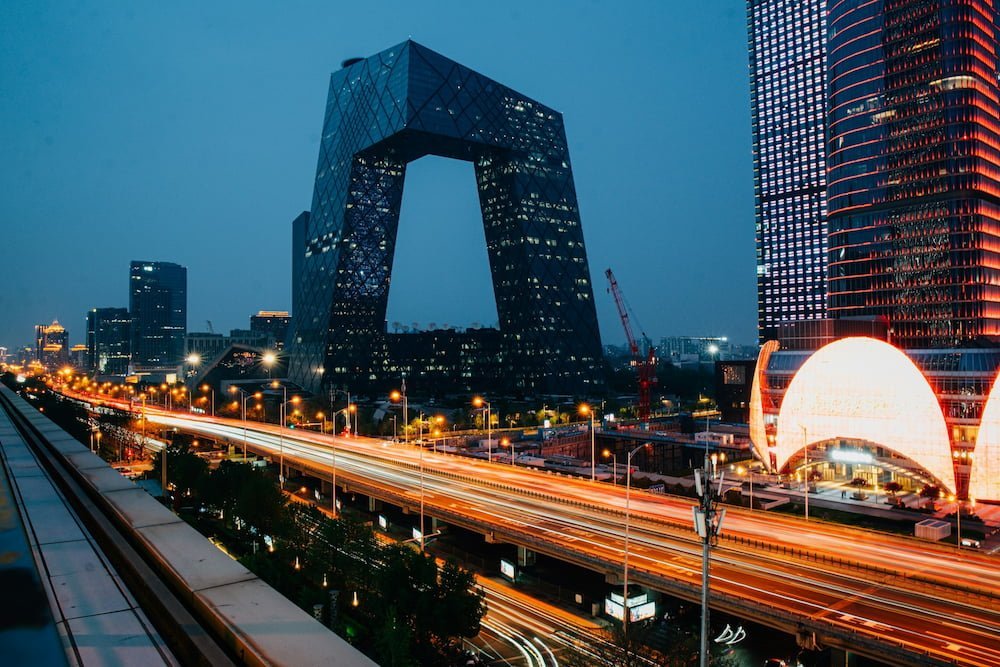
If you’re traveling by the Chongqing to Beijing train, you’ll embark on a journey that not only spans a vast geographic distance but also opens the door to two of China’s most vibrant cultural hubs. Beijing, in particular, is home to one of the country’s most famous traditional art forms: Peking Opera. This colorful performance art, dating back to the Qing Dynasty, combines singing, mime, and acrobatics, all adorned in elaborate costumes and intricate face paint.
Peking Opera is not only visually striking but also steeped in symbolic meaning. Every gesture, facial expression, and color used in the performers' makeup carries significance, telling stories of historical events, folklore, and mythology. The best place to experience this iconic art form is at the National Centre for the Performing Arts in Beijing, where performances take place in a grand, modern setting that contrasts beautifully with the ancient traditions showcased on stage.
Chongqing, meanwhile, offers its own unique take on performance arts. While less known internationally, Sichuan opera, originating from the neighboring Sichuan province, has found a home in Chongqing’s theaters. The highlight of this performance is the art of “face-changing,” where performers swiftly change masks to depict different emotions in a matter of seconds. It’s a thrilling and visually stunning spectacle, not to be missed by those keen to dive into regional Chinese culture.
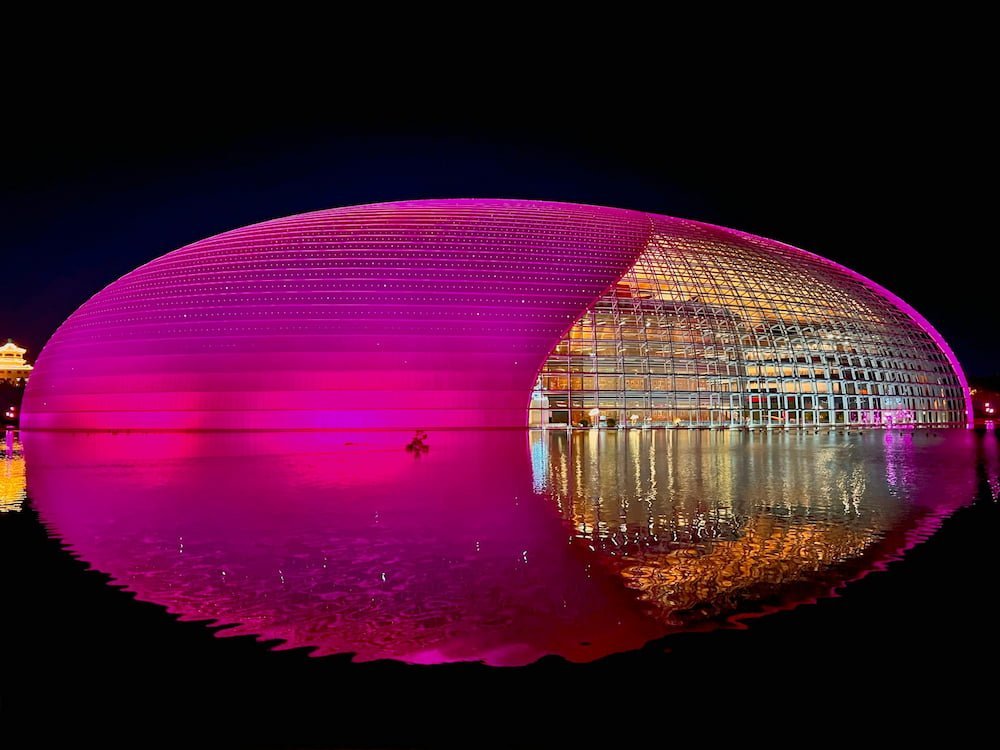
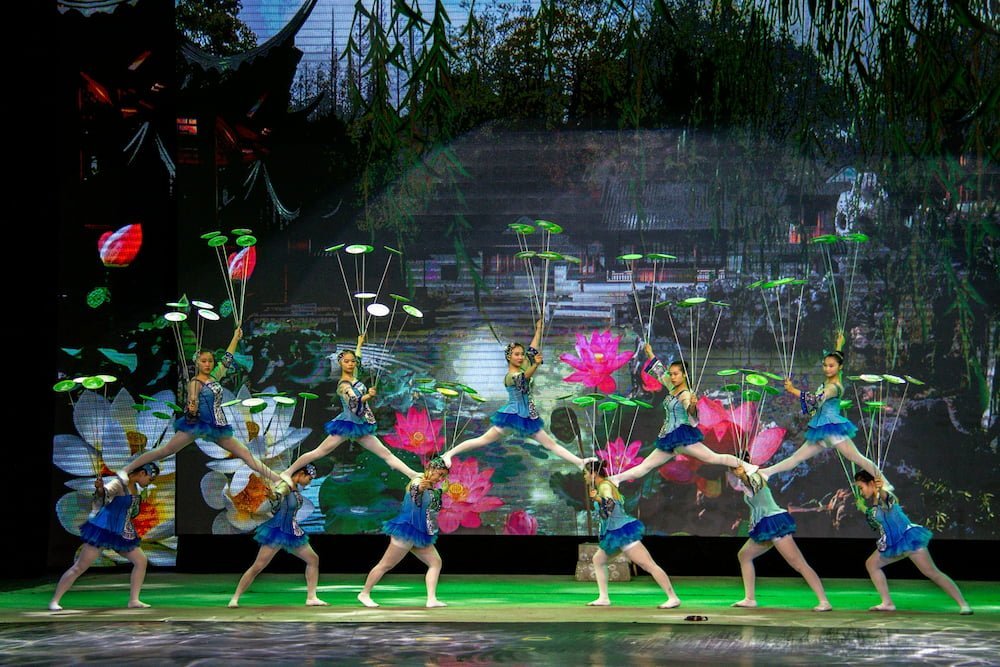
Beyond opera, China is also renowned for its incredible acrobatic shows, where performers push the limits of human strength, flexibility, and coordination. The city of Shanghai is home to the world-famous Shanghai Circus World, where some of the most jaw-dropping acrobatic feats can be seen.
The Era – Intersection of Time show is a particularly impressive performance that blends traditional Chinese acrobatics with modern theatrical elements, creating an unforgettable experience. The show features daring stunts like human pyramids on bicycles, high-wire walking, and gravity-defying aerial acts. It’s a mesmerizing fusion of skill and storytelling, making it a highlight for travelers looking to witness China’s more contemporary performance art.
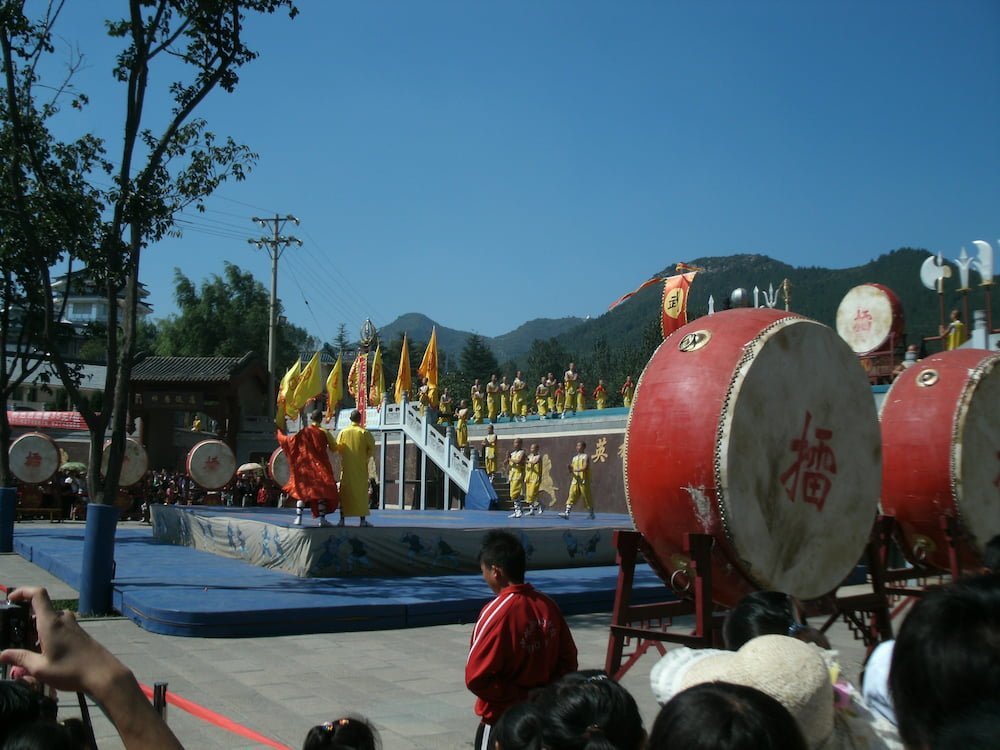
For a more dramatic display, martial arts performances capture China’s long-standing traditions of discipline and physical prowess. At the Shaolin Temple in Henan province, visitors can watch authentic Kung Fu performances by Shaolin monks. These martial arts masters perform jaw-dropping moves that blend agility, strength, and balance, showcasing centuries of training and discipline.
These performances are more than just entertainment—they reflect the spiritual and physical practices that have been honed by Shaolin monks for over a thousand years. The temple itself, set against the lush backdrop of Mount Song, provides a stunning natural setting for such an awe-inspiring display.
China’s vast cultural diversity is on full display in the southwestern province of Yunnan, home to numerous ethnic minority groups. In cities like Lijiang and Kunming, travelers can enjoy performances by the Naxi and Yi peoples, which combine traditional music, dance, and storytelling.
The Impression Lijiang performance, set against the breathtaking backdrop of Jade Dragon Snow Mountain, is one of the most visually stunning shows in the country. Directed by Zhang Yimou, the mastermind behind the Beijing Olympics opening ceremony, this performance celebrates the traditions of Yunnan’s indigenous cultures through epic dance routines, traditional costumes, and powerful visual effects. It’s a celebration of China’s ethnic diversity and offers a unique cultural experience for those venturing off the beaten path.
China’s cultural performances are as diverse as the country itself, offering a glimpse into its deep history, traditions, and artistry. From the ancient art of Peking Opera in Beijing to the mind-bending acrobatics of Shanghai and the spiritual displays of Kung Fu at the Shaolin Temple, each performance reflects a unique aspect of China’s rich cultural heritage.
Whether you’re visiting Beijing or exploring regional performances in cities like Chongqing or Lijiang, these captivating spectacles are an unmissable part of any trip to China. So, immerse yourself in the mesmerizing world of Chinese performing arts and discover the cultural treasures that make this country truly unique.
Croatia’s rugged coastline, ancient towns, and lush hinterlands offer cyclists some of the most compelling routes in Europe. Here are three of the most scenic cycling routes in Croatia, each promising an unforgettable journey through diverse terrain and breathtaking vistas.
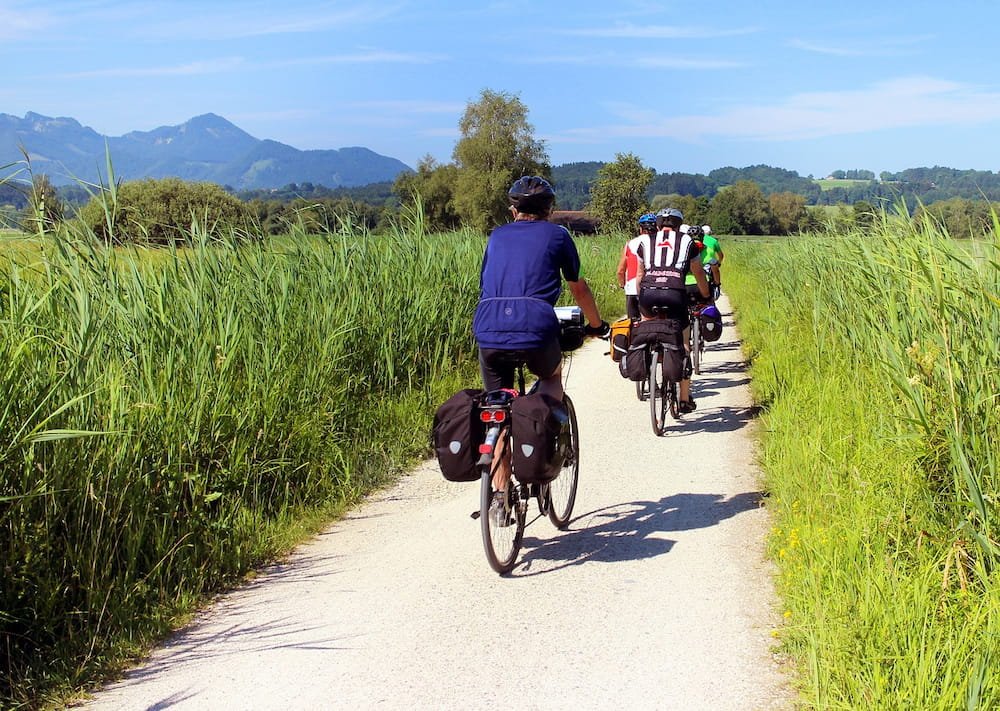
Starting in the historic city of Split and winding down to the medieval gem of Dubrovnik, this Split to Dubrovnik bike tour is a classic route for those seeking a blend of coastal beauty and historical intrigue. The 230-kilometer journey hugs the Adriatic coastline, offering views that transition seamlessly from stark cliffs to turquoise waters.
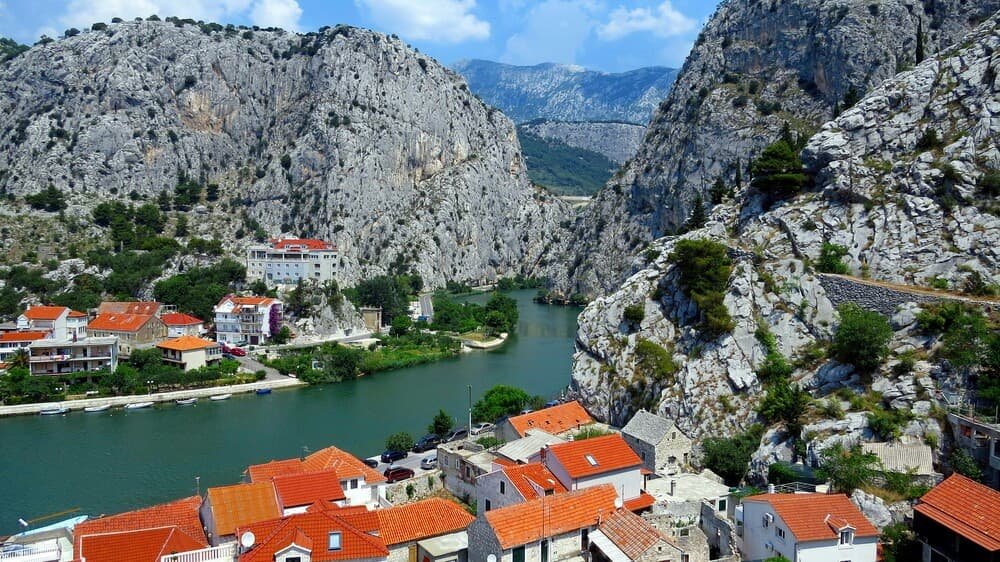
Cyclists will traverse the Makarska Riviera, a stretch renowned for its rugged mountains that plunge directly into the sea. The route then meanders through the picturesque towns of Omiš and Makarska, each with its own charm and a rich maritime history. The climb up the Vrgorac Pass offers panoramic views of the hinterland, a stark contrast to the azure blues of the sea below.
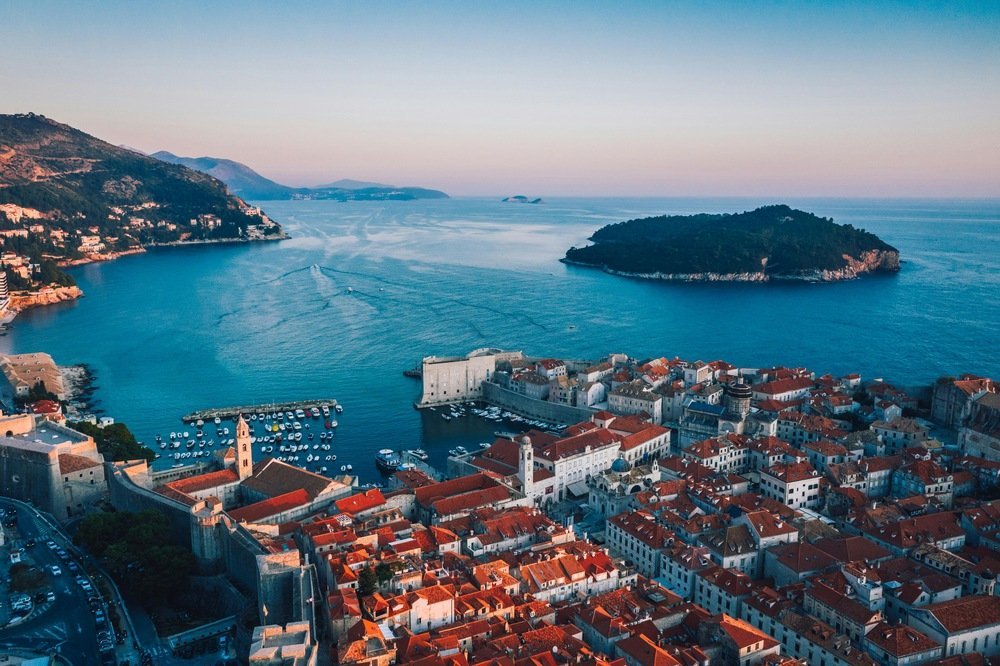
As you approach Dubrovnik, the medieval city walls come into view, promising a fitting conclusion to your ride. The old town, with its cobbled streets and terracotta roofs, is a living museum, best explored on foot after your long ride. This route is a perfect blend of strenuous climbs, serene coastal stretches, and historical exploration.
This route offers a glimpse into the rich historical tapestry of the Istrian Peninsula, weaving through the diverse landscapes of Italy and Croatia.
Starting in Trieste, the route heads south through the lush Karst region, where limestone caves and rugged hillsides set the tone. The initial part of the journey is characterized by rolling hills dotted with vineyards and olive groves, offering a peaceful yet invigorating ride.
As you cross into Croatia, the terrain gently flattens, revealing the fertile landscapes of the Istrian interior. The route leads you through quaint villages and past centuries-old churches, each with its own unique charm. The final stretch towards Pula is marked by the stunning coastal views of the Adriatic, culminating in the sight of the Pula Arena, one of the best-preserved Roman amphitheaters in the world. This route is a testament to the rich cultural and natural heritage of the region, blending history with scenic beauty seamlessly.
Istria’s wine roads offer a journey through the heart of the region’s viticulture, where rolling hills are lined with vineyards and ancient olive groves. Starting in the town of Poreč, the route winds its way through the picturesque hilltop villages of Motovun and Grožnjan, where the air is thick with the scent of truffles and wine.
On this Istria bike tour, expect to encounter a patchwork of grapes, from Malvasia to Teran, each variety telling its own story of the land. The ride takes you through the quaint village of Brtonigla, renowned for its winemaking heritage, before culminating in a final descent towards the coastal town of Novigrad.
The route is not just about cycling; it’s a sensory journey through flavors, landscapes, and traditions that have shaped Istria’s unique character.
Each of these routes in Croatia offers a different slice of the country’s diverse appeal, from the dramatic coastlines and historic towns to the fertile vineyards and serene countryside. Whether you’re a seasoned cyclist or a casual rider, these routes promise not just a ride, but an experience that lingers long after the journey ends.
Want to combine the thrill of backpacking with the comforts of cruising? Backpacker-friendly cruise experiences offer a unique blend of adventure and relaxation, perfect for travelers looking for diverse destinations and exciting activities. Whether you're planning for 2026 or beyond, here are some top cruise itinerary options for adventure seekers.
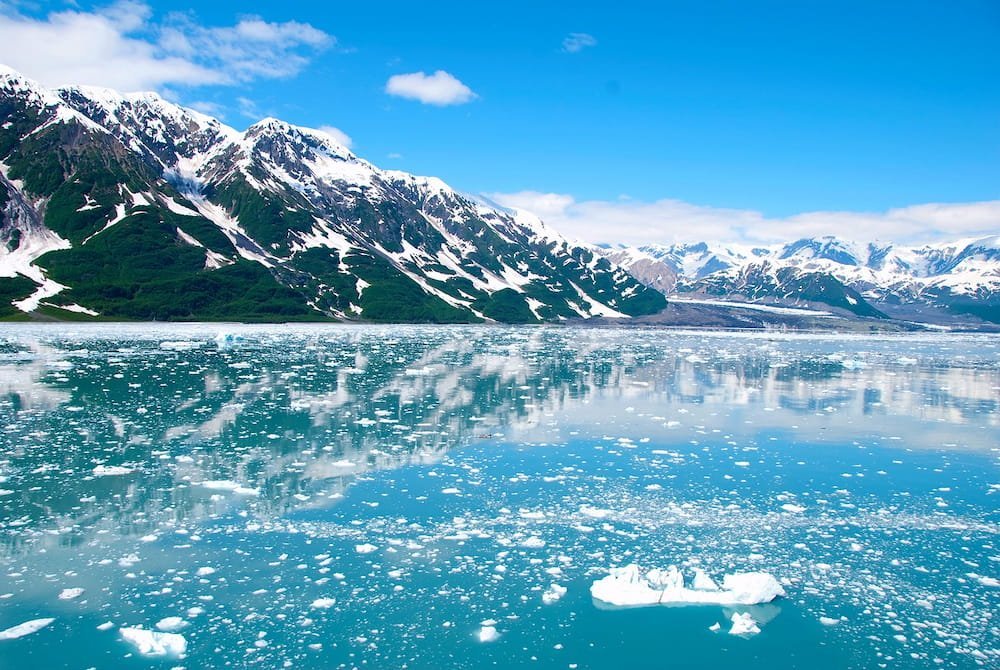
Alaska cruises are ideal for backpackers looking to immerse themselves in nature's grandeur. From whale watching in Juneau to hiking the wilderness trails of Denali National Park, there's no shortage of adventure here. You can even kayak through serene fjords or take a helicopter ride over towering glaciers—perfect for adrenaline junkies and nature enthusiasts alike.
For those who crave cultural immersion and vibrant landscapes, Mediterranean cruises offer a treasure trove of experiences. Start your journey in Barcelona, where you can explore Gaudí's architectural wonders before sailing to the Greek Isles. Wander through the ancient streets of Athens, snorkel in crystal-clear waters off Santorini, or hike the rugged coastline of Crete. Each port of call offers a unique blend of history, adventure, and culinary delights—a backpacker's dream come true. Chartering a yacht in the Mediterranean in September provides a one-of-a-kind experience. Sailing at your own pace ensures a relaxing and enjoyable journey, tailored entirely to your comfort.
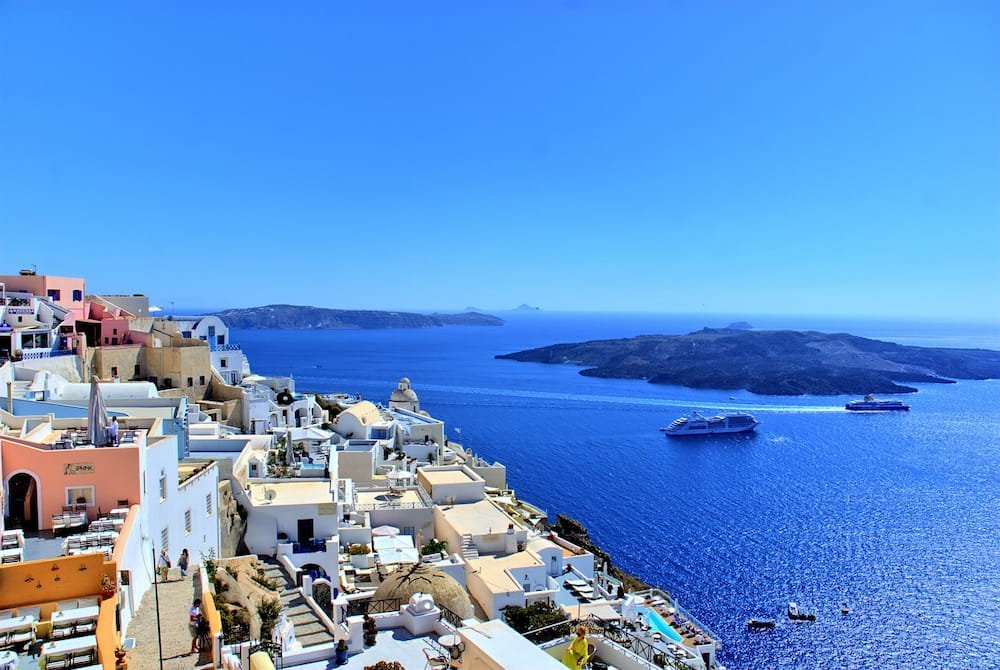
The Caribbean isn't just about pristine beaches and luxury resorts; it's also a playground for adventure. Cruise through the islands’ turquoise waters and you’ll discover hidden gems like St. Lucia's lush rainforests or Jamaica's Blue Mountains. Don’t miss the chance to dive into the vibrant underwater world of coral reefs and shipwrecks, and be sure to sample the local cuisine for a true taste of the islands.
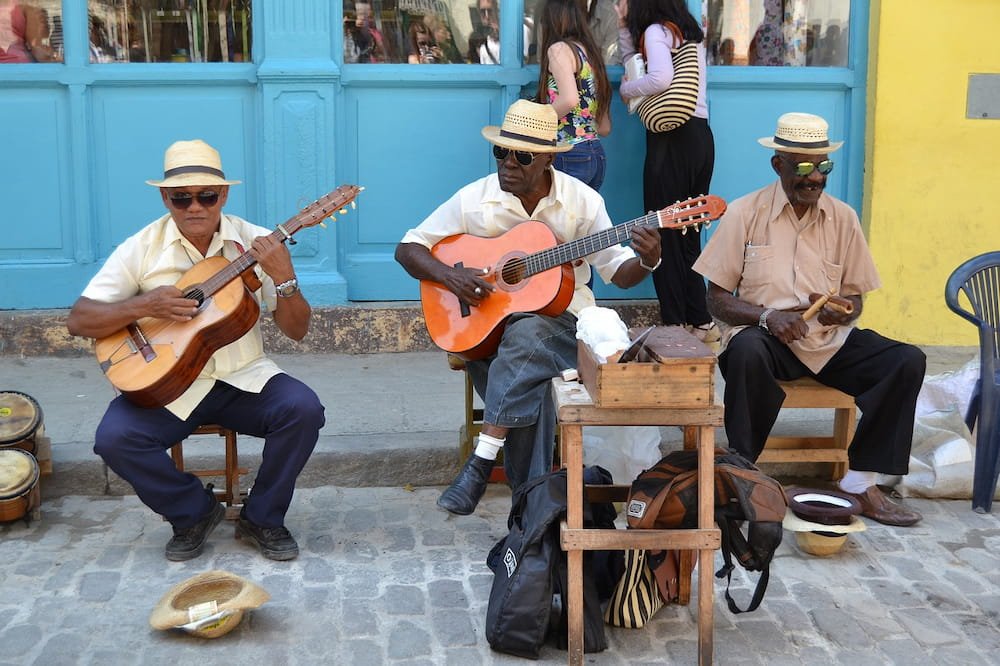
Norway's fjords are a magnet for adventurers seeking dramatic scenery and outdoor thrills. Cruise ships often pass through UNESCO-protected fjords like Geirangerfjord and Nærøyfjord, where towering cliffs plunge into deep, emerald waters. During your trip, you can hike to breathtaking viewpoints overlooking cascading waterfalls or take a scenic train ride through snow-capped mountains. Whether you're chasing the Northern Lights or exploring charming coastal towns, Norway offers a unique blend of natural beauty and cultural experiences.

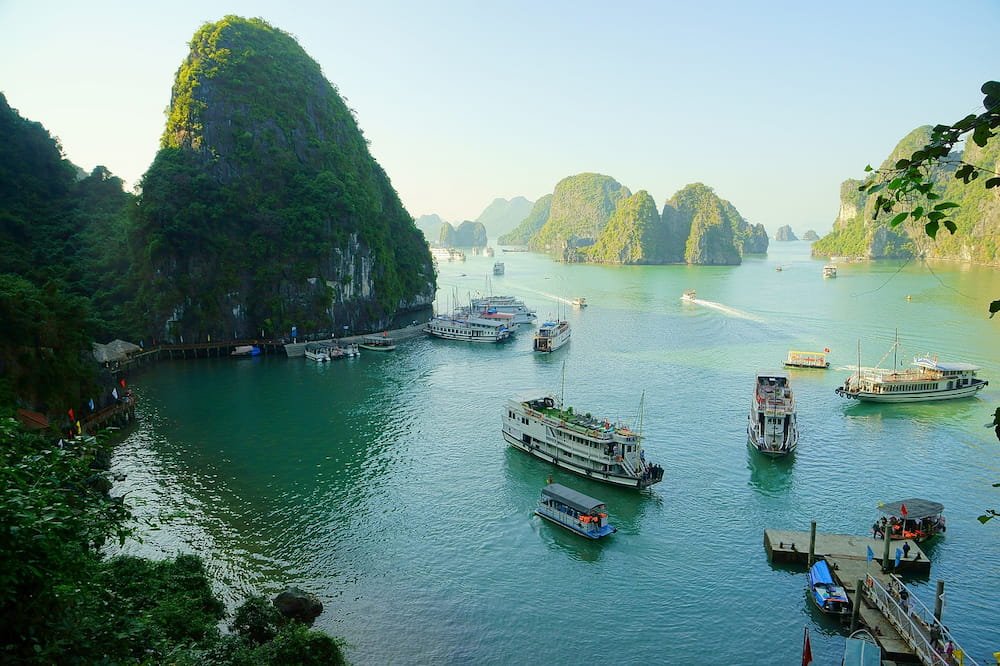
Southeast Asia is a backpacker's paradise, offering rich history, breathtaking scenery, and delicious street food at every turn. Cruises often begin in bustling Singapore, where modernity meets tradition, then sail to Thailand's exotic islands for snorkeling and beachside relaxation. You’re also likely to explore the ancient temples of Cambodia's Angkor Wat or kayak through Vietnam's Halong Bay, a UNESCO World Heritage site. As you embark on your Southeast Asian cruise, you’ll uncover a tapestry of cultures, landscapes, and flavors.
For the ultimate adventure seeker, an Antarctic expedition cruise promises unparalleled thrills and natural wonders. Imagine kayaking among icebergs, encountering penguins and seals up close, and exploring the pristine, untouched landscapes of the southernmost continent. This remote and breathtaking destination offers a once-in-a-lifetime experience for backpackers who crave both adventure and exploration.

Backpacker-friendly cruises offer the best of both worlds—thrilling adventures during the day, and comfortable accommodations and relaxation on board at night. Whether you're drawn to the wild landscapes of Alaska, the ancient ruins of Greece, cruises from Adelaide, or the vibrant markets of Southeast Asia, there's a cruise itinerary that caters to your wanderlust. So start planning now to secure your spot on these epic journeys and embark on the adventure of a lifetime.
Visiting Monet’s house and gardens in Giverny, France, is like stepping into one of his famous paintings. As an art lover and nature enthusiast, this visit was a dream come true for me. The picturesque village of Giverny is nestled in Normandy, just an hour and a half away from Paris. The journey itself sets the tone for a day of tranquility and beauty, with rolling hills and quaint countryside views guiding you to your destination. This guide will help you navigate the various tickets to Giverny, ensuring you have a memorable and enjoyable experience.
Arriving at Monet’s house, you are greeted by a charming pink mansion with green shutters. This beautiful home, where Monet lived for over 40 years, is preserved to reflect his taste and style. Walking through the rooms, you feel as though you are walking through history. Each room offers a glimpse into Monet’s personal life. The blue-tiled kitchen, filled with copper pots and pans, felt warm and inviting. The bright yellow dining room was a burst of sunshine, displaying Monet’s love for vibrant colors.
One of the most touching experiences was seeing Monet’s studio. Although the original paintings are in museums worldwide, the replicas here allow you to imagine Monet at work, brush in hand, capturing the beauty of the world around him. I could almost see him sitting at his easel, immersed in his creative process.
The real highlight of the visit is the gardens. Split into two distinct areas, the Clos Normand and the Water Garden, they are masterpieces of horticultural design. The Clos Normand, located in front of the house, is an explosion of color with flowerbeds meticulously arranged to bloom throughout the year. Walking through the Clos Normand, I felt like I was walking through a living painting, with each flower adding a stroke of color to the canvas.
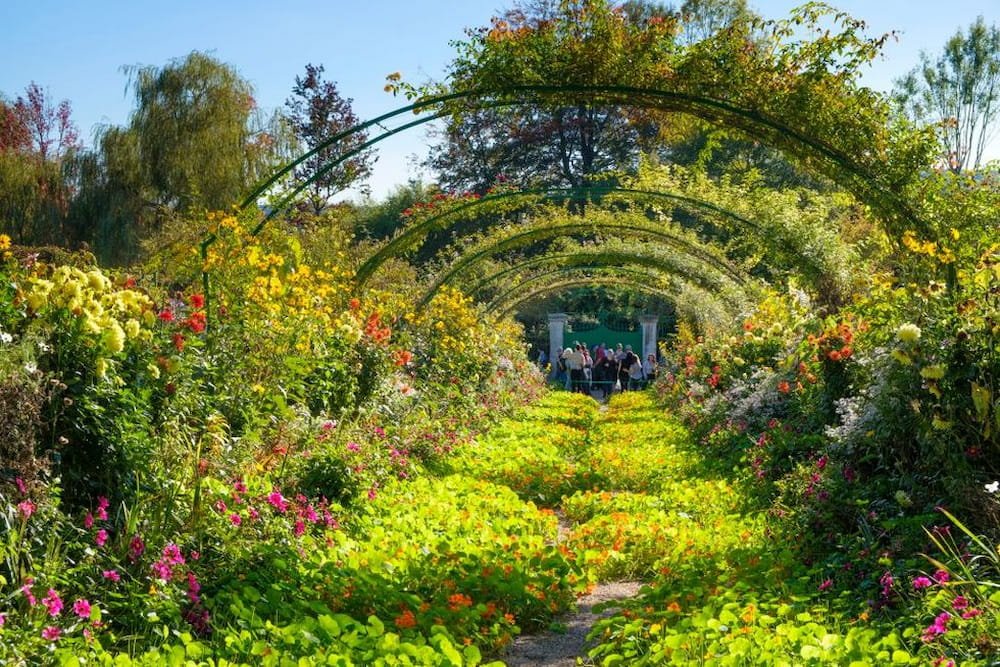
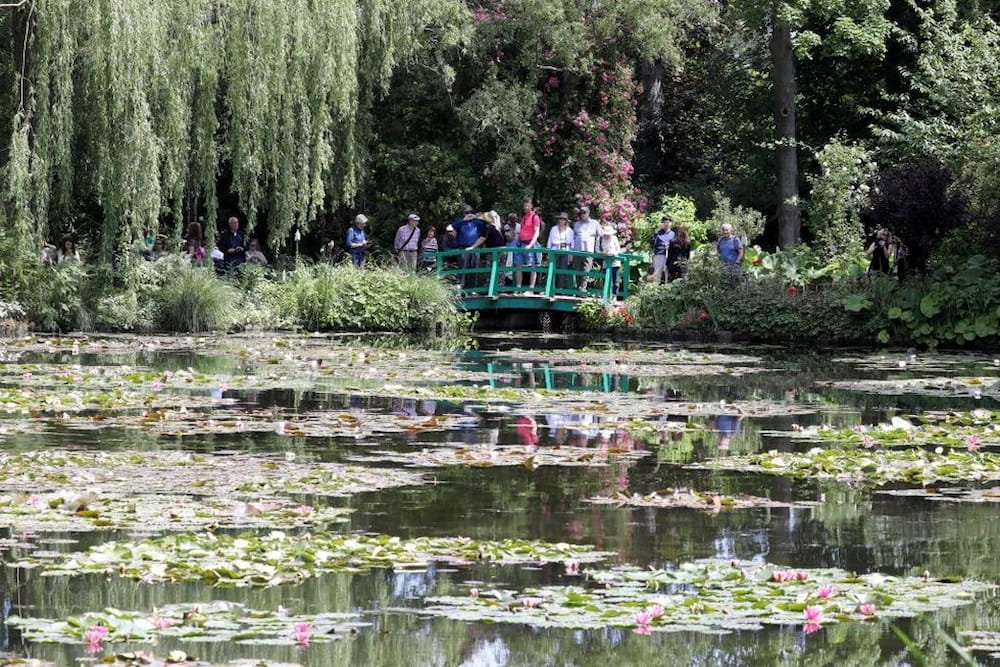
The Water Garden, on the other hand, is inspired by Japanese aesthetics. This part of the garden is home to the iconic water lilies and the Japanese bridge, which Monet famously painted. Standing on the bridge, looking out over the water lilies, I felt a profound connection to Monet’s art. The tranquility of the Water Garden is truly breathtaking. The reflections of the sky and surrounding plants on the water create a serene and almost magical atmosphere.
One of my most vivid memories is sitting by the water lily pond, sketchbook in hand, attempting to capture even a fraction of the beauty that surrounded me. The gentle rustling of the leaves and the soft chirping of birds provided a peaceful soundtrack, making it easy to lose track of time. I was completely immersed in the moment, appreciating the simple yet profound beauty of nature.
Another memorable moment was meeting other visitors who shared my passion for art. We exchanged stories about our favorite Monet paintings and how his work has influenced our own artistic endeavors. It was heartwarming to see how Monet’s legacy continues to inspire and connect people from all over the world.
To make the most of your visit, consider these practical tips:
Spring and summer are ideal times to see the gardens in full bloom. The vibrant colors and lush greenery are truly a sight to behold.
To avoid long queues, it’s best to purchase your tickets online before your visit. This ensures a smoother experience and more time to explore.
For a deeper understanding of Monet’s life and art, consider taking a guided tour. Knowledgeable guides offer fascinating insights that enhance your visit.
Don’t miss the opportunity to try local French cuisine at nearby cafes and restaurants. Enjoying a meal in Giverny adds to the overall experience, allowing you to savor the flavors of the region.
Giverny is easily accessible from Paris. You can take a train to Vernon, followed by a short bus or taxi ride to Giverny. The journey takes about 1.5 hours, making it a perfect day trip from the capital. The convenience of the trip allows you to spend a leisurely day exploring the village and returning to Paris in the evening.
A visit to Monet’s house and gardens is an unforgettable experience for art lovers, nature enthusiasts, and anyone looking to escape the hustle and bustle of city life. It offers a unique opportunity to immerse yourself in the beauty that inspired one of the world’s greatest artists. As you wander through the gardens and explore the house, you can feel the spirit of Monet and his enduring love for nature. This visit not only enriches your appreciation of Monet’s work but also leaves you with a sense of peace and inspiration. Whether you’re a seasoned traveler or a curious explorer, Giverny is a destination that will stay with you long after you leave.
Poland, a nation rich in natural beauty and history, provides nature lovers and thrill-seekers with a wide range of excursions.
Its natural splendor is rivaled only by the depth of its cultural legacy, with its peaks rising to great heights and its lakes tranquil.
Here’s our adventure seeker’s guide that will allow you to experience everything that Poland has to offer.
The Tatra Mountains, which are a component of the Carpathian Mountains and are located in southern Poland, are well-liked hiking destinations because of their striking peaks, lush valleys, and pure lakes.
Visits to important locations, such as the Tatra Resistance Movement Museum, where guests may discover more about the local resistance movements under Nazi rule, are frequently included in guided tours.
Well-liked routes comprise the demanding climb up Rysy, Poland's highest hill, and the Morskie Oko trip, which leads to the country's biggest lake.
While Rysy offers breathtaking vistas, Morskie Oko is accessible for most fitness levels.
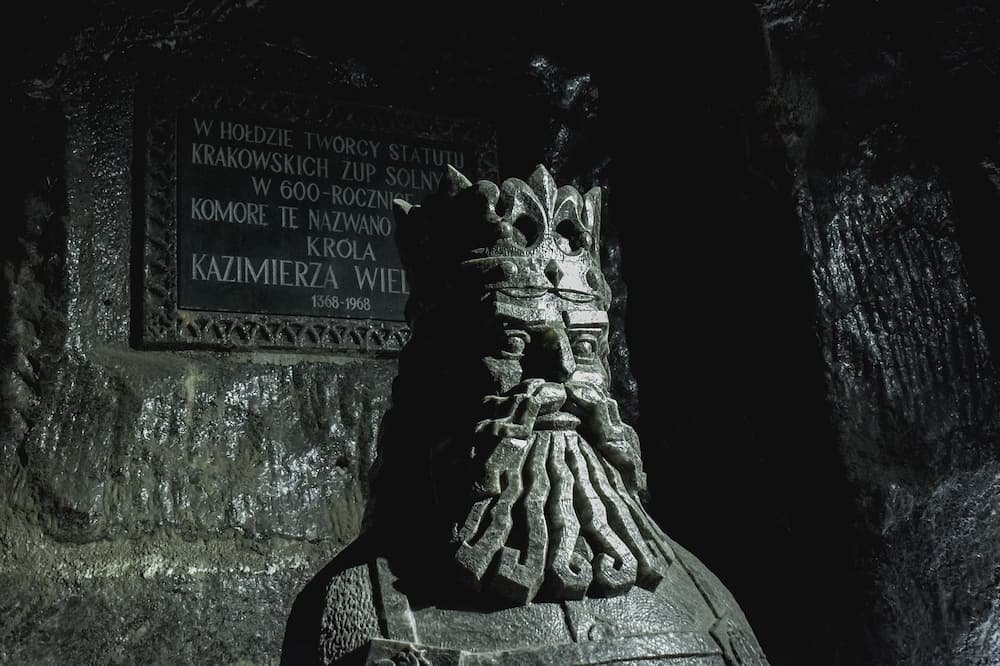
Situated close to Kraków, the Wieliczka Salt Mine is a UNESCO World Heritage Site that provides a unique subterranean experience.
This mine, which dates back to the 13th century, has been converted into a maze of tunnels, rooms, and chapels made completely of salt.
Explore beneath lakes, take in the exquisite salt sculptures, and see the magnificent Chapel of St. Kinga, a salt-carved underground cathedral.
The mine provides a variety of tour alternatives, including off-the-beaten-path adventure experiences and historical tours, some of which highlight the mine's role during World War II, adding a compelling WW2 tour element to your visit.
Northeastern Poland's Masurian Lake District is a kayaker's paradise and is considered one of the modern wonders of the world. This area, which is home to 2,000 lakes connected by rivers and canals, provides countless chances for exploring the water.
Beginners may enjoy kayaking on the popular Krutynia River due to its mild currents and picturesque scenery.
Numerous nearby tour companies accommodate varying degrees of skill by providing guided tours and equipment rentals.
A wide variety of fauna, including uncommon birds and animals, may be found in the Masurian Lakes.
Paddlers will enjoy the peace of the outdoors while having the chance to see wildlife such as herons, eagles, and even beavers in their native habitat.
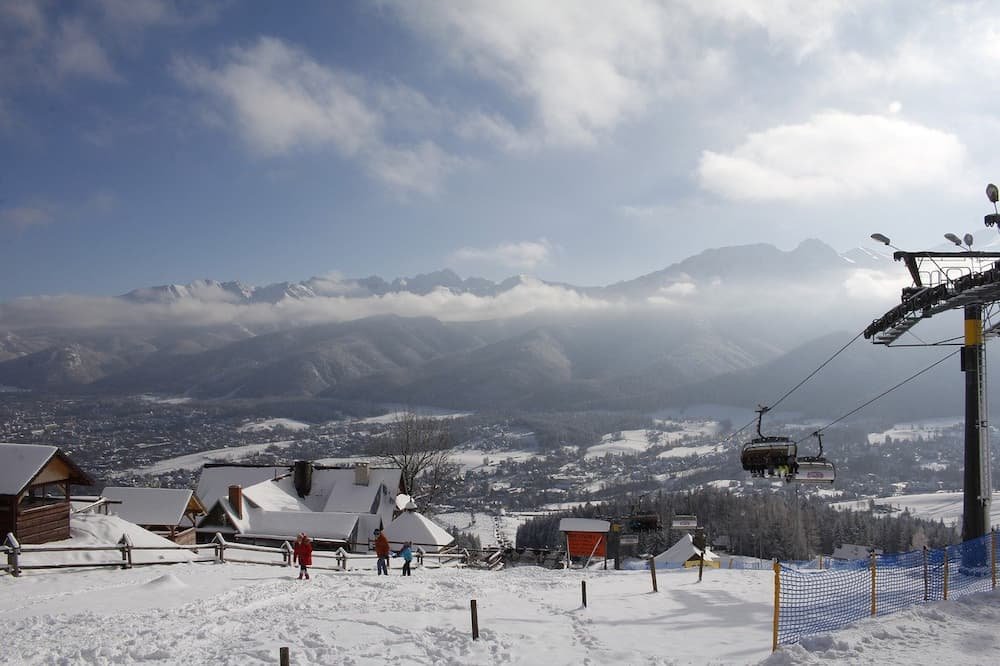
Nestled at the base of the Tatra Mountains, Zakopane is recognized as the winter capital of Poland and is considered an off-the-beaten-path destination.
With some of the greatest skiing in the nation, this little town serves as a major destination for those who like winter sports.
Gubałówka has kinder slopes ideal for children and beginners, whereas Kasprowy Wierch is renowned for its difficult slopes and stunning vistas.
Those who are visiting for the first time could think about enrolling in courses at one of Zakopane's many ski schools.
It's simple to rent equipment locally, and there are plenty of affordable lodging alternatives in the area.
Marked as a UNESCO World Heritage Site, the Białowieża Forest unites Belarus and Poland.
It’s among the largest and final remnants of the ancient forest that had enveloped most of Europe.
Hikers may explore historic forests and see animals, such as the European bison, which is the largest land mammal on the continent.
Guided tours provide information about the ecology and conservation initiatives of the forest. There are several possibilities for guided tours, from quick strolls to multi-day journeys.
The continuous conservation efforts to protect this special habitat are aided by these visits.
Rafting on the Dunajec River is a unique experience that takes place amid the gorgeous Pieniny Mountains.
The river is a well-liked location for both contemporary rafting and classic wooden raft excursions due to its visual splendor, which is typified by lush trees and sheer cliffs.
Local raftsmen guide you on traditional wooden rafts, offering a peaceful and cultural experience.
Modern rafts and kayaks are available for a more daring adventure, providing an exhilarating ride through the rapids of the river.
Rafting excursions are normally offered from spring through fall. Numerous providers provide guided excursions, with varying options for degrees of difficulty.
Poland's longest cycling path, the Green Velo Trail, spans more than 2,000 kilometers and passes through a variety of scenic and historical locations.
Cycling enthusiasts may discover charming villages, historic castles, and breathtaking nature areas.
Important parts are the ancient city of Lublin and the Biebrza National Park, which is well-known for its marshes and wildlife.
Portions of the trail are suited for different skill levels, ranging from easy, flat trails perfect for families to strenuous mountain climbs for more experienced cyclists.
With its picturesque scenery and sheer limestone cliffs, Poland's Jurassic Highland is a top climbing destination.
Climbing routes and beautiful rock formations can be found at Ojców National Park, and Jura Krakowsko-Częstochowska provides a variety of climbing difficulties for climbers of all ability levels.
In addition to offering instruction for novices and experts alike, local climbing schools also lend out equipment.
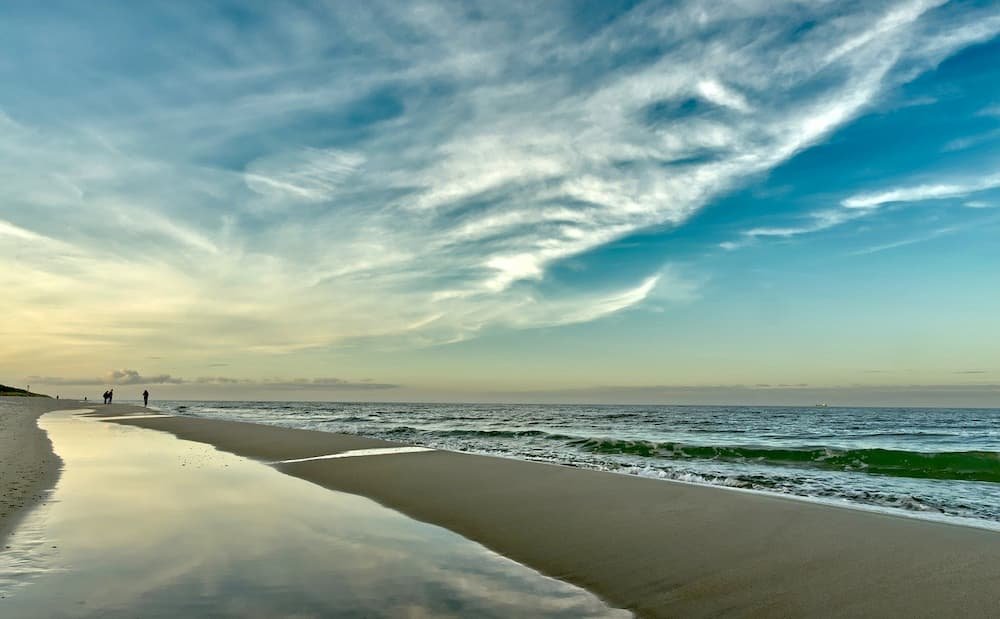
Plunging into the Baltic Sea, the Hel Peninsula is a popular destination for kitesurfers and windsurfers. The location of this place makes it perfect for these water activities.
Chałupy is well known for its reliable breezes and beginner-friendly shallow seas. More difficult waves are available at Jastarnia, making it a good choice for skilled surfers.
For students of various skill levels, several schools across the peninsula provide instruction and equipment rental.
The Beskid Mountains offer great paragliding conditions because of their broad expanses and undulating slopes.
A popular destination for novices and experts alike, ſar Mountain provides breathtaking vistas of the surroundings.
To gain a sense of the sport, novices have to think about doing a tandem flight with an instructor. Skilled paragliders can benefit from the steady thermal currents and stunning views.
Central America is a vibrant region brimming with cultural festivities and unique events. From colorful parades to traditional rituals, there's always something happening that will make your trip unforgettable. Discover the most exciting festivals and plan your adventure today!

Central America offers a treasure trove of lively festivals and culturally rich events that you won't want to miss. These celebrations provide an authentic glimpse into the region's traditions, history and communal spirit. Whether you're seeking adventure or cultural immersion, these experiences are sure to leave you with lasting memories.
In Guatemala, the Day of the Dead is celebrated with unique customs and traditions that set it apart from other regions. On November 1st and 2nd, families gather to honor their deceased loved ones through various activities such as kite flying, grave decorating and offering food. One of the most notable events is held in Santiago Sacatepéquez, where gigantic kites are flown to communicate with the spirits. Visitors are drawn to this spectacle as it offers a profound insight into Guatemalan beliefs about life and death.

Attending the Day of the Dead celebrations in Guatemala is a deeply moving experience that allows visitors to connect with the country's rich spiritual heritage. The festivities are not only visually stunning but also emotionally profound, as they reflect the community's strong bonds with their ancestors. Visitors who are seeking to visit Guatemala and explore this trip or others like it can participate in the creation of elaborate altars, known as "ofrendas," which are adorned with flowers, candles and personal mementos. This act of remembrance is a powerful reminder of the enduring love and respect that Guatemalans have for their departed loved ones.
One of the most exhilarating events in Central America is the La Ceiba Carnival in Honduras. Held annually in May, this festival is a week-long celebration featuring parades, concerts and traditional dances. The highlight of the carnival is the Gran Carnaval Internacional de La Amistad, where you can see spectacular floats and costumes. To truly understand the essence of this event, you must immerse yourself in its vibrant atmosphere. This carnival not only showcases Honduran culture but also brings together people from all over the world.
La Ceiba Carnival is more than just a party; it's a celebration of life, friendship and unity. The festival brings together people from different walks of life, creating an inclusive atmosphere where everyone is welcome. Visitors can enjoy traditional Honduran cuisine, participate in dance workshops and join in the lively street parties. The carnival is an excellent opportunity to connect with locals and learn more about their culture and way of life.
Every year, El Salvador comes alive during its August Festival, a month-long event dedicated to celebrating the country's patron saint, Jesus Christ. This festival is marked by religious processions, fireworks and traditional music. It is an important event for both locals and visitors because it encapsulates El Salvador's rich cultural heritage. The celebrations also include colorful parades known as "Desfile del Correo" which are a treat for anyone interested in experiencing local traditions up close.

Costa Rica's International Arts Festival is a biennial event that attracts artists from all over the world. Held in San José, this festival features a diverse range of performances including theater, dance, music and visual arts. What makes this festival particularly relevant is its focus on promoting cultural exchange and artistic expression. For those keen on exploring different art forms while traveling, this event offers a perfect opportunity to do so.
Each of these festivals provides a unique window into the heart of Central America's diverse cultures. Whether you're drawn by the lively atmosphere or intrigued by deep-rooted traditions, there's something for every traveler. Plan your visit around these events to ensure a truly enriching experience that goes beyond conventional tourism.
The mesmerizing vista of Meteora is a hidden gem of central Greece, where monasteries perched atop towering cliffs offer a glimpse into the past. Dating back more than 15 centuries, monks would seek solitude and divine connection here amidst the breathtaking natural surroundings. The dramatic geological rock formations, paired with the endless array of trails through lush Greek countryside are enough to soothe any restless soul, but there are also plenty of more adrenaline-fuelled ways to enjoy Meteora. If you’re looking for somewhere new to explore, here are three reasons to add this beautiful region to your bucket list.
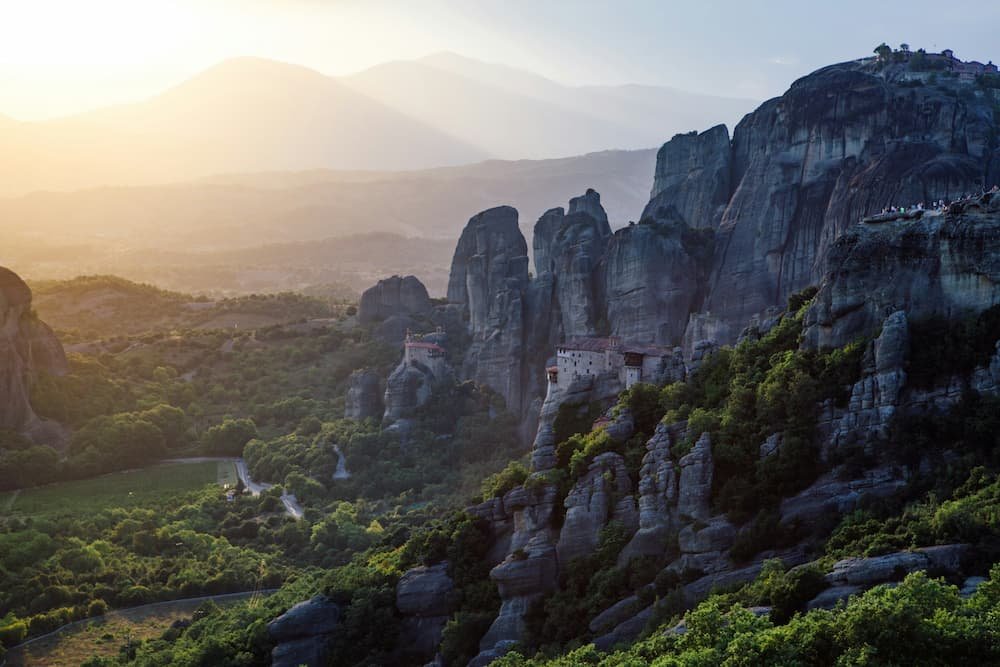
Even if you aren’t a history buff, it’s impossible not to gaze in awe at the architectural magnificence of the iconic Meteora monasteries. Built by monks seeking refuge from political unrest and invading forces, they stand as a testament to human ingenuity and craftsmanship.
The impressive buildings cling to sheer rock faces and access is available via a series of steep staircases, so this isn’t one for the faint of heart. In fact, the men would originally enter the buildings using removable ladders, in order to protect themselves from invaders. However, if you can brave the ascent, you’ll be rewarded with incredible catacombs and historical artifacts, not to mention panoramic views of the towns below and the vast Grecian countryside.
For centuries, this region had been a place of spiritual pilgrimage, and the monasteries served as centers of religious learning and contemplation, attracting monks and pilgrims from all corners of the globe. As you explore the undulating terrain, you can still feel the profound sense of tranquility that fills the air. Whether you’re religious or not, Meteora is a brilliant place to slow down and enjoy a little reflection and soul healing.
There are many hiking trails to consider, but some of the best include the hike to Ypapanti Monastery, a little-mentioned monastery that is closed to the public but still well worth viewing – it is built into the face of a cliff and is particularly picturesque. The trails to Ypapanti are easy, and you can choose a more direct or slightly longer route through a lush forest. Wherever you choose to hike in Meteora, the rich fauna and flora of this unspoiled landscape will leave you speechless.
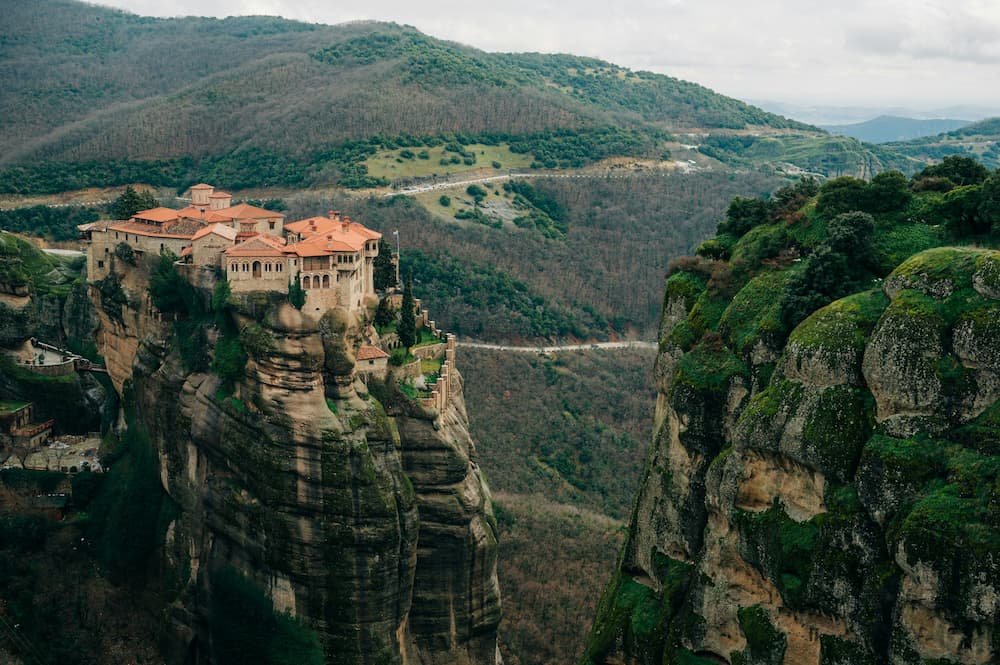
Meteora isn’t just for ancient history lovers and those seeking serene vistas; it’s also a paradise for outdoor adventure enthusiasts. Alongside the plethora of hiking trails, you’ll find rock climbing routes, mountain biking paths, horseback riding opportunities, and rafting activities in the technical rapids of the Aliakmonas River.
From tackling the sandstone cliffs to exploring hidden caves, there’s something for everyone in Meteora when it comes to enjoying the great outdoors. Plus, being set in Greece, you can enjoy the warm hospitality of this friendly nation throughout your visit. Relax in a family-run taverna in between adventures, or chat to a local shopkeeper in the village square whilst grabbing some authentic Greek mezze.
Imagine exploring ancient cities, with towering temples framed by lush, dense jungles in Guatemala. The remnants of the Mayan civilization offer a treasure trove of rich archaeological sites. These are ideal for those eager for both adventure and history. Whether you're a seasoned backpacker or a first-time explorer of non-typical tourist routes, preparing for this journey can be exciting.
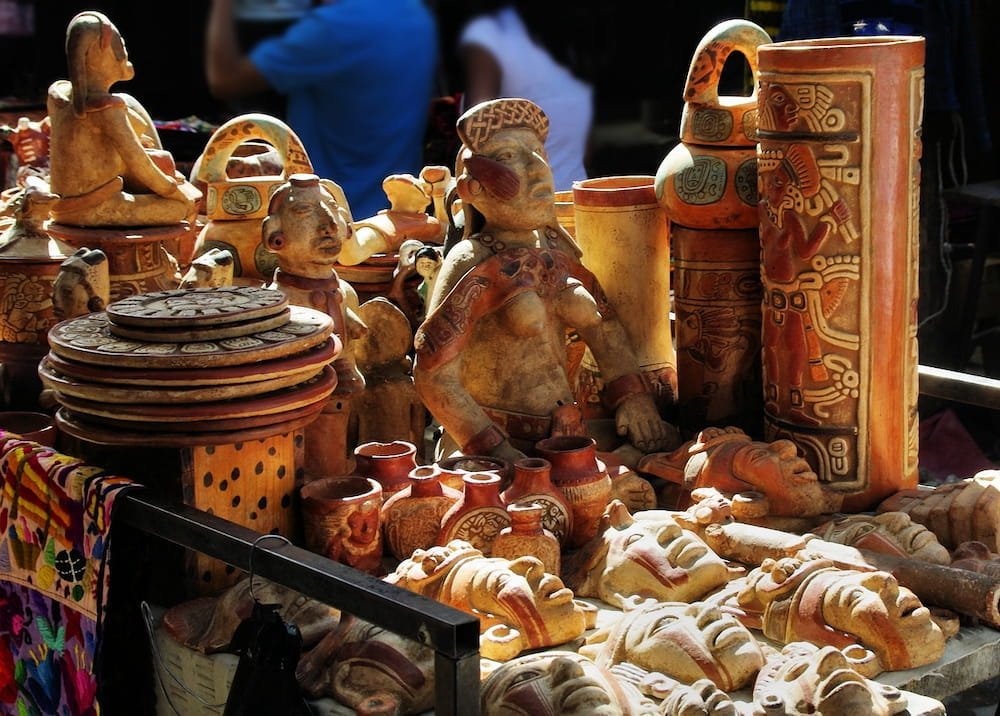
But check this out – Guatemala is a hotspot for eco-tourism, with many options for travelers seeking adventure amidst the beauty of nature. Consider incorporating spelunking tours into your itinerary to explore hidden caves and underground rivers, or embark on a thrilling hike up volcanic mountains for breathtaking vistas. Here are essential travel tips and insights to guide you through your adventure.
The core areas of ancient Maya, known for their historical and cultural significance, span across Guatemala's northern regions and highlands. Key sites include Tikal, the colossal city in the northern rainforests, and the lesser-known Yaxha and Nakum. Heading south, Quirigua displays intricate sandstone carvings worth a visit. For those interested in contemporary Mayan culture, the Ixil Triangle offers a view into ongoing traditions and daily practices.
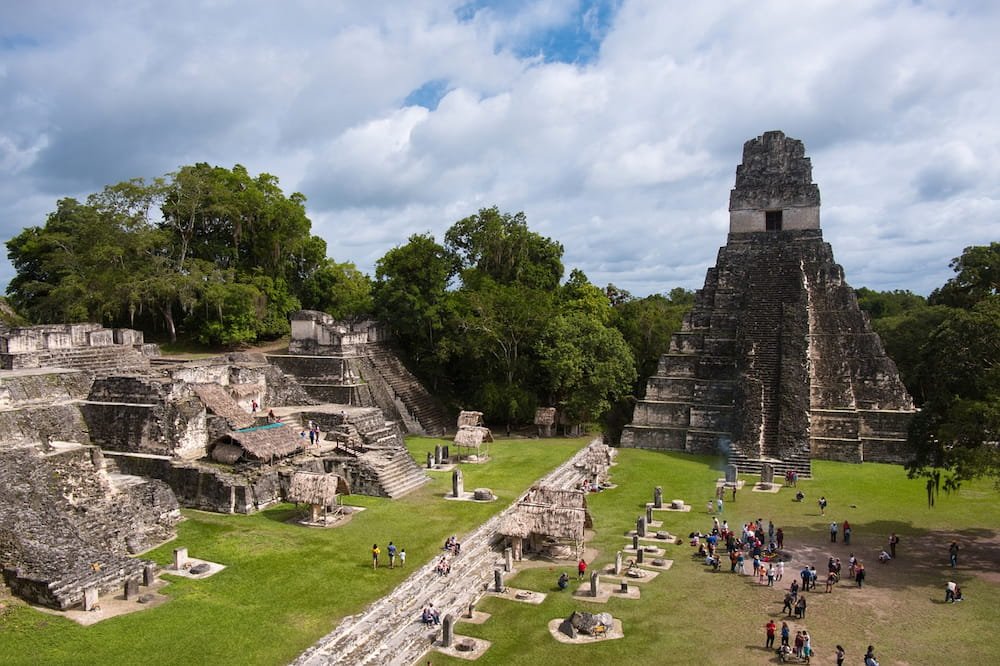
To fully grasp the magnificence of the Maya civilization, consider dedicating ample time to each site. Tikal, for instance, deserves at least a full day to appreciate its vast expanse and towering temples. Climbing to the top of Temple IV, the tallest pre-Columbian structure in the Americas, rewards you with a breathtaking panoramic view of the surrounding jungle canopy. The ethereal experience of watching the sunrise or sunset from this vantage point is an unforgettable highlight for many travelers.
Choosing the right time for your visit enhances the experience. The dry season, between November and April, presents the best conditions for exploring jungles and ruins comfortably. This period minimizes the chance of rain interrupting your explorations. Additionally, consider aligning your visit with local Mayan events such as the Wayeb' or the Rabin Ajaw festival in Cobán to see vibrant, cultural celebrations.
While the dry season is ideal for outdoor exploration, there are benefits to visiting during the shoulder months of May and October. During these times, you can expect fewer crowds at popular sites, allowing for a more intimate experience with the ancient ruins. The occasional rain during these months can also enhance the lush beauty of the jungle landscape, making for some truly spectacular photo opportunities. Just be sure to pack a lightweight rain jacket or poncho to stay dry during any passing showers.
Venturing into Guatemala's rural areas, where many ruins are, calls for careful planning. Public transportation is infrequent in remote zones. It is beneficial to organize your travels through local providers who include transport, guides and meals. Prioritize your safety by staying informed of the latest travel advisories. Essential items to pack include insect repellent, a first-aid kit, sun protection, and plenty of water. Respect local customs and environmental rules to preserve these historic sites.
Learning a few key phrases in Spanish and the local Mayan language can go a long way in facilitating meaningful interactions with the local communities. Simple greetings, expressions of gratitude, and basic questions can help bridge cultural gaps and demonstrate your respect for the people and their heritage. Many locals appreciate the effort to connect, even if your language skills are rudimentary. Carrying a pocket phrasebook or downloading a language app can be helpful tools in navigating these interactions.
To fully experience the Mayan regions of Guatemala, immerse yourself in its living culture. Participate in local activities like traditional cooking classes or weaving workshops—these not only deepen your appreciation but also support the local economy. Festivals offer a profound way to enjoy authentic expressions of the community through dance, music, and cuisine.
Armed with these guidelines, your journey through the ancient Mayan landscapes promises to be both thrilling and enriching. This adventure will surely provide more than just photos; it offers memories that will last a lifetime.
Everyone can live out their own fairy tale at Disneyland. Everyone can find something they like to do in this park and feel like they're back in their youth. But how can you enjoy your trip without being too busy? This full guide will show you how to get around Disneyland with kids, point out the must-see spots, and give you family-friendly tips to make the trip more fun for everyone.

Disneyland has become the undisputed leader as a park with the best attractions and shows. "Many other parks, such as a theme park in China that was supposed to compete with Disneyland, have failed and closed their gates to visitors." - writes TravelWise.
It's important to plan your trip to Disneyland with your kids well so that you have the most fun and the least amount of stress. You should become familiar with the park's layout by studying the maps available on the website or in the Disneyland app. This will help you figure out where the must-see sites and places to eat are, so you can get around quickly. It is important to correctly adjust the time for the trip. To reduce the time you have to wait at the attractions, it is better to choose weekdays. Also, don't forget to use the Disneyland app to save a lot of time. It keeps track of ride wait times and shows real-time park updates. It also has an easy-to-use food ordering tool that makes shopping for food more convenient. TravelWise says that if you plan ahead, your family's trip to Disney will be magical and easy to handle, so you can focus on making experiences with your kids that they will never forget.
The two main parks in Disneyland Resort are Disneyland Park and Disney California Adventure. You can save your time by getting to know these parks better by looking at maps of them online. Figure out which sights and entertainment areas are the most important for you to see first.
Time is very important. Wait times can be cut down by a lot if you go during the week or an off-season. To get to the most popular rides before everyone else, get there early in the morning when the gates open.
For young children, Fantasyland is the heart of Disneyland. This is where fairy tales come to life. It's a must to see "Peter Pan's Flight" and "Dumbo the Flying Elephant." The impressive animatronics on the newly remodeled "Alice in Wonderland" ride give it a fun new twist.
To keep your kids interested, you need to visit Mickey's Toontown. Any child would love to visit Mickey, Minnie, and their friends at home.
Tomorrowland is both exciting and charming in a future way. When kids use "Buzz Lightyear Astro Blasters" to shoot lasers at Zurg, they can feel like they're in space. You shouldn't miss the "Finding Nemo Submarine Voyage" either. Anyone can enjoy it, whether they are a kid or an adult.

At Disneyland, the live shows are a great way to relax and see some amazing shows. The story of Elsa and Anna is told in a way that you will never forget in "Frozen – Live at the Hyperion" at California Adventure. It is on par with Broadway shows.
You can't spend a day at Disneyland without seeing at least one show. Kids of all ages will love the "Main Street Electrical Parade" because of its bright lights and sounds. "Fantasmic!" is also a show that happens at night and mixes fireworks, characters, and real actors to make a spectacular fantasy.

Disneyland can be too much for both kids and adults. There needs to be regular breaks. To relax, look for places with less noise, like the "Redwood Creek Challenge Trail" in California Adventure. It's important to stay hydrated and use sunscreen often, especially on hot days.
The Child Swap or Rider Switch services can help you enjoy some of the bigger rides even though you have little ones with you. While the other parent waits with the child, one parent can ride. When it's time to switch, neither parent has to wait in line again.
You might want to book a character dining experience instead of waiting in line to meet a figure. This way, your kids can meet figures in a less tense setting while they eat.
It doesn't have to be scary to go to Disneyland with kids. Your family can have a magical and unforgettable day at this famous amusement park if you plan ahead, pick the right rides, and follow some secret tips. Do not forget that Disneyland is more than just rides and shows. It's also about the beautiful times you spend with your family. So enjoy the magic, go on the journey, and make memories that will last a lifetime!
Whoever thinks of Spain and Morocco can easily realize they are different nations. However, there are certain cultural elements they have in common that make them two destinations that can be visited one after the other to enjoy a complementary, yet unique cultural, scenic, and culinary experience.
If you are already in Andalusia, and think there are many more things to see, we recommend you go a little further. Morocco is just a short distance away and on a ferry, you can be in a very short time visiting a unique and interesting country. For this reason, we have created for you a complete guide to tourism that includes the places you can not miss in the south of Spain and the north of Morocco.
If you want to make a summer trip like no other, we recommend that you take a complete tour of Andalusia, and when you finish you go to Morocco. Although this trip may seem too long, in reality, it is not, because you can go on a ferry from Tarifa to Tangier. With this ferry, you can be in Morocco in just 1 hour to enjoy a new culture and customs.
Although it may vary, the price of this ferry is usually around 40 euros each way round trip. An excellent thing is that during the day there are several departures. You can leave very early in the morning and be back in Spain, if you wish, on the same day after visiting some of the most iconic sites in northern Morocco.

The whole of Andalusia is a true wonder. This place has the most beautiful and magical places you can imagine. Andalusia is full of monuments, architecture, and emblematic beaches. That is why we will leave you some places you can not miss.
If you are making a complete tour of Andalusia, one of the first places you should visit is the Real Alcazar of Seville. This has received the classification of World Heritage Site and is also the oldest royal palace that exists in Europe. It is undoubtedly an architectural jewel and an example of the architecture of the time.
If you are looking for beautiful monuments, La Alhambra is just what you need to see. It is one of the most beautiful in the region and stands as one of Andalusia's best-kept treasures. You can stroll through the courtyards, connect with the Nasrid art and of course, soak in the Andalusian culture and life.
In 1980, the Doñana National Park was classified as a World Heritage Site by UNESCO. This is one of the most important natural sites in the world because you will find a variety of flora and fauna that you can find in very few places. This park serves as a refuge for thousands of species, and the landscapes are magnificent.
This could be without problem the end of your trip through Andalusia. Remember that in Tarifa you can take the ferry to Tangier, but first you can't miss Bolonia. This is one of the great jewels of Cadiz because it gives you an earthly experience close to paradise.
The beach and the magic you feel in every wave in Bolonia are fantastic. There is a lot to see there, and we recommend you to take your time to enjoy it and enjoy everything. And if you go in summer, you will have to have some patience, because the beach gets very crowded.
Now, what you can never fail to do is to take a dip in its crystal clear waters to recover your energy, because this is the most precious jewel of Andalusia.

For years, people have been talking about the culture of Morocco. This is a very varied territory, as you can ski, go sightseeing in the mountains, go to the beach and almost anything you want. That is why it is one of the most striking destinations you can visit, and here we will tell you which places you can not miss on your vacation.
Chaouen is a town that is known in different ways. The most common is “The Blue Village” but it is also referred to as “The Pearl of the North” and the truth is that it is an excellent name. This is one of the magical villages of Morocco that you can not miss. The whole place is full of white and blue houses that give an unparalleled beauty to the site.
If you are an architecture lover, you can't miss this place. Every inch of the structures of the houses is a mixture of culture and tradition that you will love, so it is the first thing you should visit.
If you' have no problem're able to travel a little further, you can go to Asilah, which is a fairly small town located between Tangier and Rabat. The interesting thing about this place is that it has an important Portuguese influence that can be seen in its architecture and culture.
In addition, it is the perfect place to go in summer, because the weather is great, and although it is very crowded, it is manageable. The best thing is that you will also be able to taste a bit of Asilah's tradition, as its dishes made with fried fish are unmistakable and unmissable during your visit.
If you have no issue getting a little further afield and heading up into the Middle Atlas Mountains, you're sure to love Ifrane, or “The Moroccan Switzerland”. In Morocco, you can usually expect intense heat, relentless sunshine and wonderful summer weather. And although there are many places for that, there is also Ifrane which is a place that is located at 1713 meters above sea level and is known as the little Switzerland.
An excellent thing is that you can visit Ifrane both in summer and winter. Throughout the year, you can do different fun activities, including excursions that will show you around or allow you to go skiing.
