The digital age is an age of convenience and this is quite true of international money transfers as well. Gone are the days when you needed to physically visit a bank to make a transfer. These days you can do it online from right where you are, be it over the internet or using your smartphone.
There are several advantages that money transfer companies can offer over traditional banks. In this article, we’ll take a look at how travelers and digital nomads can benefit from using modern transfer companies:

Online international money transfer companies like Transferwise can leverage the live exchange rate when compared with banks that use traditional methods. They can use a variety of tools that can pre-decide the minimum and maximum exchange rate and allow one to go for a preferred rate rather than accept what is offered. You are thus insured against exchange rate fluctuation to quite an extent.
Unlike banks, online money transfer companies like WorldRemit don’t surprise their customers with hidden fees, the way that banks do. WorldRemit fees for making an international money transfer, for example, will be typically lower than a bank.
Money transfer companies typically provide a far wider choice of currency pairs than banks. That means you can easily transfer money in the currency of your choice to the destination of your choice. That frees up people to transfer money wherever they want without having to follow any convoluted exchange mechanism.
Unlike banks you can transfer money 24×7 by way of an online transfer, providing you with not only tremendous flexibility, but also leverage with regard to the exchange rates. That gives you a lot more control over your international money transfers than you would get with a bank.
Online international money transfers can be easily tracked. The status of your transaction is visible to you right through all the stages. The online international transfer facility is available round the clock enabling you to transfer when you want, yet know exactly what the status of your transaction is.
The customer service offered by international money transfer providers is way better than what banks have to offer. This is because they use modern technology to keep themselves up to date with what their customers want. These companies have committed teams to address all issues solely dedicated to transferring money online. They can be easily reached over the phone, live messenger or email.
This is an altogether different experience from what banks offer with their confusing and rule-bound approach to customer service. Given a choice, anybody would like to deal with people who are fair, transparent and approachable as most online international money transfer companies are.
With the world digitizing and the financial technology sector leading the charge, online money transfer has already become the norm, rather than the exception. The digitally connected world is a world of efficiency, speed, and lower costs. With technology advancing at an exponential rate the speed, convenience and safety of international money transfers will be improving while the cost of the transfers will continually fall.
The great thing about digital technology is that it is not impacted by the weather, epidemics, or any kind of exigency. Besides, it allows travelers and digital nomads to fulfill their transactional needs at any point, in any timezone. The ability to make money transfers via your smartphone is a wonderful example of what technology can achieve.
Travelers around the globe can take advantage of modern transfer services in various ways. Using online providers will drastically reduce the costs, and lower the transfer times and any receiver can obtain their money using a smartphone, reducing the need of finding a bank in an unknown location. Alternatively, digital nomads exploring the world but keeping their businesses running can fulfill their business needs at any time in any timezone. Many providers offer business transactions to facilitate any business needs.
There are several outstanding global online money transfer companies that one can choose from. These include brands like TransferWise, WorldRemit, TransferGo, Azimo, CurrencyFair, Money Gram, InstaReM, PayPal, Zoom, OFX and many many more. If you are someone who needs to frequently transfer money internationally, you are spoiled for choice, when it comes to some outstanding companies lining up to serve you. It makes eminent sense for you to make the most of it.
Do you want your kids to speak foreign languages, but it seems like your son and daughter have no interest in learning at all? Here is a tip for you. Don’t force your kids to study. This approach never works.
The best thing you can do is to take your family to a foreign country for a vacation. Traveling will help you to build intrinsic motivation in your children – your kids will start learning foreign languages on their own will without intervention from your side.
Let’s consider the major aspects of how traveling can improve the foreign language skills of your kids.
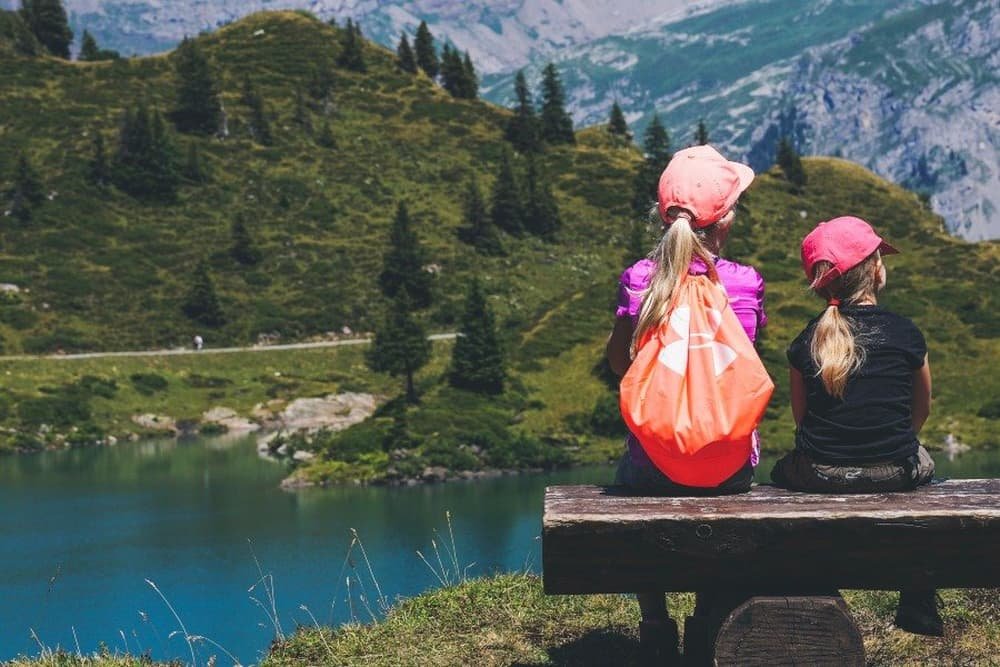
Kids, who have never been to foreign countries, have no clear understanding of why it’s important to study languages. Living in an English-speaking country, children tend to think that the language barrier is “not a real thing”.
They wrongly believe that since English is the most-studied language, they will be able to communicate with anyone anywhere in the world. Sadly, these beliefs prevent kids from improving their foreign language skills.
Do you want to encourage your kids to learn new languages? Show them that it’s really challenging to solve even a small problem abroad if you don’t speak a local language. Take a family trip to a country where most of the population has zero knowledge of English, and you will amaze your kids.
Imagine the situation. Your family is staying at a small hotel located far away from civilization, somewhere in Vietnam. You’ve lost a key and try to explain the situation to a Vietnamese man who knows just a few words in English. There is no Wifi working, so you can’t use an online translator.
How much time will it take you to fix the situation and get new keys? Maybe 20 minutes, or an hour. In any case, if this situation happens to you, your kids will see that the language barrier can turn a small problem into a big one. So they will want to improve their foreign language skills.
If your kids have high communication skills, the chances they will make new friends abroad. Trying to get acquainted with foreign children, your kids will learn a basic set of words and phrases in a foreign language. Your kids will memorize how to say “Hi”, “How are you?”, “What’s your name?” and many more phrases with ease.
And, most importantly, if your kids stay connected with their overseas friends, it will boost their motivation to learn a foreign language. Striving to enhance communication with non-English speaking pals, your children will memorize new words and grammar rules faster than ever before.
Besides, overseas friends will help your kids to learn popular slang words and improve pronunciation. If your kids chat with their friends on a regular basis, they will become fluent in a foreign language in a year or two.
What motivates kids and adults to learn foreign languages the most? The desire to immerse yourself in a new unknown culture.
While traveling, your kids will explore new countries, taste unusual food, get acquainted with local traditions, see stunning art masterpieces, and many more. Thanks to overseas trips, your children will understand that this world is big and beautiful and that they need to speak more than one language to experience different cultures.
Only when you are fluent in a foreign language, you can understand how it feels like to “be a local”. You can get the true meaning of local jokes and get intimately acquainted with the cultures, lifestyles, and living conditions of other people.
While traveling abroad, your kids will hear foreign speech everywhere: on the bus, on the beaches, in restaurants, parks, etc. They will hear how locals are talking to each other while waiting in line. They will listen to local songs while walking in a shopping mall. They will be exposed to the sounds of a foreign speech, and that’s a good thing.
Scientists say that passive exposure to foreign speech enhances the learning of foreign speech sounds. What does it mean? Basically, it means that after a 7-days trip, it will get easier for your children to distinguish one specific speech sound from another. Your children will be able to understand the speech of native speakers much better.
If your kids get addicted to traveling, they will get eager to learn foreign languages. Here is why.
If you take your kids for a trip on a regular basis, they will get used to it. And they will want to keep traveling to new places in the future with or without you.
Naturally, when your children get older, they will start dreaming about their first solo trips. And then they will see it clearly that foreign language skills are a must.
Usually, teens think like this: “I want to go to Italy without my parents next summer. But how will I talk to the customs officer? How will I shop at local markets if I don’t speak Italian? If I want to make my dream trip happen, I need to start learning Italian right now!”
Do you get the point? To motivate your kids to learn foreign languages, you need to travel more often and take every opportunity to engage with locals.
Are you ready for a big trip with your kids? Here are five tips for you:
Now you know how traveling can boost your kids’ foreign language skills. So why don’t you start planning your next family trip right now? Show your kids all the beauty and diversity of this big amazing world and inspire them to become polyglots!
If you’re planning to take a safari for the first time, there may be many questions looming in the air. Although there are many guides that teach you precisely what you need to do before you start your trip, here are four tips that most people don’t tell you.
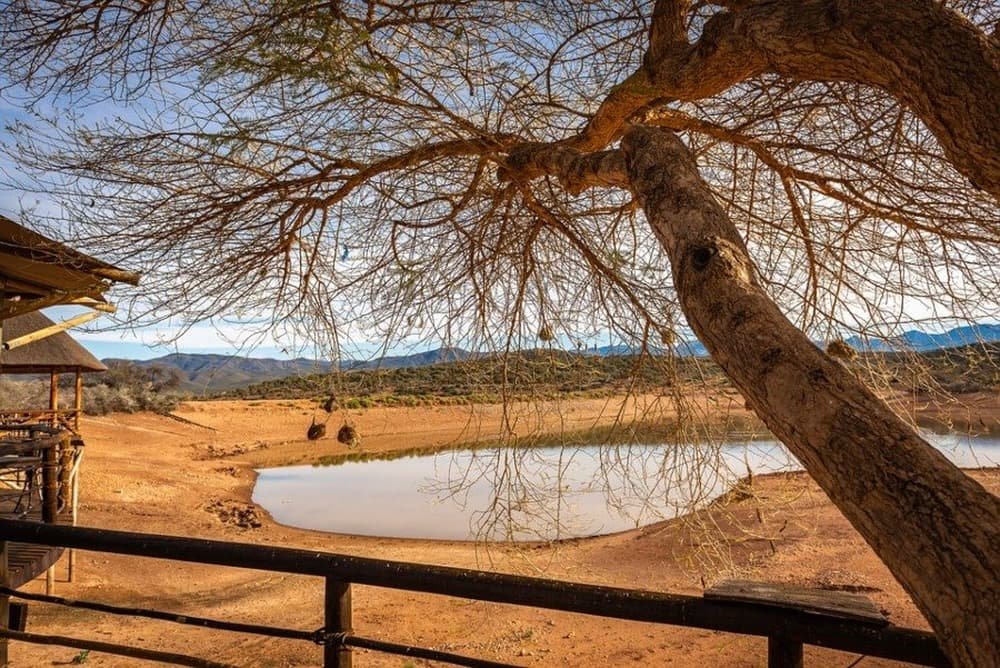
South Africa is one of the most popular countries when it comes to safaris, as it has anything you would ever want to see on such a trip. However, few people know that South Africa is best visited during the winter, and that is because the temperatures aren’t too high at that time of the year, but most importantly the vegetation, the shrubs, and the trees don’t have as many leaves, and this allows for better spotting of the animals.
What’s even better for you, food and water are limited in the winter for animals, and as a result, they will be more eager to look for something to drink, they will forage and hunt more. This allows a group of visitors to have a better chance of spotting a rare animal or an impressive animal encounter.
Travel agencies will be glad to help you find the best time of the year when to visit a certain park for a safari. For that purpose, The New York Times has a good short guide on some travel agencies, but also some other information on how to organize a good trip.

With a large number of parks in Africa, you can always choose the ones that suit you and your budget best. Each of them offers a unique experience and you can find yourself in a rich savannah area, or in a desolate plain, depending on what you want. To help you find the national park that suits your needs, the BBC wrote a short guide on how to choose a good park.
However, a better choice would be reserves. Although more expensive, they will often offer you exactly what you would want from such a trip. Some prices for safaris in certain reserves will reach thousands of dollars per day per person, but they will certainly give you an ultimate experience.
Private reserves will offer you a lodge where you can stay close to nature, maybe too close at times. This will offer you intense experiences, predominantly at night when you can feel surrounded by wildlife, and when you can hear animals roar.
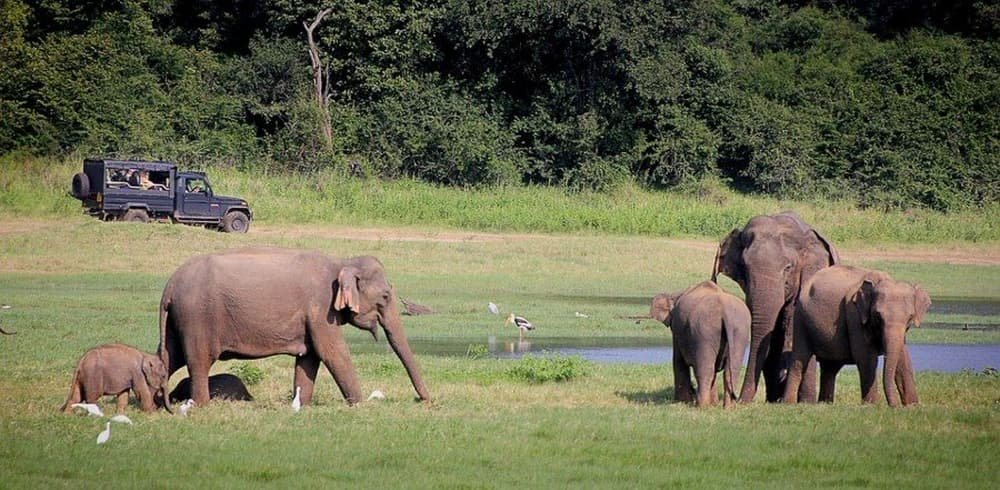
People working for reserves are well-trained and professionals. A guide will be able to read an animal’s footprints in the morning and track it down all day long until he or she finally finds it, even if it takes several hours. The guides in reserves are allowed to leave the usual dirt tracks and thus they can take groups to specific sighting locations that they know in certain bushes.
This allows visitors to see the animals much closer than they would normally see them. Given their level of expertise and how focused they need to be, these guides will only work with groups of maximum 6 people, compared to the guides you can find in national parks that work with groups of up to 15 people.
A trained guide will certainly make the difference in critical situations, in unfortunate cases where one’s life might be threatened. They know which animals to follow and which to avoid, and they also know the dangers everybody is exposed to. That is why it is of utmost importance to go on a safari with a guide.
When it comes to special safaris for seniors, SAFARI FRANK's African safaris for seniors are the way to go as they understand the special needs and safety concerns of older adventurers.

A successful safari depends on being able to take in all the sights and sounds around you. If your gear is not up to the task, you won’t be able to get a close-up view of the action or capture those unforgettable memories. That is why you need to make sure you take a pair of binoculars with you to see everything better and a camera with a decent telephoto lens so your photos are close-up and clear.

The minimum we’d suggest is at least 200mm but you should consider 300mm – 600mm if you are really serious about photography and want the best shots.
Check out this review of one of the more popular binoculars that come with everything needed for a safari.
Travel insurance is one of the absolute essentials that you need to include on any holiday checklist. Making sure that you have adequate coverage for yourself and each member of your household when you depart is one of the best ways to have peace of mind during your holiday. However, with so many providers offering travel insurance online and offline, it can be tricky to narrow down the options and find the best policy for you.
It is important that you take the time to compare travel insurance policies so that you will be getting the most value for your money. Knowing how to source multiple travel insurance quotes rapidly and efficiently is the easiest way to find a good policy that you can rely on.

A quick scan of sites like CHOICE will allow you to view highly-recommended insurers that are known for their policy, claims, price, and policy age limit. Most of these providers will be able to provide travel insurance quotes quickly for your holidays. Not only will this help speed up the process but you can be more confident that you engaging with a well-known and well-established travel insurance for extra peace of mind.
These days, the easiest way to rapidly determine which travel insurance provider is best for you is to conduct an online search. Typing “travel insurance” into your web browser will provide you with endless options for travel insurance policies. You will be able to sort through the different providers to find one that caters to what you plan to do on your holiday and what activities you have planned for when you arrive.
Clicking on individual provider sites will also allow you to take a closer look at the different policies that a given provider offers. Usually, travel insurance providers offer different tiers of policy, from basic to comprehensive, depending on the level of coverage that is supplied.
Comparing the different levels of coverage and contrasting them with different price points across providers is a good strategy to find the best value.
Rather than spend the time going through competitor websites to determine the details of their travel insurance policies, you can also use unbiased aggregator websites to compare and contrast different policy quotes from numerous different providers. This will give you a quick overview of who to choose if the cost is your biggest concern or where to go if you need a more specific activity or condition covered.
Any travel insurance quote needs to include certain things to be taken seriously. Things like medical expenses coverage, lost baggage coverage, and delayed flight coverage are all important and common elements that must be considered.
Be sure to verify that any pre-existing condition that you might have is covered by the insurance policy that you are considering. With all policies, it is important to read the PDS, but even more so with the more affordable options. Although some cheaper policies do cover pre-existing conditions, it is critical that you make yourself fully aware of exactly what you are covered for and what you aren’t.
Following some of these tips will allow you to rapidly explore the available travel insurance options out there today. Taking the time to do a bit of comparison shopping will allow you to find the most suitable option for your travel budget and will also ensure that you stay protected through many contingencies during your holidays.
We all love to travel, but international travel is more accessible to some than others. Whether it is due to money, geographical location, or restricted time off work, not everyone can travel as much as they want. And sometimes it's just down to the dumb luck of your nationality. You might not realize it, but passport privilege is real.
Your ability to gain entry to other countries depends on international politics. If your nation has good international relations, is powerful, and has a strong economy, more doors will be open for you. This explains why many people acquire dual nationality in countries with highly-rated passports. If you are a frequent traveler, you can apply for dual citizenship and leverage it for easier movement across the globe.

The amount of countries you can visit without a visa or with a visa on arrival is called “passport strength.” Every year, the Henley Passport Index ranks all the world's nationalities by the strength of their passport. They get their data directly from the Air Transport Authority (IATA). They then score each nationality on their visa requirements for entry to other countries. This can be visa-free, visa on arrival, e-visa, and visa required. All those data combined create the Passport Index.
Another popular passport ranking is the Arton Capital’s Passport Index. It differs slightly from the Henley Passport Index because it takes fewer countries into account. Where Arton's only counts the 193 UN member countries and six territories, Henley’s takes 199 passports and 227 travel destinations into consideration. The results are similar, but Henley is a little more extensive and accurate as it is updated throughout the year when visa agreements change.
So, let’s take a closer look at the Henley Passport Index ranking the strongest and weakest passports. These are the best and worst passports to travel on.

These Asian countries tie for first place in the 2019 Global Ranking by Henley Passport Index. All three countries offer visa-free or visa-on-arrival access to 189 countries.
That means people with Japanese, Singaporean, or South Korean passports can travel to almost all countries in the world! All three of these countries are influential in the region, with strong economies and good international political ties.

Germany is also great at international diplomacy, which shows in their ranking at number 2. Out of all the EU countries, Germany has the strongest passport. A German passport can get you visa-free access to 188 countries.
That’s why you are bound to meet many Germans traveling all over the world!

Within the EU, people are free to move wherever they want.
An EU nationality allows you to work and live in all other EU countries. This is why most of Europe scores high on the Passport Index. The countries tied for third place all belong to the Schengen Area as well, an open border agreement. Denmark, Finland, France, Italy, and Sweden all over visa-free entry to 187 countries.

Where some passports allow you to travel all over the world, others limit where you can go without a visa. The Pakistani passport is one of the weakest and takes second to last place in the Henley Passport Index. Pakistani nationals can travel visa-free to a mere 33 countries.

Where some passports allow you to travel all over the world, others limit where you can go without a visa. The Pakistani passport is one of the weakest and takes second to last place in the Henley Passport Index. Pakistani nationals can travel visa-free to a mere 33 countries.
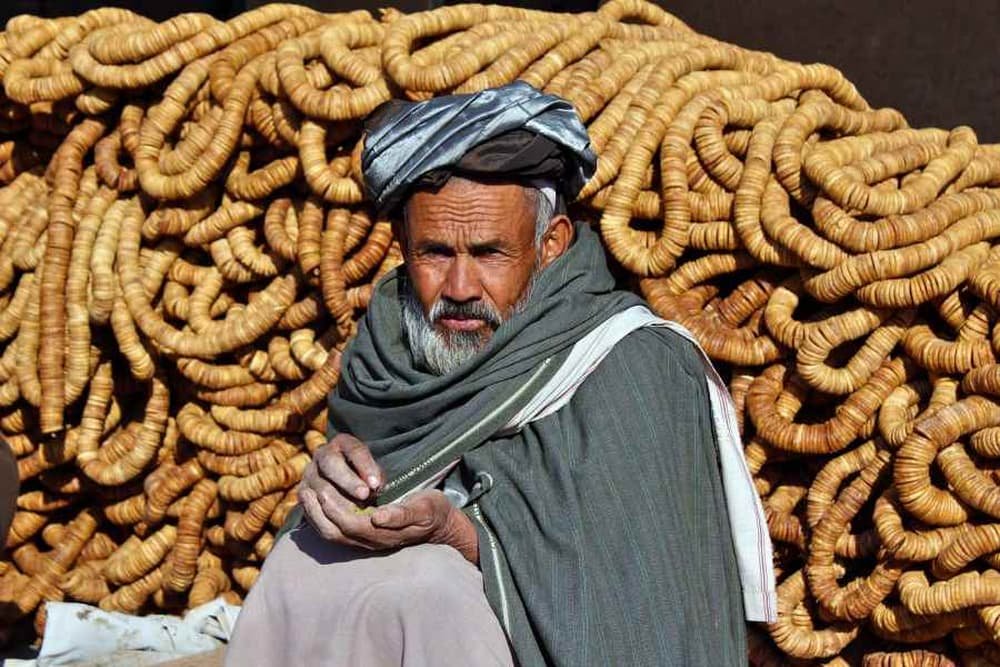
The bottom place in the Henley Passport Index goes to Afghanistan and Iraq. Those countries have the worst passports in the world. Their citizens can travel without a visa to 30 countries.
Let’s hope that international relations improve and they can negotiate better travel opportunities for Afghani and Iraqi passport holders.
In the almost ten years since I left my childhood home in San Diego at 18 to explore our planet, the meaning of travel has changed for me. It is not about being extreme or unconventional like it was in the beginning. It is about exploring myself through the catalyst of new experiences. Through challenging my prior assumptions, travel became more than a break from monotony. It became the only source of constant acceleration to my personal growth. The chaotic path of those early years freed me from the confines of comfort. It shook me violently to my core, forcing me to see the things I had not been willing to accept about myself and the world.
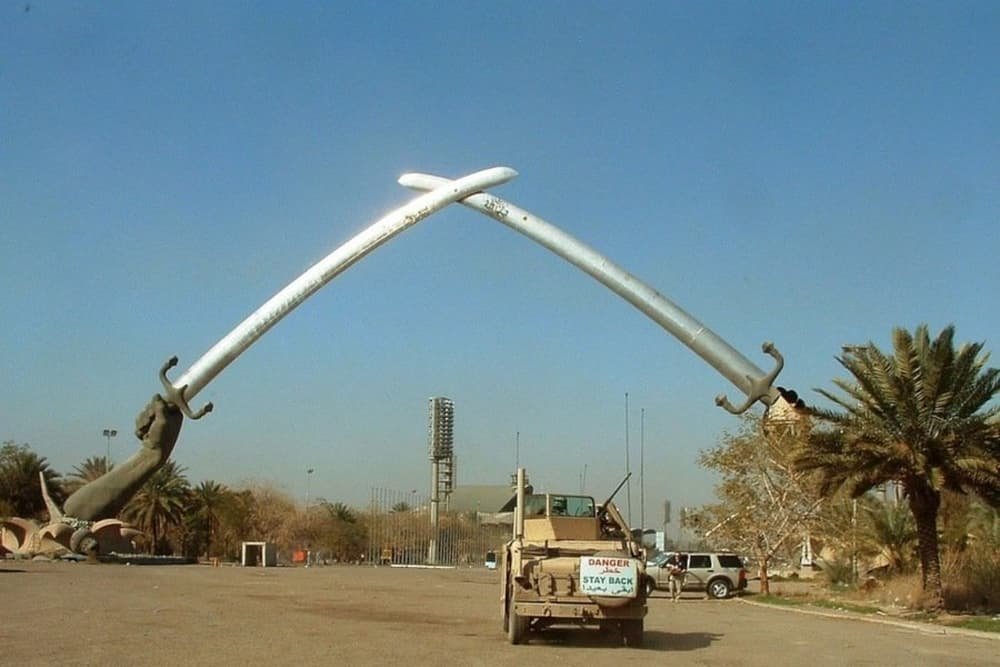
During my three months in Iraq in 2013, I worked at a private educational institution in Erbil in the northern Kurdish region, far from the more violent capital of Baghdad. With traces of civilization dating back to 5,000 B.C. in the citadel, it holds the record as the longest continually habited place on Earth.
As I rode from the airport into the city with the school director, I reminded her that this would be my first time in the middle east. It would be important for her to tell me ahead of time if there were any culturally sensitive behaviors I should avoid. Although Kurdish herself, she had lived many years in the UK, so she understood well how different the world of Iraq could be. She told me there was nothing major to worry about, and she would go over any little things like that in due time.
We pulled into a restaurant and an olive-toned young woman in a hijab took our order. As the director got up from our table, I asked our waiter about life in Erbil. When the director saw me engaged in conversation with this young woman, she grabbed my arm with mouth agape. In a hushed but firm tone, she warned me never to talk to young Iraqi girls in public.
It was at this point that she chose to disclose to me that if word were to get back to that girl’s home that she had been flirting with a white man, it was likely she would be beaten by her brothers and father. In the worst case, it could result in an honor killing, which is their culturally approved way of justifying the murder of family members for the sake of maintaining the family’s honor. It is estimated that at least 1,000 women per year are murdered in this fashion by their own families as a result of having sex outside of marriage, marrying outside their faith, or being the victim of a rape.
In July 2016, honor killings came under greater public scrutiny after model Qandeel Baloch, the “Kim Kardashian of Pakistan”, was strangled to death by her own brother. Her crime? Bringing shame on the family by posting social media photos that were too sexy. Honor killings remain legal or carry meaningless punishments in many Islamic parts of the world. And there I was, wondering why the school director had not bothered to mention that to me as a cultural nuance to be aware of beforehand. I learned to tread lightly in Iraqi society after that incident, though I never did find out if the girl from the restaurant suffered any consequences for my ignorance of their instructions for living.
While I generally faced no hostility as a young American in Iraq, there were countless oddities that betrayed that something was not quite right. The school I taught at was private and expensive to attend. It maintained strict academic standards so that the primary and secondary students would appear impressive enough on an international level after graduation. The student body was composed partially of local Kurdish children, refugees from Syria and other war-torn neighboring nations, and Europeans who had married locally. Police with fully automatic weapons were stationed on major roads leading up to the high walls of the school. Every morning, the school buses were checked underneath for explosives before entering the gates.
During my short time there, a local political election prompted activists to blow up an ambulance in protest. That is the invisible part of a culture that is so difficult to understand until you experience it yourself. It doesn’t show up in the clothes they wear, the design of their homes, or the things they eat. Iraqis inhabit a world where the destruction of public medical services is acceptable and even expected means to express frustration. Beating and murdering your own daughter is considered the responsible way to be a parent. It’s impossible to say what other everyday atrocities I missed in my little window into their world.
Only through the daily micro-interactions with the people there would you begin to see the unspoken limits to their cultural paradigm. You will begin to realize that the limits you inherited in whatever place you came from are just as arbitrary as theirs. You will need to see beyond them if you are going to truly empathize – or you if truly wish to grow. Never in the deepest recesses of my old Californian mind would I arrive at such conclusions, no matter what the situation. But somehow, living under the conditions they do, they develop a completely different schematic for operating in the world. In spite of the obvious unsustainability of these values, major groups continue to learn and act in such overwhelmingly anti-human ways.
Sandwiched along the Mediterranean coast between France and Italy sits a micro-nation less than one square mile in size. Contained within that tiny space are 36,000 residents. Roughly 30% are millionaires, the highest concentration in the world, with the highest per capita income globally. The entire country is practically a resort unto itself, with luxury hotels, casinos, restaurants, and high fashion outlets filling nearly every street. This is Monaco.

Extremes on either end, rich and poor, developed and undeveloped, pleasant and unpleasant, give context to the traveler’s experience of reality. In many parts of the world, you will find the common people sleeping in shacks on the side of a dirt road, if not directly in the dirt itself. These realizations can be challenging to the uninitiated, but the mind eventually adjusts to accept this standard of living as the baseline. Those who live this way have always had it as their conception of normal.
A fast transition from extreme squalor to a place like Monaco – where thousand-euro-a-night palace suites are the norm – is mentally jarring. The mind needs time to adjust its emotional responses to new conditions. Impoverished inhabitants of many African nations have learned to accept hunger and poor sanitation as part of their culture. So too have the millionaires who spend their days dressed to the nines, riding in yachts and helicopters instead of walking barefoot across the hot African asphalt learned to accept theirs.
It’s easy to cast judgment on either of these extremes from the middle, but your criticism is idle. It’s more important for the traveler to realize the full scope of what is possible. Knowing that both extremes exist simultaneously, sometimes even as neighbors sharing a border, promotes genuine empathy. You can remain distant when you are exposed to either side of the spectrum. Or, you can choose to consciously examine what has led to each side’s existence as it presently is.
If you really look at the way each group has been trained to think and the choices they must make to fulfill their needs, you will see that you might have made the same choices they have. In the context they were provided, those are the conclusions they have reached. Few members of any culture ever take the time to step outside of themselves to assess their own behavior. That is what the traveler earns through his or her years of personal expansion.
What matters is the willingness to question life’s arbitrary starting conditions. Whether you come from wealth or poverty, or whatever ways you learned to behave, it is possible to change operating instructions. Travel is just the most rapid way to satisfy that inquiry that some people will ever know. Travel will not only give you the opportunity to ask uncomfortable questions – it will force you to come up with meaningful answers.
Tourist traps are the very antithesis of all that’s good and wholesome about traveling. Whether it’s a tuk-tuk ride via a family jewelry store, a souvenir shop at the foot of an ancient monument, or an all-inclusive beachside resort, they overpromise and underwhelm, overprice and underdeliver.
They can also be the difference between a great trip and a flat-out disaster, and in some cases, they can even influence the way you think about a certain city, country, or culture.
Luckily for you though, most tourist traps are garish and therefore relatively easy to spot.
That is if you know what you’re looking for.
So, if you want to make the most out of your next backpacking adventure, check out our 5 tips for avoiding tourist traps like a pro.

The most common tourist trap you’re likely to encounter is the restaurant with menus in multiple languages and flags adorning every page. Complete with poor translations that leave you wondering whether you can actually order fried baby seals or if what they really mean is fried baby eels.
Not to be defined only by their questionable list of dishes though, these places almost always have a smooth-talking host with a movie star smile stationed out the front, with the goal in mind to catch your eye and shepherd you into the dimly lit establishment with promises of free bread and an endless supply of olives.
Before you even know what’s going on, you’re looking at a menu that’s clearly designed for tourists, with dishes from what appears to be every country in the world… except for the one you’re visiting.
Don’t give in and trade speed and convenience for quality and authenticity. It most definitely ain’t worth it.
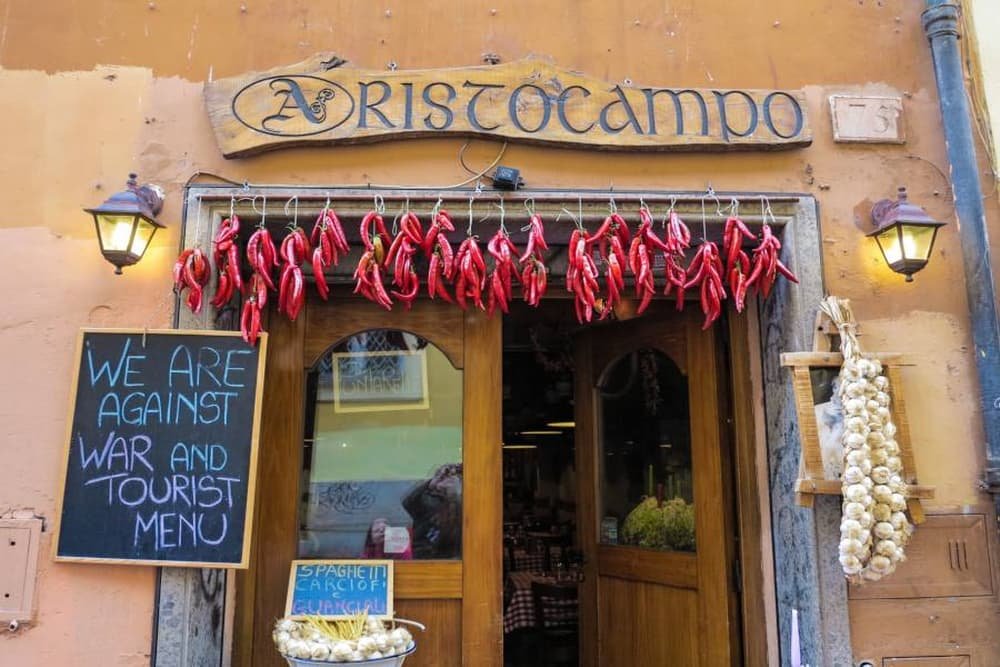
If you’re the type of individual who prefers asking for restaurant recommendations in-person, rather than putting your faith in an online review site, here’s a little hack you’re going to love.
The next time you check into your accommodation, ask the employees where they like to eat without actually asking for the ‘best’ place since ‘best’ can mean different things for different people.
Instead, hit up a person working behind the desk or the resident tour guide as to where they’d go if they had to take someone special out for a specific occasion, such as an anniversary dinner, boozy birthday lunch or even breakfast with their beloved mother.
This way you can avoid run-of-the-mill recommendations and quickly find a place to eat you know the locals go to.

Funnily enough, the most famous places in the world don’t advertise themselves as being ‘world-famous’.
You probably won’t run into a hiking company in Nepal that offers tours of the world-famous Mount Everest, nor will you see guided walks around the world-famous Buckingham Palace.
You may, however, eat the worst steak of your life at a world-famous Argentinean restaurant (located in Vietnam), or feel cheated by Mother Nature when you fail to see the world-famous sunset (on the windswept steps of Mongolia).
The best places don’t need to advertise themselves as being ‘world famous’, because the immutable laws of attraction dictate that if something is worth seeing, people will make the effort on their own, hackneyed slogan be damned.

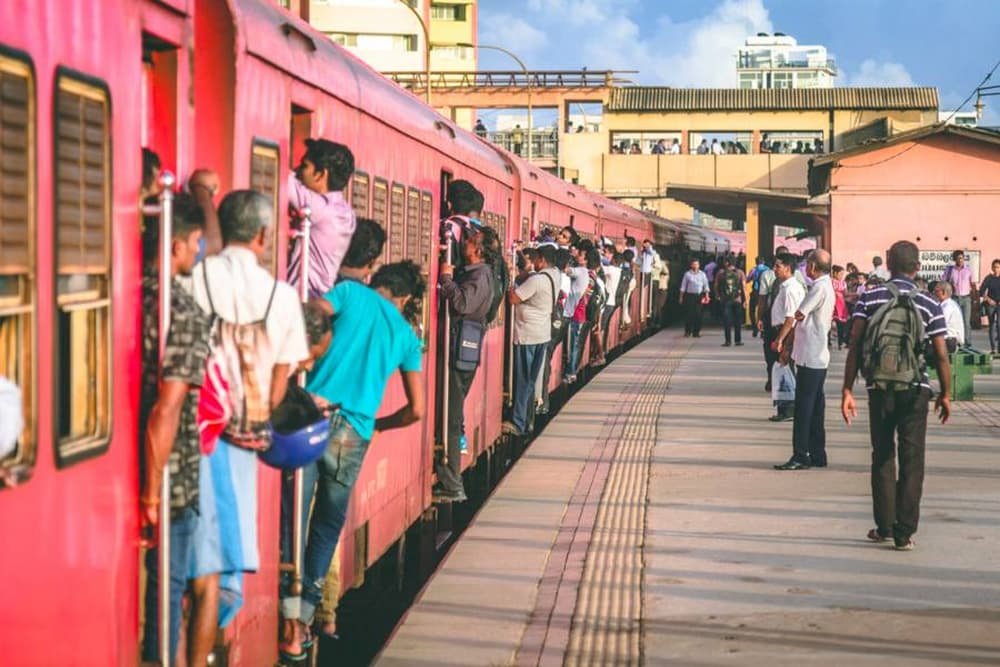
First-time travelers and backpackers may feel daunted by public transport in a foreign country.
Crowded trains in India, for example, can be a nightmare for people who value personal space, and nobody will begrudge you a desperate prayer before boarding a chicken bus in Central America. But the truth is that public transport isn’t so bad in the sense that it offers two distinct advantages.
The first of which is the fact that it’s affordable, which is especially important if plan on staying outside of the main tourist zone, and the second is that it gives you a chance to really immerse yourself in a different culture to the point that you’ll feel like a true local… minus the giant backpack.
Facebook groups can be a powerful tool in helping you peel back the touristy façade and discover where to go for the best food, sights, and things to see.
Expat groups are particularly helpful as they allow you to engage with people in the know who are often ready to share their experiences, given they’ve probably fallen for a few tourist traps themselves.
Asking them what they do on the weekend to pass the time will give you plenty of ideas for your own itinerary, as well as starting a discussion about the places they love to take their out-of-town friends to when they visit. Not to mention local restaurants and businesses will also regularly post in the group, meaning you can keep tabs on upcoming events or special occasions and avoid a serious case of FOMO.
Drones have soared in popularity and quality in the past few years, however, not everyone can fly one! The thought of flying a drone can be overwhelming and if you want to film with one the challenge can increase substantially. Furthermore, drone video editing is not a simple hobby as it requires skill and learning.
You may have experimented with flying a drone as a hobby, perhaps capturing some amazing shots and now you are keen to enhance your skills. If you are serious about drone video editing, you need to be aware it will require research and commitment. This article will offer you some simple editing techniques to make your shots look more dynamic, interesting, and professional.
When using drones in your work, there are a few technical points to consider. The ten tricks below will outline some skills to improve your drone video editing while giving you the ability to capture your exciting adventures from an aerial perspective…

Inexperienced drone users tend to jolt the camera to the left and right attempting to get another shot. This isn’t necessary as during editing you can smooth out movements to create sweeping imagery going from one shot to the next. A professional drone shot should feel natural and organic.
Once your angle has been found, simply do a careful, slow-motion panning action with the drone. By moving the drone instead of the camera, you are on the correct path to capturing your perfect shot.
Natural light is a drone’s best friend. Plan to shoot your video during the “golden hour” (just before sunset) or first light (just after dawn). The light at these times will provide the necessary dramatic contrast to really set your video above the rest, plus the colors will be warm and ethereal, captivating your audience.
During the flight of your drone, aim to map the flight path close to large elements such as rock faces and trees. By doing this, depth and motion will automatically be added to your video.
A common difficulty for drone pilots is when, during shooting, the drone banks a little too much and the blades show up in the frame. Our top tip to avoid this is to fly the drone up until the point you want the shot to end. After this point just fly the drone backward and reverse the video during the editing process.
Maintaining the natural movement in a scene as much as possible is the dream for any videographer. Sometimes however it is necessary to attach a filter to your camera to improve the video quality.
Examples
In the world of drone video shooting, flying backward can modify a shot from an establishing shot to a reveal! When flying backward you should be able to notice details being recorded such as trees, buildings and people from a whole new aspect.
Only once you have found your own unique shooting perspective will you truly separate your drone video editing from the rest. Always be on the lookout for extraordinary opportunities and locations (just be sure to avoid flying above crowded areas).
It is essential to avoid your drone video edit appearing to slow on screen. This commonly happens in shots of large-scale environments. If this occurs it is advisable that when editing the footage, it is sped up, as this adds extra movement to the sequence.
To create a professional edit, you must ensure the frame rate is never at 30 frames per second (as this will make your video look like reality TV)! Your video should always be shooting at 24 fps, assuming you want to shoot in 4K resolution to get that quality movie edit on your video. Shooting in this resolution means you will capture the tiniest details and give you the option to crop the frame during editing.
We all appreciate the beauty of drone shots, however, they can be overused. If you want to succeed in the drone video editing business, you must pick your highest quality, exceptional shots. Only capture your drone footage when it is necessary for your video as this will give it the high impact it deserves.
You have the drone, the camera and your unique vision. Get creative by following these 10 expert tips and you will start to see the results in your footage. Finally, please take care when operating drones, know the laws in the area where you are planning your shoot and remember, drones should be treated as tools, not toys!
The rustle of the wind in the leaves, the crackle of the campfire, the quiet of dawn as the sun rises, nothing compares to the beauty and serenity of camping. It’s no wonder that many of us want to spend more time in nature and less time cooped up in the office. Luckily, we find ways to get away and enjoy nature while we can.
If you’ve ever considered dropping everything and backpacking, car camping, or even hiking across the country, you have probably wondered how others make it work financially. Here are some of them.
For most of us, it comes naturally to want to capture the beauty of our surroundings. If you hike with a camera or a smartphone, don’t forget to take the time to take some photos. Documenting your expedition isn’t just a great way to preserve your favorite memories, it’s a way to share those memories with others.
If you want to make a little extra cash, you can sell your photos to stock photography websites or to campgrounds to use on their websites. Most stock photo sites will pay you a royalty or a percentage of the price of the photo, so you can make anywhere from $3 to $80 per photo.
You can also find little markets to sell your photo prints to when you stop by towns. If you want to take the time, you can also offer your photos to be printed and sold through photographic art websites. They will often buy the rights to your pictures or pay you a commission when one sells.

The latest trend in outdoor gear brands is to show people how durable and helpful their products are through real hikers and campers using their gear to the extreme. They can put a boot in a mechanic step tester non-stop for ten weeks, but nothing beats the real thing. Companies want to show that their products can hold up under real conditions.
Check out some of the big brand’s websites and see if they’re looking for testers. Or try emailing them and asking to test their products. Even if they don’t advertise the need, many will still want you to try out their gear. Even if they don’t pay you, you can often score some free, or highly discounted, merchandise. Most companies want to capture part of the growing outdoor industry.

Share your stories. Share your pictures. Keep your friends and family up-to-date on your progress. As a blogger, you can keep a record of your trip and make a little extra money. All you have to do is register your expedition’s domain name, design your site with a template, and start writing. You can even make a little extra on the same site by selling your photographs.
What should you write about? Write about anything that comes to mind. People want to know what you’re up to. Not many people get to drop everything and getaway. Your experience is unique, so your stories and updates will naturally interest your audience. If you pick up enough followers, you can even find sponsors and affiliate partnerships to help promote the best gear.
If you tend to get lonely out there in the wilderness, you can become a guide temporarily. These jobs allow you to live outside and enjoy nature and the company of like-minded people.
As a guide, you can teach novice campers and hikers how to survive and make an impact on our natural world by sharing sustainable and Earth-friendly practices. Guides need the know-how of camping and hiking, but they also need to have people skills. Some of the best hikes I’ve been on have been with people didn’t know at first. It’s especially exciting to teach kids and young adventures about nature and survival.
Some trail guides are assigned to distribute information and help campers and hikers learn more about the history of the trails. This will help make you more knowledgeable about the history of our outdoors and wildlife, too. If you’re considering a job as a camping guide look into getting a camping survival kit.
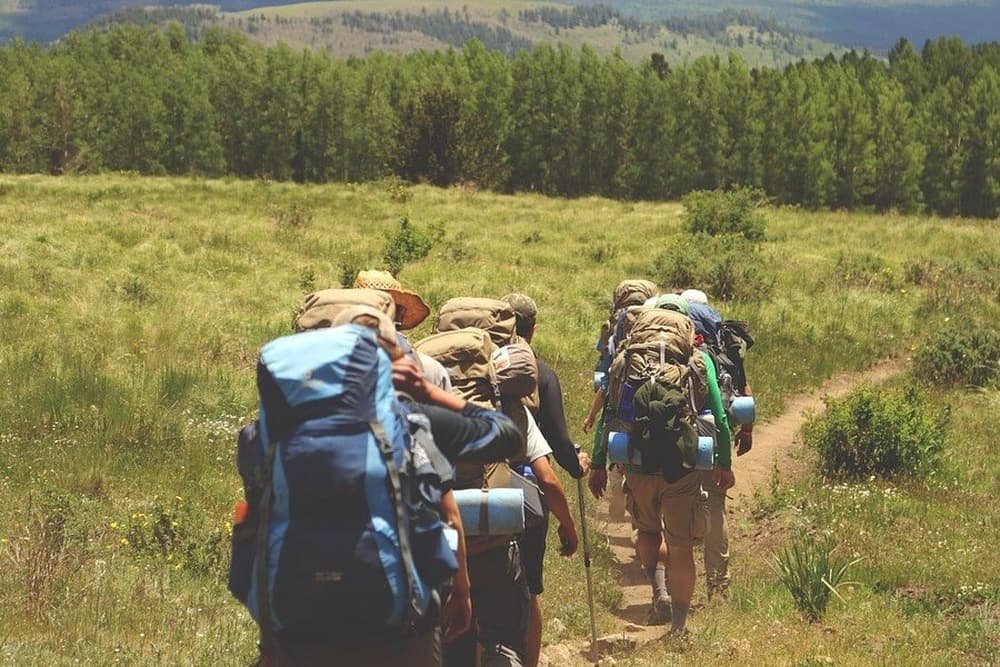
Backpacking or camping across the country will take some time. Why rush? You can always take a break and be a campsite host for a while. If you find yourself not wanting to leave a particular camp, ask the park or owner if they’re interested in trying out a host.
As a host, you make sure campers are respectful of the property and safe. You can also help struggling campers be more comfortable and confident. This can be a great way to save money by not paying for a campsite and earn you a little extra for food and supplies.
You’ll meet loads of great people and maybe even learn more about the region.
Properly prepare for your trip with everything you need and nothing you don’t. If you don’t have quite as much time, you can always consider car camping across the country.
Hiking across the country truly is a dream that few people get to live. If you’ve considered letting it all go and getting out there in the wild, learn as much as you can before you go. Prepare for emergencies and have a blast. If you find you need to make a bit of cash, try out of these ideas and be as resourceful as you can. Happy camping. Happy hiking. And happy memories!
Whether you’re traveling for several weeks, or even just a weekend, there’s one thing you don’t want to do: over-pack. It’s a pain to schlep around an oversized bag, and carrying around stuff you don’t actually need is unnecessary! Use these proven tips to travel light (and cheaply) during your next trip.

One of the best ways to prevent over-packing (and overspending) is by planning ahead. Specifically, when it comes to what you’re going to be putting in your suitcase, put in some thought ahead of time and make an actual packing list that will help guide you. A great way to do this is by having a standard list, loaded up with all the basics you’ll need for every trip, saved on your computer that you can use as a reference every time you need to pack for a trip.
For those shorter jaunts or business trips where you only need essentials and a personalized travel wallet to hold your tickets, boarding passes, credit and debit cards, etc., it's often useful to consider smaller luggage options like Eminent mini suitcases or similar compact travel bags. So, such suitcases, by their compact size, naturally encourage you to limit your packing to essentials, in line with the principles of traveling light. Plus, it's much easier to keep track of fewer items in unfamiliar locales, reducing the chances of leaving something behind. They also fit comfortably into overhead compartments, eliminating the hassle of baggage claim.
When you make a list, you put in the extra thought and attention to put together thoughtful well-planned outfits and outfit combinations. This prevents over-packing and throwing last-minute items that you won’t actually need in your suitcase. Another great secret is to pack garments that can easily be color coordinated (try a capsule wardrobe), so you’re maximizing outfit combinations and minimizing the number of packed items.
Think about the last trip you took where you packed more than two pairs of pants. Could you have gotten away with one pair? Chances are, you probably could have! When in doubt, one pair of jeans may be all you need for your trip. Jeans can be dressed up or dressed down, and go through several wears before needing to be washed.
Same thing with shoes – how can you minimize the number of pairs of shoes you plan to pack for your trip? Depending on what your travels have in store for you, you may be able to get away with one pair of sneakers or casual shoes. Although flip-flops or sandals don’t take up that much room in your suitcase either. If you travel in your primary shoes, you may not have to worry about packing shoes in your suitcase at all! As a rule of thumb, you should always wear your heavier shoes on the plane (or in the car).

An easy way to lighten some of your load when packing is by paying close attention to the fabric and materials of the clothes you're packing. Lighter materials will translate to a lighter total weight in your suitcases. When in doubt, opt for cotton, linen, and lightweight athletic gear that’s easy to transport and won’t weigh you down.
You should also take into account fabric when you’re packing your suitcase. Certain materials pack better than others. For example, spandex-based dresses can easily be rolled (without wrinkling easily), which will save space.
If you’re traveling for over a week, it’s in your best interest to plan to do laundry. That way you won’t have to pack over a week’s worth of clothes, which can be heavy and cumbersome. When you plan to do laundry, you take away some of the pressure of making sure you “packed enough clothes.”
Even if you’re traveling to Europe or somewhere else abroad, it’s pretty easy to find either a Laundromat or a laundry service to assist you with doing laundry. Especially if you choose to stay in a hostel, you’ll be able to save a lot of money on lodging, and most hostels come with laundry facilities that you can use as part of your stay. Plus, your body and peace of mind will thank you for not having to lug around two weeks (or more) worth of clothes.
A lighter suitcase will always be less of a hassle when traveling. Plus, it will prevent you from having to check a bag. Or you could avoid that worry completely by opting for a road trip – you can even check out new Hyundai specials.
Armed with these secrets, you’ll be able to travel lightly and cheaply for your next trip, no matter where you happen to be heading. Who knows? With these tips you may even be able to get away with taking just a carry-on suitcase on your next trip overseas!
