Traveling to new places on a motorcycle requires precision in planning and good enough equipment. Any backpackers and road world explorers need to contend with considerable distance, fog, and changeable scenery, yet remain safe and comfortable. Proper selection of equipment leads to high performance and low fatigue, and maximizes the overall efficiency of riding a motorcycle.
With the right protection and most of the accessories, any rider can prepare themselves to tackle any situation. Every worthy adventure starts with a pair of motorcycle riding gear, planned to last a lifetime and rugged enough for any journey.
Because of its size, portable equipment reduces fatigue and enhances maneuverability during long rides. Small, featherweight equipment enhances comfort and efficacy during travel adventures by allowing a wearer to cover greater distances without exhaustion.
All gear designed to protect against extreme weather variations provides an equatorial shield during unexpected rains and sweltering heat. The unpredictable nature of various terrains makes waterproof and breathable materials a necessity for comfort during travel.
Today's travelers prioritize equipment that deploys multi-functionality for on and off the bike experiences. When packing for motorcycle road trips, select gear that provides appropriate clothing and accessories to ensure adequate protection during your adventures.
Reinforced materials like reinforced cloth and an abrasion-resistant exterior guarantee optimum protection and long-lasting durability. Use rough clothes to minimize wear and tear on long, complex route passages.
Ergonomic structures that promote natural posture help reduce weariness. Defeating long rides and adventures in a spirit of comfort while the wearer feels overly relaxed, attaining the standards of fit offered by the gloves, jackets, and boots.
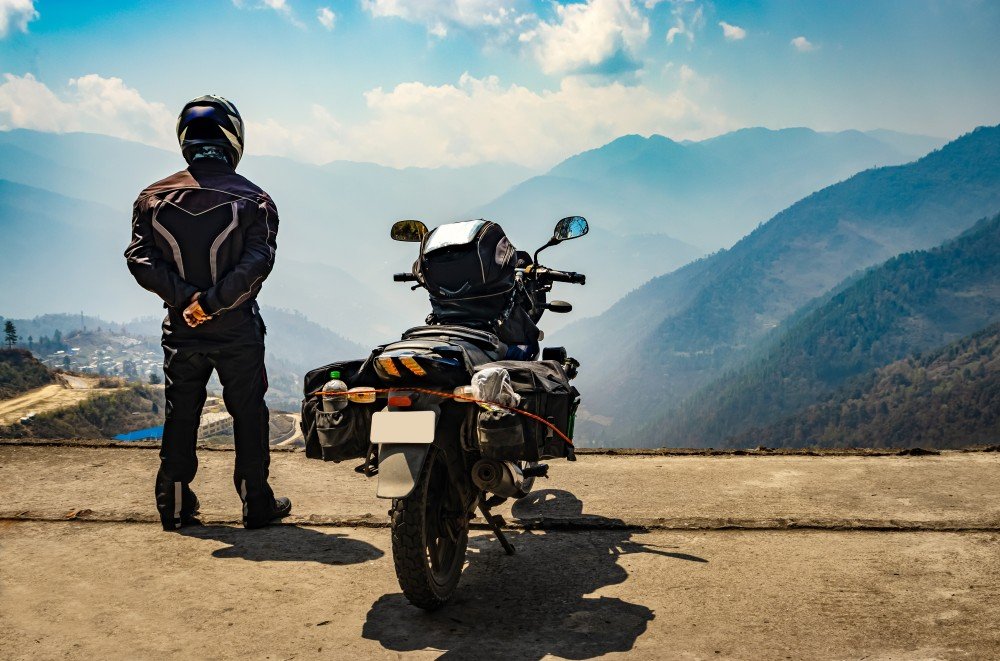
All traveling requires a delicate balance between safety and comfort. The safety equipment not only protects against accidents but also improves stamina on different terrains. Here are the vital pieces of motorcycle gear that ensure your safety on road trips.
The most important piece of protection that every rider should have is a high-quality motorcycle helmet. It protects against head blows, decreases noise, and does not expose the face to dust, debris, and wind.
The full-face version is covered and ventilated to be comfortable on long trips. Lightweight DOT or ECE-certified helmets are recommended for riders who will be riding on a wide range of terrains to allow them to experience a wide range of thrilling and safe miles.
A good riding jacket is your second skin when you are on a long journey. It protects the upper body against abrasions, cold air, and impact with an inbuilt armor protection. Good material like Cordura or Kevlar is both flexible and durable.
Several ventilation points, waterproof covers, and reflective strips make it more adjustable and visible in all weather rides. The right jacket is comfortable, safe, and stylish, with a strong emphasis on the adventurous stamina that all backpackers need on the open road.
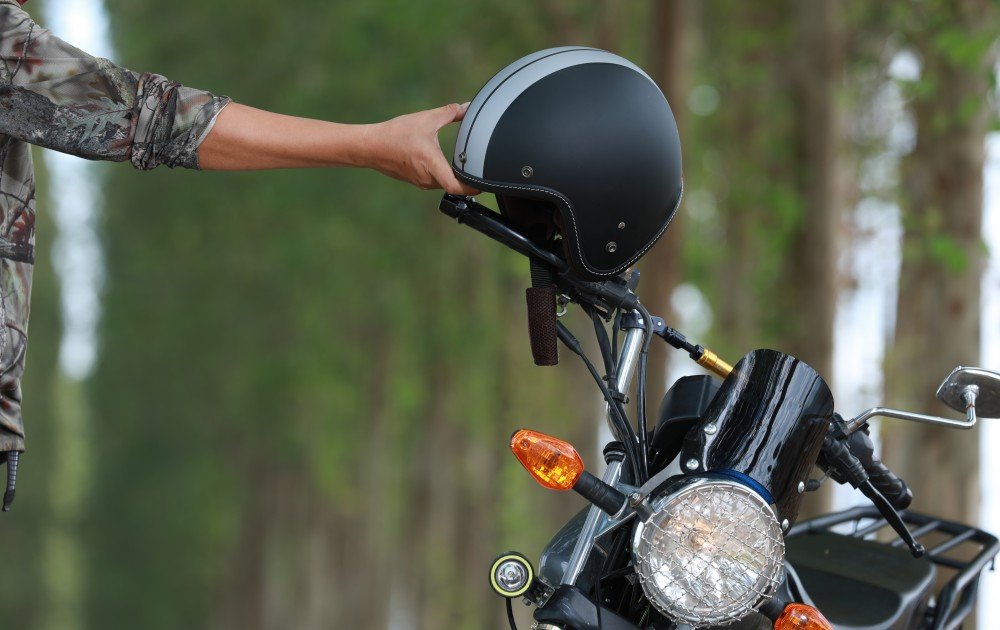
Riding gloves that are of quality provide safety, stability, and control during long hours on the throttle. Knuckle guards and padded palms are reinforced to absorb shock during rough weather conditions. They also enhance compliance with the road safety tips, reducing fatigue during long rides.
Touchscreen compatibility increases the comfort without compromising the protection. Each pair must achieve the optimal balance between dexterity, strength, and comfort to ensure that you are always focused on adventure and safety.
Good adventure boots ensure the rider is not affected by falls, collisions, or rough terrain. They offer ankle support and weather protection during multi-day expeditions. The reinforced toe caps and oil-resistant soles keep the foot balanced on the muddy or gravel roads. Backpackers are seeking versatility, and such boots can be used on hiking trails and for motorcycling.
Strain on long rides is minimized by the comfort lining and strategic padding. Each action getting on and off the bike is a sign of willingness to the unpredictable requirements of open-road travel.
The use of advanced body armor mitigates the risk of injury by a considerable amount, absorbing and diffusing the energy of the impact in the case of a fall or collision. According to research by the National Highway Traffic Safety Administration (NHTSA), high-quality armor reduces the risk of severe injuries by more than 63%. D3O and memory foam can be used as materials offering flexibility and solid protection.
Riders who want to venture into the unknown can enjoy the benefits of the armor's compact, breathable design, which fits under jackets and provides unparalleled protection without sacrificing flexibility.
Protective pants protect riders from abrasions, rain, and road heat, making them safe even on long rides. Impact is absorbed by the use of reinforced protection at the knees and hips, and stretch panels increase mobility. When riding in unpredictable conditions, riders will enjoy the advantage of weatherproof materials and ventilation zippers that control body temperature.
The accents are high-visibility, which provides safety at night. These pants feature breathable liners and ergonomic fits, making them indispensable for every backpacker's multi-climate road trip thanks to their protection and long-lasting comfort.
Well-built eye and face shields ensure that vision is clear in adverse conditions. Anti-fog lenses eliminate fog caused by sudden weather changes, and UV lenses reduce glare on sunny days. Shatter-resistant materials improve the durability and safety during high-speed travel.
Long-distance travelers rely on transparent optics to foresee challenges in an effective manner. Correctly installed shields help reduce fatigue and enhance alertness, and every mile is accompanied by confidence, clarity, and complete enjoyment of the emerging landscape.
Adventure is always at the top gear when you are well-prepared with passion, and where courage becomes your guiding hand. Backpackers and road explorers should have equipment that is secure yet liberating. The explorer spirit is indeed awakened by the trustworthy, well-performing motorcycle riding gear that makes every adventure a memorable moment.
Tax planning is something travelers tend to skip because it's boring, confusing, or "someone else's problem.” They forget all the details concerning customs, visas, and itineraries, but not concerning VAT and the travel tax rules.
And that can cost you. Missed declarations, improper duty-free assumptions, or unreported income would otherwise incur fines, interests, confiscations of goods, and even entry denial or border delays. Surprise VAT at checkout will further blow your budget.
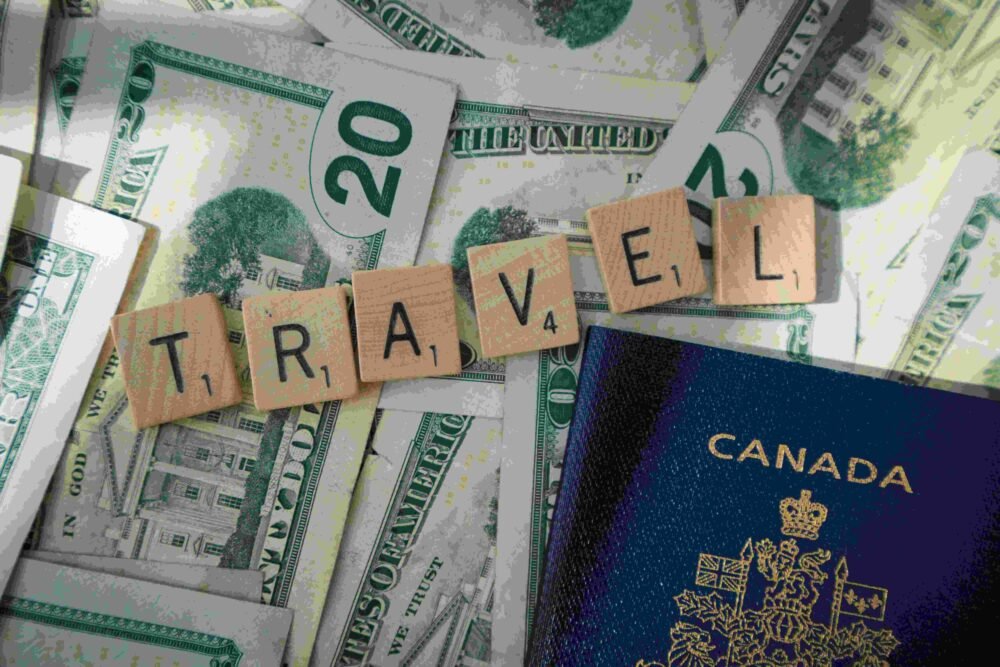
This guide is going to cover the basics. You’ll learn the main rules, common pitfalls, and easy steps to stay compliant so you keep your trip stress-free and your wallet intact.
Traveling does not wash away your tax obligations. In most countries, income earned overseas is still considered taxable at home. Also, when you bring goods into the country, there are usually duty-free limits and some customs declaration rules to keep an eye out for. In the event of failure to declare purchases or making more than the allowance, penalties that may involve confiscation, as well as delays at the airport, will be imposed. Apart from paperwork, filing or storing tax documents should also be equally secured.
Many tourists ponder over cybersecurity solutions. Many even resort to alternatives for Kaspersky, through a guide that helps save their sensitive data, reminding us that financial and digital safety go hand in hand when traveling.
Ignoring taxes offshore could come back to bite you hard with surprise VAT burdens and penalties for unreported merchandise. Small mistakes become big problems when tax rules are not known before travel plans are made. Best to know the rules going in; it’ll keep things smooth.
Most nations provide a duty-free allowance to travelers, generally for minimal quantities of alcohol, tobacco, and personal electronics. The thresholds vary dramatically. For example, outside its borders, the EU allows 1 liter of spirits or 200 cigarettes to be duty-free. Typically, goods up to $800 in value can be brought into the U.S. without extra tax imposed on them. Over those limits? Everything must be declared.

Attempts at skipping the declaration may backfire since customs officers do have the mandate of seizing all goods that were not declared, imposing hefty fines, and even flagging your passport for future inspections. It’s all part of customs regulations. Reporting honestly keeps you compliant and saves you from delays and unexpected penalties when getting back home.
For business travelers, certain expenses, such as airfare, lodging, meals, and even conference fees, may be deductible if they’re directly tied to work. Receipts and records need to be kept because, in most cases, the tax authorities will demand proof that the trip was for a professional purpose.
Problems emerge when travelers blend personal undertakings with business journeys. Remaining for vacation, having family accompany them, or posting amusement costs as business travel tax can disqualify their deductions.
Travel tax rules are strictly enforced, and ignoring tax rules for travelers can be expensive. Aside from not declaring goods above your duty-free allowance, most people forget to pay the VAT on high-value items or overstay the duration allowed to claim a refund for tax-free shopping. These aren’t minor mistakes. Customs officers can take your purchases, levy fines against you, or even place restrictions on your future entries.
In some regions, enforcement is stricter. This occurs as governments tighten border and revenue controls. The recent report on VAT fraud by the European Commission indicated that authorities are increasingly cracking down on travelers who avoid paying cross-border taxes. You can only avoid travel tax penalties by staying compliant, as it helps you stay clear of penalties and have hassle-free future travels.
Taxes probably aren’t at the forefront of your mind when planning a trip, but pay no attention to them, and quickly, they will spoil your travel. Starting basics with duty-free allowances and declarations, business expense deductions, and VAT will keep you out of trouble, ensuring you’re not fined or delayed. Also, there is the matter of keeping good records through cybersecurity and thereby protecting sensitive information while out of the country.
Whether you’re traveling for business or pleasure, knowing how foreign countries tax traveling abroad can save you from nasty shocks. A little pre-think before departure means easier borders, better-financed wallets, and more time to concentrate on the experiences that matter.
In 2025, having a real job doesn’t mean commuting two hours to work or attending physical meetings. Remote work opportunities have popularized the digital nomad lifestyle. You can escape the noise and chaos of urban life and work from anywhere in the world.

Whether you want to work from the beach town of Mexico or attend a meeting while sipping tea at a restaurant in Bali, the nomad life will ensure all-around comfort. That said, what jobs can you do as a digital nomad? Let’s break it down:
If you have administrative skills and great people management skills, you can work as a virtual assistant. A virtual assistant is an independent contractor who works outside of a client’s office, but provides the same services as an on-site employee. Standard duties of a VA include:
While there is no specific qualification required to become a virtual assistant, experience in administration and bookkeeping is highly preferred. Organization and multitasking are also important.
There are thousands of positions open for virtual assistants across Europe and the United States. But as a digital nomad, you don’t have to stick around the same place.
Graphic design is another skill that can help you reach your digital nomad life goals. You don’t need a formal degree in graphic design to get started.
A strong grasp on design tools like Adobe Suite (Illustrator, Photoshop, XD, InDesign, After Effects), Procreate, Sketch, and Affinity can help you get into the industry. With time, you can build on skills and access better opportunities.
As a remote graphic designer, you can work from stunning beaches and port towns. Mexico’s Puerto Escondido is one such place. Above all, it has numerous coliving communities so you can experience that perfect beach-meets-work vibe.
Coliving Puerto Escondido communities offer loads of facilities, such as:
There is nothing more peaceful than writing while listening to waves crashing at the shore. Content writing and copywriting are hugely popular fields amongst digital nomads mainly because of their versatility and flexibility.
Moreover, content writers are needed in almost every industry. From healthcare to digital marketing — there are endless opportunities.
As a remote content writer, you will also have time to hone your skills. Attention to detail, strong grammar, descriptive word-building, and more.
Do you consider yourself a social media whiz? Do you know the context behind every social media trend? Or do you love building or engaging communities? As a social media manager, you’ll do what you love most.
Social media managers shape a brand’s social strategy. They nurture community building to boost loyalty, engagement, and sales. You’ll need creative skills, an eye for detail, and a good understanding of consumer psychology.
As a social media manager, you can work with international brands and companies from anywhere in the world.
We’ve all had those clumsy moments—knocking over a glass, tripping over our own feet, or spilling coffee on the couch. But have you ever wondered if some countries are simply more accident-prone than others? Let’s take a look at global trends in everyday mishaps and find out who comes out on top (or bottom, depending on how you see it).

When it comes to workplace accidents, no nation seems to have higher rates than Costa Rica. According to Statista, Costa Rica experiences 9,421 non-fatal occupational injuries per 100,000 workers - more than double those in second place (Finland with 4,025 per 100,000 workers). These accidents can range from slips and falls to more serious injuries caused by machinery or hazardous materials.
In some countries, there’s a more relaxed attitude toward risk-taking, which could influence accident rates. For example, nations with adventurous cultures might see more accidents due to their "go big or go home" mentality, whether at work or play. On the other hand, more risk-averse cultures may prioritize safety and take precautions to avoid accidents.
Weather can also significantly influence accident rates. Places with higher rates of snow and ice may experience more slips and falls. Conversely, countries with warmer climates may experience different types of accidents, such as heat-related mishaps like heatstroke or sunburns.
We all know that driving can be a risk, however, some countries have higher rates of car accidents than others. It seems the United States has the highest number of car accidents per year, with a reported 1,949,000 car crashes in 2019. This statistic is made more interesting when compared against the country with the second-most car accidents in a year (Japan with 381,000 per year). However, it's worth noting that the collective kilometres driven in the United States is much higher than the collective kilometres driven in Japan.
When it comes to household accidents, Canadians seem to top the charts. A recent study by the Compare the Market home and contents team found that 61.4% of Canadians surveyed reported experiencing home mishaps, surpassing Australians (58.2%) and Americans (56.9%). These incidents often include broken dishes and glassware, heat damage to appliances and tools, and even damage caused by pets.
Pets, while adorable, are often culprits in household accidents. It's estimated that cats and dogs were associated with 86,629 fall injuries in the United States between 2001 and 2006. Countries with higher rates of pet ownership may see more accidents caused by pets, whether it's a trip hazard or something more serious like a bite.
Accidents and their frequency are influenced by a myriad of factors, including cultural attitudes, infrastructure, and lifestyle choices. While some incidents may be attributed to a more daring approach to life in certain cultures, others are the result of specific environmental and societal conditions, such as the number of vehicles on the roads. What is clear is that accidents happen everywhere, regardless of country or culture!
Trailering your boat should be smooth, safe and stress -free, but it depends on how well your trailer is set. Often, the aspect of boat maintenance is ignored. Whether you put the boat under the highway or take it into your favorite fishing hole, the material used in your trailer layout can directly affect your boat position and towing experience.

From winches and rollers to bunk boards and carpet, each component plays a part in keeping your boat protected and your trailer performing its best. In this guide, we’ll explore how to choose the right materials for your boat trailer, especially when it comes to bunk carpet and protective surfaces.
Boat trailers aren’t just a means of transport, they're part of your marine investment. Using the wrong materials or letting them wear out can damage your boat, reduce trailer lifespan, and increase your risk on the road or at the ramp.
A well-configured trailer setup ensures:
If you’ve ever heard a screech while loading your boat or noticed wear on your gel coat, your trailer materials may be to blame.
A basic trailer setup includes the frame, winch system, rollers or bunks, tires, lights, and tie-downs. But when it comes to material selection, most of the conversation centers around bunk boards and the coverings that protect your hull.
Many boaters are now replacing older-style rubber or plastic surfaces with carpeted bunks because of the improved protection they provide especially for fiberglass or painted hulls.
Choosing the right materials depends on how, where, and how often you use your boat. If you trailer frequently or in saltwater environments, your materials will need to be especially tough and weather-resistant.
The bunk carpet is one of the most important contact surfaces between your boat and trailer. It cushions your hull while supporting thousands of pounds of weight and it gets exposed to water, sand, salt, and heat every time you load or launch.
For a durable, easy-to-install option, check out this Boat Carpet available in custom sizes and made from tough, recycled polyester fiber.

Installing and caring for your trailer’s protective materials isn’t difficult, but it does make a difference in how long they last and how well they protect your boat.
The Right Boat Trailer setup can create all differences on performance, security and protect your investment. Whether you are trailering your boat weekly or for some time, upgrading the trailer content can prevent special that bunk expensive damage and gives you the safety of the ramp.
By choosing quality materials according to the environment and boat style, you expand the equipment and boat life. And with most things in the boat, a little extra effort can save a lot of problems under the road.
If you are looking for premium trailer solutions made with durability and care, take a look at Cuda Powersports. His family -owned approach and commitment to quality means that you will find previous products whether you upgrade your childbirth boards, replace the carpet that is wearing or preparing for a new season on water.
No matter how well you prepare for a trip, things can still go wrong. Lost luggage, last-minute cancellations, or unexpected medical expenses can hit even the most seasoned travelers. When you are in a different country, those problems often feel bigger.
For backpackers and long-term travelers, these emergencies do not just disrupt plans; they create financial stress. Whether you are stuck in transit or facing an expensive surprise, knowing how to respond makes all the difference.

There are smart ways to handle these setbacks and keep your trip on track. This guide walks through practical strategies for managing emergency costs while traveling, from prevention to real-time solutions.
Before leaving home, build emergency flexibility into your travel budget. It is easy to focus on obvious costs like flights, hostels, and excursions. What about a broken phone, stolen wallet, or missed bus?
Set aside 10% of your total travel budget for unexpected emergencies. Keep it in a separate account or card to avoid spending it on non-essentials. Even a few hundred dollars can help cover urgent needs.
Also, carry more than one payment method, such as a debit card, backup credit card, or prepaid travel card, so you are not stuck if something gets blocked or lost.

Travel insurance is a smart investment, but it is not a magic fix for every problem. Most basic plans cover medical emergencies, lost baggage, and canceled flights, but only under certain conditions.
Before buying a policy:
Insurance does not always pay out immediately. Some travelers still need cash on hand while claims are processed. That is where short-term financial help comes in. U.S. travelers facing a sudden, essential expense back home, such as medical costs, last-minute travel changes, or lost gear, may turn to lenders that provide same-day funding.
In cases where timing matters and personal savings fall short, services like CreditNinja same day loans can help cover a gap quickly. These types of loans are meant for emergencies and are typically used when other options are not available. They are not a substitute for insurance, but they may provide breathing room in high-stress situations.
If your wallet or cards are lost, acting fast is key. First, contact your bank and card issuer to block access. Then focus on securing funds.
Some reliable ways to access money abroad include:
These tools are widely available in major cities. Still, they may take hours or a full day to arrange, so try to stay somewhere safe while sorting it out.
When budgets get tight during a trip, it helps to trim back spending quickly without putting yourself at risk. This might mean skipping a planned activity, moving to cheaper lodging, or preparing meals instead of eating out.

The following changes buy you time while you figure out a longer-term solution:
If you need support fast, look for others who understand the area. Expats, long-term travelers, or even hostel staff can offer helpful advice.
Online communities also play a big role. Platforms like Facebook travel groups, Reddit threads, and Couchsurfing forums often share live updates on resources or safe solutions.
Local knowledge can make a tough situation easier to manage. People might suggest:
Getting sick or injured abroad is never fun, and without preparation, it can be expensive. If you take daily medication, bring enough for your entire trip—and extras, just in case. Carry copies of your prescriptions and the generic drug names in case you need to restock in another country.
Even minor medical costs can add up, especially in countries where foreigners pay higher rates. That is another reason why having an emergency cushion (or a short-term backup plan) matters. When possible:
When money runs low mid-trip, panic often sets in and stress clouds judgment. The best thing you can do is pause, assess the situation, and make a short list of immediate next steps. Ask yourself:
From there, focus on just one task at a time. It may be contacting your bank, finding new accommodation, or making a call home. Once the first problem is solved, the next one will be easier.
Every experienced traveler has a story about something going wrong: a missed train that led to a new town; a lost bag that introduced them to kind strangers. These moments may feel like setbacks, but they are also part of the journey.
Handling emergencies abroad builds confidence and resilience. If you can stay calm and make a plan, you will not just recover. You will grow from the experience. With the right tools and a little creativity, most travel problems have a solution. Some even become the most memorable parts of the trip.
Custom-built boats afford you a design specifically catering to your requirements as an individual or organization, allowing your vessel to stand out from those with a typical blueprint. Every detail, from seating and dash panels to cabin and interior designs, will be tailored to your distinctive requirements.
You might wonder where you can get the best value on a custom-built boat. These five companies can provide what you’re looking for, whether you’re on the East or West Coast of the United States or beyond.
Whether you're looking for a standard or crossover Bowrider, Center Console or Sun Sport, Formula Boats will cater to your specific paint, powertrain and accessorizing needs with your custom build. Formula is an award-winning boat manufacturer with almost 70 years of fiberglass powerboat experience. The family-owned and operated company is located in Decatur, Indiana, and has dealers throughout the U.S. East Coast, providing easy product access.
Formula Boats offers a trademarked FormulaFlex program, allowing you personal choice in its manufacturing process. This enables you to express your desires and creativity through personalized hull graphics using combinations of 30 basecoat colors and thousands of others to create a spectacular custom finish.
Don’t forget your upholstery and cabin decor. Formula’s design specialists will personalize your cabin, cockpit and exterior deck by offering a range of materials and surfaces to make your performance powerboat stand out. You can also personalize your helm and electronics layout, and Formula’s dash panel specialists will generate an original design according to your needs.
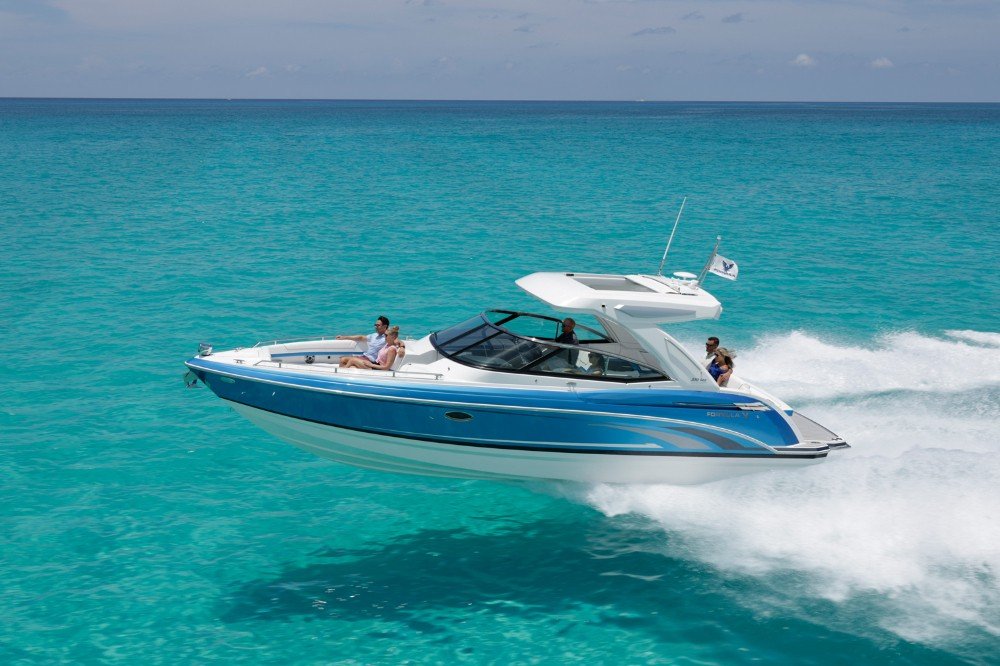
Shockwave Custom Boats offers several powerboat options, with its 25-foot Tremor Walk-Thru and 22-foot Deck models among its more notable options. You can buy Shockwave boats in standard form or with upgraded custom options for their upholstery, lighting, gauges, steps and several other interior and exterior items on already-constructed boats.
Shockwave builds new custom boats from its Corona, California, base while also dealing in preowned vessels. It's been providing its range of jet, deck, tunnel and catamaran offshore craft to its West Coast clientele since 1993.

Shockwave Custom Boats uses custom gel coats to customize captivating interiors to fit your requirements. It also specializes in fiberglass and fiberglass mold repair, as well as fabrication and gel coat repair, restoration and replacement. Therefore, you can request a quote for repairing, upgrading or restoring your existing boat.
You may choose to replace your boat instead. Shockwave will sit with you to determine your custom needs before handcrafting your vessel with custom gel coat and graphics, with quality artistry delivered down to the last bolt and nut to ensure customer satisfaction.
As its name suggests, Velocity Powerboats specializes in performance boats, with its 22-foot 22 Punisher among its standout models. Like all other craft Velocity builds, you can select various engine, external, paint, and graphic and electronic alternatives to customize your vessel in a manner that makes it truly memorable. Velocity Powerboats is approaching half a century of race-proven hull design and, using its trademarked Hydrodynamic Hull Technology, uniquely combines the designs within strakes, chines, transom and keels.
Velocity Powerboats has dealers in Florida and Ontario, Canada, and it also offers Bay and Center Console craft in addition to its record-breaking powerboat options. With its office close to Lake Monroe in Sanford, Florida, the company is easily accessible if you’re looking for boat-related information.
Velocity Powerboats is active in the powerboat Grand Prix calendar and will be in Sheboygan, Wisconsin, in August if you’re a local and want to know more.
In addition to its standard range, Cobra Performance Boats specializes in building custom vessels to satisfy customers' wants and needs. Customization is available with its four Razor, three Venom, and single Python Sport Cat and Deck boats. You can design your craft with your preferred assortment of graphics and colors, interior features, and optional accessories and features to meet your individual preferences. All you need to do is visit Cobra Performance Boats’ Montclair, California, factory headquarters.
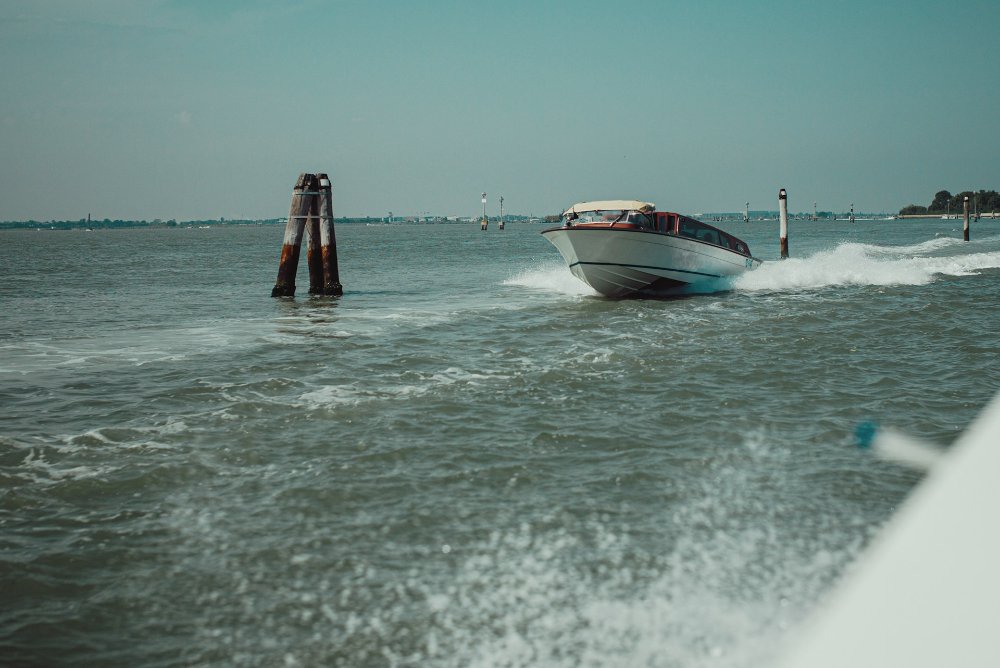
While there, you’ll select a model from the showroom and discuss your custom options with an expert Cobra representative. Leave your custom boat’s manufacture in the company’s capable hands afterward. With over 20 years of personalized boat-building experience, customer satisfaction is No. 1 on Cobra’s mission list — a reason why it’s one of the fastest-growing and thriving marine industry builders today.
If you’re on the U.S. West Coast and need a custom Sportsdeck performance boat, consider visiting Howard Custom Boats in Valencia, California, for interesting and varied options. The showroom within its 25,000-square-foot factory is part of operations that have produced thousands of unique boats for customers under one roof for nearly 50 years. Its design, tooling, rigging and laminating shops feature only full-time employees, allowing Howard Custom Boats to guarantee your craft will feature only the finest quality, materials and labor.
Howard is also adept at custom yacht building, taking the expensive extra step of testing its designs before it builds a mold and begins production. This means the manufacturer can make any necessary subtle design changes that assist the boat’s performance and enable it to stand out. Relying more on word-of-mouth than advertising, Howard Custom Boats is proud of its tradition of selling custom vessels in a successful, tried-and-tested manner.
With the boat industry trend moving away from custom manufacturers toward mass-produced, generic craft, finding a professional that caters to your every design need allows your finished product to stand out on the water. You may pay more for customization, but on either U.S. coast, you’ll find a company capable of producing a stellar finished product to stand the test of time and be the envy of your fellow boaters.
Everyone wants to travel the world without spending much. A budget-friendly yet comforting trip may sound foreign to you. Fortunately, you can do it. The only thing you need to know is proper planning to get comfort and convenience without spending a dime.
Travel platforms such as Bookaway allow for quick booking and cheap transportation options. Bookaway has it for buses, planes, early starts, and late nights.

This article is kindly sponsored by Bookaway and will discuss how you can travel worldwide on a budget.
The following are some of the best strategies to make sure you travel comfortably and conveniently.
Begin by choosing destinations that offer value for money. Create a flexible travel program to accommodate unexpected opportunities or changes. To take advantage of offers, you should look for hotels before traveling. Airlines and hotels usually offer service at lower prices off-season.
Furthermore, setting a daily budget helps manage expenses effectively. Remember that a complete plan lays the foundation for a successful journey.
CouchSurfing lets you sleep in the homes of locals who provide free accommodation in exchange for overpriced payments. Other alternatives are hostels, guesthouses, and relatively inexpensive hotels.
Home-sitting opportunities provide free homes in exchange for duties. Ordering costs outside the city centers can reduce costs. Always read reviews to ensure safety and comfort. Searching for different housing options can lead to significant savings.
Use a platform like Bookaway to compare and book buses, trains, and ferries worldwide. They provide many alternate options to fit your budget and preferences. Traveling overnight can save you money on housing.
Public transport is often more economical than a taxi or car rental. The first order usually comes with discounts. Choosing the proper transport method increases both comfort and savings.
Eating local can be economically and culturally rich. Street foods and local markets offer cheap and authentic food. To prepare the food yourself, select a home with kitchen facilities. Having a good breakfast can reduce the need for great food later.
Always carry snacks, preventing buying impulses and saving money for later. Balancing dining out and carrying food with you can reduce overall costs.
Low budgets and time restrictions should not prevent you from learning local culture and history. Minimally priced local museums, parks, and other cultural attractions can save you a hefty amount while letting you explore history. Participating in social programs or festivals can be lovely and inexpensive.
Discovering nature through hiking or beach visits costs almost nothing. Further research helps identify cheap and affordable activities. It is not expensive to enjoy a destination.
You should pack a first-aid kit while traveling. This will save you extra money for minor health concerns during your travel. Travel insurance can also help as it covers unexpected and sudden medical expenses. Maintaining health is essential for a pleasant journey.
Smartphone apps can help with navigation, translation, and budget management. E-sims and Prepaid Sims offer cheap internet access to avoid high roaming fees. Digital maps and guides reduce the need for physical copies. Installing rental alerts helps monitor air prices. Online platforms provide reviews and recommendations for housing and eateries. Technology simplifies travel plans and execution.
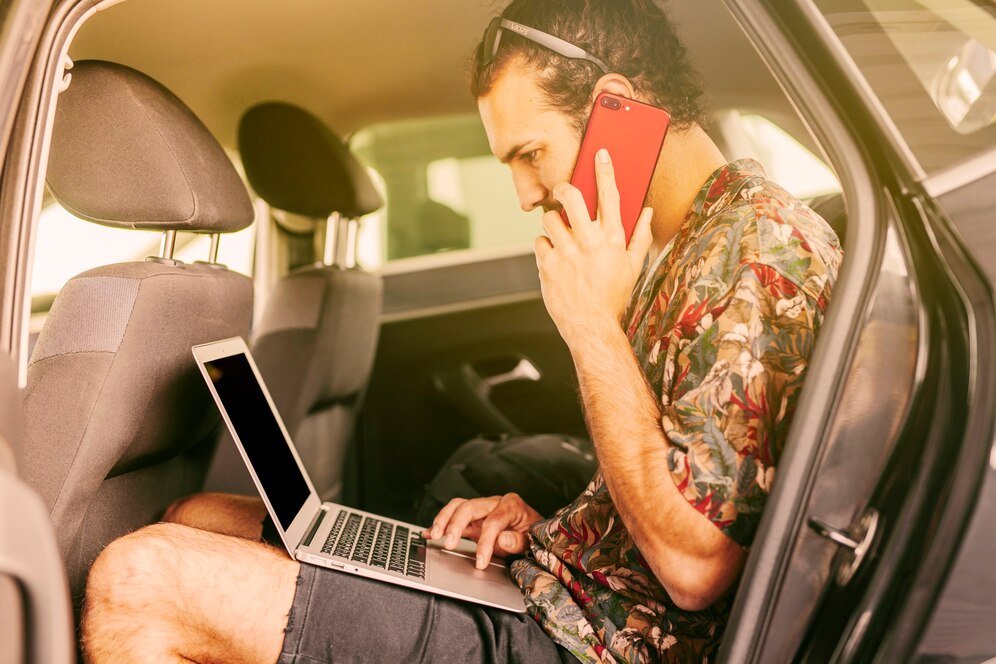
Use travel award credit cards to earn credit points on purchases. Choose the right banking options to avoid foreign transaction fees. Negotiating in the markets can lead to cheaper rates. Track expenses to stay within the budget's limit. Prioritize experiences over material objects. Smart financial decisions improve the total travel experience.
Bookaway allows users to book bus, boat, train, and ferry tickets in over 60 countries with a single click. It can be used while traveling anywhere in the world. The platform collaborates with more than 8,000 local providers, enabling them to serve more than 6,700 routes worldwide and dramatically broadening passengers' choices.
With Bookaway, users can effortlessly select their desired transportation and budget because the system's friendly interface allows easy comparison of options.
The care of the customer is one of the most notable aspects of Bookway, which relieves the user from any issues with its 24/7 support service via email, phone, WhatsApp, Telegram, Line, or even Facebook. This dramatically improves the overall experience by ensuring help for passengers whenever they need it.
In addition, the digital ticket system keeps all orders in one place. Thus, it reduces the risk of losing tickets. It also contributes to environmental stability by decreasing the need for printed copies. By offering a safe, reliable, and efficient ordering process, Bookaway meets the needs of modern travelers who want to seek convenience and flexibility in their journeys.
Following these practices allows you to travel comfortably without exceeding your budget. Thoughtful planning, cost-counting options, and appropriate tools make all the difference in your travel experience. With Bookaway and similar platforms, train, bus, and ferry ticket ordering is more manageable, and the user's capabilities do not end there.
The service guarantees effortless journeys or trips so users can shift their focus from the fees to fully immersing themselves in their travels.
Travel delays are inevitable, independent of the degree of thorough planning a trip requires. The encounter calls for airline delays, lost bags, unanticipated detours, and unannounced cancellations. Even if these errors can be frustrating, individuals who approach them prepared and patiently can turn challenges into opportunities. Learning good travel management guarantees that an unanticipated event does not destroy a trip.
Knowing pet travel insurance is equally important for those who are carrying animals with them as becoming ready for human crises. Many pet owners fly, drive, or even travel internationally with their animals, but without insurance, delays, lost pet goods, or medical problems can rapidly compound. Having the correct coverage for a pet guarantees that should unanticipated events—such as an illness, accident, or airline mishandling—the pet gets appropriate treatment free from further financial burden.

Flight delays or cancellations are among the most often occurring travel interruptions. Even while these circumstances can be annoying, understanding how to react helps to reduce tension. Checking airline rules on rebooking, refunds, and overnight housing helps travelers make quick decisions when a flight does not go as planned. Travelers should always be aware of other planes, trains, or rental cars as backup mobility means.
Sometimes, delays present unanticipated opportunities. Additional time at the airport could be used to investigate a new lounge, catch up on work, or discover an unexpected local attraction during a stopover city. A protracted layover that may seem unpleasant could become a unique mini adventure with the correct attitude.
Lost or delayed bags are another typical travel hazard. Arriving without basic supplies might be stressful, but a few precautions may help. Carrying medications, chargers, and changing clothes ensures you always have everything you need. Early reporting of missing luggage increases the likelihood of a quick resolution because many airlines pay for lost or delayed bags.
Passengers with pets may be more disturbed by lost or delayed pet cargo. Pet travel insurance covers veterinarian emergencies, lost pet retrieval, and extra travel expenditures due to inappropriate pet transportation, making it essential. Microchips, identification, and travel-approved carriers reduce pet risks even more.
Local strikes, inclement weather, and unexpected closures might affect a schedule. Despite being irritating, these changes allow for alternative exploration. Flexible travelers find hidden gems they might have missed. Lists of backup activities or places ensure unexpected schedule changes won't feel like a loss.

When making major changes, early communication with travel companies, airlines, and hotels will help ensure refunds, rescheduling, and other options. Keeping travel insurance policies, reservation confirmations, and emergency contacts in digital form can also help handle unexpected circumstances.
Every guest will disturb you, but keeping cool, adaptable, and creative will either make or ruin a holiday. Whether it's a delayed flight, lost suitcase, or canceled trip, seeing setbacks as inevitable on the road helps one manage them. Maintaining an open mind and adaptability guarantees that unanticipated routes lead to novel events instead of challenges.
Sustainable travel allows adventurers to explore the world while minimizing their environmental impact. Thoughtful choices in transportation, accommodations, and daily habits ensure a smooth and enriching experience. Embracing eco-friendly practices does not mean sacrificing comfort; it enhances the journey by fostering a deeper connection with destinations.
Many travel companies now design itineraries that prioritize sustainability without compromising convenience. Travel companies like Enchanting Travels craft personalized journeys focusing on cultural immersion, eco-friendly stays, and seamless logistics. Choosing carefully planned experiences allows travelers to enjoy breathtaking landscapes, rich traditions, and unique adventures while contributing to responsible tourism efforts.

Efficient travel options significantly reduce environmental impact. Direct flights help conserve fuel, while trains and buses offer an energy-efficient way to explore new regions. Electric or hybrid vehicles provide an alternative for those who prefer to drive.
Public transportation allows visitors to experience destinations more authentically while lowering emissions. Walking or cycling enhances the travel experience by offering a closer look at local culture. Many cities now feature bike-sharing programs, making this option practical and enjoyable.
Eco-conscious lodgings prioritize efficiency without compromising comfort. Many hotels implement solar power, water conservation methods, and waste reduction programs. Sustainable vacation rentals incorporate natural materials and energy-saving technology to create an environmentally friendly atmosphere.
Locally owned stays support communities while often following eco-friendly practices. These accommodations provide a unique cultural experience, enhancing the connection to a destination. Resorts with farm-to-table dining reduce food waste and promote sustainable agriculture.
Traveling light benefits both convenience and sustainability. Lighter luggage requires less fuel for transport, making an impact over time. Packing versatile clothing minimizes excess baggage while ensuring practicality. Compact and reusable travel essentials create less waste and simplify packing routines.
Energy-efficient habits enhance responsible travel experiences. Turning off lights and electronic devices prevents unnecessary consumption. Adjusting air conditioning settings promotes efficient energy use without sacrificing comfort. Utilizing natural ventilation and daylight reduces reliance on electricity.
Water conservation plays a key role in sustainability. Quick showers help limit excessive water use while maintaining a refreshing experience. Reusing towels and linens reduces strain on local water sources. Many properties provide filtered water stations, decreasing reliance on bottled water.
Engaging with local markets enriches the travel experience while supporting artisans. Handcrafted goods reflect cultural traditions, making each purchase meaningful. Dining at family-run establishments fosters connections with communities while promoting regional cuisine. Seasonal and locally sourced ingredients enhance both flavor and sustainability.
Respecting cultural heritage ensures a positive impact on destinations. Following local customs shows appreciation for traditions and enhances interactions. Preserving natural spaces allows future generations to enjoy their beauty. Choosing responsible tour operators ensures that visits to protected areas align with conservation efforts.
Some travel services focus on creating personalized experiences that balance sustainability with comfort. They offer carefully designed itineraries highlighting responsible tourism, cultural immersion, and seamless logistics. With expert planning, travelers can explore diverse destinations without worrying about the details. From eco-friendly stays to guided adventures, these journeys ensure a smooth and enriching experience while supporting local communities and conservation efforts.
Sustainability and comfort go hand in hand when mindful choices shape the journey. Travel companies like Enchanting Travels design experiences that embrace eco-friendly principles without sacrificing ease. Every decision between transportation and local business engagement shapes a more responsible and enjoyable adventure.
