More and more people are heading towards the comfort and convenience of private planes, which offer fewer interruptions and more privacy in their travel plans. International airports are getting busier every day, and so are people. We’ll let you in on a secret: These trending airports do not seem so busy if you are not there to catch a commercial flight. We bring you a list of airports that will make it to the top choices of people traveling the world this year. With an adjustment to your mode of travel, you can enjoy the attractions of each port without losing your flight or getting stuck in security lines. But beware — you might end up loving it too much to ever fly commercial again.

The Singapore airport also hosts a yearly workshop called ‘Enchanted Night at Changi Experience Studio’s Holiday Camp.’ It provides you and your kids the experience of a lifetime with arts and crafts and welcomes you for a magical sleepover. If interested, you can taste the fun at this June workshop.
Home to Oryx Airport Hotel, the airport is also thoughtful about its passengers. You can enjoy some spa time, a game of squash, or dive into an 82-foot swimming pool. There is so much to do at the airport that it can almost make anyone way too excited for the adventures of Qatar itself.
Narita Airport hosts many art exhibitions for people traveling to Japan. One of the best things about art is that you can tell a lot about people just by looking at what they create. You can also taste authentic delicacies at the airport, keeping the excitement of exploring a new space alive.
The airport serves the capital of Colombia, Bogotá. One of the most pleasing features of this International Airport is its lactation booths. These are available to all lactating mothers and offer a comfortable, safe, and hygienic space to feed their babies.
The Parisian DNA also comes across in the food, concerts, intimate music settings, and the airport's duty-free store. Charles de Gaulle Airport is a commotion of French culture, especially now that the Olympics are nearing.
Events like the G20 in India (2023) or the Paris Olympics (2024) tend to attract huge crowds. Services can often slow down, causing emotional anguish to a passenger tired from a long series of flights. So why not stand out and opt for a private jet hire? Let’s see how they can elevate your experience.

On a commercial flight, you will likely sit with a stranger, but when you fly a private jet charter, you get to pick your fellow passengers in the aircraft. The latter promises you complete privacy.
Many people find it easier or ideal to work when flying. Flying in a private jet offers you amenities like onboard Wi-Fi, with enough speed to carry out essential functions like sending emails and having meetings. Commercial flights' lack of privacy and space might constrict you from executing work practices.
Space is another factor, interdependent on privacy and productivity. Usually, commercial flights have dedicated time slots for using the lavatory, and passengers are only allowed to move within the cabin's space. However, with a private plane rental, passengers can choose the aircraft size and have free reign to move around.
Both commercial and private flights provide first-class amenities to their passengers. However, the latter is more luxurious. While light beverages and pre-prepared meals are included with your tickets on a commercial flight, on a private jet charter, you can order your favorite meal with beverages of your choice. Furthermore, if it's a long-distance flight, you can stretch out on the couch — yes, private jets can be a lounge in the sky if you’re looking for such an experience.

This guide covers some of the incredible benefits of flying privately. However, let us know if you think we should have mentioned your favorite part of traveling in a private plane rental. It might make it onto our next list of the luxurious perks of private aviation.
When packing for a trip, choosing versatile and stylish clothing is key to maximizing your suitcase space and looking fabulous throughout your journey. One wardrobe staple that has proven its worth time and again is wide leg jeans. These jeans offer a perfect blend of comfort, style, and adaptability, making them a must-have item for any woman's travel wardrobe.

First and foremost, wide leg jeans for women provide exceptional comfort, a crucial factor when you're on the go. Whether you're exploring a new city, embarking on a long-haul flight, or simply strolling through local markets, wide leg jeans for women ensure you stay comfortable and chic. Their loose fit allows for unrestricted movement, reducing the risk of discomfort and chafing, which is often a concern with tighter jeans or pants.
Additionally, the relaxed silhouette of wide leg jeans provides excellent ventilation, keeping you cool in warmer climates and preventing that sticky, uncomfortable feeling during your travels.
Another reason why wide leg jeans are perfect for travel is their incredible versatility. These jeans effortlessly transition from day to night, making them ideal for a range of activities and occasions. During the day, pair them with a simple t-shirt and sneakers for a casual, laid-back look perfect for sightseeing or exploring local attractions.
As the evening approaches, swap the t-shirt for a stylish blouse and add some statement jewelry to instantly elevate your outfit for a dinner date or a night out on the town. The adaptability of wide leg jeans allows you to create multiple stylish looks with minimal effort, reducing the need to pack excessive clothing items and saving valuable suitcase space.
Wide leg jeans also offer a flattering fit for various body types, enhancing their appeal as a travel essential. The high waist and wide cut elongate the legs, creating a sleek and elegant silhouette that complements different figures.
This universally flattering design boosts confidence, ensuring you feel your best whether you're posing for travel photos or mingling with locals. The wide leg style also balances proportions, making it a great choice for those looking to highlight their waist while providing a comfortable and stylish alternative to skinny jeans or tighter pants.
One of the best features of wide leg jeans is their ease of styling. They pair well with a wide range of tops, from casual t-shirts and tank tops to more formal blouses and sweaters. This flexibility means you can mix and match your travel wardrobe effortlessly, creating numerous outfits with just a few key pieces. Additionally, wide leg jeans can be dressed up or down with the right accessories, making them suitable for various settings, from beachside cafes to upscale restaurants.
Wide leg jeans are also practical for different climates, making them a versatile addition to your travel wardrobe. In warmer weather, their loose fit provides breathability, helping you stay cool and comfortable. For cooler climates, they can easily be layered with tights or thermal leggings underneath, offering added warmth without compromising style. This adaptability ensures that wide leg jeans remain a reliable choice, regardless of your travel destination.
In conclusion, wide leg jeans are a fantastic item to pack for any trip, offering a perfect combination of comfort, versatility, and style. Their ability to adapt to various activities, climates, and occasions makes them an invaluable addition to any woman's travel wardrobe. So, the next time you're preparing for an adventure, be sure to include a pair of wide leg jeans in your suitcase – your future self will thank you!
Are you a culinary adventurer with an insatiable appetite for exploring the world's flavors? If so, then you're in for a delectable treat on an Italy food tour! Food tours have emerged as the ultimate playground for foodies, offering a tantalizing array of benefits that go far beyond just filling your belly. From savoring mouthwatering dishes to immersing yourself in local culture, join us as we embark on a delectable journey through the top 10 reasons why food tours are a must for culinary enthusiasts like you.
Food tours offer culinary adventurers, including those interested in Amalfi Coast cooking vacations, a unique opportunity to explore the diverse and delicious flavors of a region. Whether you're in a bustling city or a quaint countryside, these tours take you on a gastronomic journey that showcases the essence of the local cuisine. From savoring street food delicacies to indulging in gourmet dishes, you'll get to taste dishes that you might not have discovered on your own. It's a chance to tantalize your taste buds with a wide range of flavors, from spicy and savory to sweet and tangy, providing a true sensory delight that will leave a lasting impression.
One of the most enriching aspects of food tours, such as cooking tours in Tuscany, is the immersive cultural experience they offer. These tours go beyond just eating; they provide insight into the culture, history, and traditions of the region. You'll often visit local markets, interact with chefs and artisans, and even see how certain dishes are prepared. This deep dive into the culinary culture of a place allows you to connect with the locals and gain a better understanding of their way of life. You'll not only taste the food but also learn about the stories and customs that make each dish special, making for a truly memorable and educational experience.

Food tours Sorrento, Italy are led by passionate and knowledgeable local guides who are often food enthusiasts themselves. These guides are well-versed in the culinary scene of their area and can provide you with insider insights that you wouldn't get from a regular tourist experience. They can recommend the best dishes, share the history behind each food item, and even introduce you to the chefs and vendors who create these delectable treats. With their expertise, you'll gain a deeper appreciation for the food you're enjoying, and you'll have the opportunity to ask questions and engage in meaningful conversations about the local cuisine.
One of the joys of going on a food tour is the chance to uncover hidden gems and local favorites that may not be well-known to outsiders. While popular restaurants and dishes have their merits, food tours often take you off the beaten path to tucked-away eateries, street vendors, or family-owned establishments that locals cherish. These hidden culinary treasures offer a more authentic and genuine taste of the region's food culture. You'll have the satisfaction of knowing that you've discovered something truly special and can savor the pride and passion that goes into these lesser-known culinary delights.

Food tours are a feast for the senses, offering a delightful variety of tastes in a single outing. Instead of committing to just one restaurant or cuisine, these tours allow you to sample a diverse range of dishes all in one go. This variety is particularly appealing for culinary adventurers who love to experiment with new flavors and textures. From appetizers to main courses and desserts, you'll have the opportunity to savor a multitude of flavors, making each tour a gastronomic adventure that keeps your taste buds excited and satisfied throughout the experience.

Food is often intertwined with a region's history and traditions, and food tours provide a fantastic opportunity to learn about this rich culinary heritage. As you explore different food stops, guides frequently share captivating stories and anecdotes about the origins of dishes, the evolution of cooking techniques, and the cultural significance of various ingredients. This educational aspect of food tours adds depth to your culinary adventure, helping you appreciate not only the flavors but also the historical and cultural context behind each bite. It's like taking a journey through time, one delicious morsel at a time, and gaining a deeper understanding of the food's significance in the local culture.
Food tours play a vital role in supporting local businesses and artisans within the culinary community. By participating in these tours, you contribute directly to the livelihoods of small restaurants, food vendors, and local producers. These businesses often rely on tourism and food enthusiasts to thrive. Your patronage helps preserve and promote traditional recipes, food craftsmanship, and family-owned establishments, ensuring that these culinary traditions are passed down to future generations. It's a rewarding feeling to know that your gastronomic adventure is not only satisfying your taste buds but also making a positive impact on the local economy and culture.
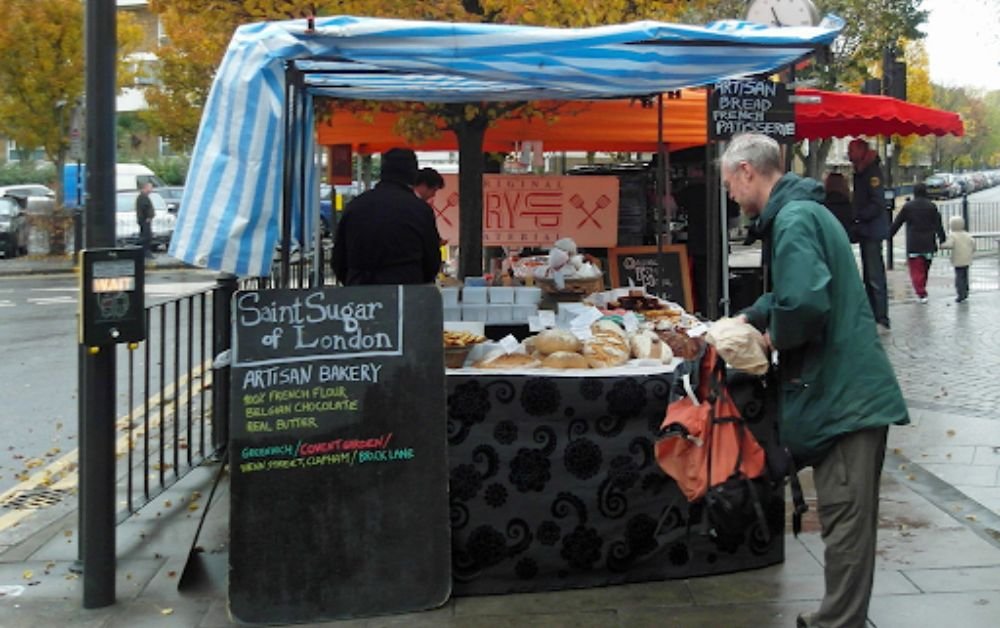
Food tours provide a social and interactive dining experience that is perfect for both solo travelers and groups of friends or family. Sharing a meal is a communal activity, and on food tours, you'll often find yourself dining with fellow participants who share your passion for food. This social aspect fosters connections and camaraderie as you bond over your culinary discoveries. It's an opportunity to swap recommendations, exchange travel stories, and make new friends from different parts of the world. The interactive nature of these tours also allows you to engage with chefs, food vendors, and fellow diners, enhancing the overall enjoyment of your culinary adventure.

Food tours are often accommodating when it comes to food allergies and dietary preferences. Tour organizers understand the importance of catering to a wide range of dietary needs, and they strive to make the experience enjoyable for everyone. Whether you're a vegetarian, vegan, gluten-free, or have specific food allergies, you can usually inform the tour organizers in advance, and they will do their best to tailor the tour to your requirements. This ensures that you can still partake in the culinary adventure without compromising your dietary restrictions. It's a thoughtful aspect of food tours that allows all participants to savor the local flavors with peace of mind.
In the age of social media, food tours offer a treasure trove of Instagram-worthy moments. Each dish you sample, every vibrant market you explore, and the picturesque settings of the dining locations provide ample opportunities for stunning food photography and travel snapshots. Sharing your culinary adventures on social media not only allows you to document your journey but also inspires others to explore new destinations and flavors. The visually appealing nature of food tours makes them a source of envy-inducing photos and unforgettable memories that you can look back on and share with friends and family long after the tour has ended.
Food tours are not just a delightful culinary adventure; they are a passport to a world of flavors, traditions, and unforgettable experiences. Whether you're a seasoned foodie or a curious explorer, these tours offer a unique opportunity to savor the essence of a destination through its cuisine.
From expanding your palate to connecting with locals and gaining insight into a region's culture, food tours provide a feast for the senses and memories that will linger long after the last bite. So, if you're ready to embark on a flavorful journey, don your apron of curiosity and embark on a food tour – your taste buds and wanderlust will thank you!
Studying abroad: the mere mention conjures images of bustling foreign cities, ancient universities, and the promise of adventures that blend learning with global exploration. It's an experience that goes beyond the confines of a traditional classroom, offering a unique blend of academic rigor and life-enriching travel. But what makes studying abroad so transformative, and how can you make the most of this opportunity? Let’s dive into the world of international education and discover how it combines the pursuit of knowledge with the thrill of discovery.

Have you ever wondered why millions of students pack their bags each year to study in a land far from home? The answer lies in the unparalleled mix of high-quality education and the immersion in a new culture. Studying abroad exposes you to diverse teaching methodologies, often in institutions renowned for their academic excellence and innovation. But it's not just about the grades; it's about growing in a setting that challenges and expands your worldview.
Imagine learning Italian in the heart of Rome or delving into international relations in Geneva. These aren’t just academic pursuits; they’re pathways to deep cultural immersion. You learn the local language, engage with the community, and understand global issues from a fresh perspective. It’s an education that textbooks alone cannot provide.
A personalized study plan is your map in this journey. It outlines what you need to learn, when you'll study, and how you'll assess your progress. This doesn't just include academic learning but also developing essential life skills like time management, critical thinking, and effective communication. How will you balance your studies with other responsibilities? How will you keep yourself motivated and on track? A well-thought-out study plan is flexible yet structured, allowing for personal growth while ensuring academic success.
In today's digital age, an array of resources and tools are at your fingertips. From online libraries and educational apps to study groups and tutoring services, these resources can enhance your learning experience. Have you explored which tools might best suit your learning style? Whether it's interactive tutorials, flashcards, or academic journals, integrating these tools into your study plan can make the journey both efficient and enjoyable. Also, don't forget that you can use additional online resources to study while traveling, which can greatly ease the stress of balancing studies and travel. A clear example of such a service is the Edubirdie portal, where you can find a large number of lectures or notes on various topics. You can find literally anything there, from the theory of deliberate play to scientific research in the field of psychology and health.
No journey is meant to be traveled alone. Building a support network of peers, mentors, and educators can provide encouragement, advice, and a sense of community. How will you connect with fellow students or find mentors in your field? Whether through online forums, campus organizations, or study groups, fostering these connections can make the journey less daunting and more rewarding.

Every journey comes with its set of challenges, but it's the perspective you choose that defines the experience. Viewing obstacles as opportunities for growth transforms the journey into an adventure. How will you adapt to setbacks? What strategies will you employ to overcome obstacles? Embracing challenges with resilience and a positive mindset can lead to unexpected discoveries and achievements.
Adopting a growth mindset is key to navigating the educational journey with confidence and curiosity. This means believing that your abilities and intelligence can be developed through dedication and hard work. Are you prepared to step out of your comfort zone, embrace new experiences, and learn from feedback? A growth mindset not only propels you forward academically but also enriches your personal development.
Preparing for the educational journey is not a one-time task but a continuous process of planning, adapting and growing. It's about setting your sights on the horizon, armed with a clear vision, a well-charted map, and a resilient spirit. By understanding the importance of preparation, crafting a personalized study plan, leveraging resources, and embracing challenges, you're not just embarking on an educational journey; you're setting the stage for a lifelong adventure of learning and discovery. Remember, the journey itself is just as important as the destination. So, take a deep breath, embrace the excitement, and prepare to chart your own course. The world of knowledge awaits, and the journey you're about to undertake is nothing short of extraordinary.
One of the most compelling reasons to study abroad is the opportunity to take courses not available at your home institution. Whether it’s specialized subjects or unique fieldwork opportunities, international study programs offer a breadth of education that can significantly enhance your academic portfolio.
But it’s not just your intellect that grows; your personal development takes a leap too. Navigating life in a foreign country fosters independence, adaptability, and resilience. From managing everyday tasks in a new language to handling unforeseen challenges, the experience molds you into a more capable and confident individual.
Studying abroad places you in a melting pot of cultures, connecting you with people from all corners of the globe. These aren’t just classmates; they’re future leaders, innovators, and lifelong friends. The networks you build can open doors to international careers, collaborations, and a deeper understanding of global issues.
The friendships forged in the unique environment of international study are often deeper and more enduring. Shared experiences, from exploring local landmarks to celebrating traditional festivals, create bonds that last a lifetime. These connections enrich your life, providing a global support system and a reason to travel and explore even more.
Studying abroad is not without its challenges. Homesickness, cultural adjustments, and navigating academic expectations in a new environment can test your resolve. But it’s in overcoming these hurdles that the experience becomes truly transformative. Each challenge conquered is a step toward becoming a more adaptable and resilient person.
There’s an undeniable thrill in finding your footing in a new country. The success of managing your studies, social life, and daily logistics in an unfamiliar environment is a significant personal achievement. This independence is empowering, instilling a confidence that permeates all aspects of your life.
Studying abroad is more than an academic endeavor; it’s a journey of personal discovery and global exploration. It challenges you, changes you, and ultimately enriches your life in ways you never imagined. By combining education with world exploration, you gain not just knowledge but a broadened perspective, lifelong friendships, and memories that last a lifetime. So, are you ready to embark on this transformative adventure?
Travel is more than just a way to escape the everyday; it's a journey into the heart of new cultures, histories, and perspectives. Gone are the days when vacations were solely about lounging on beaches and snapping photos of famous landmarks. Today, a growing number of adventurers are turning their trips into educational odysseys, seeking to return home not just refreshed, but enriched. But how does one transform a typical sightseeing trip into a profound insight-seeking journey? Let's dive into the art of making travel a deeply educational experience.

The first step in transforming your travel into an educational odyssey is adopting the mindset of a perpetual learner. This means looking beyond the surface of the destinations you visit. But what does it mean to look beyond the surface? Imagine you're standing in front of the Colosseum in Rome. Instead of just taking a photo, you dive into its history, understanding the engineering marvels of ancient Rome, the societal norms of the time, and the evolution of architectural styles. This deeper exploration turns a simple visit into a lesson in history, architecture, and sociology.
Curiosity is the compass that leads travelers to deeper insights. Don't hesitate to ask questions, whether it's querying locals about their daily lives or discussing historical contexts with tour guides. Each answer adds a layer to your understanding of the place, transforming every encounter into a learning opportunity.
In the digital age, technology is a powerful ally in transforming travel into an educational journey. Various apps and online platforms offer detailed histories, cultural insights, and language lessons, making it easier than ever to deepen your knowledge on the go. Before stepping foot in your next destination, download some educational apps, bookmark insightful articles, and maybe even follow a few local influencers or cultural guides on social media. It will also not be superfluous to bookmark a more professional service for creating scientific papers such as papersowl.com it can be an indispensable assistant.
Even before you travel, you can start your educational journey through virtual tours and podcasts. These resources can offer a wealth of information on your destination's history, art, and culture, setting the stage for a more insightful visit. By the time you arrive, you'll have a richer context for the sights you see, making each experience more meaningful.

The United Kingdom, with its centuries-old universities like Oxford and Cambridge, stands as a beacon of academic excellence. But what makes the UK truly stand out for study travel?
From literature to science, the UK's educational institutions offer a wide range of courses. Their approach to education emphasizes critical thinking and creativity, preparing students for global challenges.
Canada is renowned for its friendly environment and multicultural society. This makes it an ideal destination for international students seeking a welcoming and inclusive study experience.
Canadian universities are celebrated for their research innovations and high academic standards. Whether technology, health sciences, or environmental studies, Canada provides cutting-edge educational programs.
Australia's universities rank among the world's best, offering a relaxed yet rigorous academic environment. The country's emphasis on work-life balance makes it perfect for those looking to combine studies with exploration.
Australia is not just about quality education; it's an adventurer's paradise. From the Great Barrier Reef to the Outback, students can explore a diverse range of natural wonders.
Japan is at the forefront of technology and innovation, making it an exciting destination for students interested in engineering, technology, and science.
Studying in Japan offers a unique opportunity to immerse oneself in a culture that beautifully blends ancient traditions with cutting-edge modernity.
One of Germany's most attractive features for international students is the lack of tuition fees at public universities, combined with high-quality education, particularly in engineering and technology.
Germany's historical sites, from Berlin's Brandenburg Gate to Munich's Oktoberfest, provide a vibrant backdrop to an educational journey.
The Netherlands is known for its innovative and student-centered teaching approach, offering numerous English-taught programs in a country famous for its high proficiency in English.
The Netherlands offers a unique lifestyle, with its bicycle-friendly cities and open-minded culture, making it an appealing choice for students from around the globe.
To truly understand a place, you must experience it like a local. This could mean staying in homestays rather than hotels, participating in traditional festivals, or even learning a few phrases in the local language. Immersing yourself in the local way of life allows you to see the world from a new perspective, fostering empathy and a deeper appreciation for diverse cultures.
Food is a delicious gateway to culture. By exploring local cuisines, you're not just treating your taste buds; you're digesting the history, geography, and sociology of a place. Each dish tells a story of migration, trade, and innovation. So, the next time you're sampling a local delicacy, remember, you're not just eating; you're learning.
Documenting your travels is not just about preserving memories; it's a tool for reflection and learning. By jotting down observations, thoughts, and lessons learned daily, you're creating a personal travelogue that deepens your understanding and appreciation of your experiences. This journal can become a valuable resource for future travels or simply a way to revisit your educational journey from the comfort of your home.
Sharing your travel experiences through blogging, social media, or even informal chats can not only inspire others but also deepen your own insights. The act of articulating your learnings helps cement them in your memory, and the feedback from others can offer new perspectives you hadn't considered.
Transforming travel from sightseeing to insight-seeking is about more than just visiting new places; it's about becoming a student of the world. By embracing the mindset of a learner, immersing yourself in local cultures, leveraging technology, and reflecting on your experiences, you turn each journey into an educational odyssey. The beauty of this approach is that it not only enriches your travels but also transforms you, the traveler, into a bridge between cultures, a storyteller of the world's endless narratives, and, most importantly, a lifelong learner. So, the next time you pack your bags, ask yourself: Am I ready not just to see the world, but to understand it?
Skiing is a popular getaway activity that takes playing with snow to a whole new level. According to a report on the ski and snowboarding industry by Forbes, 10.5 million skiers visited resorts in the United States from 2020-2021, and more than one million of those visitors were first-timers. Whether it’s in Aspen or Breckenridge, skiing is perfect for thrill seekers and adrenaline junkies.

Before planning your next skiing adventure, there are some things you should consider. In our previous article about snow forecasting, we mentioned how areas affected by warmer temperatures can have less snowfall, which could affect your skiing experience. Monitoring snow forecasts helps you plan how you can make the most of your time on the slopes — and whether it’s safe to do so. Skiing is an extreme sport that can also result in injuries, so paying close attention to the weather and wearing the right gear is important to protect you from harm. Here are some tips for picking the right snow gear for your next ski trip.
Your hands help you stabilize movement with your poles when skiing, and it can be pretty distracting and difficult to navigate the slopes if they're cold or lack grip. To ensure your hands are at their best during your ski trip, remember to bring gloves that provide adequate insulation to keep them warm. Waterproofing on your gloves is also crucial, as it helps your hands keep dry in the snow. Don’t forget to test if the gloves provide a good grip on your ski poles and allow your fingers to move easily as well. The North Face’s Etip Recycled Gloves are a great find if you’re looking for durable gloves that provide warmth and a good grip on a chilly trip to the mountains.

Wearing snow goggles is important when you’re high up in the mountains to ski, especially because your eyes are at risk of exposure to too much ultraviolet (UV) light from the sun, which could lead to vision problems such as photokeratitis or snow blindness. The ski goggles from Oakley carry the brand’s patented Plutonite lens material, which provides 100% UV protection and is included in their Flight Tracker and Target Line models. These goggles also have the Flexible O Matter chassis that allows for a comfortable fit to your face and meets the American National Standards Institute’s impact requirements. Using quality goggles during a ski trip is crucial for vision protection and helps you avoid any unfortunate trips to your eye doctor.

Wearing a helmet during a ski trip is necessary for preventing serious head injuries that may occur when you fall or hit obstacles. A study on snow sports injuries found that incidents of head or neck injuries were highest in freestyle skiing, which is why a good helmet is important to prevent fatal fall damage when you’re up in the mountains. Choose a helmet with a hard outer shell and a comfortable fit to help you have a smooth and safe skiing experience. REI Co-op’s Smith Method Mips Round Contour snow helmet is perfect for your trip, especially since it meets American standards for snow helmet certification and is lightweight with impact protection.

Ski boots connect your body to your skis, so you need a pair that enhances your balance, performance, and enjoyment to avoid any injuries. Make sure you have boots with a hard outer shell to avoid risks of ankle injuries and a soft inner layer to provide warmth and comfort for your feet. You can try the Radical Pro ski boots from Dynafit, which are light and comfortable and have a Hoji Lock system that allows you to use them comfortably when you’re climbing or descending.
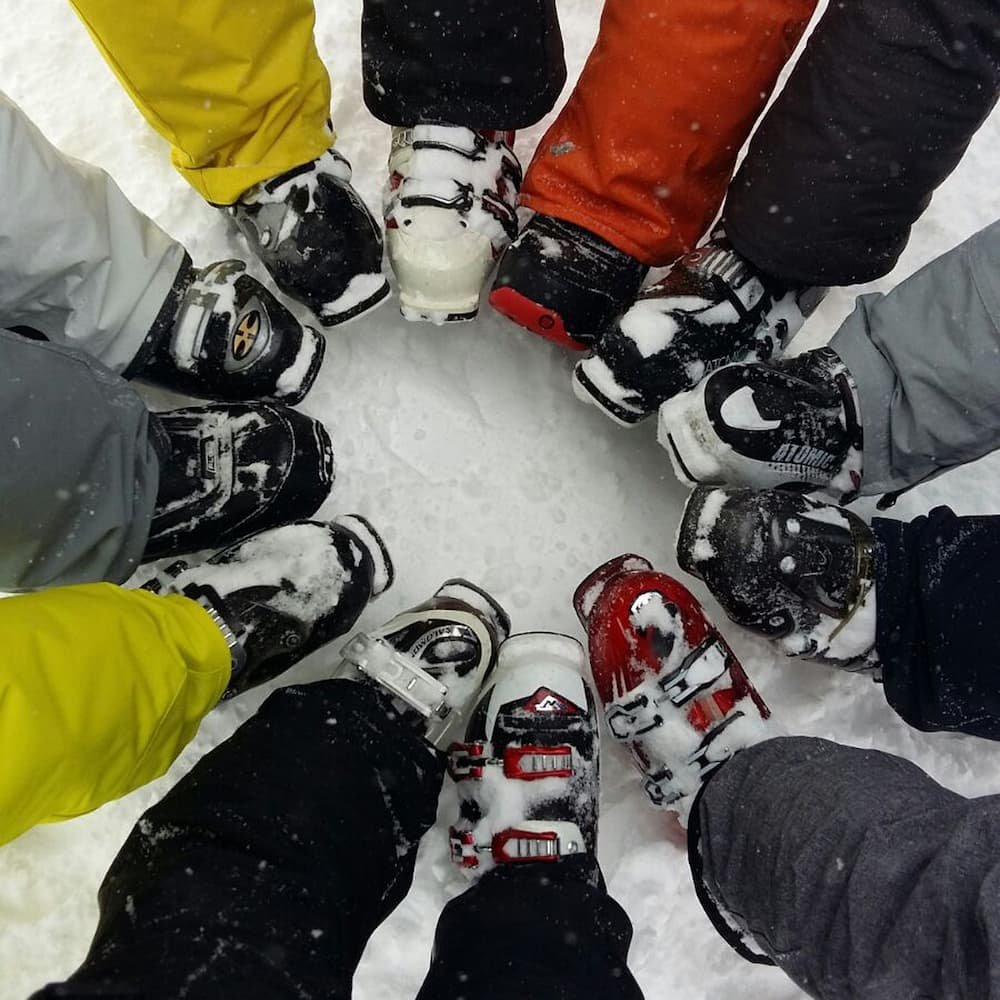
Using the right gear for your next ski trip prevents possible injuries and enhances your overall experience and performance. Be sure to follow these tips for a safe and comfortable skiing adventure.
As you prepare for the skiing season, understanding how snow forecasting impacts the sport is crucial. Different regions rely on accurate predictions to shape the ski and snowboard industry's operations, from opening day to the last run of the season. Snowfall predictions are essential because they dictate not only the quality and quantity of snow at resorts but also safety measures and resource allocation. As an example, you can find accurate snow forecasts from Piste Pro who offer valuable insights, ensuring enthusiasts like you have the best experience while hitting the slopes.

Weather patterns such as El Niño can cause variations in temperatures and precipitation, affecting snow conditions and consequently, the ski seasons in various regions. For instance, in areas where El Niño results in warmer sea surface temperatures, you might expect to encounter less snowfall, influencing the duration and enjoyment of your skiing activities. On the other hand, more frigid conditions lead to snowstorms that could extend the season and provide fresh powder. Resort operations must adapt to these forecasts, impacting everything from staffing to the grooming of trails.
The ability to accurately forecast snowfall is critical for ski resort operations, affecting everything from daily management to long-term planning. Advanced forecasting techniques and technologies enable resorts to prepare for the snow season effectively, ensuring economic stability and safety for visitors.
In the realm of winter sports, meteorologists use sophisticated models to predict snowfall, which is pivotal for ski resorts to manage their resources. The snow forecasts are based on various climate data including temperature, humidity, and atmospheric pressure. These forecasts inform resort operators about the thickness of the snowpack and expected precipitation levels. Resorts rely on such technological advancements to make decisions ranging from snow grooming to avalanche control measures.
When a promising snow forecast emerges, ski resorts must respond swiftly. They adjust their operations, deploying snow-making equipment if natural snowfall is predicted to be insufficient, and strategize lift operations to accommodate the influx of skiers. Employing forecasts from Piste Pro, resorts can obtain up-to-date information, allowing for real-time decisions that can enhance the skiing experience while ensuring the environment remains protected.
The financial health of ski resorts is intimately tied to accurate snow predictions. When meteorologists provide reliable forecasts, resorts can better schedule staff, manage ski lifts, and prepare hospitality services to match visitor demand. Accurate forecasts also help mitigate financial risks associated with unpredictable weather patterns, securing the economic viability of the resorts.
Understanding the complexity of snow forecasting is critical to anticipating how your ski season may unfold. Variations in climate patterns significantly affect snowfall and ski seasons in different regions.
In North America, particularly in the United States and Canada, ski seasons are deeply influenced by local weather systems. The National Weather Service (NOAA) monitors these systems, providing forecasts that help resorts manage and predict the skiing conditions. For example, in the Rocky Mountains, you can expect a longer ski season with consistent snowfall attributed to the continental climate and elevation.
European ski resorts are largely influenced by the complex weather systems of the Alps. Snow forecasts in these regions involve monitoring alpine-specific patterns, which can lead to varying snow conditions across short distances. In recent years, studies such as "Snow Moving to Higher Elevations" discuss the observable trend of snowlines moving upward, indicative of changing climatic conditions.
Climate change is reshaping ski seasons around the globe, as you can see in shifted patterns and trends in snowfall. Research such as "A mechanism for regional variations in snowpack melt" emphasizes the delayed snowpack melt, altering the timing of snow availability for skiing. Global warming introduces greater variability, influencing phenomena like El Niño and La Niña, which in turn affect regional ski conditions.
Your understanding of snow forecasting is crucial to navigating the ski season. Climate projections indicate a decrease in the length of the skiing season at various ski resorts, such as those in Aspen, due to climate change. Projected climate change impacts skiing. In regions of high elevation, you might notice less significant changes in snow-water equivalent (SWE) midseason Impact of Global Warming on Snow in Ski Areas. Recognizing these patterns allows you to plan your ski trips more effectively. As you prepare for the skiing season, keep informed about current climate trends and their impact on snow conditions to make the most of your time on the slopes.
Skateboarding isn't only a sport, it's a manner of lifestyle deeply ingrained inside the subculture of California. The Golden State is home to some of the best camping spots, iconic landmarks, and thrilling skateparks, providing thrills for skaters of all levels. From iconic oceanfront places to environmentally-aware designs, California's skateparks are a must-go for any skateboarding enthusiast. In this complete guide, we're going to take you on a journey to the seven best skate parks in California, each providing its very own flair, capabilities, and challenges.

At the coronary heart of the world-well-known Venice Beach boardwalk lies the Venice Beach Skatepark, a mecca for skaters of all talent levels. This park gives an excellent blend of road and bowl elements, making it ideal for the ones trying to hone their abilities or virtually have fun. What genuinely units this skatepark apart, however, is its breathtaking ocean views. As skaters grind on rails, grasp transitions, and carve the pool-fashion bowl, they are able to take in the beautiful Pacific Ocean in all its glory. If you're looking to enhance your skateboarding skills even further, consider taking LA skateboard lessons. The vibrant skate culture of Venice Beach Skatepark, Los Angeles provides a perfect backdrop for learning and improving your techniques. The iconic reputation of Venice Beach Skatepark makes it a must-go for any skate enthusiast, presenting active and galvanizing surroundings for all.
Etnies Skatepark in Lake Forest sticks out for its revolutionary use of recycled substances in its construction, presenting a green method to intense sports. This park capabilities road courses, flowing bowls, and a large cradle, supplying a various and thrilling skating revel in at the same time as retaining a dedication to sustainability. The park's environmentally-pleasant layout extends past its use of recycled substances, incorporating water-saving landscaping and energy-green lighting, putting it aside and presenting a completely unique revel in for environmentally-aware skaters.

One of the largest and most diverse skate parks in California, Lake Cunningham Regional Skate Park in San Jose offers an impressive array of features, including a full pipe, multiple bowls, and a street course. Skaters of all levels can enjoy endless hours of shredding and skill-building at this park. The rare full pipe at Lake Cunningham provides an additional layer of adventure and exhilaration to the park, making it notable for beginners and experienced skaters alike.

Curt Pernice Skatepark was named one of the greatest in California by Thrasher magazine and with good reason. Curt Pernice is located in the Central Valley town of Ripon, this park is known for its gigantic pool, a concrete giant that takes up the majority of the 30,000-square-foot facility and can compete with any other in the state. Skaters can choose from several pyramids, boxes, rails, step-ups, and a nice half pipe. The park's vibe appeals to beginners, tourists, and hard-core skaters alike, making it a diverse and entertaining destination for all skate fans.

Belvedere Skatepark, nestled in the heart of Belvedere Community Park, offers skaters a dynamic urban playground. With its well-designed layout, the park caters to skateboarders of all levels. Featuring an assortment of ramps, rails, and ledges, Belvedere Skatepark is a haven for enthusiasts seeking diverse challenges. The park's strategic location provides a welcoming atmosphere, attracting both locals and visitors. Whether you're perfecting tricks or enjoying a casual ride, Belvedere Skatepark stands as a vibrant hub for the skateboarding community. Its inclusive design and engaging features make it a go-to destination for skaters looking for a thrilling and supportive environment.

Potrero Del Sol Skatepark stands as a concrete wonderland for skateboarders seeking an urban oasis to showcase their skills. This hidden gem, often overshadowed by the city's iconic landmarks, has become a haven for skateboarders looking for a unique and challenging environment in San Francisco Skateparks. The park features a combination of smooth concrete surfaces and challenging obstacles, allowing skaters to seamlessly transition between different styles and tricks.

The Cove Skatepark helped legends like Tony Alva, Jay Adams, and Stacy Peralta bring their surfing moves to the concrete. This skatepark was upgraded in 2005, yet it retains its old-school flavor and significant role in the sport's history. The Cove Skatepark has a street course and a large bowl with a six-foot-deep square shallow end, a six-foot-round pocket, a nine-foot-deep oval, and a thirteen-foot clamshell, providing a range of skating possibilities. The breathtaking coastal vistas and thriving skateboarding culture make this park a must-see for both skaters and tourists.

California's skateparks offer a diverse array of experiences, catering to various interests and skill levels, embodying the spirit of skateboarding culture in the Golden State. Whether you're a street skater in search of the perfect ledge, a vert enthusiast seeking the finest bowl, or a newcomer mastering the basics, California's skateparks have something for everyone. Not only renowned for its skateparks, California boasts the best amusement parks such as Disneyland Park and Universal Studios Hollywood. These iconic destinations provide an adrenaline rush and a sense of community, making them must-visit attractions.
Accommodation is one of the most important elements you must consider when traveling. It’s a kind of game of compromise to find the perfect balance between fulfilling your housing needs and not overpaying. In other words - most of us look for cheap but quality accommodation. How to reconcile these two things?
In this article, I’d like to share with you my top practical tips and ways to save money on accommodation.
First, you must answer the basic question - what’s the purpose of your planned travel? There are dozens of reasons people travel. Right, most of us do it just for leisure. But most don’t equal all.
For instance, digital nomads prioritize accommodation with specific amenities, like a reliable internet connection, an ergonomic chair, and a desk. This type of travel decision impacts your choice of accommodation significantly.
Fortunately, there are dedicated websites like TripOffice.com for digital nomads housing. They focus on hotels, hostels, and guesthouses providing these essential facilities. You can use filters on booking sites to choose what facilities and amenities are crucial to your needs.

Understanding the variety of affordable accommodation options available can significantly impact your travel budget. Here are some options to consider:
Hostels are a popular choice for budget travelers. They offer dormitory-style rooms with shared facilities, making them more affordable than traditional hotels. Hostels also provide an excellent opportunity to meet fellow travelers and make new international friendships.
Platforms like Couchsurfing allow travelers to stay with locals for free. It's a fantastic way to experience local culture and make new friends while saving money on accommodation. Remember that it's a reciprocal system, so you may also need to host travelers in your home.
Guesthouses and Airbnb rentals can be cost-effective alternatives to hotels. Look for properties that fit your budget and location preferences. Many Airbnb hosts offer discounts for longer stays, making it a budget-friendly option.
House sitting involves taking care of someone's home while they're away. In exchange, you get free accommodation. Websites like TrustedHousesitters connect house sitters with homeowners looking for reliable caretakers.
Home exchanges involve swapping homes with another traveler. You stay in their home while they stay in yours. It's a unique way to experience different destinations without spending much on accommodation. Platforms like HomeExchange facilitate these exchanges.
In some situations and places, camping or renting a campervan can be the best accommodation choice. From my experience, there is no better way to explore the breathtaking landscapes in Scotland than renting an RV and camping in nature! Prices generally start at $39[1] per night or $234 per week making it a very cheap alternative.

Don't rule out hotels entirely when looking for affordable accommodation. While they can be more expensive, there are ways to find cheap hotel deals. Keep reading to discover how to make hotel stays budget-friendly.
Vacation rentals provide a home-like atmosphere with more space and amenities compared to traditional accommodations. They are ideal for families and groups looking for affordable yet comfortable stays. Here are some budget-friendly vacation rentals to consider:
Naples Florida Vacation Homes: Offering a variety of affordable rental homes in Naples, Florida, perfect for family vacations and group stays.
First Flight Rentals: Specializes in Outer Banks vacation rentals, offering affordable and comfortable homes close to the beach.
Commodore Perry: A historic inn offering affordable vacation rentals with a unique charm and modern amenities.
Anna Maria Island Beach Rentals: Provides a range of budget-friendly beach rentals on Anna Maria Island, ideal for a relaxing getaway.
Sand 'N Sea Properties: Offers affordable vacation rentals in Galveston, Texas, with options close to the beach and local attractions.
Gulf Shores Vacation Rentals: Features budget-friendly rentals in Gulf Shores, Alabama, perfect for families and groups looking for a beach vacation.
You must understand the simple fact - some destinations are expensive. Over. It’s almost impossible to find quality and cheap accommodation in cities like Paris or New York. The high demand for these destinations drives up accommodation, dining, and activities prices.
On the other hand, there are a lot of budget-friendly destinations, such as Vietnam or Georgia in the Caucasus. When planning your trip, consider the cost of living in your chosen destination and adjust your budget properly.
The location of your accommodation can significantly impact your overall expenses. Typically, accommodations in the city center are more expensive than those in the suburbs or less popular areas. However, before opting for a cheaper suburban option, consider transportation costs. If you'll spend a substantial amount commuting to the city center, staying closer to your desired attractions might be more cost-effective.
Sometimes, staying slightly outside the popular tourist areas can save you money without sacrificing convenience. Do your research and assess the trade-offs to make an informed decision.
When thinking about cheap accommodation, don't forget to factor in your food expenses. Depending on your destination, it may be more cost-effective to choose accommodation with meals included. Some places, like Thailand, offer cheap and delicious street food, making eating out a budget-friendly choice. In contrast, countries like Germany have much higher restaurant prices. Therefore, if you plan to go to Bavaria, consider accommodation equipped with kitchen facilities!

Consider your eating habits and preferences when deciding on accommodation. Having breakfast included or access to a kitchen for meal preparation can help you save on dining expenses.
The timing of your trip can have a huge impact on accommodation prices. Consider the following factors when planning your travel dates:
Traveling during the off-peak season can lead to serious savings on accommodation. Many destinations offer lower prices during periods of lower tourist activity.
Additionally, you'll often experience smaller crowds and more peaceful surroundings. However, remember that off-peak seasons may be related to bad weather conditions, so do your research.
If your travel dates are flexible, book your accommodation for mid-week stays. Many hotels and accommodations offer lower rates from Monday to Thursday, as weekends are typically more popular. This simple adjustment can help you save money without compromising on the quality of your stay.
Another strategy to find cheap accommodation is to stay in one place for longer. Many accommodations, especially apartment rentals and guesthouses, offer discounts for guests who stay for an extended period. It can help to save your money.
By staying in one place for a while, you'll have the opportunity to build connections with locals, explore hidden gems, and immerse yourself in the local lifestyle. It's also a more sustainable way to travel, reducing your carbon footprint. and contributing positively to the community.
Finding cheap accommodation requires careful planning, flexibility, and a willingness to explore alternative options. By defining your travel goals, understanding the various accommodation options, considering your destination's cost of living, and utilizing timing and location to your advantage, you can save money on your travels.
Remember that cheap accommodation doesn't mean sacrificing quality or comfort, and with the right planning, you can enjoy budget-friendly stays while making unforgettable memories.
Source
1. Midtown Caravan Park 2025, Caravan site accommodation, Midtown Caravan Park. Available at: https://midtowncaravanpark.com.au/accommodation/caravan-site/ [Accessed 23 January 2025]
For those who frequently traverse the globe, whether for leisure, work, or a nomadic lifestyle, managing possessions can be a complex puzzle. The concept of self-storage becomes not just a convenience but a necessity. This article aims to unravel the intricacies of selecting and utilizing self-storage units for frequent travelers. It addresses the unique challenges faced by those who are often away from home, offering practical solutions for storing belongings safely and efficiently.

We delve into how to choose the right storage unit tailored to travel schedules, the best practices for packing and organizing items for extended periods, and strategies to manage storage facilities from afar. Understanding these elements can significantly ease the logistical burdens of frequent travel, allowing more focus on the joys and experiences of your journeys. By the end of this discussion, the goal is to provide a comprehensive guide that equips frequent flyers with the knowledge and confidence to use self-storage effectively, enhancing their travel lifestyle.
The selection of an appropriate self-storage unit is a critical decision for frequent travelers, as it determines how well their belongings are preserved during their absences. Size is an initial consideration – too small, and you risk cramming and damaging items; too large, and you're paying for unutilized space. For travelers, a balance between space and budget is essential. Location is another key factor. A unit located near airports or major travel hubs offers convenience, especially for those with tight schedules.
Security features cannot be overlooked; ensuring your belongings are safe gives peace of mind while traveling. Perhaps the most crucial aspect for travelers is accessibility. Opting for 24 hour self storage units provides the flexibility to access belongings at any time, a vital feature for those with unpredictable or unusual schedules. Climate control is another feature to consider, particularly for storing sensitive items over long periods. By carefully evaluating these factors, frequent flyers can choose a storage unit that not only meets their specific needs but also complements their travel lifestyle.
For a seamless and secure storage experience while you're on the move, check out WheeKeep and discover flexible self-storage solutions tailored for frequent travelers.

When preparing belongings for long-term storage, especially for frequent travelers, the approach to packing can significantly impact the condition and longevity of stored items. Proper packing is not just about saving space; it’s about preserving your belongings while you're away. Utilizing the right techniques and materials is crucial for ensuring that items remain in good condition, regardless of the duration of storage.
Key packing tips include:
The American Moving and Storage Association provides additional insights and guidelines on packing effectively for storage. Adhering to these tips can make a significant difference in keeping your belongings safe and in pristine condition. For travelers, this means returning to their possessions exactly as they left them, ready for their next adventure or homecoming.
Efficient utilization of space in a self-storage unit is vital, especially for travelers who need to store a variety of items from luggage to souvenirs. The key to maximizing storage space lies in strategic organization and the use of space-saving techniques. Begin by placing larger, heavier items at the back of the unit and work forward with lighter, frequently used items remaining accessible. Furniture that can be disassembled should be broken down to its smallest form. Hollow spaces inside wardrobes or drawers can be used to store smaller items or soft goods like bedding and clothing. Vertical space is often underutilized; shelving units can be a game-changer, allowing for orderly stacking and easy access.
Another effective strategy is to use uniform box sizes where possible; this simplifies stacking and reduces wasted space. For items that you'll need to access regularly, create a clear pathway within the unit for hassle-free retrieval. By applying these space-optimization techniques, frequent travelers can ensure that their storage unit is a model of efficiency, making the best use of the space while keeping their belongings organized and easily accessible.
Handling a self-storage unit while traveling internationally poses unique challenges. The key is to establish a system that allows for remote management, ensuring that your belongings are safe and accessible, even when you are miles away. Advanced planning and the use of technology play crucial roles in this process.
Essential steps to manage your storage unit effectively from abroad include:
These strategies, detailed on resources like the National Storage Association, ensure that your storage needs are taken care of without requiring your physical presence. Additionally, it's important to have a clear line of communication with the storage facility. Opt for one that offers customer support via email or chat, which can be more accessible when you are in different time zones. By implementing these measures, travelers can have peace of mind knowing their stored items are secure and well-managed, irrespective of their global whereabouts.
For the wandering souls who are often navigating airports rather than staying put, finding cost-effective storage solutions is essential. One of the most significant ways to save money is by selecting the correct size of the storage unit; too large, and you're paying for unneeded space, too small, and you risk damaging your items. Seasonal deals and long-term rental discounts offered by many storage facilities can also lead to substantial savings. It's advisable to compare prices and services of different storage facilities in the area, as rates can vary considerably.
Another aspect often overlooked is insurance. While it might seem like an additional cost, opting for insurance can be economically prudent, especially for those storing valuable items. This proactive approach not only safeguards possessions but also provides financial peace of mind. By strategically choosing the right storage solutions, travelers can ensure their belongings are safe without putting a dent in their travel budget.
As we wrap up, it's clear that smart self-storage solutions offer tremendous benefits for frequent travelers. By selecting the right unit, packing efficiently, and utilizing cost-effective strategies, travelers can enjoy their journeys without the burden of worrying about their possessions. Implementing these tips ensures that your items are safe, organized, and ready for your return, making your travels more enjoyable and stress-free.
