Every hiking trip teaches you something. Sometimes it is about pacing. Sometimes it is about weather. Often, it is about what you packed and what you wished you had.
Over time, I have narrowed my hiking setup down to essentials that genuinely improve the experience. These are not about having the most gear. They are about having the right gear.
Here are the ten items I consider essential for a hiking trip, whether it is a long day hike or a multi-day adventure.
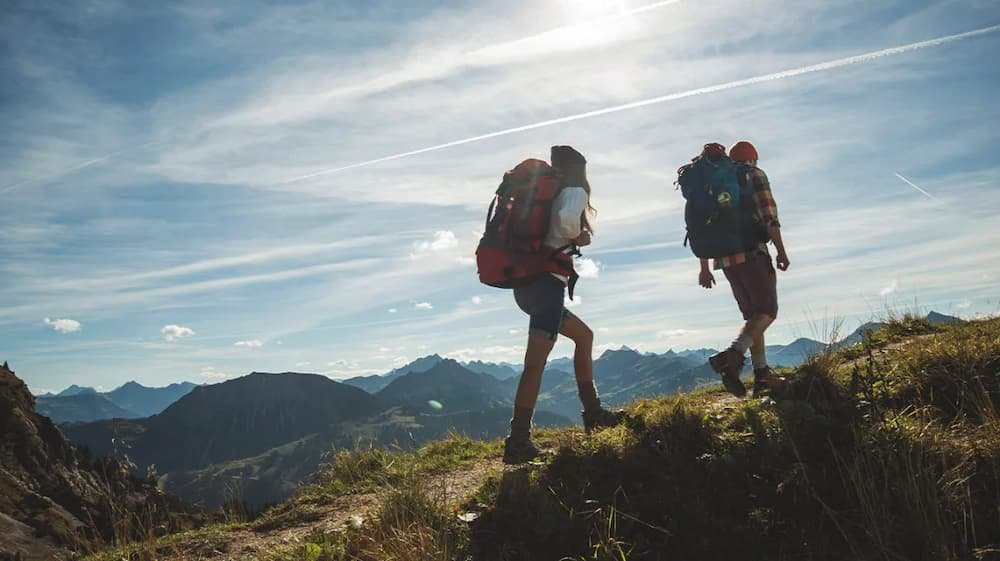
Hiking shoes are the most important decisions you make before hitting the trail. The wrong pair can ruin a trip quickly.
I look for shoes with good traction, stable soles, and enough room to stay comfortable over long distances. Fit matters more than anything.
Altra Lone Peak 9 trail shoes are a popular choice because of their roomy toe box and lightweight feel, which help reduce foot fatigue on long hikes.
Other strong options include the Salomon X Ultra series for stability on uneven terrain, the Merrell Moab line for comfort and durability, and the HOKA Speedgoat for cushioning on longer distances.
Choosing the right hiking shoe depends on terrain, distance, and personal comfort, but investing here pays off immediately.
A well fitting backpack distributes weight evenly and prevents strain. For day hikes, I prefer packs with padded straps, a breathable back panel, and enough space for essentials without encouraging overpacking.
A poorly fitting pack becomes noticeable very quickly.
Weather changes fast outdoors. I always pack layers that allow me to adjust easily.
A breathable base layer, an insulating mid layer, and a lightweight outer shell usually cover most conditions. Avoid bulky items that limit movement.
The National Park Service recommends layering to regulate body temperature and stay comfortable during hikes.
Staying hydrated is non-negotiable. I bring more water than I think I need, especially on warm or exposed trails.
Hydration bladders work well for longer hikes, while bottles are fine for shorter ones. Knowing where refill points exist helps with planning.
Not all snacks are equal on the trail. I choose items that provide steady energy rather than quick sugar spikes.
Trail mix, protein bars, and simple carbohydrates work well. Eating small amounts regularly keeps energy levels consistent.
Even familiar trails deserve respect. I carry a map or offline navigation on my phone, along with a fully charged battery.
Technology is helpful, but it should never be the only option.
The American Hiking Society emphasizes the importance of navigation preparation, even on well marked trails.
Sun exposure adds up quickly on the trail. A hat, sunglasses, and sunscreen are essential, even on cooler days.
High elevation and reflective surfaces increase exposure more than many people realize.
A small first aid kit covers blisters, minor cuts, and unexpected discomforts. It does not need to be extensive, just thoughtful.
Blister care alone can save a hike.
An extra pair of socks is a simple luxury that becomes essential when conditions change.
Dry socks reduce friction and keep feet comfortable, especially on longer hikes or after stream crossings.
The most overlooked essential is mindset. Allow time for breaks, scenery, and adjustments.
Rushing leads to mistakes. Flexibility keeps hikes enjoyable rather than stressful.
Each item on this list supports the others. Comfortable shoes reduce fatigue. Good hydration maintains energy. Layers help you adapt.
When these essentials work together, hiking becomes about the experience rather than managing discomfort.
Overpacking is common, especially for newer hikers. Heavy extras often go unused and add strain.
If something does not serve safety, comfort, or function, it usually stays home.
Hiking does not require complicated gear lists. It requires thoughtful choices.
Focusing on essentials like well-fitting hiking shoes, reliable layers, and proper hydration creates a solid foundation for any trail.
When preparation feels simple and intentional, hiking becomes what it should be. A chance to move, explore, and enjoy the outdoors without distraction.


