People only focus on booking their flights when they start planning a backpacking trip. Accommodation usually comes next. The budget often gets less attention until the journey is already underway. I have seen travelers change their plans after only a few days because they spent more than expected. Transport costs were higher than they thought. Food was not as cheap as the travel blogs suggested. Small expenses added up quickly.
That does not mean backpacking has to be expensive. Most budget problems come from simple decisions made before and during a trip. A bit of planning can make a noticeable difference. So can knowing where to spend money and where to save it.
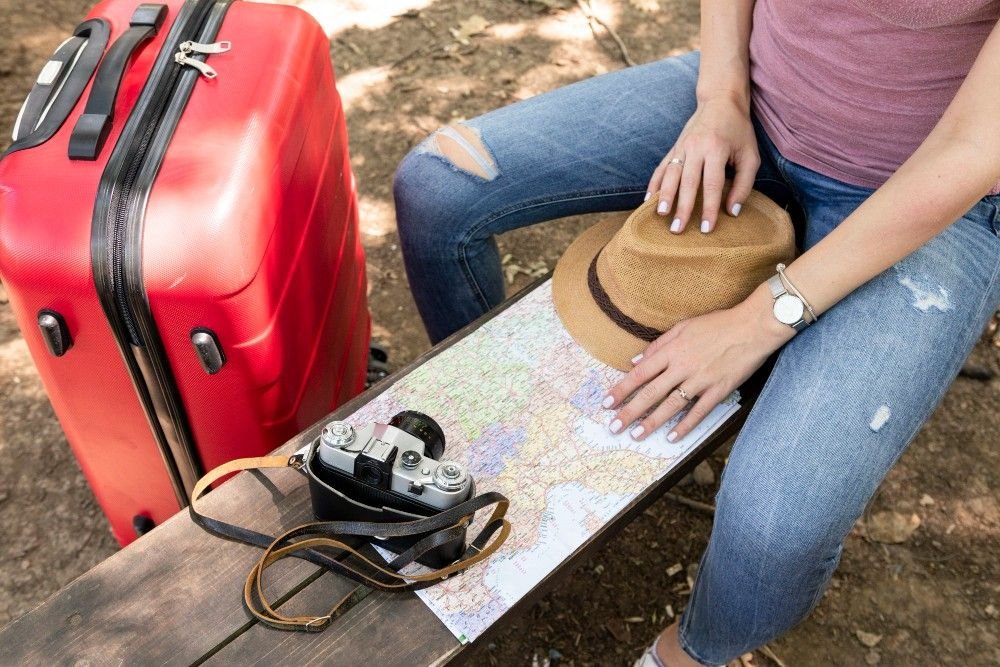
Budget backpacking is not really about being cheap. It is more about keeping your trip going without constantly worrying about money running out.
Most of it comes down to small decisions. Where you sleep. How you move between places. What you eat when you are tired and just want something quick?
What makes it work usually looks like this hostels or small guesthouses instead of hotels buses and trains more than private rides
street food or local places, not tourist restaurants slower travel so you are not always paying for transport carrying less stuff so moving around is easier
It is not about spending as little as possible. Most people are not tracking every coin. They just want the same money to last longer so they can stay on the road.

One of the most common reasons backpacking trips become stressful is poor financial planning. Many travellers underestimate daily expenses and focus exclusively on flights and accommodation. However, transportation, food, attraction fees, mobile data, travel insurance, laundry, and emergency expenses all contribute to the total cost of a journey.
A practical backpacking budget starts with destination research. Countries such as Thailand, Vietnam, Indonesia, and Bolivia generally offer lower daily travel costs than destinations in Western Europe or North America. Understanding average accommodation prices, transportation expenses, and food costs helps travellers determine how long their budget will realistically last.
When building your travel budget, account for the following categories:
| Expense Category | What to Include |
| Accommodation | Hostels, guesthouses, budget hotels |
| Transportation | Flights, buses, trains, metro systems |
| Food & Drinks | Restaurants, groceries, snacks |
| Activities | Attractions, tours, entrance fees |
| Connectivity | Mobile data and internet access |
| Insurance | Travel and medical coverage |
| Emergency Fund | Unexpected travel expenses |
Experienced backpackers often calculate a daily spending target and track expenses throughout the trip. This approach helps identify unnecessary spending before it becomes a problem and allows travellers to adjust their plans when needed.
A well-planned backpacking route can save hundreds of dollars over the course of a trip. One of the biggest mistakes new travellers make is constantly backtracking between destinations, resulting in higher transportation costs and wasted travel days.
Instead of selecting destinations randomly, start by identifying regions that are well connected by public transportation. Popular backpacking routes exist for a reason. They typically offer affordable transportation networks, budget accommodation options, established tourist infrastructure, and safer travel conditions for independent travellers.
For example, many travellers exploring Southeast Asia follow a route that includes Bangkok, Chiang Mai, Luang Prabang, Hanoi, Hoi An, Ho Chi Minh City, and Phnom Penh. These destinations are connected through affordable buses, trains, and regional flights, making travel both convenient and cost-effective.
When planning your itinerary, consider the following:
The most successful backpacking itineraries provide structure without becoming restrictive. Having a general route while remaining adaptable often results in a better travel experience.
Accommodation is one of the biggest travel expenses, but backpackers have multiple low-cost options:
When comparing accommodation options, look for:
A slightly higher nightly rate often delivers significantly better value when these factors are considered.
Transport costs can quickly increase if not planned properly. When evaluating transportation options.
consider the following practical strategies:
One of the most overlooked parts of modern travel is staying connected for navigation and booking. Many travelers now rely on digital connectivity instead of buying physical SIM cards in every country.
This is where modern tools like Cheap eSIM options become useful for backpackers who want instant mobile data access without searching for local SIM stores.
Packing light is essential. A heavy backpack reduces mobility and increases fatigue.
Essentials for backpacking:
Packing rule:
If you haven’t used it in the last 6 months, you probably don’t need it.
Modern backpacking relies heavily on digital connectivity. From booking accommodation and navigating unfamiliar cities to translating languages and managing travel finances, having reliable internet access is essential throughout the journey. However, international roaming charges from traditional mobile providers can quickly become expensive, especially for long-term travellers or those visiting multiple countries.
This is why many experienced backpackers now rely on digital SIM technology to stay connected affordably. A Cheap eSIM provides travellers with instant mobile data access without the need for physical SIM cards. It allows users to activate mobile plans digitally, switch between networks easily, and maintain consistent connectivity across borders.
A Cheap eSIM is particularly useful for backpackers because it eliminates the hassle of purchasing local SIM cards in every destination while helping reduce communication costs. It also ensures immediate internet access upon arrival, which is critical for booking transportation, checking maps, or contacting accommodation providers.
In practical terms, reliable connectivity supports:
Maintaining consistent internet access improves both convenience and safety throughout the journey.
Safety is a critical part of travel planning, especially for long-term backpacking.
Avoiding these mistakes can save both money and stress:
Budget backpacking is not just about traveling cheaply — it is about traveling intelligently. With the right planning, safety awareness, and smart travel habits, it becomes possible to explore multiple countries without overspending.
Modern tools, flexible planning, and smart connectivity solutions like Cheap eSIM options make travel easier than ever before. Whether you are a first-time traveler or an experienced backpacker, applying these strategies will help you travel further, safer, and more efficiently.


