Winters in the Alps no longer follow the reliable patterns many skiers once took for granted. Rising temperatures, irregular snowfall, and longer periods of rain at lower elevations are steadily altering the character of mountain destinations. What used to feel like a predictable season now demands greater adaptability from both resorts and visitors. The changes are uneven, yet their cumulative effect is already visible across the region.
High-altitude locations have so far proved more resilient. Val Thorens, perched at Europe’s highest ski resort elevation, continues to benefit from colder conditions and more consistent snow cover than many lower sites. Its position allows operators to maintain a longer operating window even as temperatures edge upward.
Access to such places often begins at Geneva, a major gateway whose proximity to the French Alps makes it a practical starting point for travelers seeking reliable snow. One additional example can be found in certain Swiss valleys, where similar elevation advantages have helped preserve traditional winter activity, though even these areas face gradual pressure from warming trends.
The consequences extend well beyond the slopes themselves. Shorter natural snow seasons push resorts toward heavier reliance on artificial snow production, which consumes substantial water and energy resources.
For visitors, the practical outcome is a greater need to choose destinations carefully and to travel in ways that do not compound existing environmental strain.
Transportation plays a quiet but significant role in this evolving picture. Conventional approaches, individual car rentals, multiple taxis, or poorly coordinated public links, add unnecessary vehicles to mountain roads and increase overall emissions. In contrast, shared van transfers and well-organized private van services offer a lower-impact alternative that aligns better with the ecological pressures now facing the Alps. You can visit this page to check several options for private van transfers.
By consolidating passengers into fewer vehicles, shared vans meaningfully reduce the number of cars climbing toward the resorts. Private vans, when filled by a single group or family, still avoid the inefficiency of several separate taxis making the identical journey. Both options typically provide direct routes from Geneva Airport to destinations such as Val Thorens, limiting idle time, unnecessary mileage, and repeated trips along the same corridors.

The ecological advantage is straightforward and measurable in everyday terms :
For travelers concerned about their footprint, selecting these services becomes one of the simpler decisions that aligns personal convenience with broader environmental considerations. In a region already under climatic stress, such choices gain added weight.
Climate shifts will continue to reshape the Alps in the years ahead. Higher resorts such as Val Thorens may retain their appeal longer thanks to elevation, while access points like Geneva remain central to how people reach them.
Resorts are responding with a mix of technical solutions and strategic planning: improved snow management, diversified summer offerings, and increased attention to energy efficiency. Yet infrastructure alone cannot solve the challenge. Visitor behavior, particularly around how groups move from airport to mountain, also influences the overall pressure placed on these fragile environments.
Opting for shared or private van transfers represents a modest but concrete step toward lighter travel. It does not eliminate the broader impacts of tourism, yet it reduces one clear source of unnecessary emissions and road stress. When multiplied across thousands of seasonal visitors, the cumulative effect becomes meaningful.
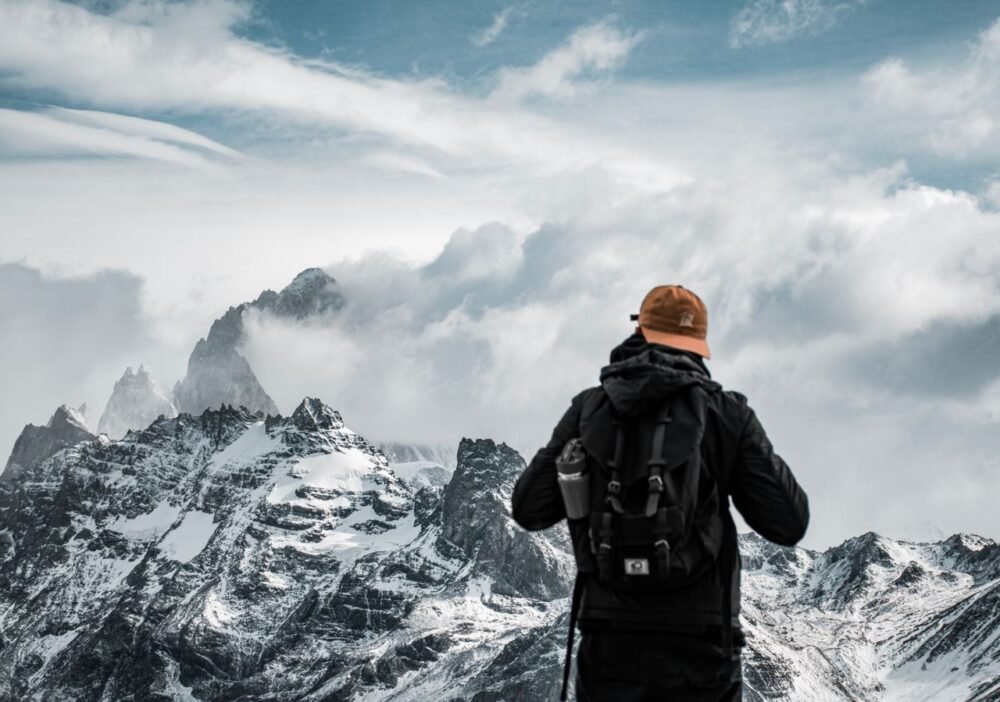
The mountains are changing in ways that can no longer be ignored. Irregular snow patterns, earlier melts, and greater dependence on resource-intensive snowmaking are rewriting the operational calendar for many destinations. In this context, the decisions travelers make about transportation carry quiet significance. Choosing consolidated van services from Geneva to high-altitude resorts such as Val Thorens offers a practical way to lower individual impact while still enjoying reliable winter conditions.
How visitors choose to arrive will help determine how gracefully these changes are managed. The Alps have always rewarded those who move through them with care. In an era of climatic uncertainty, that care begins long before the first turn on the snow : it begins with the journey itself !