Australia is the sixth-largest country in the world. It lies southeast of Asia, with countries like Indonesia and Papua New Guinea just to its north, and New Zealand positioned across the Tasman Sea to the southeast.
It is a land of vast deserts, red rock formations, and unique wildlife. Its Outback and wilderness areas offer some of the most unforgettable adventures for travelers. But exploring these remote regions requires preparation to stay safe and comfortable.
If you plan to visit, luxury tours to Australia can help you experience the Outback in style while ensuring you have everything you need. Even if you are on your own, knowing what to pack is essential for survival and enjoyment.

Exploring the vast wilderness of Australia means carrying the right essentials in its harsh Outback conditions—items like plenty of water, strong sun protection, a reliable first aid kit, and other basic survival gear. Proper preparation ensures you can enjoy the remote landscapes comfortably and confidently without risking your safety.
Here are the seven essential things you should pack before heading into Australia’s Outback and wilderness.
Hydration is the most important thing in the Outback. Carry at least 2–3 liters per person per day, more if hiking or in hot weather. Dehydration can become serious quickly in dry, hot conditions.
The sun in Australia is intense. Bring a wide-brimmed hat, sunglasses, sunscreen, and light long-sleeve shirts. Protecting your skin and eyes will make your adventure safer and more comfortable.
Maps, a GPS device, and a compass are essential in remote areas. Cell phone signals can be unreliable. Know your route and keep a backup plan in case you get lost.
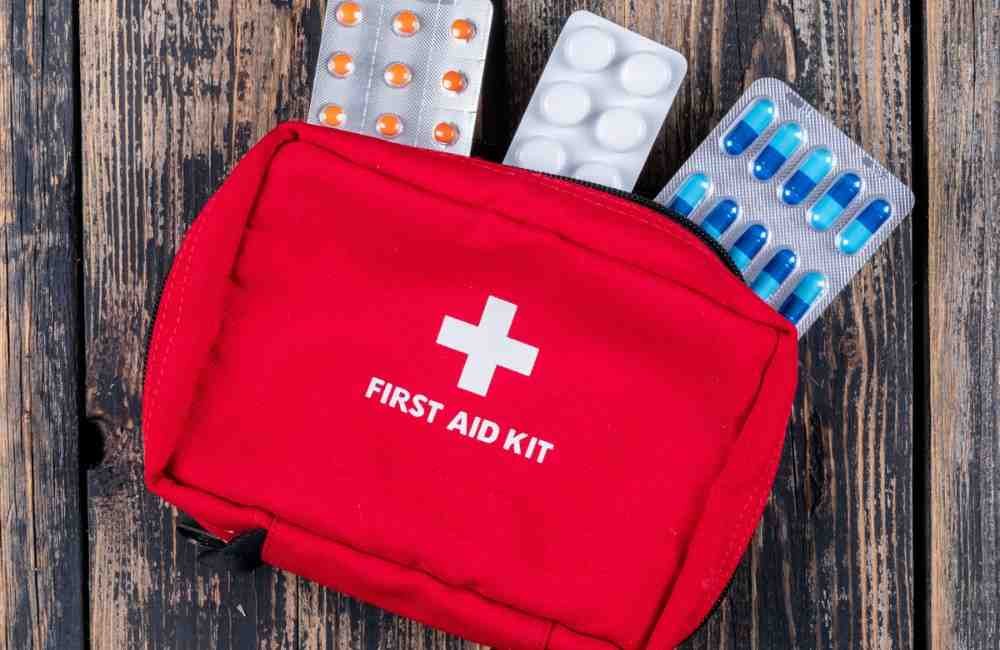
A compact first aid kit should include bandages, antiseptic wipes, pain relief, insect repellent, and any personal medication. Small injuries can become serious if untreated in the wilderness.
Wear comfortable, sturdy shoes for walking on rocky or sandy terrain. Layer your clothing to adjust for hot days and cooler nights. Long pants can protect you from scratches, insects, and sunburn.
Carry non-perishable, high-energy foods like nuts, dried fruits, and protein bars. They are easy to pack and will keep your energy up during long walks or drives.
Items like a flashlight, multi-tool, whistle, and extra batteries are lifesavers. A small tarp or emergency blanket can provide shelter if the weather changes suddenly.
Some travelers choose guided experiences, which provide all safety equipment, guides, and local knowledge. This is a stress-free way to enjoy the wilderness while focusing on the adventure.
Being prepared ensures that your journey is safe and enjoyable. It allows you to focus on the stunning landscapes, wildlife, and unique experiences that the Outback offers.


