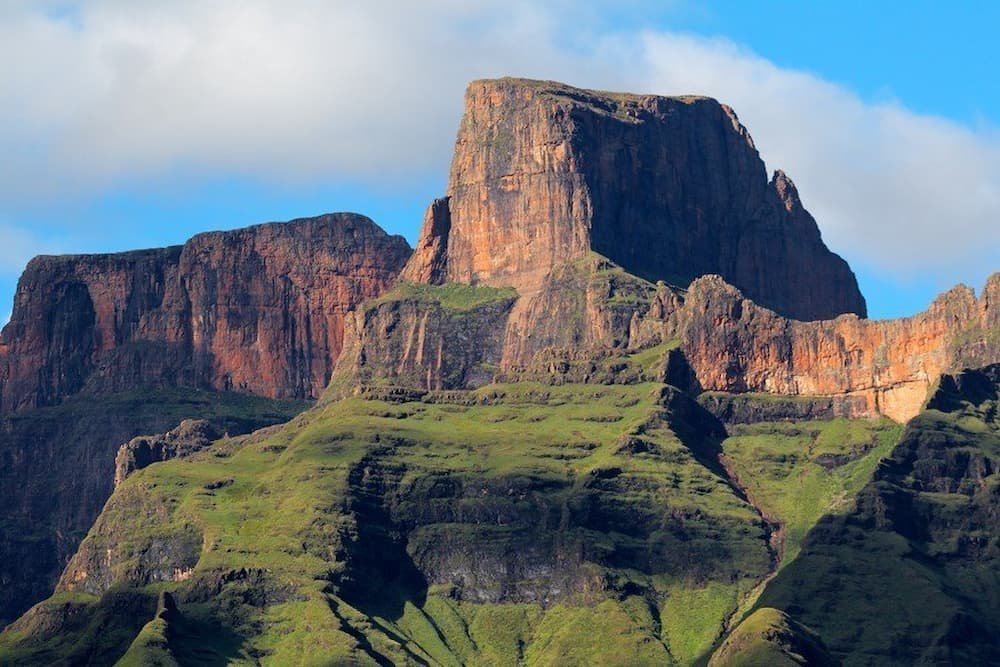
Ireland’s bogs are built from plant remains. In waterlogged ground, dead vegetation decomposes so slowly that it accumulates as peat, gradually shaping the landscape. Broad midland domes and peat-covered western hillsides share this process, but differ in how they develop.
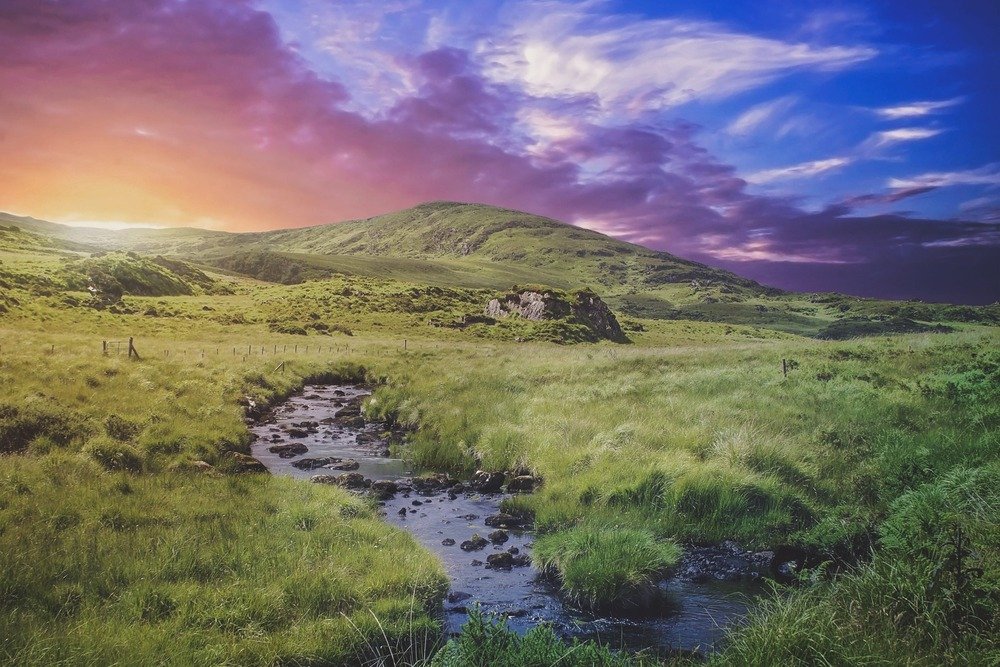
Water fills spaces in the ground that would otherwise contain air, limiting the oxygen available for decomposition. Plant remains build up rather than breaking down completely. The resulting peat is partially decomposed organic material, distinct from ordinary mineral soil.
The source of that water helps define the habitat. Bogs receive it mainly from rainfall, while fens, another kind of peatland, receive groundwater or surface water carrying dissolved minerals. Both accumulate peat, but their different water supplies influence which plants grow there.
For visitors, the wet ground calls for care. If you are considering Ireland tours, ask whether any bogland visit uses an established boardwalk or designated route. A broad, open landscape can look inviting while offering little indication of the conditions underfoot.
Raised bogs are characteristic of Ireland’s midlands. Many developed in shallow, waterlogged basins where plant material gradually accumulated. As the peat built up, its surface grew into a dome above the surrounding land, with rainfall sustaining the upper layers.
“Raised” refers to that domed form, rather than a mountain location. Its broad, gradual curve can be difficult to recognise from ground level.
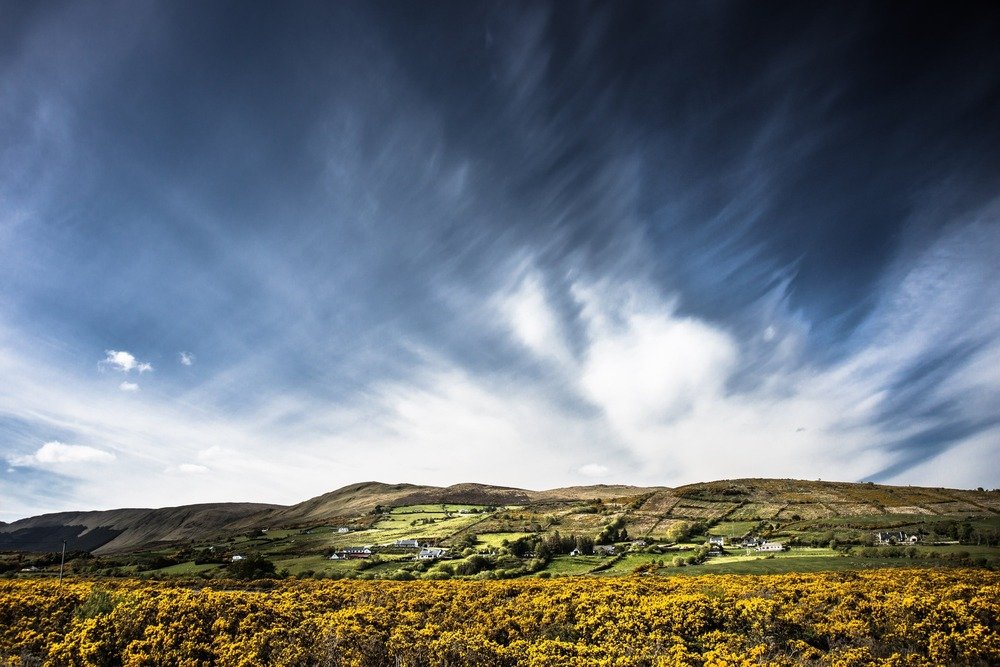
The Living Bog project’s account of Mongan Bog, near Clonmacnoise, illustrates this lake-basin development. The profile describes Sphagnum moss, raised mounds called hummocks and wet pools, revealing variety within a surface that can appear uniform from a distance.
Blanket bogs take a different shape. They spread across ground that stays sufficiently wet for peat to accumulate, following the underlying contours instead of forming a single dome. In Ireland’s western landscapes and uplands, blanket peat covers stretches of gently sloping ground and hillsides.
Atlantic blanket bogs occur in western lowlands, while mountain blanket bogs occupy higher terrain. Rainfall, drainage and local landform influence their distribution, so these geographical patterns are a guide rather than fixed boundaries.
Sphagnum moss holds water and contributes plant material to the peat beneath it. On an intact bog, hummocks and wetter hollows provide different growing conditions within a small area. Sedges and heather add further texture to this low-growing habitat. A lack of tall trees tells little about its ecological value.
Below the living surface, peat holds carbon accumulated from earlier generations of plants. That existing store is separate from the ongoing process of taking carbon from the atmosphere and retaining it in new peat.
Drainage lowers the water table. More peat becomes exposed to oxygen, encouraging decomposition and potentially releasing stored carbon as carbon dioxide. Cutting removes the peat itself, including material that took a long time to accumulate.
Turf, cut and dried peat used as fuel, ties these landscapes to Irish domestic history. Its extraction has also changed their shape and water balance.
Restoration often involves blocking drains to retain water and support wetland vegetation. Rewetting aims to restore conditions suitable for peat-forming plants. The extent of recovery depends on the site’s condition, and lost peat is not quickly replaced.
Before visiting Clara Bog in County Offaly, or another site, confirm public access, permitted routes and any restrictions with its managing organisation. A conservation designation alone is not permission to walk across a site.
Wear sturdy footwear with good grip and follow local notices. Keep to the designated route when stopping for photographs, too. Stepping aside to avoid a wet patch can widen damage to vegetation, while apparently solid ground may conceal soft peat or water.
From the path, look for changes between mossy mounds and hollows, differences in vegetation, and drainage channels that show how people have altered the habitat. Leave plants and peat undisturbed. Those small features help explain both how a bog works and what has happened to it.