The Colosseum is the one stop in Rome that almost every backpacker puts on the list, and it is also the one that goes wrong most often. Travelers arrive at midday, join the longest line in the city, and spend more time in the sun than inside the monument. With a little planning, you can avoid all of it and still keep your itinerary flexible.
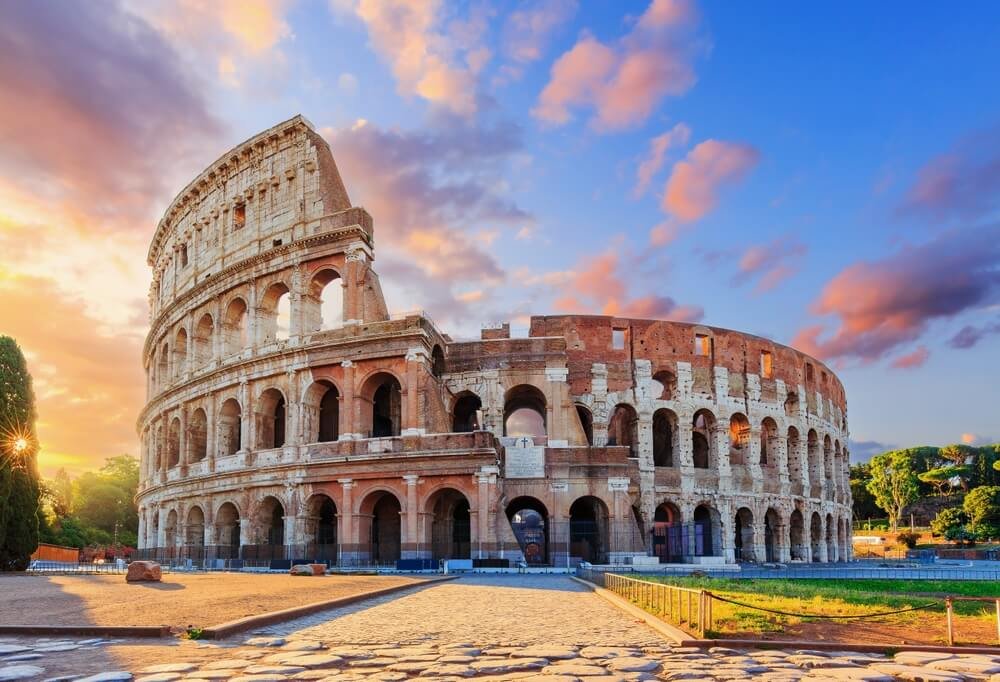
The Colosseum is busiest from late morning to mid afternoon, when tour groups and cruise passengers arrive together. If your hostel is nearby, go first thing in the morning, when the stone is still cool and the arches catch the early light. The last hour before closing is the second best choice and it is also great for photos.
Rome gets very hot from June to September, and there is little shade inside. Carry a refillable water bottle, wear a hat, and pack sunscreen. Choose comfortable closed shoes, since the steps and floors are uneven and flip-flops are a bad idea.
Backpacking is about staying flexible, but the Colosseum is the one place where flexibility works against you. Entry is by timed slot, and popular times sell out days in advance during busy months. Pick the day that suits your route, reserve a slot, and keep the rest of your plans open around it. Booking ahead also means you skip the walk-up line, which is where most of the waiting happens.
Be careful with people selling tickets or "skip the line" tours on the sidewalk outside. Book before you arrive, through a source you trust, and keep your confirmation on your phone.
The Colosseum was built under the Flavian emperors in the first century AD and held tens of thousands of spectators. It hosted gladiator fights, animal hunts, and public spectacles for centuries. Earthquakes and stone robbing later took away much of the outer wall, which is why one side looks so much taller than the other.
You do not need a history degree, but ten minutes of reading the night before makes the visit far more interesting. A free audio guide app can fill in the rest as you walk.
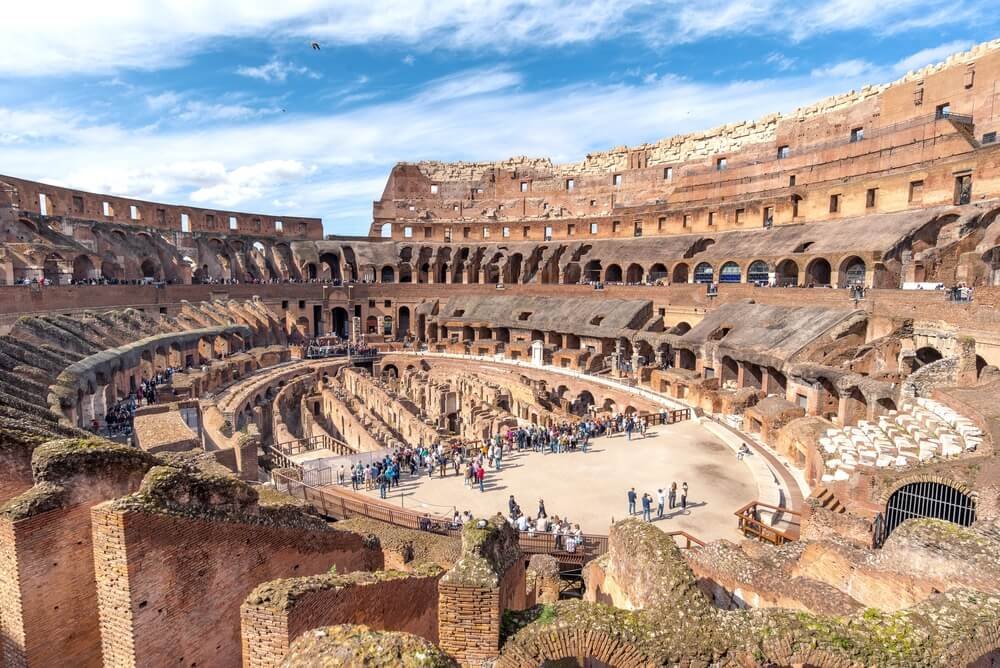
The most overlooked part of the building is below ground. The underground passages, known as the hypogeum, held the cages, lifts, and corridors that brought animals and fighters into the arena. Standing in them, you start to understand how organized the shows were.
The arena floor itself was once covered in wood and sand, and part of it has been rebuilt so visitors can stand where the action took place. Access to these areas is limited and handled by specific ticket types, which is why many travelers walk the upper tiers and never see them. If you only visit once, it is worth getting a closer look at the Colosseum arena floor because it changes how you see the rest of the building.
The Roman Forum and Palatine Hill sit right beside the Colosseum, and the area is walkable in a single morning if you start early. A simple plan works well:
If your feet are tired, split the area across two days. Rome rewards slow travel, and you will remember more of it.
Rome is easy on a backpacker budget once you leave the tourist strip. Eat your main meal at lunch, when many places offer a fixed menu. Fill your bottle at the public drinking fountains, called nasoni, which pour cold, free water all over the city. Walk when you can, since the center is compact, and save public transport for longer hops to the Vatican or Trastevere.
The Colosseum lives up to its reputation when you treat it with a bit of planning. Go early, book a slot, spend time underground if you can, and pair it with the Forum. Do that and the biggest ruin in Rome becomes the highlight of the trip instead of a long line in the sun.


