Ever wondered why some backpackers choose Manaslu Circuit Trek over Langtang Valley Trek, even when it costs more and takes extra days? Nepal has plenty of famous trekking routes, but not every traveler wants to follow the same busy trails. Manaslu offers remote villages, big mountain views, and a real sense of adventure, while Langtang is closer to Kathmandu, easier on the budget, and fits better into a short holiday. Both are great, but choosing between them can be confusing when you are trying to save money and manage your time.
In this blog, we compare Manaslu Circuit Trek and Langtang Valley Trek to help you choose the best option for your backpacking trip. We will look at cost, permits, trekking days, difficulty, mountain views, and crowds, so you can pick the trek that suits your budget and plans.Here is how the two treks compare before you spend your savings or use up your vacation days.
|
Factor |
Manaslu Circuit |
Langtang Valley |
|
Typical trek duration |
12–18 days |
7–11 days |
|
Total budget |
Generally higher |
Generally lower |
|
Highest main trekking point |
Larkya La, about 5,106 m |
Kyanjin Ri or Tsergo Ri, depending on the hike |
|
Difficulty |
Moderate to challenging |
Moderate, with strenuous sections |
|
Restricted area |
Yes, in the designated Manaslu restricted area |
No |
|
Guide |
Licensed guide required for the restricted section |
Check current guide requirements before departure |
|
Main permits |
Restricted Area Permit, conservation-area permits, and applicable local fees |
Langtang National Park entry, TIMS where applicable, and any current local requirements |
|
Distance from Kathmandu |
Long road journey to the trailhead |
Relatively short road journey to the trailhead |
|
Crowds |
Usually quieter |
More established and busier |
|
Best for |
Long-haul backpackers and remote trekking |
Short trips, tighter budgets, and first Himalayan adventures |
Important: Costs, permit rules, and guide requirements can change. Confirm the current rules with Nepal Tourism Board, the Department of Immigration, or a licensed trekking agency before booking.
For most backpackers, money is probably the first thing to think about when choosing between Manaslu Circuit and Langtang Valley. You might look at both routes and think the longer Manaslu trek will only cost a little more, but that is not really how it works. The biggest difference comes from the permits, especially the Restricted Area Permit (RAP) for Manaslu. Since Manaslu is a restricted trekking region, you cannot just arrive at the trailhead, pay a small entry fee, and start walking on your own. You need to arrange the required permits and guide through a registered trekking agency. On top of that, there are conservation-area permits, local fees, transport, teahouse accommodation, food, and other daily expenses. A budget to midrange guided Manaslu trek may cost around $950–$1,900 per person, depending on the season, group size, itinerary, and what your package includes.
For a Manaslu trek, your main expenses usually include:
Langtang Valley is generally much easier on the wallet, which is one reason backpackers like it. The trailhead is closer to Kathmandu, so you usually spend less time and money getting there, and the permit system is simpler because it is not a restricted-area trek. Your main costs normally include:
A rough guided Langtang budget may fall around $600–$900 per person, depending on the itinerary and services included. Your actual cost can be lower or higher depending on how you travel. Food and teahouse prices are not always very different between the two routes, but Manaslu’s restricted-area permit and extra trekking days make a noticeable difference. So, if you are trying to save money for the rest of your Nepal trip, Langtang Valley is usually the better budget choice.
A trek can look affordable and exciting, but there is one thing backpackers often forget to check: how many days will it actually take? Langtang Valley is easier to fit into a short Nepal trip, with most itineraries taking around 7–11 days depending on your pace, side trips, and acclimatization. The journey starts with a drive from Kathmandu to Syabrubesi, followed by several days of walking through the Langtang Valley toward Kyanjin Gompa. You can also add a hike to Kyanjin Ri or Tsergo Ri if you have the energy. This makes Langtang a good option if you have only two weeks in Nepal and still want time for Kathmandu, Pokhara, or just a proper rest after the trek.
Langtang Valley is a better fit if you:
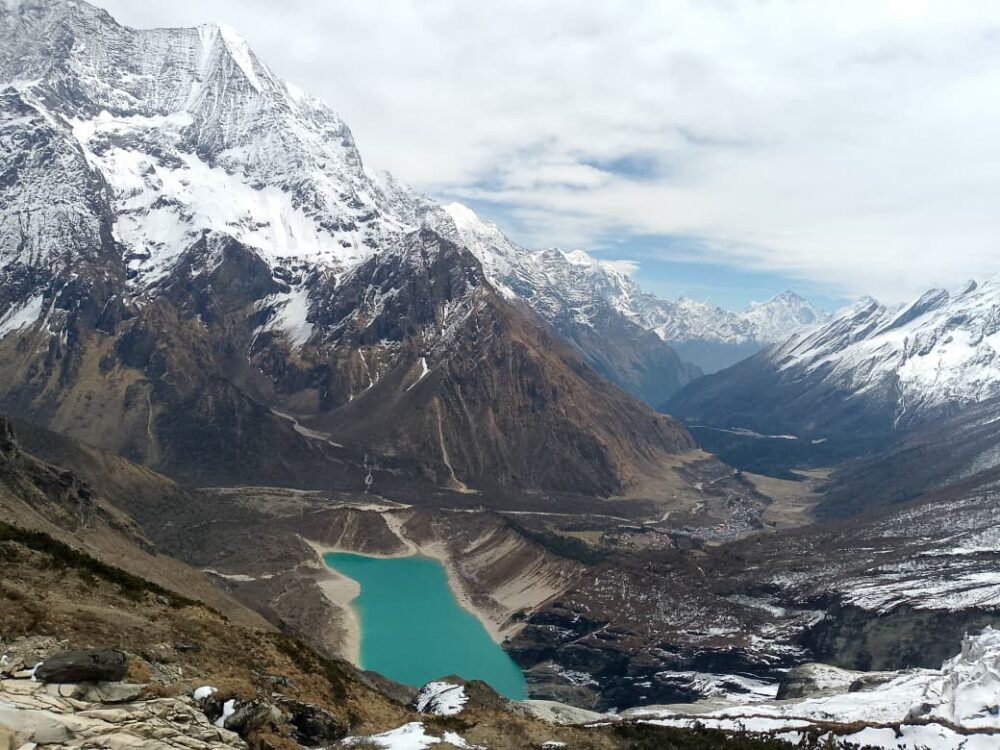
Manaslu Circuit needs more time, but that is part of what makes the trek feel more remote and rewarding. A typical itinerary takes around 12–18 days, depending on transportation, acclimatization, and the route you choose. The trail begins farther from Kathmandu and gradually climbs through hills, river valleys, traditional villages, and higher mountain terrain before reaching Larkya La Pass. It is not a trek where rushing makes much sense. You need enough time to adjust to the altitude and should leave some room for bad weather, road delays, or an extra rest day. Manaslu works best for backpackers who have a longer Nepal trip and would rather spend more time in the mountains than rush through the route.
Manaslu Circuit is a better fit if you:
Short on time? Pick Langtang. It fits much more easily into a 1–2 week Nepal trip, while Manaslu needs more days and flexibility.
Both treks require decent fitness, but Manaslu is the bigger physical and altitude challenge. Langtang is shorter and does not cross a high mountain pass, although it still reaches serious altitude and includes steep sections.
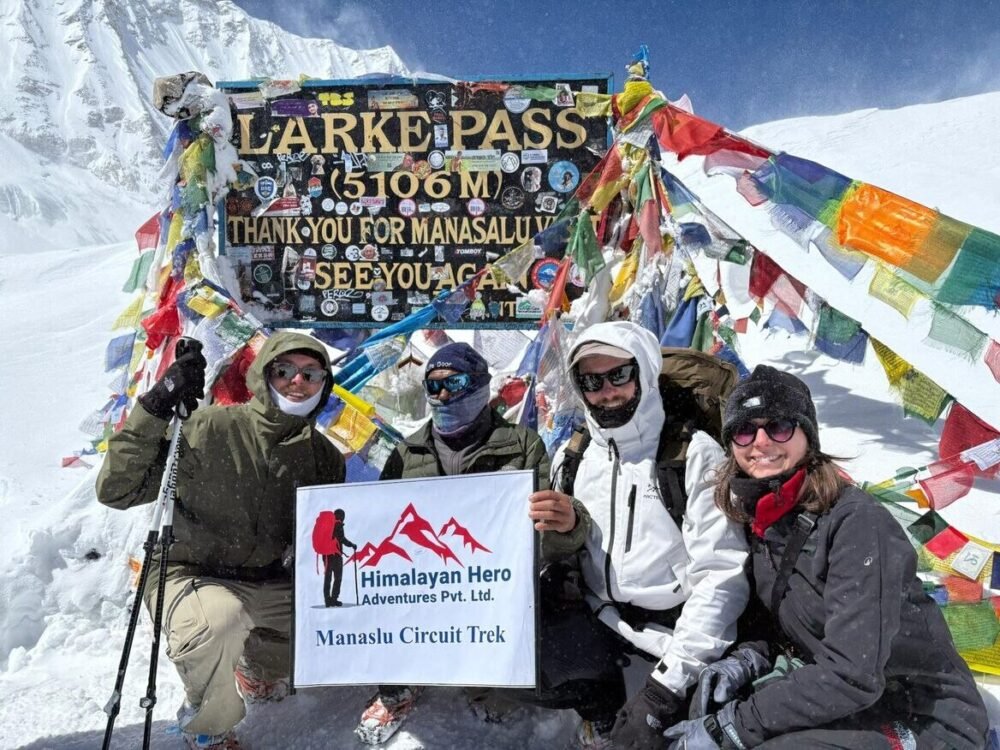
The Manaslu Circuit reaches Larkya La Pass at around 5,106 meters. The trail gradually climbs through villages such as Samagaon and Samdo before reaching the pass. Long walking days, cold weather, snow, and lower oxygen levels make the higher sections demanding.
Main challenges include:
Good acclimatization is important. Walk slowly, stay hydrated, and descend if altitude sickness symptoms become serious.
Langtang Valley reaches Kyanjin Gompa at about 3,870 meters, with optional hikes to Kyanjin Ri or Tsergo Ri going higher. The trail has steep climbs, rocky sections, forests, and suspension bridges, but there is no 5,000-meter pass crossing.
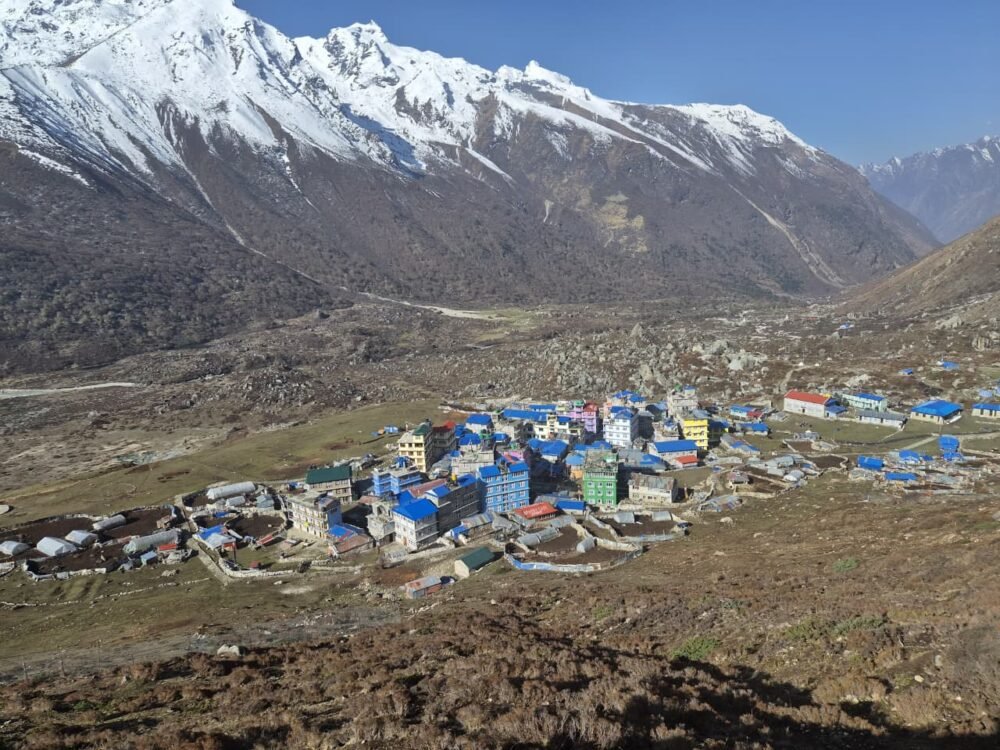
Langtang suits you if you:
Altitude sickness is still possible in Langtang, so gradual ascent and proper acclimatization matter.
For most beginners, Langtang is easier. Manaslu is better for backpackers looking for a longer and more demanding mountain adventure.
Permits are another major difference between Manaslu and Langtang. Manaslu has more rules because part of the region is classified as a restricted trekking area, while Langtang is much simpler to arrange. For a backpacker watching both money and time, the extra paperwork can also mean extra planning.
The Manaslu region has been a restricted trekking area since 1992. Trekkers entering the restricted section generally need to arrange their permits through a registered trekking agency and follow the current government requirements.
You will generally need:
Solo trekking through the restricted Manaslu area is not permitted under the applicable rules. RAP costs also vary by season and the number of days spent in the restricted area, so check the current rates before setting your budget.
Langtang is not a restricted-area trek, so there is no Manaslu-style RAP. You generally need the relevant Langtang National Park entry permit and applicable trekking registration requirements. Guide and TIMS rules can change, so check the latest requirements before departure.
Want less paperwork? Pick Langtang. Manaslu offers a more remote experience, but its permit and guide requirements make planning more involved.
Both Manaslu and Langtang are quieter alternatives to popular routes such as Everest and Annapurna, but neither guarantees complete solitude. The main difference is how remote the trails feel and how easy they are to access.
Manaslu is known for remote villages, long mountain valleys, and strong Tibetan Buddhist culture. Its restricted-area rules also help keep visitor numbers lower, so you can often walk for hours without seeing large groups.
Manaslu is a good choice if you want:
It is becoming more popular, though, especially during the spring and autumn trekking seasons. Teahouses can still get busy at popular stops.
Langtang is closer to Kathmandu and easier to reach, so it generally attracts more trekkers than Manaslu. The trail has established teahouses and regular trekking groups, making it less isolated but often more social.
For solo or independent-minded travelers, this can actually be an advantage. You are more likely to meet other trekkers, share trail information, and find company along the route.
Want more peace and fewer trekkers? Pick Manaslu.
Want a more social trail? Langtang wins.
There is no single winner between Manaslu and Langtang. Your choice mainly depends on your budget, available time, fitness, and the type of Himalayan experience you want.
Two-Week Vacationer: Langtang: If you have only two weeks in Nepal, Langtang is easier to fit into your plans. The shorter itinerary leaves room for Kathmandu, rest days, and possible travel delays.
Long-Haul Backpacker: Manaslu: If you have several weeks available, Manaslu offers a longer and more immersive mountain experience. The circuit takes you through changing landscapes, remote villages, and across Larkya La Pass.
First-Time High-Altitude Trekker: Langtang: For a first Himalayan trek, Langtang is generally more approachable. The main route is shorter and does not cross a pass as high as Larkya La, although optional hikes can still reach close to 5,000 meters.
Culture-Focused Trekker: Manaslu: If culture and remote mountain communities matter most, Manaslu is the stronger choice. Villages such as Samagaon and Samdo have strong Tibetan Buddhist traditions, monasteries, and traditional Himalayan life.
Tightest Budget: Langtang: If you are counting every dollar, Langtang usually makes more financial sense. Its shorter itinerary, easier access, and simpler permit arrangements can help keep the total trip cost lower.
Want More Solitude: Manaslu: If you prefer quieter trails and fewer trekkers, Manaslu is the better match. Its restricted-area status and remote location give the trek a stronger off-the-beaten-path feel.
Want a More Social Trek: Langtang: If meeting other travelers is part of the fun, Langtang can be a better choice. Its accessibility and established teahouses make it easier to meet other trekkers along the route.
Saving money is smart, but cutting the wrong things can make a trek harder and more expensive. A little planning before you leave can help you avoid unnecessary costs and safety problems on both routes.
Booking Manaslu Without Checking Permit Costs: Do not assume the Manaslu RAP is a fixed year-round price. Costs can vary by season and the number of days in the restricted area, so ask for a complete permit breakdown before booking.
Cutting Acclimatization Days: Removing acclimatization days may save a little money, but it can increase altitude risk. This is particularly important on Manaslu, where the route climbs above 5,000 meters before crossing Larkya La.
Assuming Langtang Needs No Guide: Langtang is not a restricted-area trek, but current guide and TIMS requirements should still be checked before planning to trek independently.
Budgeting Only for the Trek: Your real budget should also include:
Choosing Only Because It Is Trending: Manaslu may look more adventurous online, while Langtang may seem easier. Choose based on your available time, budget, fitness, and comfort with altitude rather than social media popularity.
Manaslu Circuit and Langtang Valley offer two very different Himalayan experiences. Choose Langtang if you want a shorter, cheaper, and easier-to-plan trek, especially if you have limited vacation days or less high-altitude experience. Choose Manaslu if you have more time and budget and want a longer, quieter, and more remote adventure. Its higher altitude, restricted-area permits, and Larkya La crossing make it more demanding, but they are also part of what makes the trek special.
Your best choice should fit your actual trip, not someone else's bucket list. Have around ten days and a tight budget? Langtang makes more sense. Have three weeks and want deeper mountain culture and remote trails? Manaslu is worth the extra time. Plan within your limits, prepare properly, and choose the route that you can enjoy rather than simply complete.
Langtang Valley is generally cheaper because it has a shorter itinerary, easier access, and simpler permit requirements.
Langtang Valley is usually better for beginners because it is shorter and does not require crossing a high pass like Larkya La.
Guide requirements can change, so check the latest Nepal trekking regulations before departure.
Langtang usually takes 7–11 days, while Manaslu generally takes 12–18 days or more.
Both offer excellent mountain views, but Manaslu provides a more remote and immersive Himalayan experience.