A watch can look perfect in a photograph and spend most of its life in a drawer. Building a collection worth wearing starts with everyday choices: what feels comfortable, what suits your routine and what holds your interest. Choose one watch thoughtfully, then let wearing it guide the next purchase.
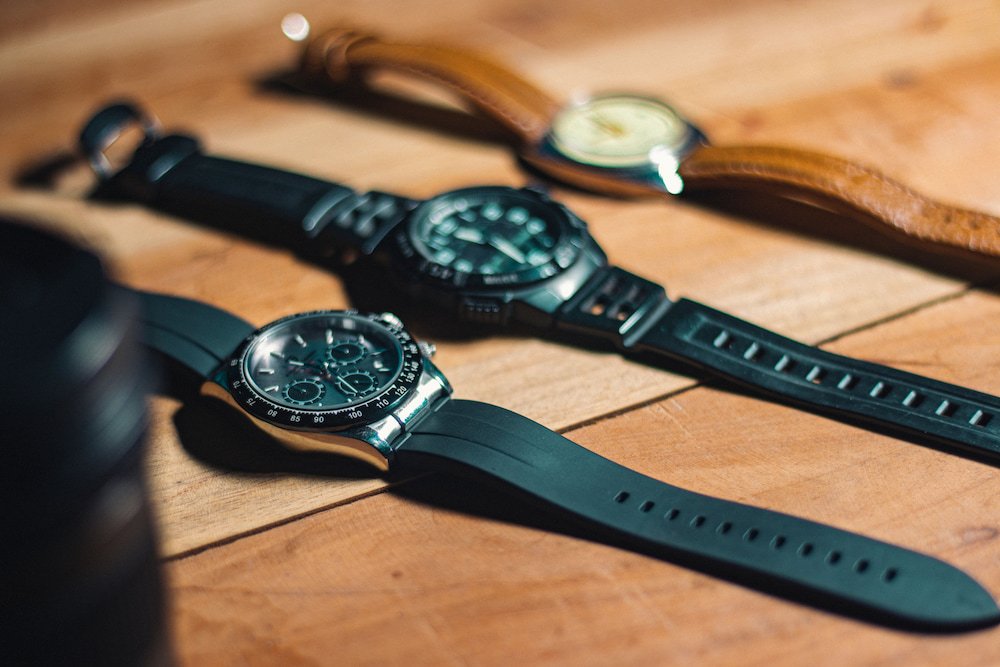
Think about where a watch will spend most of its time. Close-fitting shirt cuffs favour a slimmer case; for long days at a desk, check how the bracelet clasp feels with your arm resting on the surface.
If formal occasions are rare, an everyday watch that suits work, weekends and the occasional dinner could be a more useful starting point than a dedicated dress watch.
Before browsing, write down your spending limit, likely wearing occasions and design preferences. Separate essentials from attractions. A dial colour might draw you in, but comfort will help determine whether the watch becomes part of your routine.
Set a spending limit you can afford without relying on a future sale. Keep some money aside for upkeep instead of committing the whole amount to the watch itself.
Storage and protection belong in that calculation. If you take your watch away from home, your care budget might include a Single travel watch case, alongside an allowance for servicing or replacement straps.
Ask about maintenance before buying, especially with a pre-owned mechanical watch whose service history is unclear. Battery replacement, servicing and bracelet adjustments are separate jobs: establish which are needed and ask for a quote.
Keeping the collection small also leaves more of your budget available when something genuinely appealing comes along.
Try watches on where possible. Case diameter gives only part of the picture. Thickness affects how a watch sits beneath a sleeve, while lug-to-lug length measures the span between the lug tips at opposite ends of the case. Weight, strap flexibility and bracelet adjustment all influence the fit.
Flex your wrist, check whether the crown presses into your hand and read the dial at a normal viewing angle. Spend a little time with the watch rather than judging it from a quick glance in the mirror.
The movement also affects daily use. Quartz watches use electronic timekeeping and are commonly battery-powered. Manual-winding mechanical watches need winding by hand; automatic mechanical watches can wind through wrist movement, but stop once their power reserve is exhausted if left unworn.
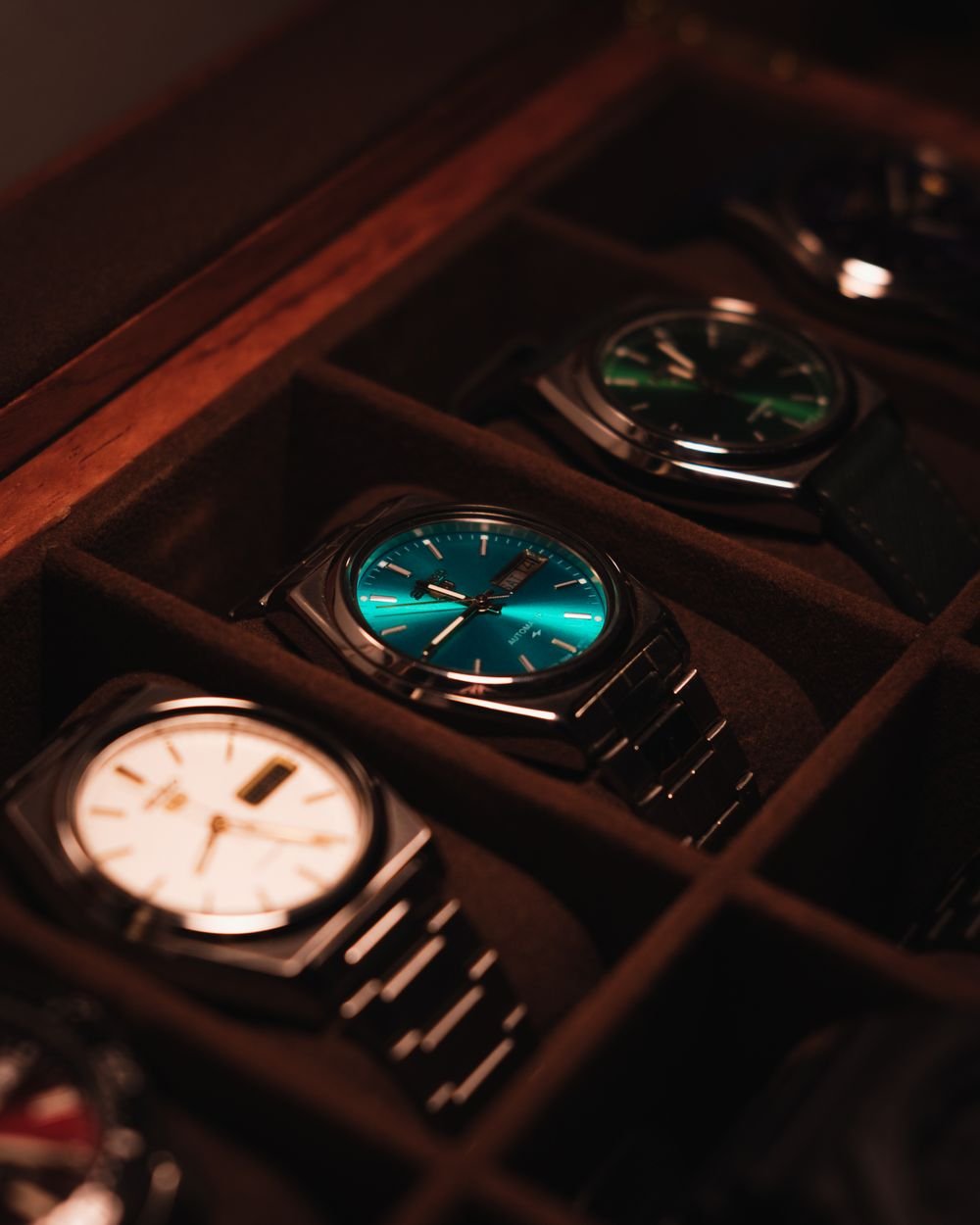
Consider whether winding and resetting sound enjoyable or inconvenient. Mechanical and quartz watches are alternatives, not compulsory steps in a collecting hierarchy.
If swimming is part of the plan, check the specific manufacturer's water-use guidance. A sporty design alone tells you little about suitability.
Wear your first watch long enough to learn its strengths and irritations. Perhaps the bracelet feels better than leather, the date display proves useful or a smaller case starts to appeal.
Notice when you leave it behind. Is it too heavy for a particular activity, too dressy for the occasion or simply a poor match for your mood? Those details give a second purchase a clearer purpose.
Before adding another, ask three questions: when will I wear it, what does it add, and can I afford its upkeep?
An enduring interest in a design period or movement can justify similar-looking watches, even when they serve the same function. That is different from buying merely to fill an empty slot.
For a change of appearance, explore a compatible strap first. Check its fitting requirements, including width and attachment type, before ordering.
With a pre-owned watch, examine the description and photographs for case wear, crystal damage, dial condition and bracelet wear. Ask what work has been carried out and whether service records are available.
Check the seller's identity, reputation and return terms before paying. Boxes and papers add useful context, but are insufficient on their own to establish authenticity. For an unfamiliar or expensive purchase, consider an independent assessment by a suitably qualified watch specialist.
Keep the receipt, model reference and service records together. They make future maintenance easier to organise and give you a clearer record of what you own.
When nothing meets your requirements, wait. Trying on another size or learning more about the watch already on your wrist may be more rewarding than another purchase. A small collection can feel complete when each watch earns its place.


