The right pair of boots can make a major difference during long shifts, outdoor work, training, or operational duties. Footwear needs to do more than look professional. It should support the feet, provide dependable grip, protect against changing conditions, and remain comfortable for hours at a time.
Whether you work in policing, security, emergency services, or the military, choosing boots based on your environment and daily demands can help reduce discomfort and improve confidence on the move.
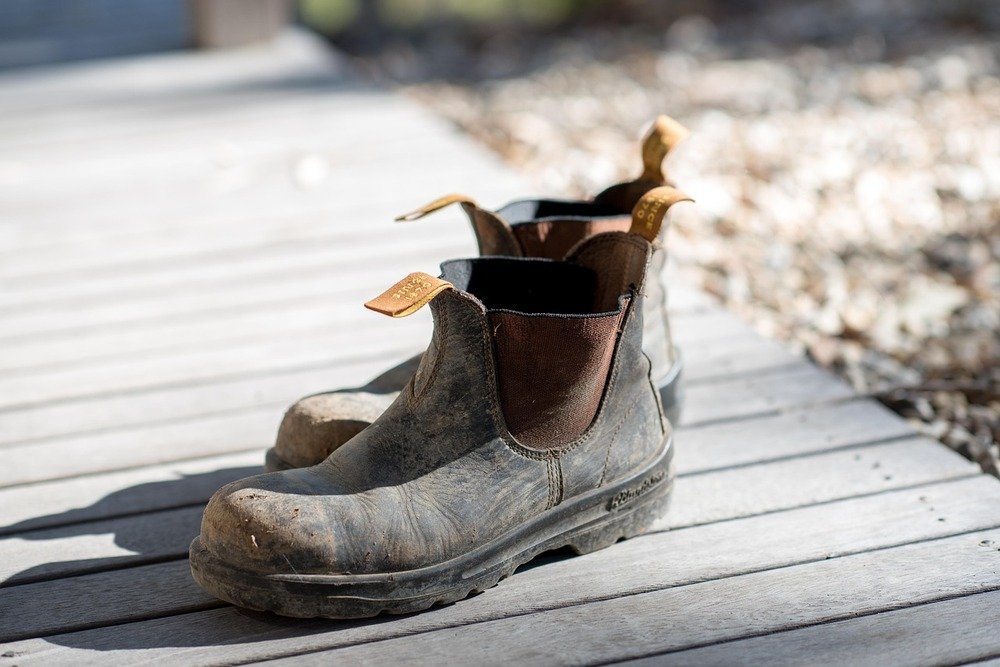
Before choosing a boot, consider where and how you will use it. A lightweight boot suited to urban patrol may not be the best choice for rough ground, wet fields, or long-distance walking.
Think about the conditions you regularly face:
A clear understanding of your environment will help you prioritise the right features instead of choosing based on appearance alone.
Even the highest-quality boot will become uncomfortable if the fit is wrong. Poorly fitted footwear can cause rubbing, blisters, foot fatigue, and heel movement during long periods of activity.
When trying on boots, wear the type of socks you would normally use on duty. Thicker socks can affect the fit, especially around the heel and across the front of the foot.
Your heel should feel secure when walking. A small amount of movement can be normal in a new boot, but noticeable heel lift may lead to blisters over time.
A boot that feels tight at the heel may also become uncomfortable during long shifts, so aim for a secure but not restrictive fit.
Your toes should not press against the front of the boot when walking downhill or bending your knees. At the same time, too much empty space can cause the foot to slide forward.
If you have wider feet, it may be worth considering a wider fit or trying a half size larger, depending on the boot style and the manufacturer’s sizing guidance.
Duty footwear often needs to provide support for walking, standing, carrying equipment, or moving across uneven ground. Look for a sole that provides stability without making the boot unnecessarily heavy.
Ankle support can be particularly useful for outdoor work and uneven surfaces. However, a higher boot may feel less flexible than a lower-cut style, so consider the balance between support and freedom of movement.
For people who spend most of the day on hard surfaces, cushioning and a supportive footbed can also make a noticeable difference.
The sole is one of the most important parts of a working boot. Good tread can help provide grip on wet pavements, loose ground, grass, and mud. The best tread pattern will depend on the conditions you encounter most often.
Water-resistant or waterproof materials can be useful for wet weather and outdoor duties. However, all boots need regular care to maintain their protective qualities. Leather should be cleaned, dried naturally, and treated with a suitable product to help prevent cracking or water damage.
A reliable option such as Altberg boots can be worth considering for professionals who need footwear designed for demanding police, military, or security use.
Avoid wearing brand-new boots for a full shift or demanding walk straight away. Even well-fitted boots need time to adapt to the shape of your feet.
Start by wearing them indoors or for short walks. Gradually increase the length of time you wear them, and pay attention to any rubbing or pressure points. Suitable socks and properly adjusted laces can also help improve comfort during the break-in period.
If a boot consistently causes pain, numbness, or severe rubbing, do not assume it will improve with time. Recheck the fit and consider whether a different style may be more suitable.
Good maintenance can extend the life of quality footwear and help preserve comfort and grip.
After use in wet or muddy conditions, remove dirt with a soft brush or damp cloth. Allow the boots to dry naturally in a cool, ventilated place. Avoid placing them directly next to heaters or radiators, as intense heat can dry out and damage leather.
Replace worn laces and consider changing footbeds when they no longer provide adequate cushioning or support. Regular care is a small habit that can protect a significant investment.
They should feel secure around the heel and ankle, with enough room for your toes to move naturally. Wear your usual duty socks when checking the fit.
Waterproof or water-resistant boots can be useful if you regularly work outdoors or in wet conditions. For mainly indoor work, breathability and comfort may be a higher priority.
This depends on the boot and the wearer, but gradual use over several short sessions is usually better than wearing new boots for a full shift immediately.
Make sure the boots fit correctly, wear suitable socks, lace them securely, and break them in gradually. Address rubbing early before it develops into a blister.
Choosing duty boots is about matching the footwear to your daily conditions, fit requirements, and activity level. Prioritise comfort, support, grip, and durability, then look after your boots properly once you have found the right pair. Well-chosen footwear can provide greater comfort and confidence throughout demanding working days.


