Group trips are fun to plan until everyone starts chiming in with different ideas. One person wants a packed schedule. Another wants to sleep in and wing it. Someone else already booked a restaurant without asking anyone.
The disagreements usually start before the trip. But a little structure upfront goes a long way toward keeping things smooth once you're actually there.

Before you start building the itinerary, figure out what matters most to the group. You don't need a long planning meeting. Ask everyone to name one or two things they would most like to do, see, or experience during the trip.
Pay attention to the activities that come up more than once. Those shared interests can become the foundation of the itinerary, while less popular ideas can stay on a backup list instead of taking up space in the main schedule.
It's also useful to know what people don't want. Someone may be excited about sightseeing but not interested in early mornings. Another person might be happy spending most of the day outdoors but want to avoid long drives. Knowing these preferences early can prevent you from building a schedule that works for one person but frustrates everyone else.
Once you've gathered the main priorities, group them into a few categories, such as food, outdoor activities, sightseeing, relaxation, or nightlife. This gives you a clearer picture of what the trip should actually include before you start filling in the details.
A good group itinerary is not the most packed one. It's the one people can actually follow without burning out by day three.
Leave gaps in the schedule. Not every hour needs to be accounted for. Time to sit somewhere, grab coffee, wander around, or just do nothing is part of what makes a trip feel relaxing instead of exhausting.
When you're putting activities together, try to cluster things by area. If two places are close to each other, put them on the same day. This cuts down on travel time and keeps the day from feeling like a logistics puzzle.
Budget more time than you think you need between plans. Getting a group of people from one place to another always takes longer than expected. Factor that in instead of hoping for the best.
Where you stay shapes how the whole trip feels, and it's worth thinking through carefully.
For groups, the biggest thing to consider is how the space is set up. If everyone is in separate hotel rooms with no common area, you spend a lot of time just trying to coordinate. Where's everyone meeting? Who's ready? It adds friction to every part of the day.
A vacation rental can solve this in a practical way. You get a shared living space where the group can spend time together, along with separate bedrooms for when people want some privacy. That balance can be especially useful on longer trips.
A kitchen also helps more than people expect. Not every meal needs to be a sit-down restaurant experience. Being able to make breakfast at the house or put together a simple dinner saves time and money, and sometimes it's just easier.
Look for something that's central to what you're doing. A place that looks great in photos but adds 45 minutes of driving to every activity will wear on the group faster than you'd think.
Once you've worked out what the group wants from the trip, decide how you'll handle the smaller choices along the way. One person shouldn't have to make every decision, and the rest of the group shouldn't feel like they're simply following someone else's plan.
A simple approach is to share responsibility for different parts of the trip. One person can choose where to eat, another can handle an afternoon activity, and someone else can decide what to do during a free period. This gives everyone a chance to participate without turning every decision into a group discussion.
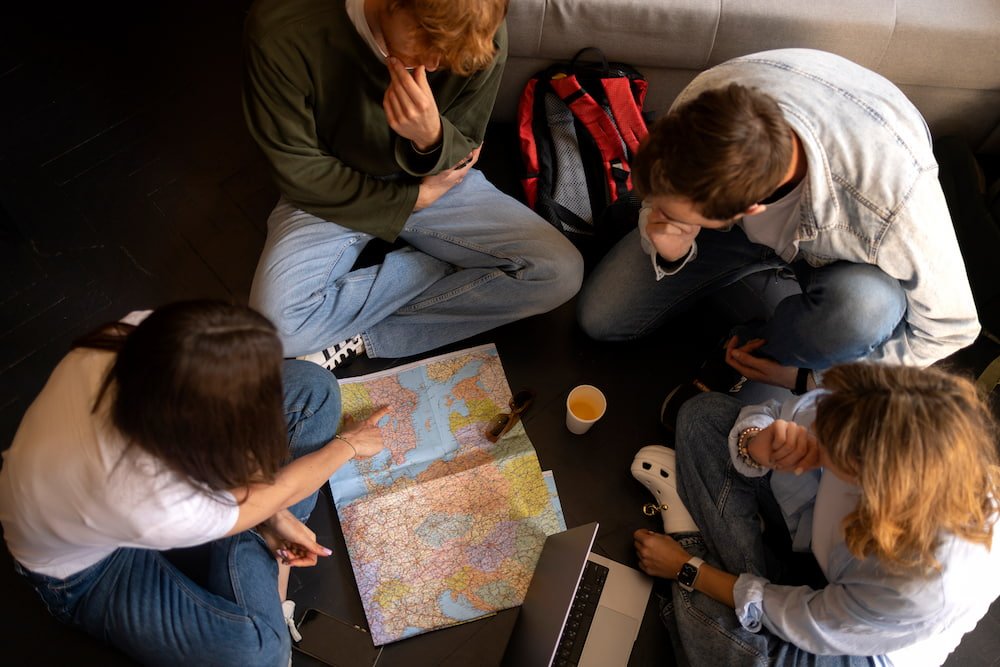
It's also important to make participation optional. If someone doesn't want to join a particular activity, let them sit it out without making it a problem. They might prefer to relax at the rental, explore somewhere nearby, or simply have some time to themselves.
For bigger decisions, agree on a simple way to settle disagreements. The group might vote when there are several options or choose a plan that works reasonably well for everyone. The goal isn't for every person to get their first choice every time. It's to make sure everyone has a fair opportunity to contribute and that decisions don't become a source of tension.
Even a well-planned itinerary will need adjusting. That's not a failure; it's just how trips go.
Weather changes. A place you were excited about ends up being underwhelming. Someone in the group is tired and needs a slower day. Having a few backup ideas already in mind means you're not starting from scratch when something falls through.
One habit that helps is doing a short check-in at the end of each day. Go over what's on the schedule for tomorrow, see if it still makes sense, and make any changes before everyone goes to sleep. It takes about ten minutes and avoids the morning confusion of people waking up with different expectations.
The trips that tend to go well are the ones where people hold the plan loosely. They have a structure, but they're not attached to it.
Planning a group trip gets a lot easier when you stop trying to make it perfect and focus on making it workable.
Get input from everyone before you start booking things. Build a schedule that has breathing room in it. Pick a place to stay that fits how the group actually functions, not just how it looks online. Let people have some ownership over parts of the trip. And stay open to changing the plan when the plan isn't working.
The point isn't to run a flawless itinerary from start to finish. It's to spend time with people you like and come home with good memories. Keep that as the goal, and most of the small problems sort themselves out along the way.