India is a land of such staggering diversity that planning a trip here can feel like trying to drink from a fire hose. Do you stick to the well-trodden path, visiting the iconic sights that have defined India trips for decades? Or do you venture off the beaten track to discover hidden valleys and untouched temples? The truth is, the perfect journey often lies in a blend of both. Structuring your trip effectively means deciding when to follow the crowd and when to walk away from it.
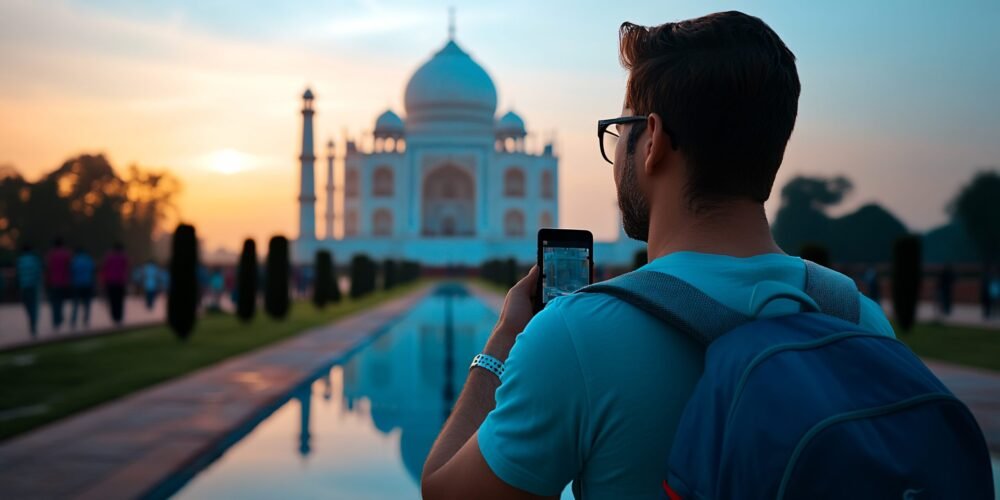
For first-time visitors, the classic tourist trail is efficient, awe-inspiring, and packed with history. This circuit, often referred to as the Golden Triangle (linking New Delhi, Agra, and Jaipur), is the bedrock of most India tours. Here, you can tick off the heavyweights of the UNESCO World Heritage Sites list. Witnessing the ethereal beauty of the Taj Mahal at sunrise is a non-negotiable experience.
In Delhi, you can explore the Mughal grandeur of Humayun's Tomb and the ancient victory tower of Qutub Minar. Push a little further, and you can climb the imposing Amber Fort in Jaipur or venture into Ranthambore National Park for a thrilling chance to spot the majestic Bengal tiger in the wild.
Navigating these popular tourist spots is easier than ever. While you can rely on travel agents for package deals, managing your own logistics is now simple. For instance, staying connected to share those Taj Mahal selfies or to navigate the chaotic streets is crucial. Purchasing an eSIM India before you depart allows you to connect immediately upon landing, giving you access to maps and travel apps without needing a local SIM.
Once you have paid your respects to the icons, the offbeat path beckons. This is where you trade the bustling crowds for a deeper connection with the soul of the Republic of India.
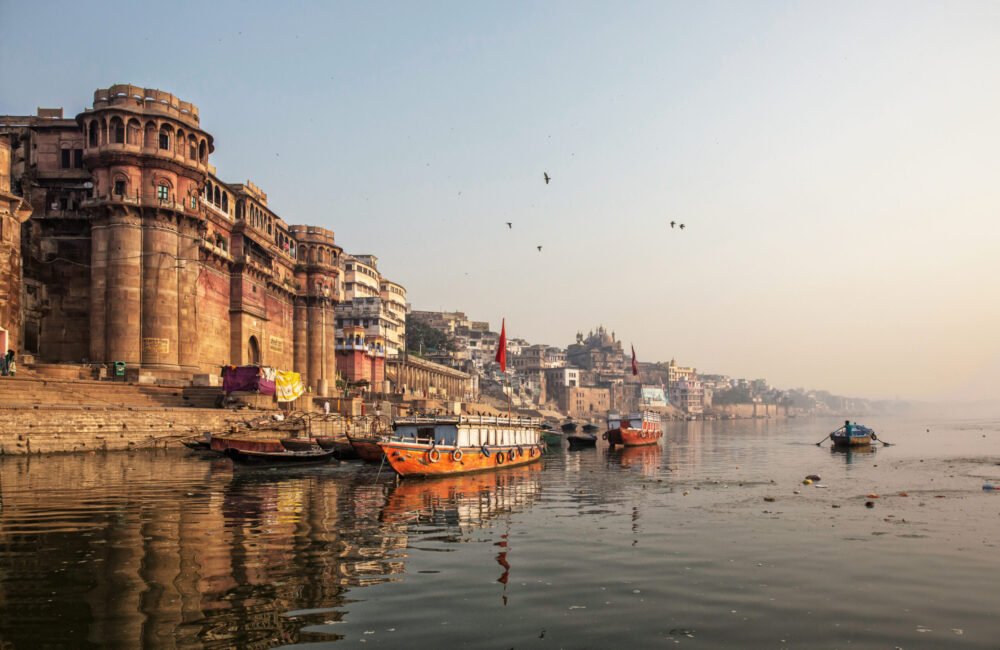
Instead of another fort, you might find yourself meditating on the steps of Varanasi along the sacred Ganges River. You could trade the desert landscapes of Rajasthan for the snow-capped meadows of the Kashmir Valley, or visit the intricately carved marble of the Ranakpur Temple, a Jain sanctuary far quieter than its more famous counterparts.
Offbeat travel often requires more legwork. It means utilizing public transportation like local trains or shared jeeps to reach remote villages. It might involve a visit to the National Museum of New Delhi to contextualize the folk art you saw in a rural hamlet. For those short on time, personalized tours can bridge the gap between comfort and discovery, using local expertise to access areas that standard buses cannot reach.
Structuring your trip in India, whether classic or offbeat, comes down to logistics. You will be dealing with the Indian Rupee everywhere, so carrying small denominations is essential for local markets and chai stalls. Before you fly, ensure your Indian visa is in order; the Indian government has streamlined the e-visa process for many nationalities, making it a simple online application.
However, traveling off the beaten path comes with a greater responsibility. As tourism spreads to fragile ecosystems and rural communities, practicing environmental responsibility is key. This means respecting UNESCO sites by not touching ancient paintings, ensuring you leave no trace in national parks, and supporting local economies through ethical practices, such as prioritizing animal welfare over the perfect photo.
The secret to a successful trip lies in designing an itinerary that uses the infrastructure of the tourist trail as a springboard for offbeat exploration.
Begin your journey on the classic circuit to acclimate to the sensory overload. Spend a few days in New Delhi visiting the Red Fort and Chandni Chowk, then let a driver take you to Agra to see the Taj Mahal. This is where you build your confidence and your cultural vocabulary. Once you feel the rhythm of the country, it is time to diverge.
Instead of heading straight from Agra back to the tourist hubs of Rajasthan, consider hiring a car and a driver for a few days to explore the rural villages and lesser-known temples of Shekhawati. You can still end up in Jaipur to see the Amber Fort, but your journey there will be uniquely yours.
Alternatively, after a wildlife-focused stay at Ranthambore National Park, skip the next big city. Head to a small homestay on the fringes of the park to learn about conservation efforts directly from the locals. This approach allows you to enjoy the reliability of the beaten path while indulging your curiosity for the unknown.
You can book the first half of your trip through travel agents to ensure a smooth start, and then leave the second half open for spontaneity, using your local expertise to decide where to go next. This way, your trip to India becomes a personal narrative, blending the grand, historic epics with quiet, intimate stories.
There is no right or wrong way to see India, only different shades of experience. Structuring your trip is about balance. Let the well-worn tourist trail handle the logistics of the big-ticket items like the Taj Mahal, the tiger safaris, and the bustling bazaars of the Golden Triangle. Then, carve out time for the offbeat path where you can discover your own private India. The key is to move at a pace that allows the country to reveal itself to you.