When a group books a trip to New Orleans, most start with the same checklist: Bourbon Street, the French Quarter, maybe a plantation tour. But here's what experienced group travelers know that first-timers don't: the neighborhoods you choose to actually spend time in determine whether your group bonds or spends three days walking past each other on famous streets. When exploring authentic areas like magazine street new orleans, groups discover the kind of casual, walkable rhythm that makes shared travel memorable instead of logistically exhausting.
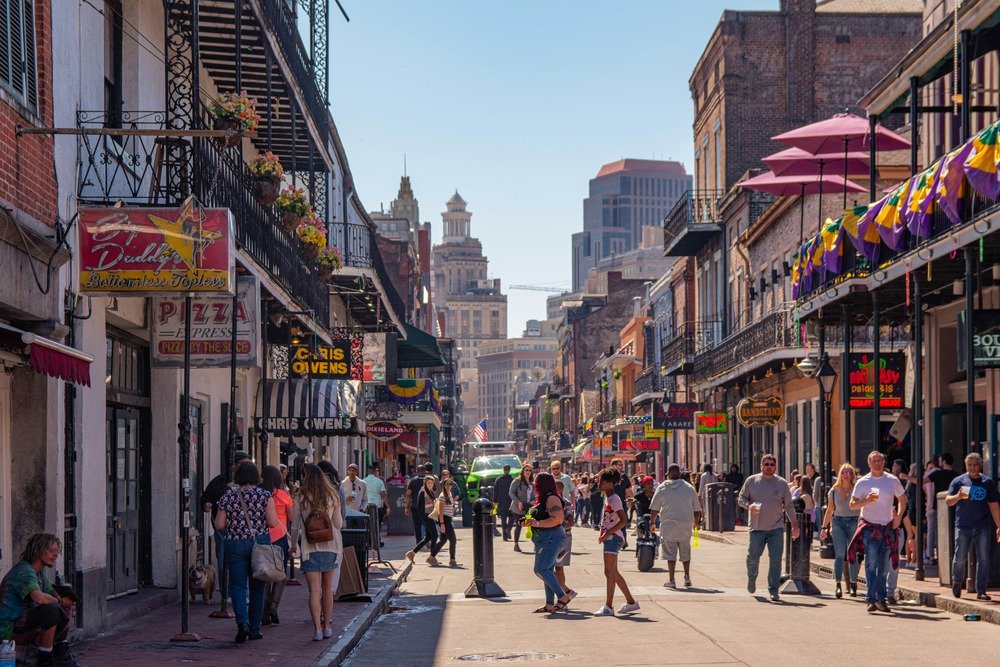
There's a pattern that emerges after you've traveled with groups a few times: the trips that stick are almost never the ones where everyone follows the same guidebook. Groups to New Orleans often fracture because they're chasing the same attractions at the same times, competing for space at famous restaurants, and spending energy navigating between scattered tourist zones instead of actually being together.
The real difference happens when groups choose neighborhoods where they can exist as a unit. A neighborhood with a mix of casual bars, independent shops, and community gathering spaces becomes a natural anchor. People spread out, discover different things, and then reconvene with stories instead of feeling like they missed out on someone else's experience.
Not all neighborhoods work the same way for group travel. Some are designed around tourists passing through; others feel like places where people actually live and gather.
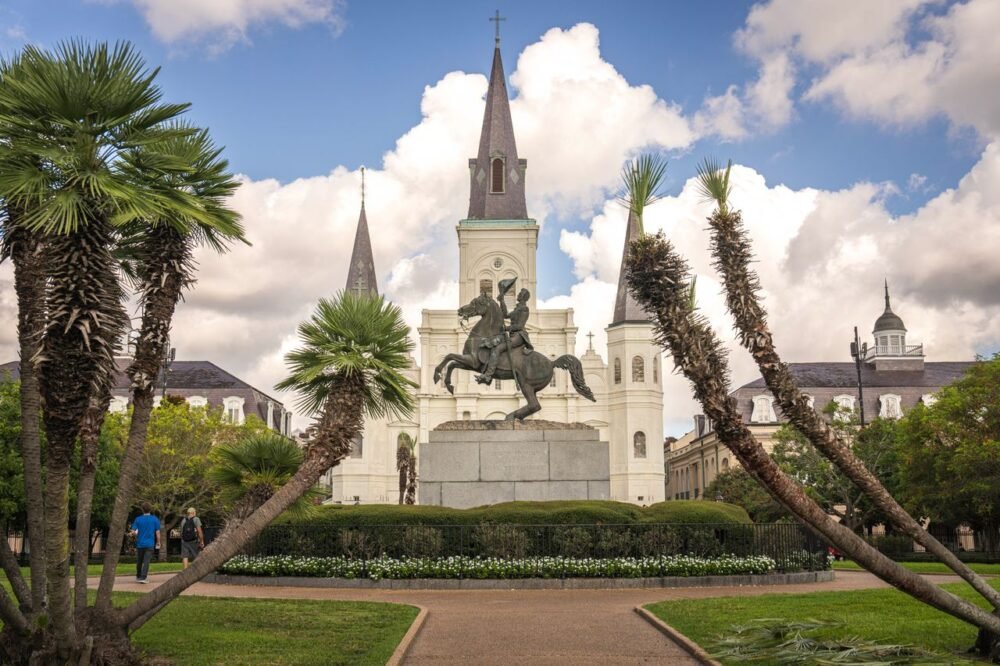
Neighborhoods built on a human scale where groups can walk between coffee shops, galleries, restaurants, and bars without needing directions create a powerful sense of flow. When a group can naturally drift from spot to spot without someone checking maps every five minutes, the trip feels like exploration rather than logistics. This walkability also means smaller groups can peel off for an hour without anyone feeling stranded, because everything's close enough that reconvening happens naturally.
Areas with a genuine mix of residential, food, cultural, and entertainment spaces work better than purely commercial zones. A neighborhood where a bakery sits next to a vintage bookstore, which faces a community gallery, which is walking distance from a dive bar, creates the kind of organic discovery that keeps groups talking for months. Everyone finds something different in the same few blocks, but you're all still in the same neighborhood.
Every strong neighborhood has a place where locals actually go. It might be a coffee shop, a barbershop, a music venue, or a corner bar where regulars hold court. Groups that find these spots feel like they've discovered something real instead of something curated for visitors. These places tend to be slower, more conversational, and they create the kind of downtime where group bonding actually happens.
French Quarter tourism is so refined that it barely resembles the neighborhood that exists underneath. That's not a critique of the French Quarter; it's just a fact about what happens when an area becomes primarily a tourist product. The streets are engineered for volume, prices reflect visitor traffic, and the rhythm is set by tour schedules rather than neighborhood life.
When groups base themselves in neighborhoods that are still primarily residential or mixed-use, they experience a different rhythm. Local businesses operate on their own schedule. Restaurants fill with neighbors as much as visitors. The pace is slower because there's no economic incentive to rush people through. This is where groups actually relax and connect instead of performing a checklist.
Consider two groups of six friends visiting New Orleans for five days. Both have the same budget and interests.
Group A books a hotel in the French Quarter. They wake up, venture out to the day's planned attractions (museum at 10, lunch at a famous restaurant at 12:30, walking tour at 3), reconvene at dinner, maybe hit Bourbon Street at night. By day three, they're exhausted and fractured. One person got food poisoning at the famous restaurant. Someone missed the museum to sleep. The walking tour felt rushed. Everyone has their own version of the trip.
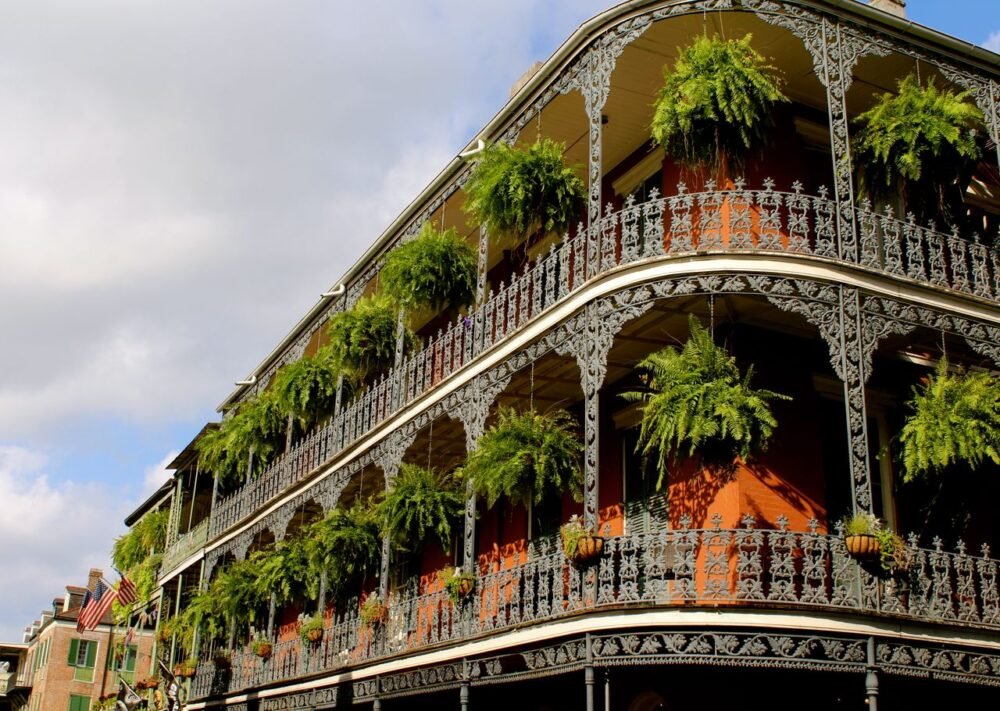
Group B books a shared group rental in a neighborhood like the Marigny or Bywater area. They wake up without an itinerary. Someone finds a coffee shop down the block and brings back breakfast. The group spends the morning reading, working, or exploring within a few blocks. Someone discovers a gallery, another finds a vintage record store. People drift in and out while staying loosely connected. Lunch happens at a local spot. The afternoon splits naturally: some nap, some explore further, some sit at the shared space. Dinner is cooked together or found at a neighborhood restaurant. By day three, the group has developed rhythm and inside jokes specific to the neighborhood. They've moved at their own pace instead of a tour schedule.
The difference isn't the attractions. It's that Group B's neighborhood setup made shared time easier and downtime richer.
A few areas consistently create good group travel experiences.
Marigny and Bywater: These neighborhoods sit just downriver from the French Quarter but maintain residential character. Frenchmen Street has live music venues, but they're the kind where locals outnumber tourists. The surrounding blocks have coffee shops, independent restaurants, bookstores, and bars where you can actually have a conversation. Walkable enough to explore without planning, but with enough activity that downtime never feels empty.
Treme: The cultural and spiritual heart of New Orleans, Treme is where the city's jazz history was born. It's a working neighborhood, not a museum. Walking through it feels like being in a place with real roots. The food is authentic because it was developed for people who live there, not created for tourist appeal.
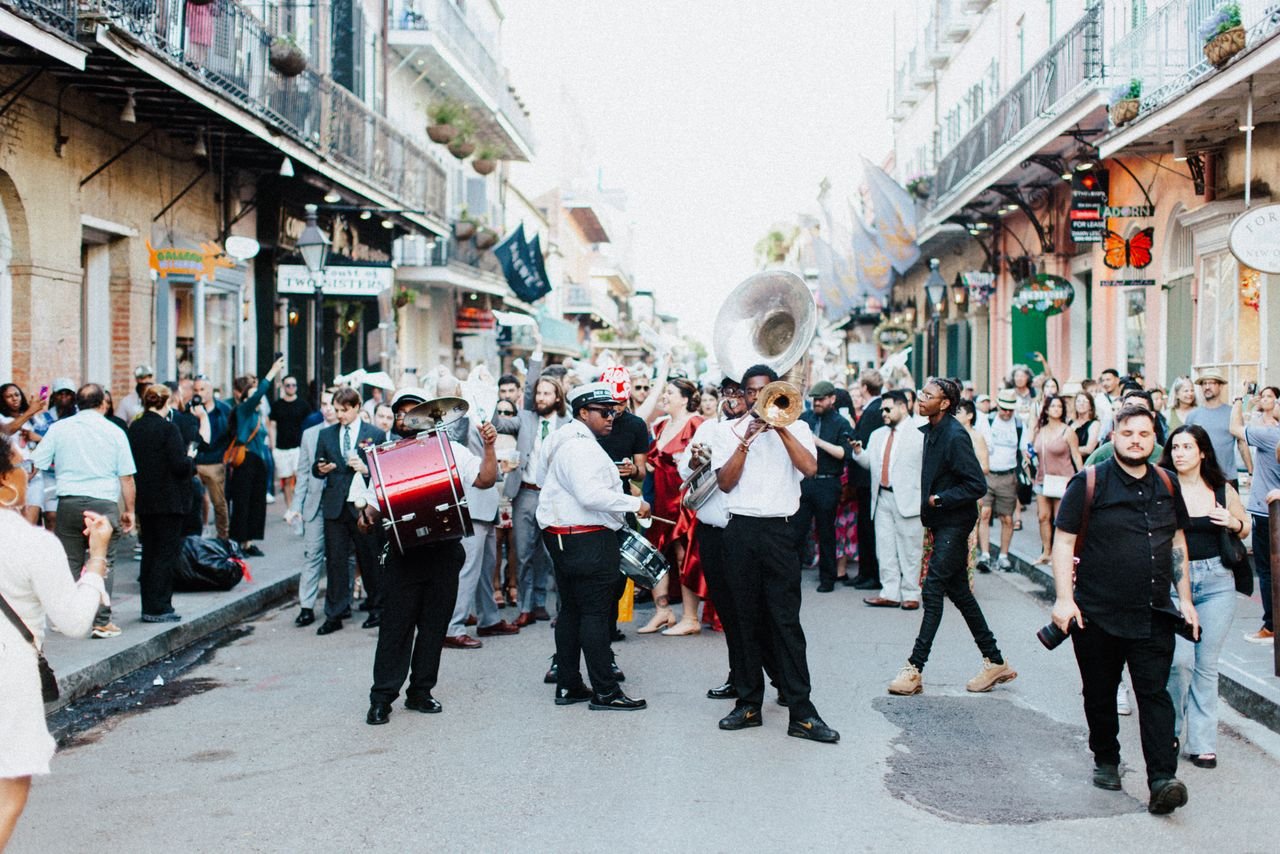
Mid-City: Less visited by groups but excellent for people who want to experience neighborhood life. Magazine Street runs through here and offers independent shops, galleries, and restaurants. Cemeteries, parks, and cultural institutions are interspersed with residential blocks. It's not designed around tourism but it's richly navigable for groups interested in how cities actually work.
Lower Garden District: This area sits upriver from downtown and maintains the feel of a real neighborhood where people actually live. Walkable, beautiful, with good restaurants and cafes. Less crowded than the French Quarter but still accessible enough for a group trip.
Neighborhood choice only works if your group has a base that supports that neighborhood living. A traditional hotel room designed for one or two people forces groups to rent multiple rooms, which means nobody's ever together except when they've planned to be. Real group bonding happens during the downtime between planned activities.
When a group rents a shared apartment in a neighborhood, something shifts. There's a living room where people naturally congregate. There's a kitchen where cooking together becomes possible. There's space to spread out without someone feeling crowded. This physical setup changes how the group moves through the neighborhood. You can split for a few hours knowing there's a real base to return to. You can cook one night instead of going out every night, which saves money and creates memories. You can stay up talking without worrying about disturbing hotel neighbors.
The neighborhood becomes more than just a place to visit; it becomes home for a few days.
New Orleans will always have famous attractions, and they're worth visiting. But the trips people remember for years aren't the ones where they saw everything. They're the trips where they lived somewhere for a few days, moved at their own rhythm, and discovered places that felt real instead of performed. That happens in neighborhoods, not attractions. When your group chooses the right neighborhood and bases themselves there, the city reveals itself in a way no tour can match.
Marigny and Bywater offer the best balance for first-time groups. They're close enough to French Quarter attractions that you can access them easily, but the neighborhood itself has authentic character, live music, good food, and a walkable infrastructure that makes group exploration natural. The area feels like New Orleans without being designed purely for tourists.
Not in most neighborhoods. Marigny, Bywater, Treme, the Lower Garden District, and central Mid-City are all walkable. The streetcar system connects many areas. Groups staying in a neighborhood and exploring on foot or via local transit experience the city far better than those renting cars and driving between attractions.
For group rentals in popular neighborhoods like Marigny and the Lower Garden District, book 2-3 months in advance if traveling during peak seasons (March, October, November). Off-season travel gives you more flexibility, but neighborhood selection still matters more than exact timing.
French Quarter puts you in the tourist infrastructure, which means constant crowds, inflated prices, and a rhythm set by tour schedules. Other neighborhoods let you experience New Orleans as a place where people actually live. You can still visit the French Quarter for a few hours; you just won't live in the tourism experience.
Yes. Neighborhoods like Bywater, Treme, and Mid-City have lower accommodation costs and lower restaurant prices because they're not built around tourist pricing. Groups also save money by cooking some meals together in a shared space, which is easier in a group rental than splitting hotel rooms.
Spend time walking the neighborhood before making dinner plans. Notice where you see regulars. Check Google Maps and TripAdvisor reviews for restaurants that have recent reviews from people who seem local (look for specific neighborhood references, mentions of visiting frequently, or details that suggest real familiarity). Ask your accommodation host or host staff for recommendations. The spots worth visiting are usually just steps away from tourist routes; you just have to look slightly to the side.