Bolivia is relatively cheap compared with a lot of expat destinations, but the cost of living is only part of the story. Where you live, how you deal with the altitude, the state of healthcare and how you get around all make a difference to what everyday life is actually like.
I enjoyed the fact that Bolivia felt a bit removed from the standard expat formula. Your money can go further, but there’s also a learning curve when you’re getting used to the way things work.
These are the practical bits I’d look at first.
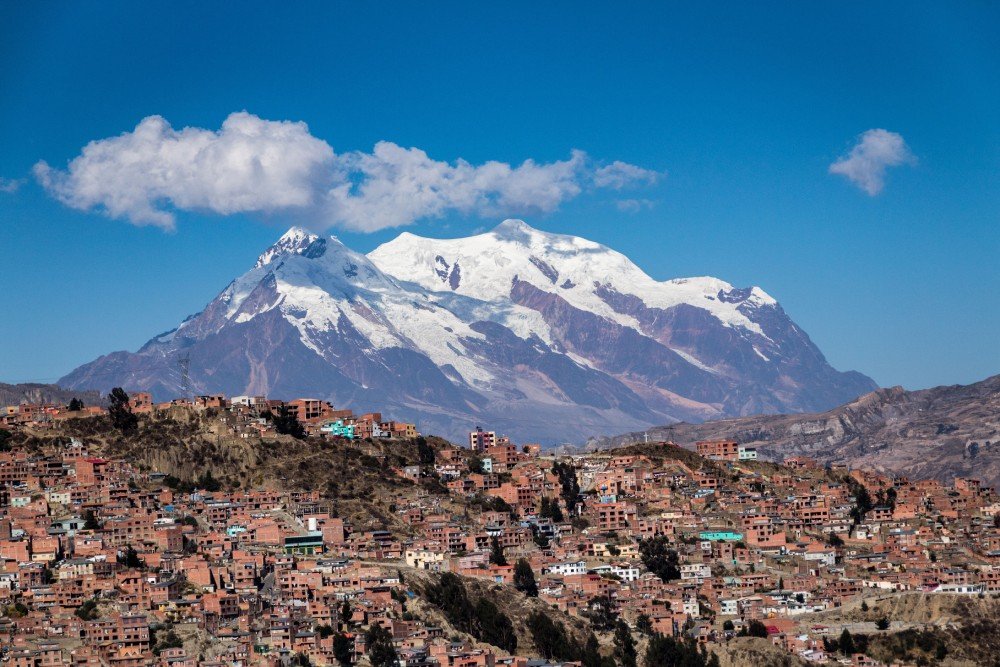
Where you choose to live makes a huge difference in Bolivia. La Paz feels nothing like Santa Cruz, and Sucre and Cochabamba have their own character again.
That means there isn’t really one standard cost or lifestyle to expect. The weather, altitude, rent, and even the pace of your day can change quite a bit from city to city.
There’s a similar difference between traveling around Bolivia and actually settling down. When you’re traveling, you can shrug off a late bus or a road closure and move on. When you live there, you have to build those sorts of things into your plans.
I’d also make Spanish a priority. You can get by with limited Spanish for a while, but speaking enough to deal with shops, markets, doctors' offices and paperwork makes a big difference.
Compared with a lot of Western countries, Bolivia can be pretty cheap, especially if you’re happy eating local food, using buses and renting outside the more expensive parts of town.
Current crowdsourced estimates put monthly spending for one person in La Paz at around Bs6,480, although the data is based on a fairly small sample. Santa Cruz de la Sierra comes in at roughly Bs6,955, so there isn’t a huge difference between the two.
Housing is where things can vary. In La Paz, current estimates put a furnished 45m² studio in a normal area at around Bs2,010 per month, while an 85m² furnished flat in a normal area is around Bs2,924.
That doesn’t mean you should treat those figures as fixed prices. Rental markets move around, and neighborhood makes a big difference. Still, they give you a rough idea of why Bolivia appeals to people looking for a lower-cost base.
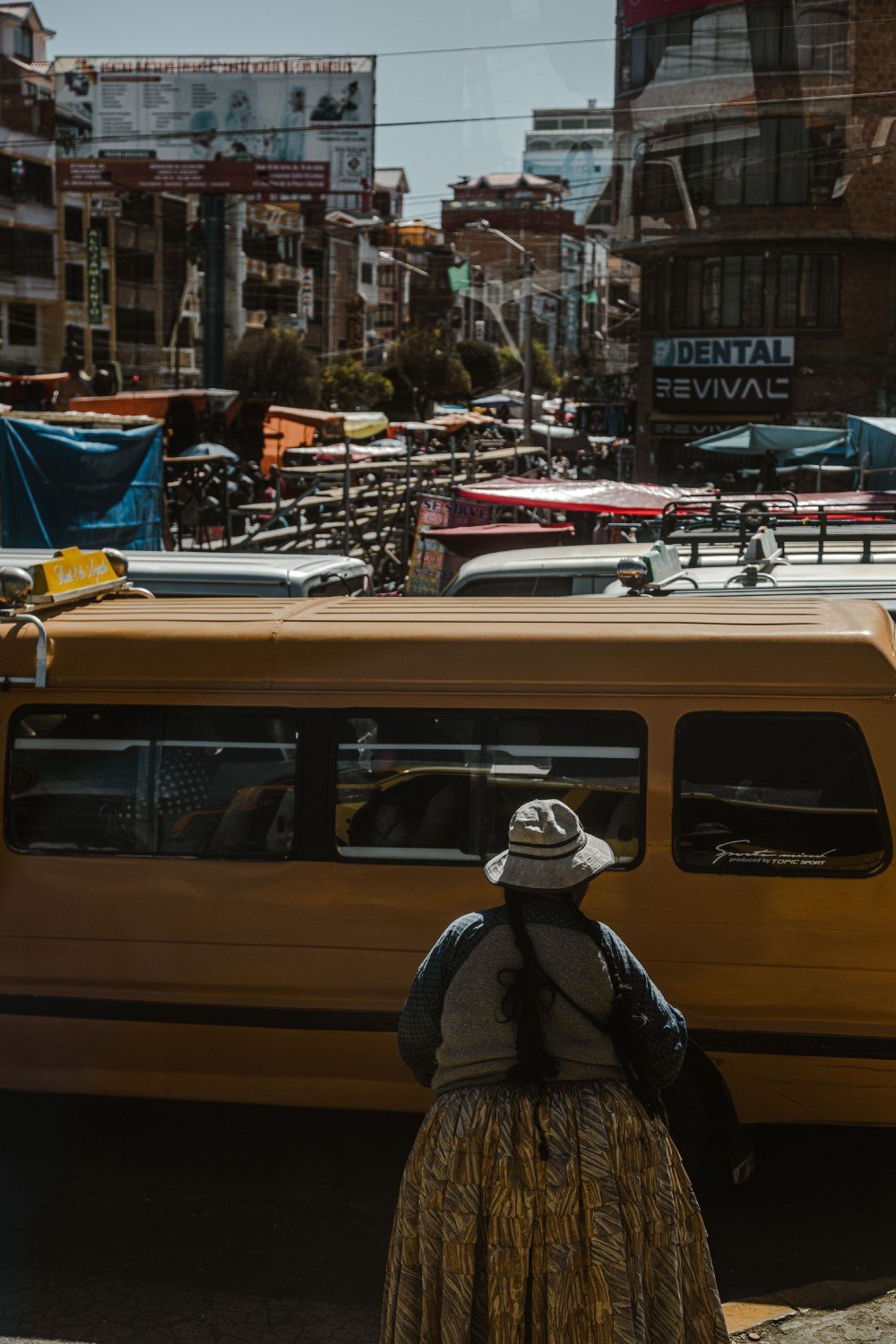
Renting is generally the easier option when you first arrive. I wouldn’t rush into buying a house in Bolivia until you’ve spent enough time in the country to understand the areas you actually like.
La Paz makes sense if you want a cooler climate, mountains and plenty happening. Santa Cruz is lower, warmer and more sprawling, so it may suit you better if you don’t fancy living in a city full of steep streets.
Sucre is another one I’d look at if you want somewhere smaller and more laid-back. Cochabamba sits somewhere between the two, with a relatively mild climate and plenty of the things you need for everyday life.
Property is a little different. You can certainly buy, but I’d get proper legal advice before committing to anything rather than relying on an estate agent or someone you’ve only recently met.
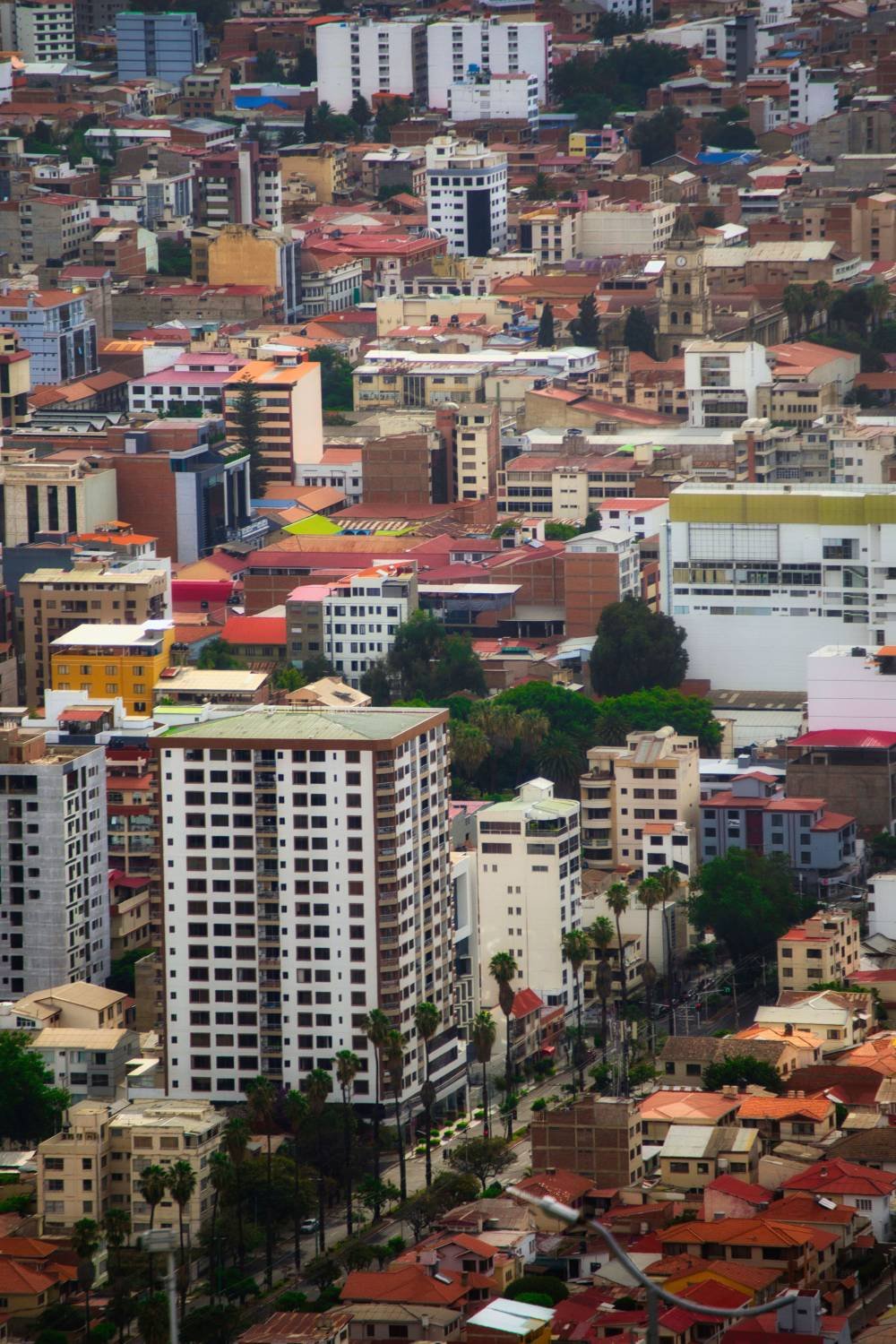
La Paz is the one I’d look at if you want a busy city with plenty to do. There’s no shortage of restaurants, nightlife, markets or museums, and the cable car network is a pretty useful bonus. The altitude is something you’ll need to get used to, though.
At roughly 3,650 meters, it can take your body some time to adjust. Cold nights and steep hills don’t help either.
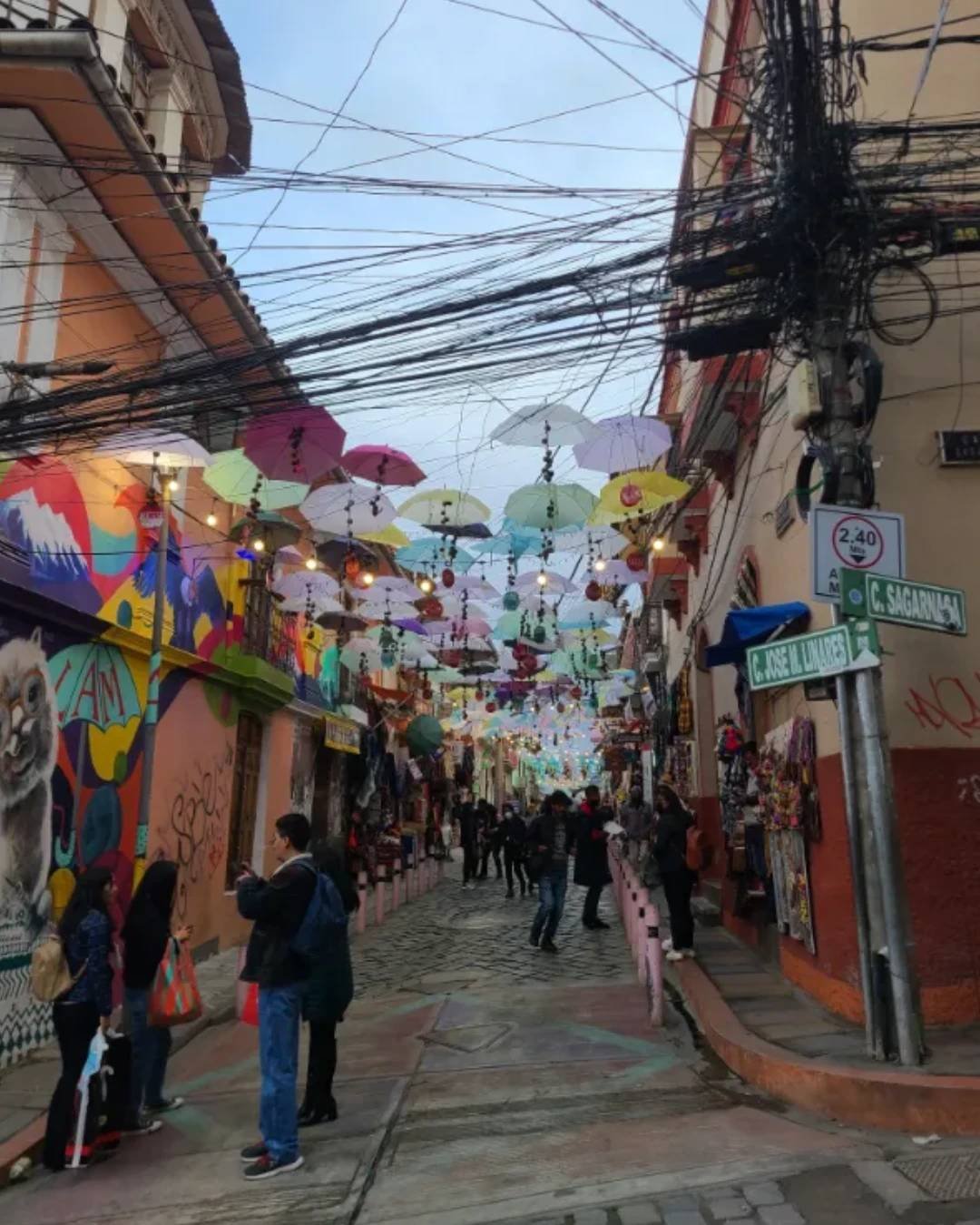
Santa Cruz is almost the opposite experience. It’s much lower, warmer and more tropical, with a flatter layout and a larger, more sprawling feel.
For someone who struggles with altitude, this alone could make Santa Cruz the better choice. It’s also one of the places I’d look at if you want a more modern city environment.
Sucre is a good option if you want a slower pace but still want the basics of city life around you. The colonial buildings give it plenty of character, and the climate is another bonus.
It’s also a popular place to study Spanish, so you’ll probably come across other foreigners fairly easily. At the same time, it doesn’t have that feeling of being built entirely around expats.
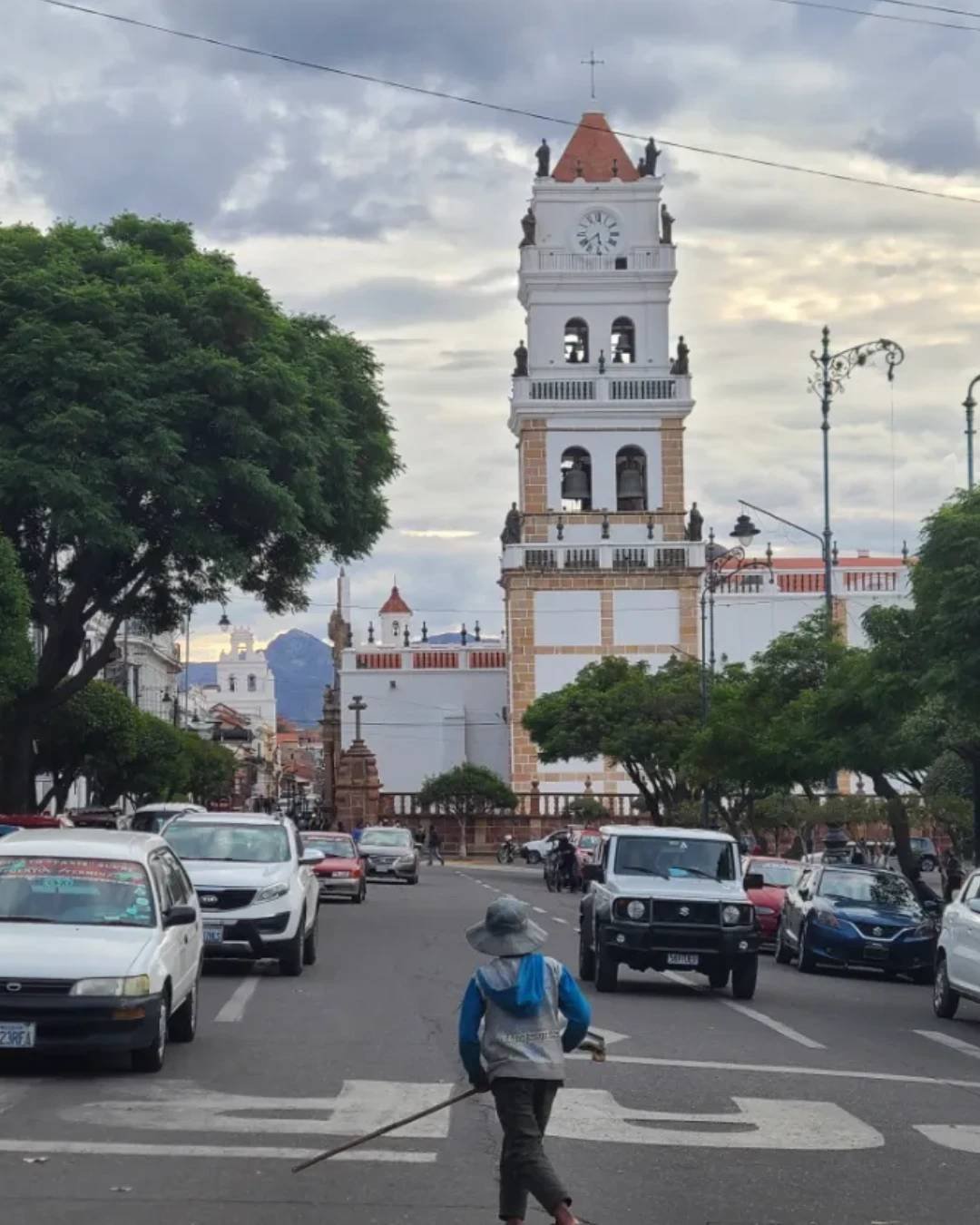
Cochabamba could be a good fit if you’re looking for something between La Paz and Santa Cruz. It has a fairly mild climate and the cost of living can be quite reasonable, while you still have everything you need day to day.
It’s warmer than La Paz without having the tropical feel of Santa Cruz, which is probably the main attraction for some people.
I wouldn’t describe Bolivia as somewhere you can completely switch off. Petty theft, scams and transport risks are more useful things to think about than imagining yourself constantly surrounded by serious crime.
Some parts of Bolivia need a bit more caution than others. The UK currently advises against all but essential travel to the Chapare region, including Villa Tunari and highway routes 4 and 24. Elsewhere, I’d keep an eye on crime, protests, roadblocks, and transport problems.
For everyday life, the precautions are pretty simple. Keep your valuables somewhere safe, be sensible when using taxis and avoid walking around unfamiliar areas late at night.
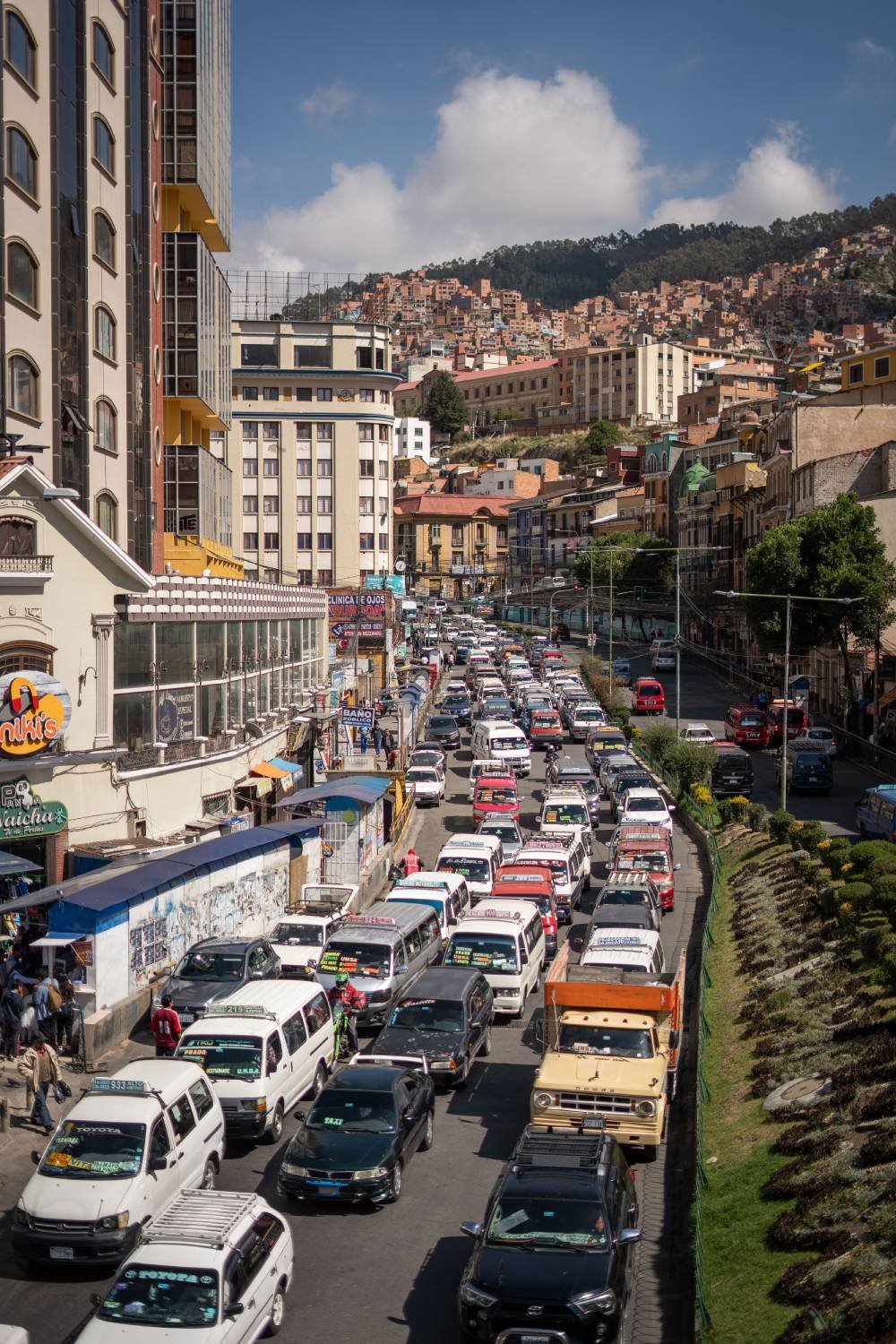
You also need to get used to the possibility of roadblocks. They can happen without much warning and cause problems for public transport, so I’d avoid making plans that leave you with no room for delays.
I’d do a bit of research into healthcare before making the move. Bolivia has both public and private services, although what’s available to you can depend quite a lot on where you choose to live.
For anything more complicated, many expats will probably prefer private care, particularly when it comes to specialists. That’s another reason I’d take the city you choose seriously.
Health insurance is something else I’d arrange before arriving. It’s much easier to have it sorted in advance than find out later that something isn’t covered.
For retirement, Bolivia has a few things going for it. Living costs can be lower, life can move at a slower pace and you’re certainly not choosing the usual expat destination.
Sucre, Cochabamba, and Tarija would be on my list to investigate first. I love La Paz, but the altitude is a pretty obvious consideration if you’re thinking about staying for years rather than weeks.
It also comes down to personality. Being able to afford life there doesn’t necessarily mean you’ll enjoy it. Someone who likes predictable services and plenty of English around them may find the adjustment harder.
Working locally is a different proposition from simply living there with savings or overseas income.
Spanish matters much more, and you’ll need to understand the legal requirements around working and residency rather than assuming a tourist stay covers everything.
Remote workers and people with income from outside Bolivia may find the lifestyle easier because they’re less dependent on the local job market. The practical side still involves sorting out accommodation, banking, internet access and the paperwork that comes with staying long term.
I’d get the residency and tax side properly checked before making the move rather than trying to untangle it after arriving.
The biggest advantages are fairly obvious. Living costs can be low, the scenery is extraordinary and you get a much more local experience than you would in some of South America's better-known expat destinations.
There are a few drawbacks to keep in mind as well. Bureaucracy can take some patience, infrastructure isn’t always dependable and getting around doesn’t always go to plan. And unless you already speak Spanish, you’ll probably find yourself relying on it more and more over time.
Altitude is another one. It’s easy to forget about until you're trying to climb a short flight of stairs and wondering why you've suddenly become spectacularly unfit.
Living in Bolivia can work very well for the right person. It offers relatively low costs, several very different cities to choose from and a lifestyle that feels a long way removed from the standard expat formula.
I’d spend some time traveling around the country before choosing where to settle. La Paz might look ideal on paper, only for you to discover that you’d much rather have the warmer climate of Santa Cruz or the slower pace of Sucre.
That’s probably the biggest lesson. Don’t choose Bolivia as a whole. Choose the part of Bolivia that suits you.