Picture this: you've traveled 24 hours to Indonesia, chosen the wrong Gili Island for your diving style, booked during the worst visibility season, and selected a dive operator with outdated equipment. Your dream diving trip just became a costly disappointment.
The Gili Islands offer genuinely world-class diving. Sea turtles glide past you at arm's length. Vibrant coral gardens stretch in every direction. The famous underwater sculpture museum gives you something you won't find anywhere else on Earth. But poor planning leads to crowded dive sites, murky 8-metre visibility, mismatched operators, and missed opportunities that haunt you on the flight home. If you wear corrective lenses, add an ill-fitting rental mask to that list. Investing in a quality option — learn more here — before you leave home eliminates one easily avoidable problem before your trip even begins.
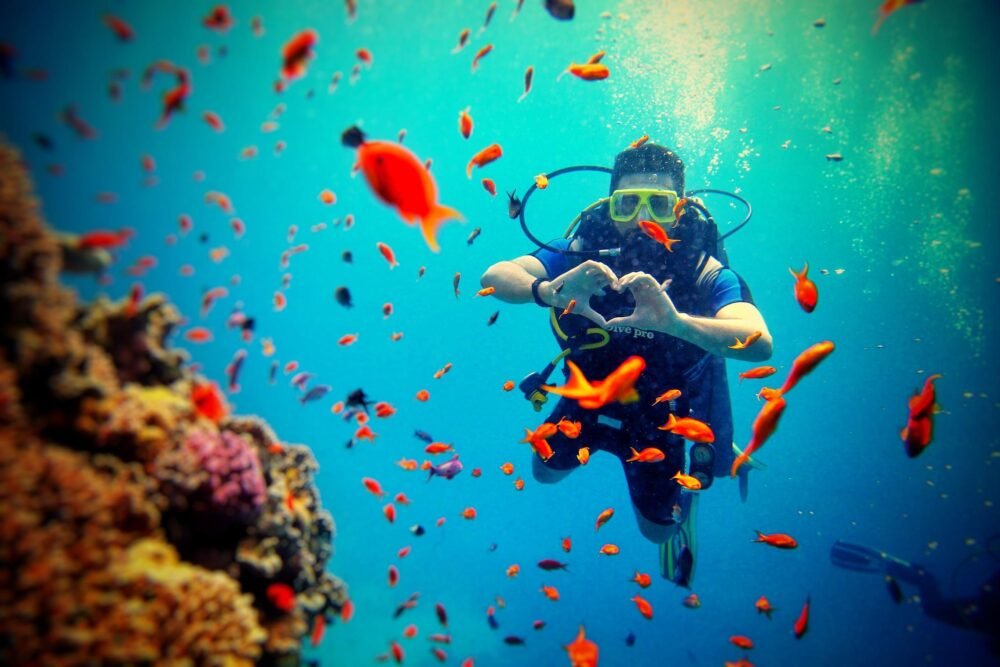
This guide covers the seven most common mistakes divers make when planning their Gili Islands trip, with specific, actionable solutions for each one. By the time you finish reading, you'll know which island suits your diving style, when to visit for your priorities, how to choose an operator you can actually trust, and how to structure your days for maximum underwater time.
The single biggest mistake most divers make starts before they even book a flight. They pick an island based on Instagram photos rather than diving compatibility. Here's what actually matters.
Gili Trawangan is the largest and most developed island, hosting the highest concentration of dive operators in the archipelago. You'll find 20-plus PADI-affiliated dive centres within walking distance of the main strip, which means genuine competition on pricing and services.
The downside is that the same popularity creates crowded dive sites. On peak weekends, you might share Turtle Heaven with four other groups simultaneously, which reduces the quality of encounters and stirs up sediment. Visibility at busy sites can drop from a potential 25 meters to a frustrating 12 meters simply due to diver traffic.
Trawangan makes the most sense if you're combining diving with nightlife and want maximum operator choice. It's also the best base for reaching Shark Point and Meno Wall as day trips, since both sites sit in the channel between Trawangan and Meno.
Best for: Social divers, beginners who want abundant instructor availability, and anyone using diving as one part of a broader beach holiday.
Gili Meno sits in the middle of the three islands and offers something genuinely different. Fewer tourists, fewer dive operators, and noticeably less crowded sites. The trade-off is limited dining and nightlife options, but for divers focused purely on the underwater experience, that's not a trade-off at all.
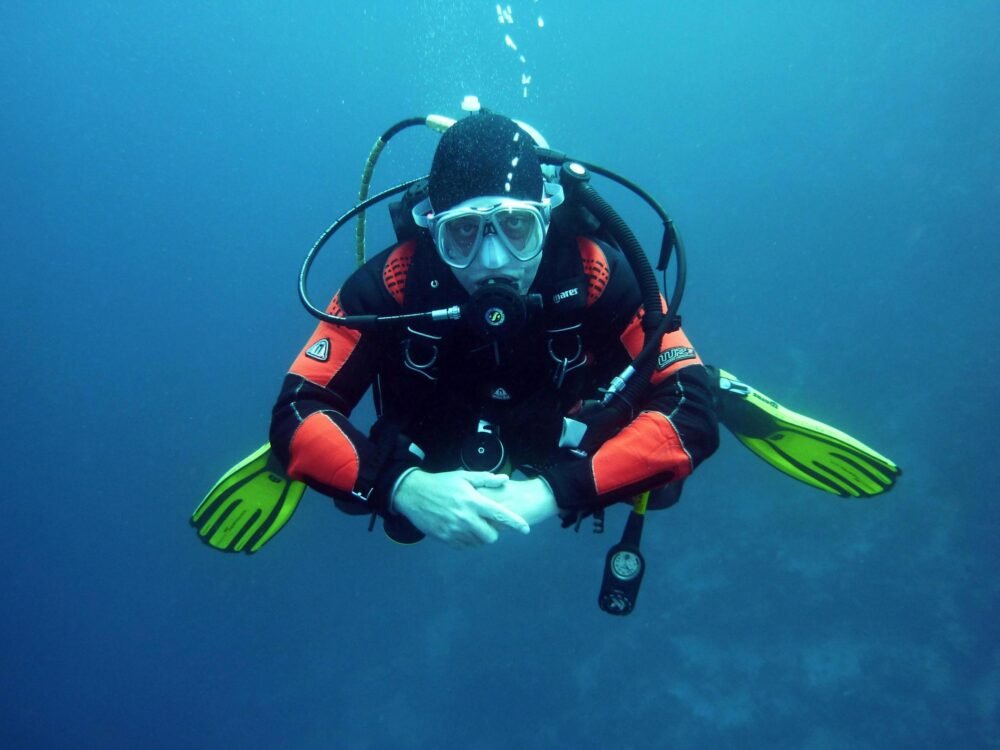
Meno's real selling point is direct access to the Meno Wall and the turtle cleaning stations just off its northern shore. Because fewer divers base themselves here, you'll routinely encounter turtles with only your own group present. That changes the entire dynamic.
Expect three to five established dive operators on Meno, most of which maintain solid reputations precisely because they can't rely on volume to mask quality problems.
Best for: Dedicated divers prioritizing turtle encounters, underwater photographers wanting uncrowded sites, and couples looking for a quieter atmosphere.
Gili Air sits closest to Lombok and offers a genuine middle ground. It has more dining and atmosphere than Meno without the relentless party energy of Trawangan. The dive operator scene has grown significantly over the past five years, with competitive pricing and a range of site access.
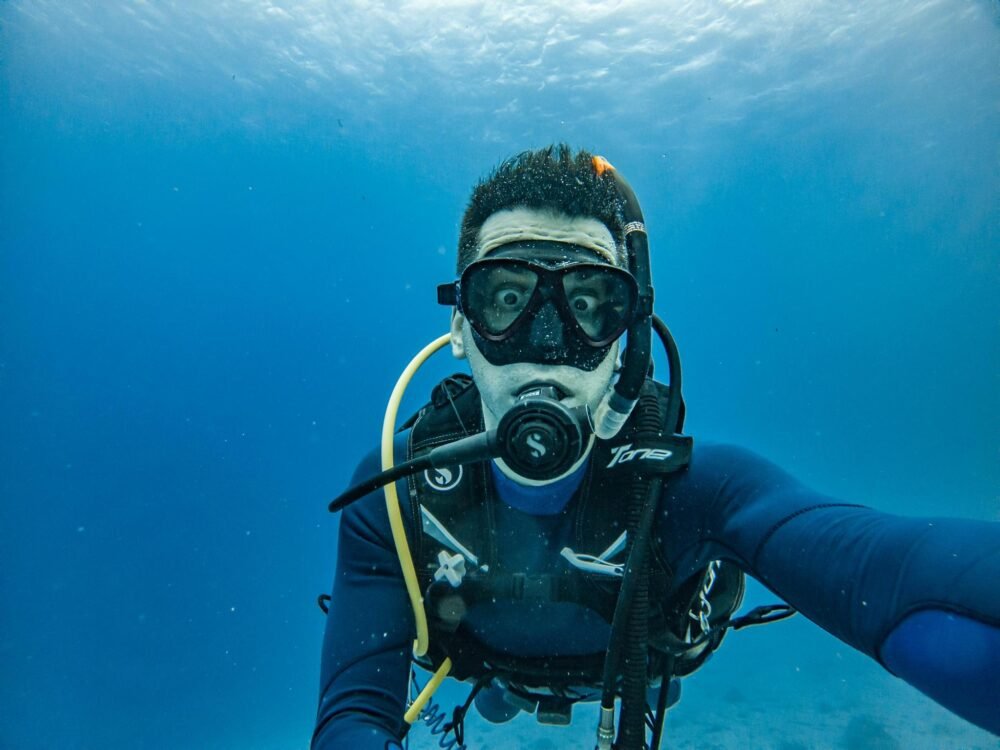
Gili Air gives you access to deeper channel dives between Air and Lombok, which produce reliable current-driven drift dives and occasional pelagic encounters. If you want to mix beginner-friendly reef diving with more advanced options as your confidence grows, Air gives you that flexibility.
Best for: Intermediate divers, groups with mixed experience levels, and anyone wanting quality diving with a relaxed but not isolated atmosphere.
You can pick the perfect island and still ruin your trip by arriving at the wrong time. Timing mistakes are the second most common planning failure for Gili Islands diving trips.
The dry season runs from April through October, and this is when you'll see the best visibility, often 20 to 30 meters on a good day. Water temperatures sit comfortably between 27 and 29 degrees Celsius. This is also when prices spike, boats fill up, and popular sites get crowded.
The wet season, November through March, brings reduced visibility, typically 10 to 20 meters, and occasional choppy surface conditions. However, the plankton blooms that reduce visibility also attract filter feeders. This is your best window for mola-mola (oceanic sunfish) sightings, which peak between July and October at depth, and for manta ray encounters in the channels.
Shoulder months, particularly April to May and September to October, consistently deliver the best balance. Visibility remains excellent, crowd levels drop noticeably, and prices settle between peak and off-peak rates. If your schedule has any flexibility, target these windows.
Sea turtles are present year-round at the Gili Islands, but their activity peaks during nesting season from May through September. During this window, you'll encounter turtles feeding at cleaning stations, resting on reef structures, and occasionally interacting with divers who approach calmly.
Mola-mola sightings are unpredictable, but odds improve significantly between July and October at deeper sites like Deep Halik (25 to 40 meters), where water temperatures drop slightly at depth during this period.
For reef sharks, tidal patterns matter more than seasons. Slack tide at dawn and dusk consistently produces the most reliable encounters at Shark Point. Ask your dive operator about tidal timing when booking Shark Point dives, rather than accepting whatever slot they offer by default.
Two patterns experienced Gili divers consistently identify:
Weekend diving is noticeably worse. Domestic tourists from Bali and Lombok visit heavily on Fridays through Sundays. Midweek diving means smaller groups, less crowded sites, and often more attentive instruction.
Full moon creates challenging currents at certain sites. Meno Wall and the channels between islands see stronger-than-normal tidal flow around the full moon. This catches beginners off guard. Check the lunar calendar against your trip dates and flag any full-moon days to your operator in advance.
This is where the stakes get highest. The Gili Islands have a strong overall safety record, but equipment quality and instructor experience vary widely between operators. Choosing based on price alone is the mistake that occasionally turns diving stories into cautionary tales.
Look for PADI 5-Star IDC centres or SSI Diamond facilities as your baseline. These certifications require documented equipment maintenance schedules, minimum instructor-to-student ratios (typically 4:1 or better for open water courses), and verified emergency protocols.
Before committing to any operator, ask these specific questions:
Any operator uncomfortable with these questions is telling you something important.
Inspect rental equipment before you dive. Regulator second stages should seal cleanly, BCDs should hold air without audible leaks, and wetsuits shouldn't show significant tears at the neck or wrist seals. If you dive regularly, consider travelling with your own prescription dive mask rather than relying on generic rental masks, which rarely fit well and can compromise comfort and situational awareness at depth.
Four and five-star averages on TripAdvisor can mask serious problems if you're not reading the actual content. Look specifically for:
Red flags in negative reviews: Phrases like "rushed surface intervals," "leaking equipment," "divemaster distracted," or "overcrowded boat" indicate systemic problems rather than one-off bad days.
Patterns in positive reviews: The most trustworthy positive reviews name specific divemasters and describe specific encounters. Generic five-star reviews with no detail are less reliable.
Cross-platform consistency: Check Google Reviews, TripAdvisor, and ScubaBoard. An operator with excellent Google ratings but specific complaints on ScubaBoard, where experienced divers tend to post, deserves careful scrutiny.
Current market pricing for Gili Islands diving (2024) typically falls in these ranges:
Operators pricing significantly below these ranges are usually cutting corners somewhere, most commonly on group sizes, equipment age, or divemaster experience. Operators at the top of these ranges typically offer smaller groups, newer gear, and more experienced guides. That difference is worth paying for on sites like Shark Point, where current management genuinely matters.
Note: Pricing figures above are based on general market observation. Verify current rates directly with operators during the booking process, as pricing shifts between seasons.
With the right island and operator secured, the final layer of planning is matching dive sites to your experience level and structuring your days effectively.
Beginner-friendly (8 to 18 meters, gentle currents):
Intermediate (12 to 28 meters, moderate currents):
Advanced (25-plus meters, strong drift potential):
If underwater photography is a priority, a single lens dive mask offers a wider field of view than twin lens designs and genuinely changes what you can capture in frame. Pair it with a quality dive phone housing and you have a capable photography setup without the bulk of a dedicated camera system.
Morning dives consistently outperform afternoon dives in the Gili Islands. Surface winds typically pick up after midday, stirring up sediment and reducing visibility. Boat traffic also increases as the day progresses, particularly at popular sites.
A sustainable daily schedule:
Night diving deserves specific mention. The Gili Islands at night offer completely different marine life than daylight dives, including hunting octopus, Spanish dancers, sleeping turtles, and bioluminescent plankton. Book night dives as separate additions to your package rather than assuming they're included, and bring your own dive light if possible so you can position illumination exactly where you need it.
Building rest days into a week-long trip isn't laziness. It's injury prevention. Repetitive diving without adequate surface recovery increases nitrogen loading and fatigue-related errors. Plan at least one full non-diving day for every four dive days, and use those days for snorkeling, cycling the island, or exploring local restaurants.
Schedule any PADI certification work during periods of poor weather rather than burning optimal diving days on pool sessions and classroom time. Most operators can restructure courses flexibly if you communicate this preference during booking.
Gear is often the last thing recreational divers think about when planning a Gili Islands trip, and it tends to surface as a problem only once they're in the water.
This is one of the most common and most fixable problems on the list. Rental masks are designed to fit a broad range of face shapes, which means they rarely fit any individual face particularly well. For divers who wear glasses or contact lenses, the problem compounds. Contacts under a leaking mask create genuine discomfort and potential eye infection risk in tropical waters.
A prescription scuba mask for clear vision removes this problem entirely. You dive with your exact correction, the mask seals to your face rather than a generic approximation of it, and you arrive at the reef able to actually see what's in front of you. Given that the Gili Islands' appeal is almost entirely visual, this is worth sorting out before you leave home rather than improvising once you arrive.
The Gili Islands sit in warm water, which means most divers are comfortable in a 3mm wetsuit for multiple dives per day. Bring your own if you dive frequently, since rental suits in tropical dive destinations tend to be well-used and rarely fit as well as something cut for your body.
Other equipment worth owning rather than renting:
Ear equalization problems account for a disproportionate number of cut-short diving trips in the Gili Islands. The back-to-back dive schedule that most divers plan, particularly on Trawangan with its abundant operators, puts consistent pressure on ears that may not be used to it.
A few things that help: equalize early and often on descent rather than waiting for pressure to build, avoid diving if you have any congestion (the temptation is strong but the risk of barotrauma is real), and consider using a decongestant nasal rinse the morning before diving if you're prone to sinus issues. If an ear refuses to clear on descent, signal your divemaster and ascend a meter or two rather than pushing through.
Divers sometimes arrive at the Gili Islands with certifications that don't match their ambitions, or with ambitions that don't match their experience. Both create problems.
A PADI Open Water certification limits you to 18 meters. The Gili Islands' most celebrated intermediate sites, including Shark Point and Meno Wall, sit between 15 and 28 meters. For an Open Water diver, the upper sections of these sites are accessible, but you'll miss the deeper reef structures where the most dramatic marine life concentrates.
If you're planning a dedicated diving holiday to the Gili Islands, getting your Advanced Open Water certification before you arrive is a straightforward upgrade that meaningfully expands your site access. The Advanced course requires five dives (deep and navigation are compulsory, three others are elective), and completing this at home before your trip means you arrive certified rather than spending prime diving days on coursework.
Booking six consecutive days of two-tank morning dives sounds efficient. In practice, it leads to accumulated fatigue, compressed surface intervals, and a higher likelihood of making minor errors with potentially significant consequences. Experienced divers structure Gili Islands trips with rhythm, not relentless scheduling.
A better approach for a seven-day trip: two dive days, one rest day, two dive days, one rest day, one dive day. This keeps energy levels consistent across the week, gives your body time to off-gas properly, and usually produces better diving on each individual day.
The Gili Islands are small and separated by short boat rides, but the logistics between them are worth thinking through before you arrive rather than improvising on the day.
Fast boats from Bali to the Gilis take approximately four to five hours and arrive at one island, typically Trawangan. If your plan is to base yourself on Meno or Air, factor in an additional short crossing. Public cidomo (horse-drawn cart) and local speedboat services between islands run throughout the day, but schedules are loose and can add an unplanned hour to your journey.
If you're planning to dive from multiple islands across your trip, staying on Trawangan for the first half and transferring to Meno for the second half gives you a realistic way to access both Trawangan's operator variety and Meno's quieter sites without daily crossings.
Some divers combine a Gili Islands land-based trip with a short liveaboard through the Komodo corridor or the Banda Sea. If this is your plan, build a full day of buffer on either side of the liveaboard rather than assuming direct transfers will work smoothly. Fast boat cancellations due to weather are not uncommon during the wet season, and missing a liveaboard departure because of an unreliable crossing is an expensive mistake.
Successful planning comes down to four aligned decisions: the right island for your style, the right timing for your priorities, the right operator for your safety, and the right sites for your experience level.
Start by locking in travel dates based on marine life priorities. Shoulder months (April to May or September to October) remain the safest all-round choice. Research operators on your chosen island using the safety checklist above, and read ScubaBoard alongside TripAdvisor before committing. Book flexible accommodation that allows you to adjust your diving schedule based on daily conditions, and resist the urge to fill every day with two-tank dives from day one.
Sort your equipment before you leave. If you need vision correction underwater, a custom prescription dive mask is the single upgrade that makes the biggest difference to your experience at the reef. If you're close to an Advanced Open Water certification, complete it at home and arrive ready to dive the full range of sites.
The Gili Islands genuinely deliver on their reputation when you approach them with the right plan. Get these decisions right and you'll be back planning your next visit before you've even left.