Spain and Portugal are ideal for family-friendly culinary travel, offering a mix of simple, flavorful dishes, fresh regional ingredients, and dining cultures that welcome all ages to the table. From Spain’s tapas-style meals to Portugal’s hearty coastal cooking, families can expect food experiences that are both accessible for kids and rich in local tradition.

Together, Spain and Portugal share the Iberian Peninsula, a region shaped by Roman, Moorish, and maritime influences that still define their food today. With over 5,000 miles of combined coastline, both countries rely heavily on fresh seafood, while their historic trade routes introduced spices, olive oil traditions, and cooking techniques that make their cuisines some of the most diverse in Europe.
Planning ahead can make a big difference, especially when navigating unfamiliar food scenes—many families choose private family tours to Spain and Portugal to discover authentic restaurants, local markets, and hidden food spots that are often missed when traveling independently.
In this article, we’ll have a closer look at what families can expect from Spanish and Portuguese cuisine, along with the best dishes and regional specialties to try.
Spanish food is bold, simple, and built around fresh ingredients. Meals in Spain are social events, and families are warmly welcomed in most restaurants across the country.
Spanish cuisine has several dishes that work well for younger eaters. Many of them use familiar ingredients like eggs, bread, potatoes, and chicken, which makes trying new food less intimidating for children.
Paella is another dish worth trying as a family. The saffron-scented rice dish from Valencia comes in seafood, chicken, and vegetable versions, giving everyone a choice.
Spain is a country of regions, and each one has its own food identity. Families traveling through multiple cities will notice clear differences in flavors and cooking styles.
In the Basque Country, pintxos are small bites served on bread and lined up along bar counters. In Andalusia, cold gazpacho soup is a refreshing option during warmer months. Catalonia blends French and Mediterranean influences, producing dishes that feel slightly more refined.
Portugal keeps its cooking honest and hearty. Coastal towns serve fresh grilled fish daily, and inland areas offer comfort food built around beans, pork, and bread.
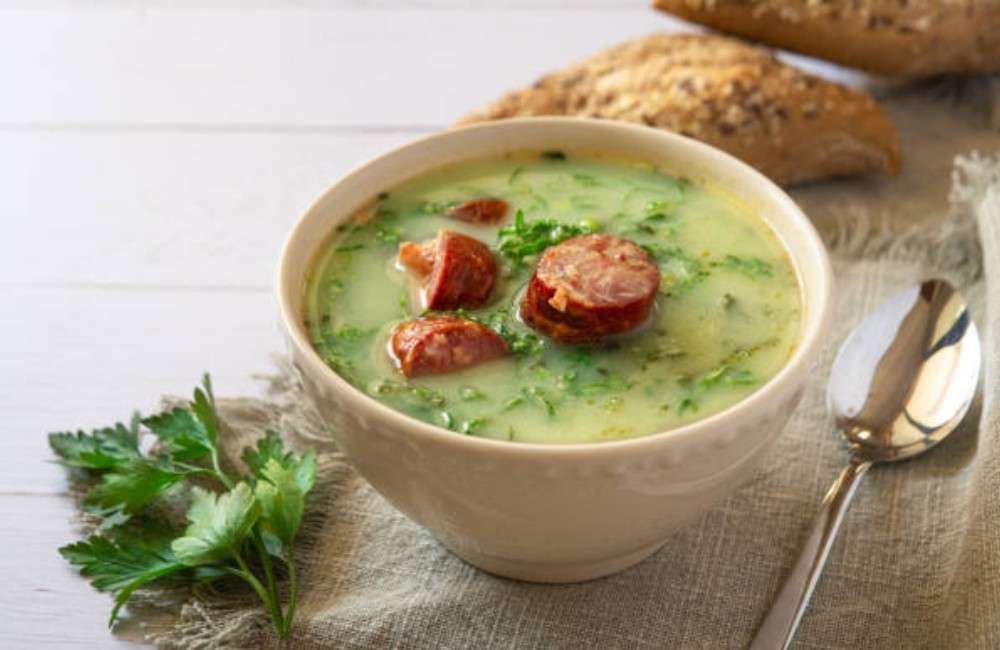
Portuguese cuisine is very family-friendly, with generous portions and mild flavors that most children accept easily.
Seafood plays a major role in Portuguese cooking. Families visiting Lisbon or Porto will find grilled sardines, octopus salad, and clam dishes served at casual, welcoming restaurants.
Restaurants in Portugal tend to open later than families from other countries may expect. Lunch is usually between 12:30 and 2:30 PM, while dinner often starts at 7:30 PM. Many travel companies in Spain and Portugal recommend booking lunch as the main meal of the day when traveling with children, as menus are often more affordable and portions are still generous.